
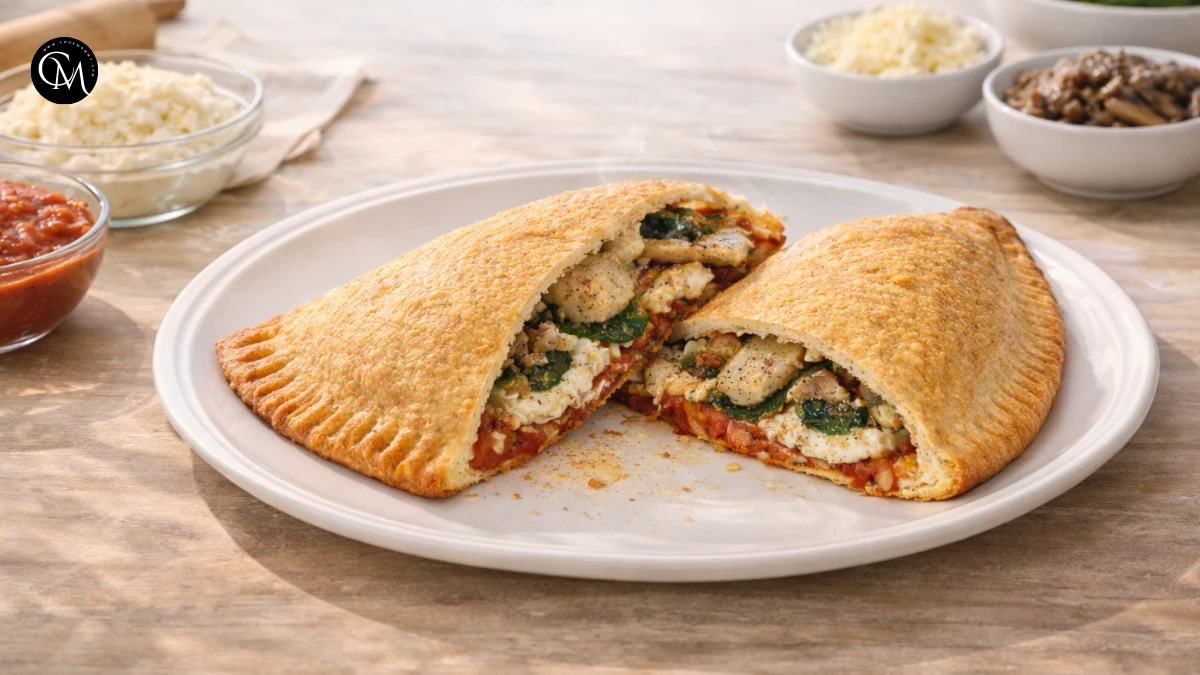
pizza calzone: How 5 Secrets Improve Texture
Have you ever wondered why some low-carb doughs turn out dry and dense while others bake into soft, chewy, bakery-style pockets? Texture is the biggest challenge when making a pizza calzone, and it’s often what determines whether the final dish feels satisfying or disappointing. Many recipes promise quick results but skip the small techniques that actually shape the bite, moisture, and structure.
This recipe focuses on real kitchen experience and proven techniques that make a difference. From dough hydration to filling balance and baking temperature, every step is designed to improve consistency and flavor. If you’ve struggled with crumbly crusts, soggy centers, or bland fillings, these practical insights will help you create a keto pizza calzone that feels hearty, cheesy, and comforting without the carbs. world cooking insights.
Table of Contents
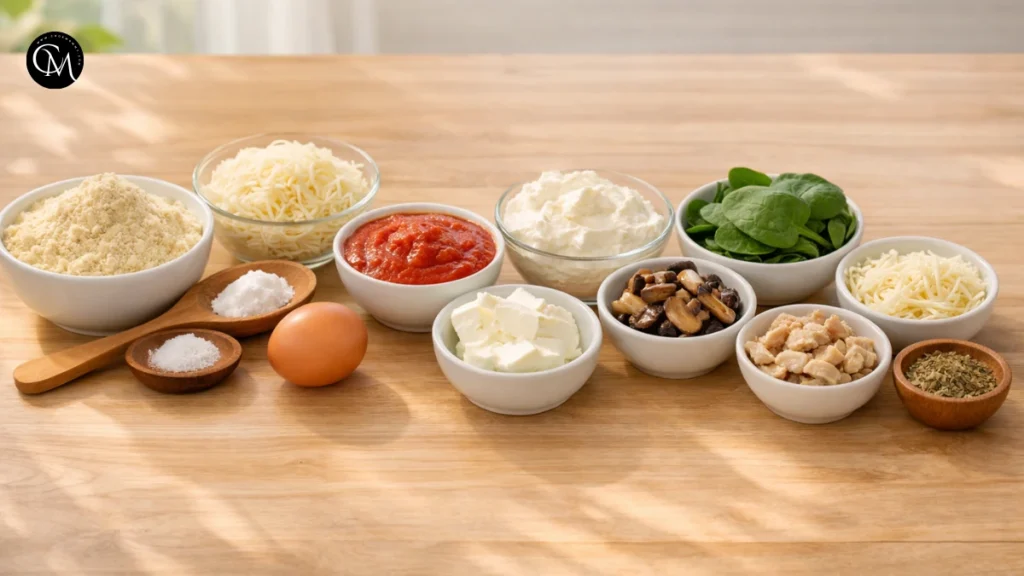
Ingredients List
A successful pizza calzone starts with a dough that behaves like bread, not just melted cheese and flour. Each ingredient plays a role in structure and mouthfeel.
For the dough
- 1 ½ cups almond flour – nutty, soft base that keeps the crust tender
- 1 cup shredded mozzarella – provides elasticity and stretch
- 2 tbsp cream cheese – adds moisture and cohesion
- 1 egg – binds and stabilizes the dough
- ½ tsp baking powder – improves lightness and rise
- Pinch of salt – enhances flavor depth
For the filling
- ½ cup low-sugar tomato sauce – bright, slightly tangy base
- ½ cup ricotta – creamy interior texture
- ½ cup shredded mozzarella – melts smoothly
- ¼ cup sautéed mushrooms – umami richness
- ¼ cup spinach – freshness and balance
- ¼ cup cooked chicken or turkey – protein option
- Italian herbs (oregano, basil) – aromatic finish
Substitution ideas
- Use coconut flour in small amounts for firmer structure.
- Swap ricotta with dairy-free almond ricotta if needed.
- Replace chicken with olives or roasted zucchini for a vegetarian option.
Timing
- Preparation time: 15 minutes
- Cooking time: 18–22 minutes
- Total time: about 35 minutes
Compared with traditional calzones that often require yeast and proofing, this pizza calzone comes together faster while still achieving a satisfying crust.
Step-by-Step Instructions
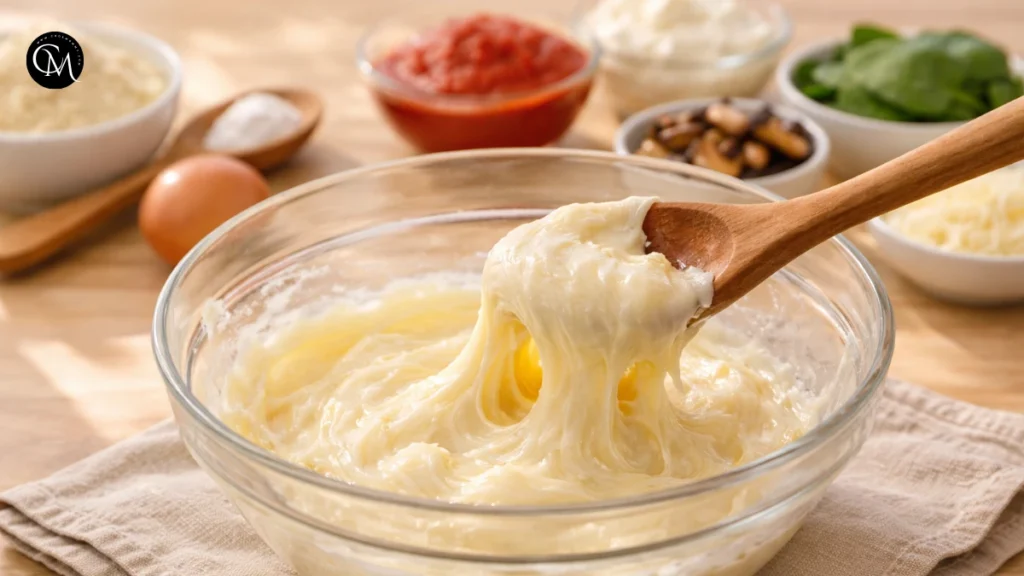
Step 1: Melt the Cheese Base
Place the shredded mozzarella and cream cheese in a heat-safe bowl and warm gently, either in short microwave bursts (20–30 seconds) or over a double boiler. Stir between intervals until the mixture becomes smooth, glossy, and stretchable.
Why this step matters:
The melted cheese forms the structural backbone of the dough. When heated gently, it creates elasticity similar to gluten. Overheating, however, removes moisture and makes the dough dry and prone to cracking. Aim for soft and pliable not oily or stiff.
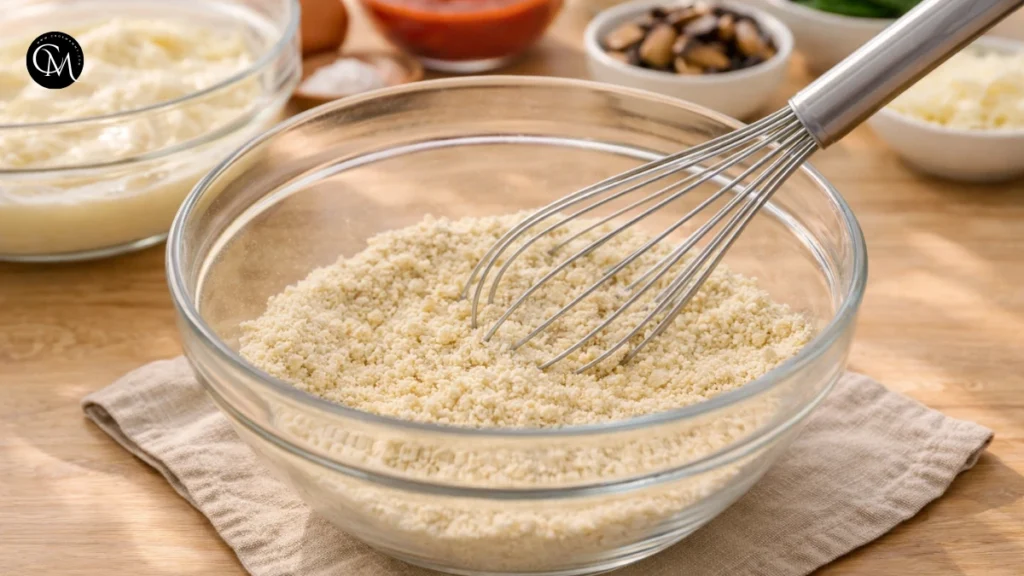
Step 2: Combine the Dry Ingredients
In a separate bowl, whisk together the almond flour, baking powder, and salt until evenly blended.
Practical tip:
Breaking up small clumps in the almond flour helps prevent dense patches in the crust. A well-mixed dry base ensures the dough rises evenly and bakes with a uniform texture instead of heavy spots.
Step 3: Form the Dough
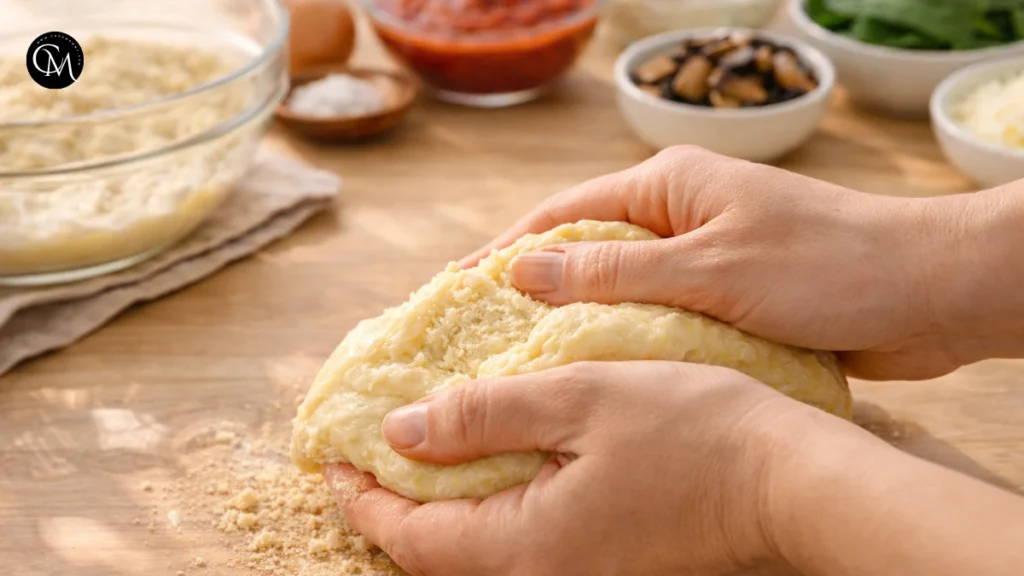
Add the melted cheese mixture and egg to the dry ingredients. Mix with a spatula at first, then knead gently with your hands until a cohesive, slightly elastic dough forms.
Technique insight:
The dough should feel warm, soft, and flexible. If it becomes sticky, lightly oil your hands or the work surface. Kneading for about one minute helps distribute the cheese and egg evenly, improving structure and preventing separation during baking.
Step 4: Roll Between Parchment
Place the dough between two sheets of parchment paper and roll it into a thin oval, about 3–4 mm thick.
Why this step matters:
Rolling between parchment prevents sticking and allows you to achieve an even thickness without adding extra flour. A uniform surface ensures consistent baking too thick and it stays doughy; too thin and it tears easily.
Step 5: Build the Filling
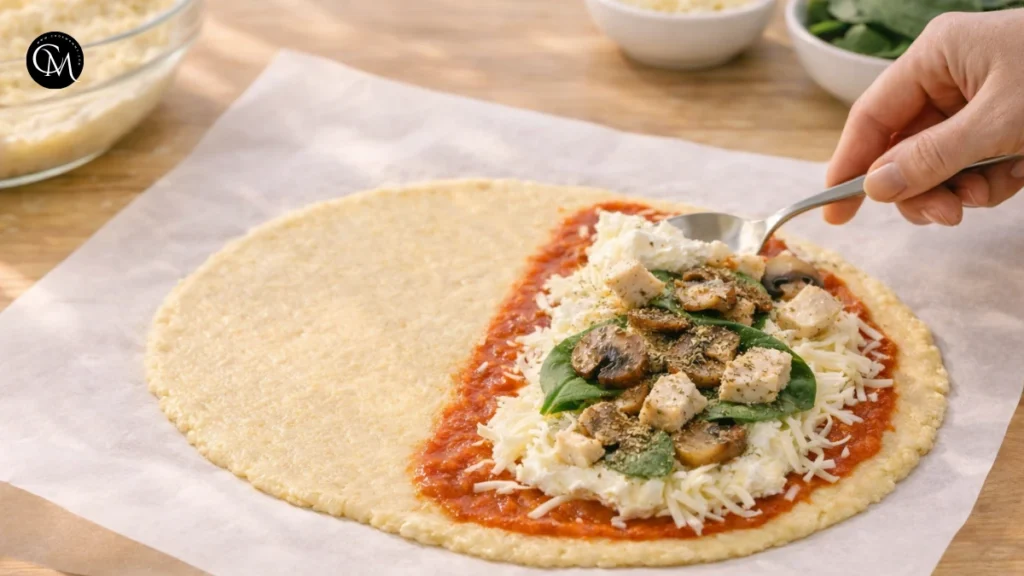
Spread a thin layer of low-sugar tomato sauce over one half of the dough, leaving a border around the edges. Add ricotta, shredded mozzarella, vegetables, and your chosen protein in balanced layers.
Pro tip:
Less is more. Overfilling causes steam buildup and weakens the dough, leading to leaks or soggy spots. Keeping ingredients evenly distributed helps the calzone cook thoroughly while maintaining its shape.
Step 6: Fold and Seal
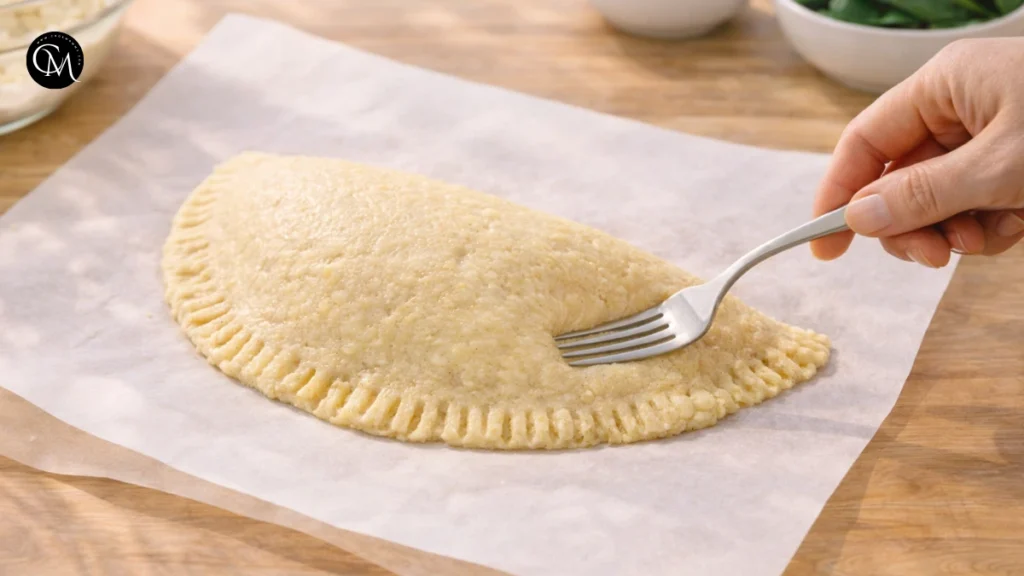
Lift the empty half of the dough using the parchment and fold it over the filling. Press the edges together firmly, then seal with a fork or pinch the border to secure.
Why this step matters:
A tight seal keeps moisture inside, allowing the filling to stay creamy while the crust bakes properly. Small openings can cause cheese to leak and dry out the interior.
Step 7: Bake to Golden Perfection
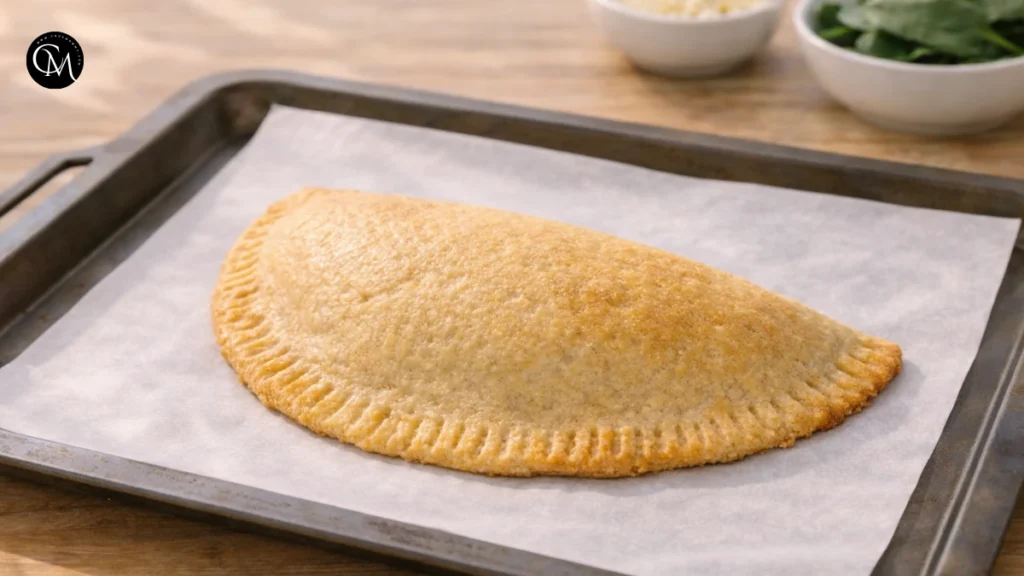
Transfer the calzone onto a baking tray lined with parchment. Bake in a preheated oven at 190°C (375°F) for 18–22 minutes, or until the crust turns lightly golden and firm.
Texture insight:
The crust continues to set as it cools. Let the calzone rest for at least 5 minutes before slicing. This allows steam to redistribute, keeping the filling rich and preventing the base from becoming soggy.
Nutritional Information
Approximate values per serving:
- Calories: 410
- Protein: 24 g
- Fat: 32 g
- Net carbs: 6–8 g
- Fiber: 3 g
This pizza calzone offers a high-protein, low-carb balance that supports satiety without relying on processed substitutes. The combination of fats and protein contributes to steady energy and fuller flavor, making it suitable for those following ketogenic or low-glycemic eating patterns.
Healthier Alternatives fro the pizza calzone
You can easily adjust this recipe to match different dietary goals while preserving taste and structure.
Lower sugar: Use unsweetened tomato paste mixed with herbs.
Whole-grain inspired texture: Add ground flaxseed for a slightly heartier bite.
Dairy-free: Replace cheese with plant-based meltable alternatives and almond ricotta.
For children: Use milder flavors and smaller portions for easy handling.
For seniors or lighter diets: Reduce cheese slightly and increase vegetable filling for better digestibility.
Maintaining moisture is key. Any swap should support structure and softness rather than removing fat entirely.
Serving Suggestions
Serve your pizza calzone warm with:
- A crisp green salad with olive oil
- Roasted vegetables for contrast
- Garlic-herb yogurt dip
- Fresh basil garnish
For gatherings, cut into halves and pair with different dipping sauces. At home, it works as a lunch meal prep option or a quick dinner alternative when traditional pizza feels too heavy.
Common Mistakes to Avoid
- Overheating the cheese base: Leads to a brittle dough that cracks during folding.
- Too much filling: Causes tearing and uneven cooking.
- Skipping parchment paper: Makes rolling difficult and damages structure.
- Undercooking the crust: Results in a soft center and raw texture.
- Not letting it rest after baking: Cutting too early releases steam and softens the crust.
- Using watery vegetables: Excess moisture weakens the dough and reduces crispness.
Real experience shows that moisture control and proper rolling matter more than ingredient complexity.
Storing Tips for the pizza calzone
- Refrigerate leftovers in an airtight container for up to 3 days.
- Reheat in an oven or air fryer to restore crispness.
- Freeze uncooked calzones individually for quick meals later.
For prep ahead, prepare the dough and filling separately, then assemble before baking. This preserves texture and flavor.
Conclusion
A well-executed pizza calzone proves that low-carb cooking doesn’t mean sacrificing comfort or texture. By focusing on moisture balance, careful rolling, and smart filling choices, you can create a calzone that feels satisfying, flavorful, and repeatable in any kitchen. These five texture-focused secrets help transform a simple recipe into a dependable favorite for weeknights, meal prep, or casual gatherings.
Try this recipe and adjust the filling to your taste. Share your results in the comments, leave a review to help other readers, and subscribe for more practical, experience-driven recipes designed for real kitchens and real appetites.
FAQs
1. Can I make pizza calzone ahead of time?
Yes. Prepare and refrigerate the assembled calzone, then bake when ready for the best texture.
2. Why does my dough crack while folding?
It usually means the cheese mixture cooled too much or the dough is too dry.
3. Can I cook it in an air fryer?
Yes. Cook at 180°C for about 12–15 minutes until golden.
4. What’s the best cheese combination?
Mozzarella for elasticity and ricotta for creaminess create the most balanced pizza calzone.
5. Is this recipe suitable for strict diets?
Yes, when using low-sugar sauce and moderate fillings, net carbs remain low.
6. Can I freeze cooked calzones?
Absolutely. Cool completely, wrap tightly, and freeze up to one month.
7. How do I keep the crust from getting soggy?
Use minimal sauce and sauté vegetables beforehand to remove moisture.
8. Can I use coconut flour instead?
Yes, but in smaller amounts and with extra moisture, as it absorbs more liquid.
Tried it before ?
There are no reviews yet. Be the first one to write one.