Moroccan Boulfaf Skewers: 6 Best Eid BBQ Tips
Did you know that grilled meat is one of the most anticipated foods during Eid celebrations in many Moroccan homes, yet the biggest complaint is often the same: dry, chewy skewers? That is exactly why Boulfaf Skewers deserves a careful, practical guide. This traditional Moroccan grill recipe is simple at first glance, but the secret is in the seasoning, fat balance, fire control, and timing.
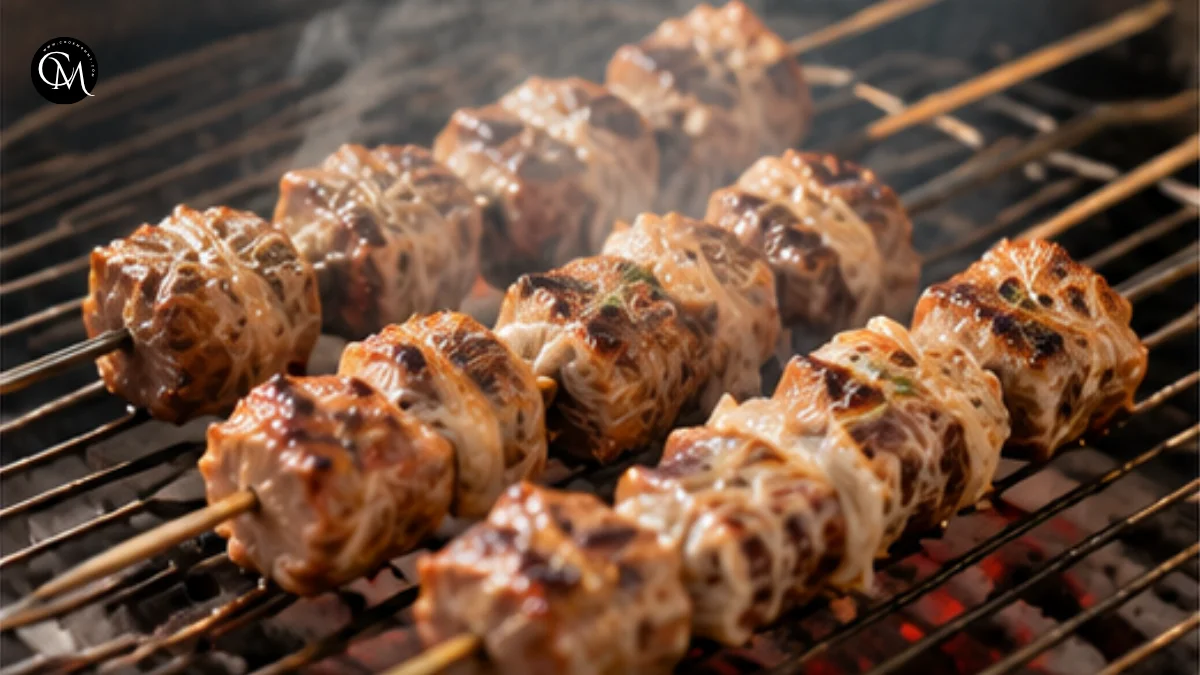
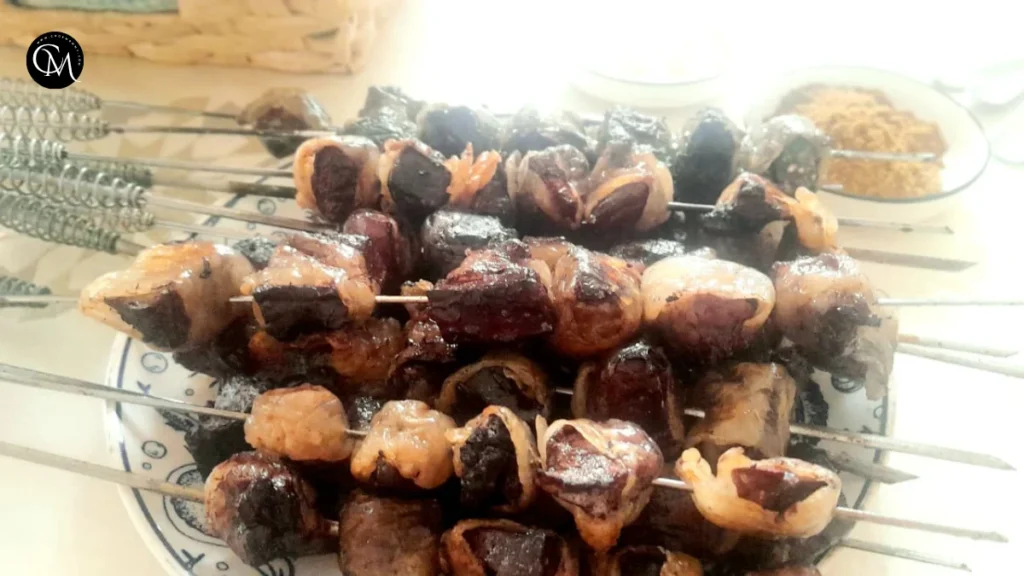
Boulfaf Skewers are usually made with tender pieces of liver wrapped in caul fat, then grilled until smoky, juicy, and deeply aromatic. The flavor is rich, festive, and unmistakably Moroccan. If you have ever tasted them hot from a charcoal grill with cumin, salt, and fresh bread, you already know why they are loved during Eid. This recipe walks you through the process in a clear, home-cook friendly way so you can serve skewers that are tender, flavorful, and memorable.
Table of Contents
Ingredients List
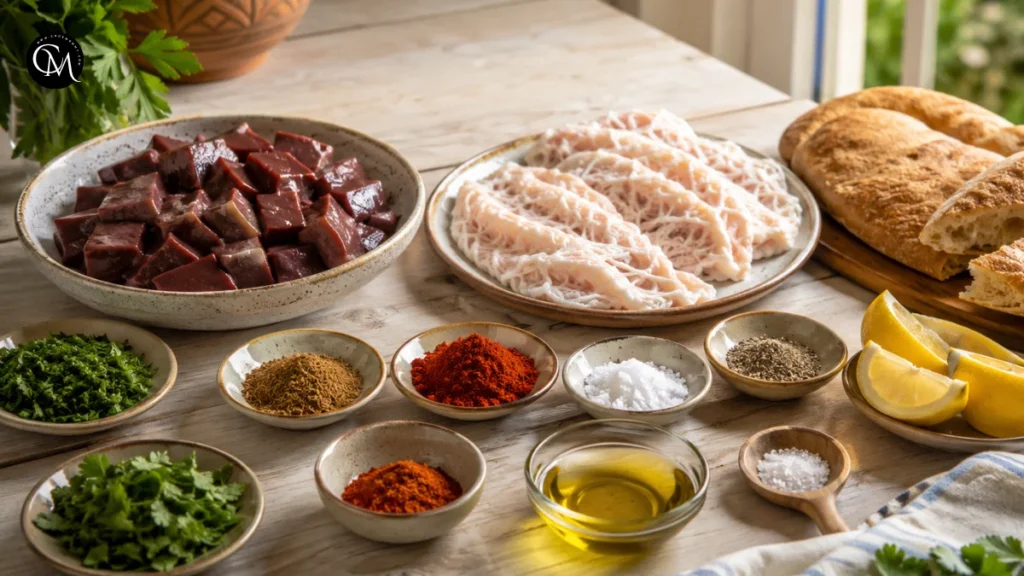
For authentic Boulfaf Skewers, simple ingredients work best. The goal is to respect the natural flavor of the meat while adding enough spice and smokiness to make every bite exciting.
Main Ingredients
- 1 pound fresh lamb or beef liver, cleaned and cut into medium cubes
- 8 to 10 pieces caul fat, rinsed and gently patted dry
- 1 teaspoon ground cumin
- 1 teaspoon sweet paprika
- ½ teaspoon salt, plus more to taste
- ½ teaspoon black pepper
- ¼ teaspoon cayenne pepper, optional
- 1 tablespoon chopped fresh parsley, optional
- 1 tablespoon chopped fresh cilantro, optional
- 1 tablespoon olive oil, optional for brushing
- Lemon wedges, for serving
- Moroccan bread, khobz, for serving
Ingredient Notes and Substitutions
Fresh liver gives Boulfaf Skewers their traditional taste and texture. Lamb liver is often preferred because it has a rich flavor and cooks quickly, but beef liver also works if sliced into smaller pieces.
Caul fat is important because it melts slowly over the grill, keeping the liver moist while adding a beautiful smoky richness. If you cannot find caul fat, you can use a thin layer of lamb fat, but the result will be slightly different.
Cumin is the classic Moroccan spice here. It gives warmth, earthiness, and that familiar street-grill aroma. Paprika adds color and mild sweetness, while cayenne brings gentle heat if you like a spicier finish.
Timing
- Preparation time: 25 minutes
- Cooking time: 10–12 minutes
- Total time: 35–37 minutes
- Resting time: 5 minutes before serving
Compared with many grilled meat recipes that need long marinating times, Boulfaf Skewers are quick. The flavor comes from fresh ingredients, direct heat, and the melting caul fat rather than hours of soaking in marinade.
Step-by-Step Instructions
Step 1 – Prepare Ingredients
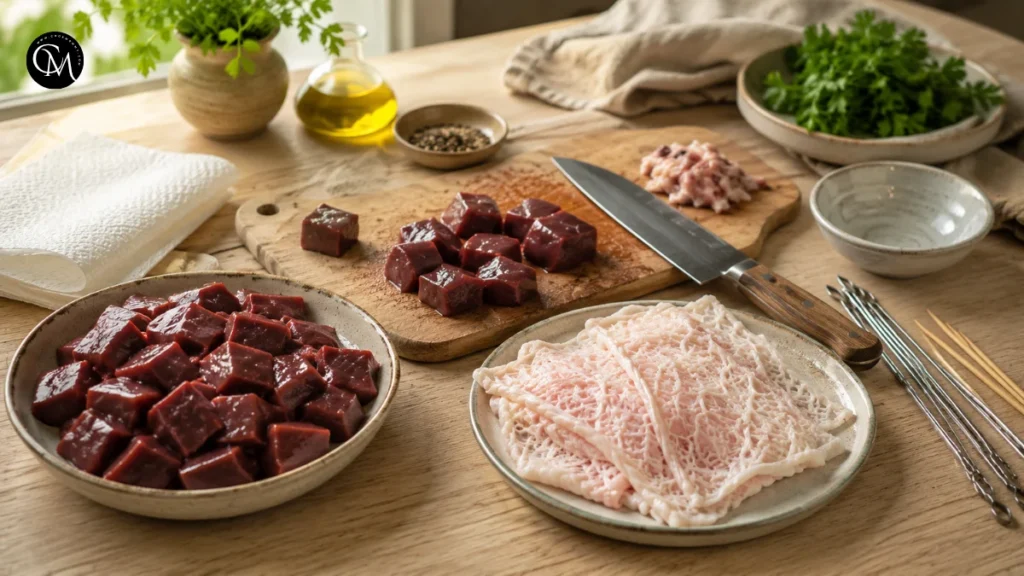
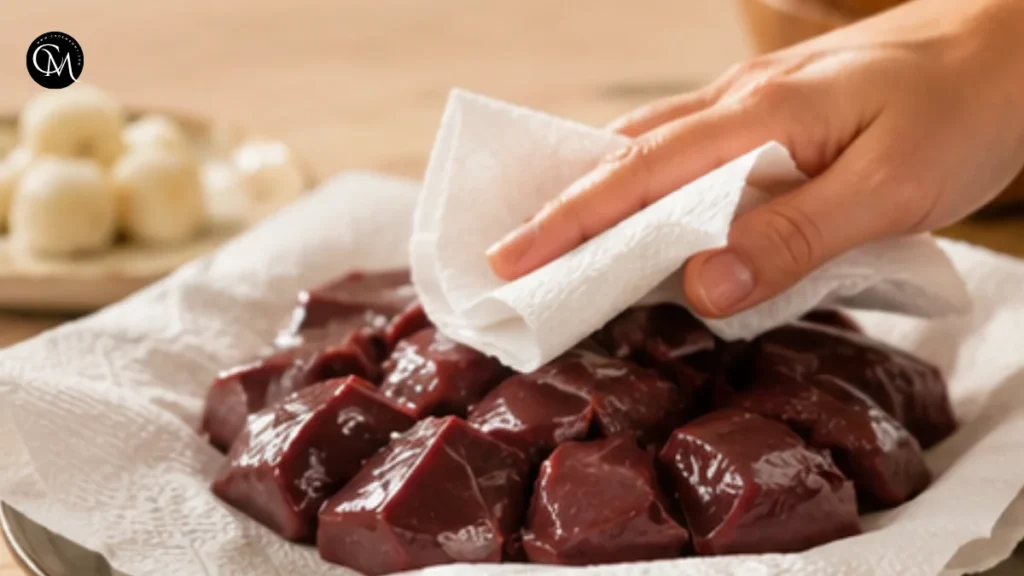
Start by rinsing the liver gently under cold water, then pat it very dry with paper towels. Remove any tough veins or membranes, then cut the liver into even cubes. Try to keep the pieces similar in size so they cook at the same speed.
This preparation step matters more than many people think. Wet liver does not grill well because surface moisture creates steam instead of browning. Dry pieces develop better color, better texture, and a cleaner grilled flavor.
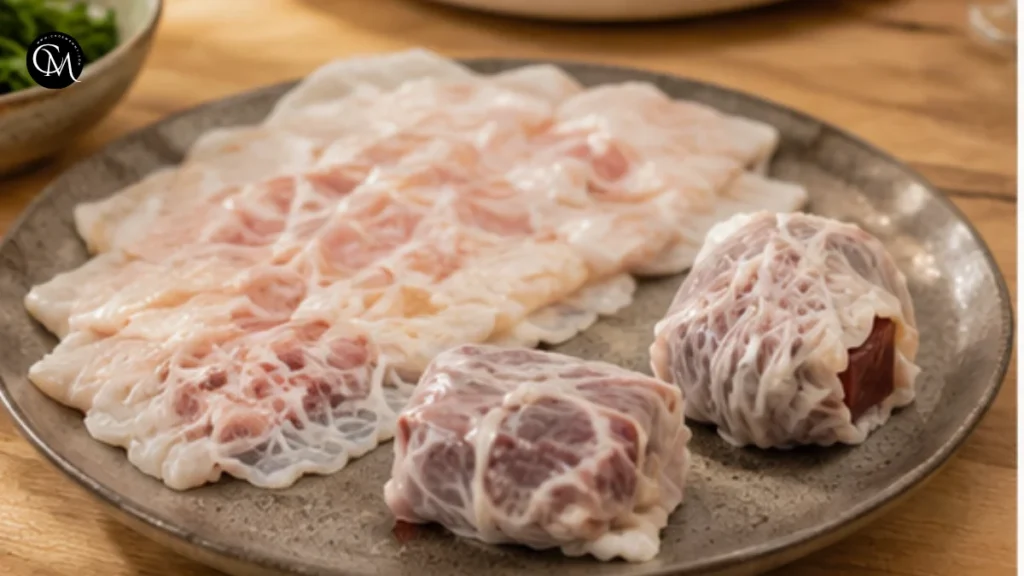
Next, rinse the caul fat carefully and pat it dry. Cut it into pieces large enough to wrap around each cube of liver. You do not need a thick layer; just enough to cover the meat and protect it from drying out over the heat.
For Boulfaf Skewers, good preparation makes grilling easier. Once the skewers hit the fire, the cooking moves quickly, so everything should be ready before you begin.
Step 2 – Build Flavor Base
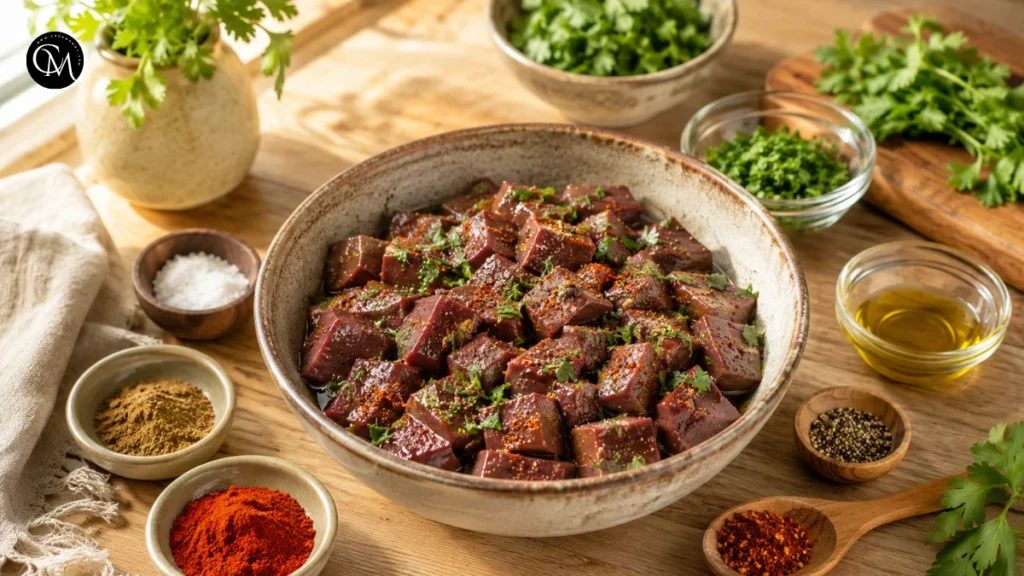
Place the liver cubes in a bowl and season them with cumin, paprika, salt, black pepper, and cayenne if using. Add parsley and cilantro if you want a fresher herbal note. Toss gently so each piece gets lightly coated.
The cooking science is simple but important. Salt helps bring out the natural flavor of the liver, cumin adds depth, and paprika helps with color. You do not want a heavy wet marinade here because excess liquid can prevent proper browning.
Let the seasoned liver sit for about 10 minutes while you prepare the grill. This short rest gives the spices time to cling to the meat without changing the texture too much.
The best Boulfaf Skewers taste balanced, not overloaded. You should still taste the liver, the smoke, and the warm spices without one flavor taking over everything.
Step 3 – Cook the Main Ingredient
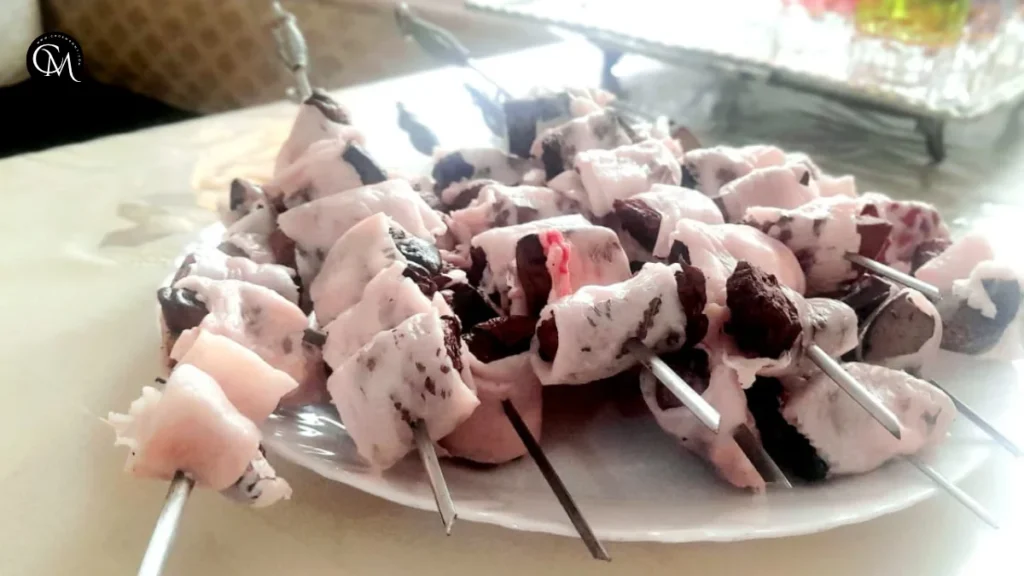
Wrap each piece of liver with caul fat, then thread the wrapped pieces onto metal or soaked wooden skewers. Do not pack them too tightly. A little space between pieces allows heat to move evenly around the meat.
Preheat your grill to medium-high heat. Charcoal gives the most traditional flavor, but a gas grill can also work. If using charcoal, wait until the flames calm down and the coals are glowing. Strong flames can burn the outside before the inside cooks.
Place the skewers on the grill and cook for about 2–3 minutes per side, turning often. The caul fat should melt slowly, drip slightly, and create a smoky aroma. The liver should be browned on the outside but still tender inside.
Texture tip: do not overcook Boulfaf Skewers. Liver becomes dry and grainy when left too long on the grill. Pull the skewers off when the pieces are firm but still moist.
Step 4 – Combine Everything
Once grilled, place the skewers on a warm plate and sprinkle lightly with extra cumin and a tiny pinch of salt. Add lemon wedges on the side, but do not squeeze lemon over everything immediately. Let each person adjust the brightness to their taste.
This is where balance matters. The caul fat brings richness, the liver brings deep flavor, cumin adds warmth, and lemon adds freshness. Moroccan bread helps soften the intensity and makes the meal feel complete.
For Eid meals, I like serving Boulfaf Skewers with small bowls of cumin salt, fresh tomato salad, grilled peppers, and warm khobz. The contrast between smoky skewers and fresh sides keeps the plate lively.
Step 5 – Finish & Adjust Seasoning
Taste one piece before serving the full platter. If it tastes flat, add a little more salt and cumin. If it feels too rich, add lemon juice or serve it with a bright salad. If the spice feels too mild, add a small pinch of cayenne or black pepper.
Chef-style advice: serve Boulfaf Skewers hot, straight from the grill. This is not a dish that improves by waiting too long. The texture is best when the caul fat is still warm and the meat is freshly cooked.
For a beautiful Eid presentation, arrange the skewers on a large platter with lemon wedges, fresh herbs, grilled vegetables, and pieces of Moroccan bread around the edges.
Nutritional Information
Approximate values per serving, based on 4 servings:
| Nutrient | Approximate Amount |
|---|---|
| Calories | 280–340 kcal |
| Protein | 22–28 g |
| Fat | 18–24 g |
| Carbohydrates | 2–4 g |
| Fiber | 0–1 g |
| Sodium | 450–600 mg |
Boulfaf Skewers are rich in protein and naturally low in carbohydrates, but they are also higher in fat because of the caul fat. These values are estimates and can change depending on the size of the liver pieces, the amount of fat used, and the serving sides.
Healthier Alternatives
- If you want a lighter version, use smaller pieces of caul fat around each liver cube instead of wrapping heavily. You still get the traditional flavor, but with less richness.
- For a lower-sodium version, reduce the salt and add more cumin, paprika, lemon, parsley, or cilantro. These ingredients keep the flavor bright without making the dish taste plain.
- For a gluten-free meal, serve Boulfaf Skewers with grilled vegetables, rice, or a fresh salad instead of bread. The skewers themselves are naturally gluten-free when spices are pure and free from additives.
- For children, keep the cayenne out and serve the skewers with soft bread, mild tomato salad, or roasted potatoes. For seniors or anyone who prefers softer textures, cut the liver into smaller cubes and avoid over-grilling.
- Whole-grain options can also work well. Instead of white bread, serve the skewers with whole-wheat Moroccan bread or a small side of barley couscous. The earthy grains pair nicely with smoky meat.
Serving Suggestions
Boulfaf Skewers are best served as part of a relaxed Eid grill table. Place them in the center and surround them with fresh, simple sides so the meal feels generous without being complicated.
Try serving them with Moroccan tomato and cucumber salad, grilled green peppers, olives, lemon wedges, and warm khobz. A small dish of cumin and salt on the side lets guests season each bite the traditional way.
For a fuller meal, add roasted potatoes, saffron rice, lentil salad, or grilled onions. These sides soften the richness of the meat and make the platter more satisfying.
For a festive family table, serve Boulfaf Skewers with mint tea after the meal. The freshness of the tea balances the smoky, savory flavor beautifully.
Common Mistakes to Avoid
- Using wet liver: Wet liver steams instead of browns. Always pat it dry before seasoning.
- Cutting uneven pieces: Large and small cubes cook at different speeds. Keep the pieces similar for better texture.
- Using too much direct flame: High flames can burn the caul fat quickly. Medium-high heat with glowing coals works better.
- Overcooking the liver: This is the most common mistake. Overcooked liver becomes dry and tough, so turn the skewers often and watch closely.
- Skipping the final seasoning: A small pinch of cumin and salt after grilling makes Boulfaf Skewers taste more complete.
- Serving too late: These skewers taste best hot. Prepare your sides first, then grill the skewers right before serving.
Storing Tips for the Boulfaf Skewers
If you have leftovers, remove the meat from the skewers and place it in an airtight container. Store in the refrigerator for up to 2 days. Reheat gently in a covered pan over low heat. Avoid microwaving too long because liver can become tough.
For prep-ahead cooking, you can clean and cut the liver several hours in advance. Keep it covered in the refrigerator, then season and wrap it shortly before grilling. Caul fat should also stay chilled until ready to use.
This recipe became one of my regular meals because it brings everyone around the grill. Boulfaf Skewers feel festive, but they are also quick, practical, and deeply connected to Moroccan family cooking.
Conclusion
Boulfaf Skewers are more than grilled skewers; they are a warm part of Moroccan Eid tradition. With fresh liver, light seasoning, careful wrapping, and smart grilling, you can create a dish that is smoky, tender, and full of character. The key is not to rush the preparation or overcook the meat. Keep the fire steady, season with confidence, and serve everything hot with bread, lemon, and simple salads.
Try this recipe for your next Eid grill table, then leave a comment or review with your favorite side dish. Subscribe for more Moroccan recipes, practical cooking tips, and festive meal ideas you can make at home.
FAQs
What are Boulfaf Skewers made of?
They are traditionally made with pieces of liver wrapped in caul fat, seasoned with Moroccan spices, then grilled over charcoal until smoky and tender.
Can I make Boulfaf Skewers without caul fat?
Yes, but the result will be less rich and less traditional. You can use small pieces of lamb fat as an alternative.
Which liver is best for this recipe?
Lamb liver is commonly used because it is tender and flavorful. Beef liver also works if cut into smaller, even pieces.
Can I cook this recipe indoors?
Yes. Use a grill pan over medium-high heat and ventilate the kitchen well. You will miss some charcoal flavor, but it still tastes good.
How do I stop the liver from becoming dry?
Do not overcook it. Grill quickly, turn often, and remove the skewers once the liver is browned but still moist inside.
What should I serve with this dish?
Serve it with Moroccan bread, cumin salt, tomato salad, grilled peppers, olives, and lemon wedges for a balanced Eid meal.
Can I prepare the skewers ahead of time?
You can clean and cut the liver ahead, but wrap and grill the skewers close to serving time for the best texture.
Tried it before ?
There are no reviews yet. Be the first one to write one.