
Sushi burger: How 5 Steps Make Dinner More Exciting
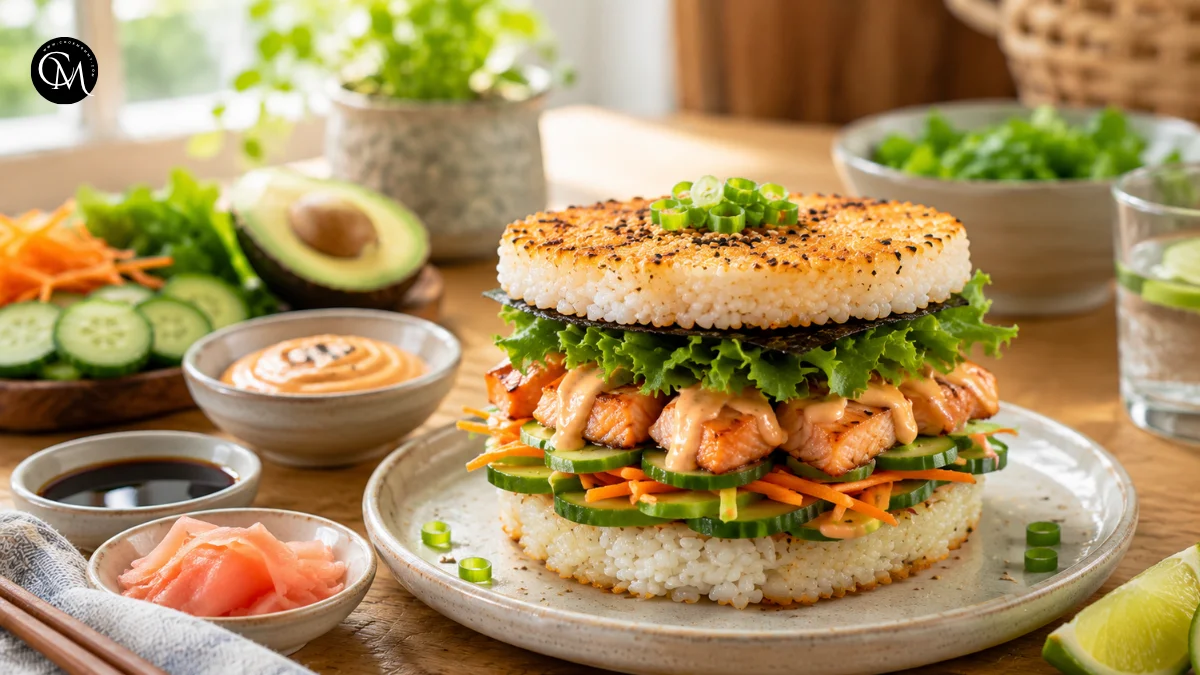
Have you ever noticed how the most memorable dinners are often the ones that feel a little unexpected? A Sushi burger takes two familiar favorites, sushi and burgers, and turns them into one fun, colorful meal that feels fresh without being difficult. Instead of a bread bun, this recipe uses seasoned sushi rice shaped into soft, compact “buns,” then fills the center with crisp vegetables, creamy avocado, seafood or tofu, and a flavorful sauce.
What makes a Sushi burger worth trying is the balance. It gives you the easy, fun feel of a burger while keeping the bright, fresh flavors people love in sushi. It works for a casual family meal, looks impressive on the table, and is easy enough to make when your regular dinner routine feels boring. Once you learn the basic method, you can change the filling, sauce, and toppings to match your taste.
Table of Contents
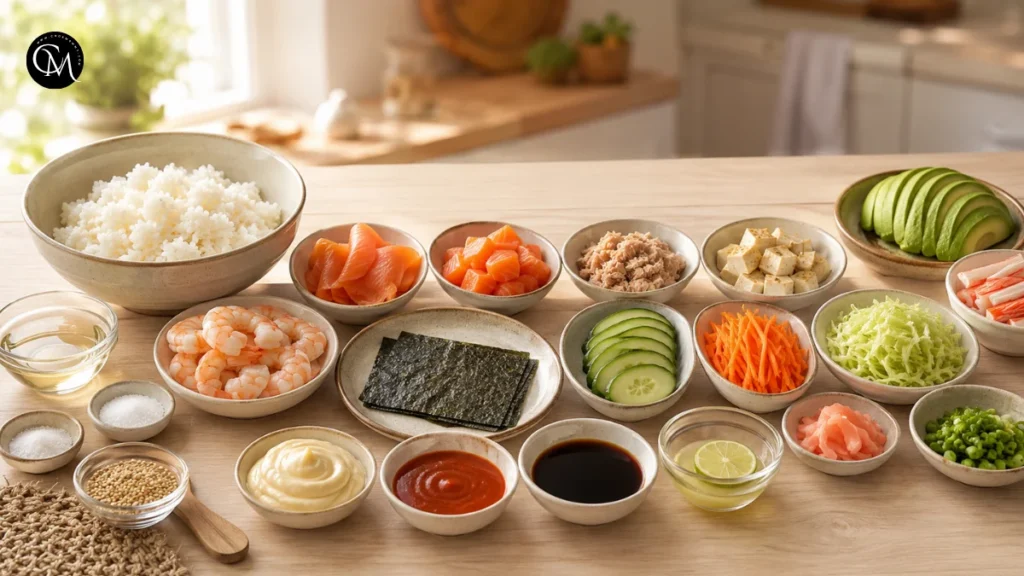
Ingredients List
For the rice buns:
- 2 cups cooked sushi rice, slightly warm
- 2 tablespoons rice vinegar
- 1 teaspoon sugar
- 1/2 teaspoon salt
- 1 tablespoon sesame seeds
- 1 teaspoon neutral oil for shaping or pan-searing
For the filling:
- 200 g cooked shrimp, smoked salmon, sushi-grade salmon, canned tuna, tofu, or crab sticks
- 1 ripe avocado, sliced
- 1 small cucumber, thinly sliced
- 1 small carrot, julienned
- 2 sheets nori, cut into squares
- 1/2 cup shredded lettuce or cabbage
- Pickled ginger, optional
- Green onions, optional
For the sauce:
- 3 tablespoons mayonnaise
- 1 teaspoon sriracha or chili sauce
- 1 teaspoon soy sauce
- 1 teaspoon lime juice
- 1/2 teaspoon sesame oil
Optional substitutions:
Use brown rice or short-grain rice for a heartier version, but sushi rice gives the best hold. For a vegetarian Sushi burger, use crispy tofu, marinated mushrooms, or avocado as the main filling. For a lighter sauce, replace mayonnaise with Greek yogurt or a dairy-free alternative.
Timing
Preparation time: PT20M
Cooking time: PT10M
Total time: PT30M
Most homemade sushi-style recipes can take 45 minutes or more because of rolling, slicing, and careful assembly. This Sushi burger is faster because you shape the rice into buns and stack the fillings directly. It gives the same fresh sushi-inspired flavor with less stress and fewer tools.
Step-by-Step Instructions
Step 1 – Prepare ingredients
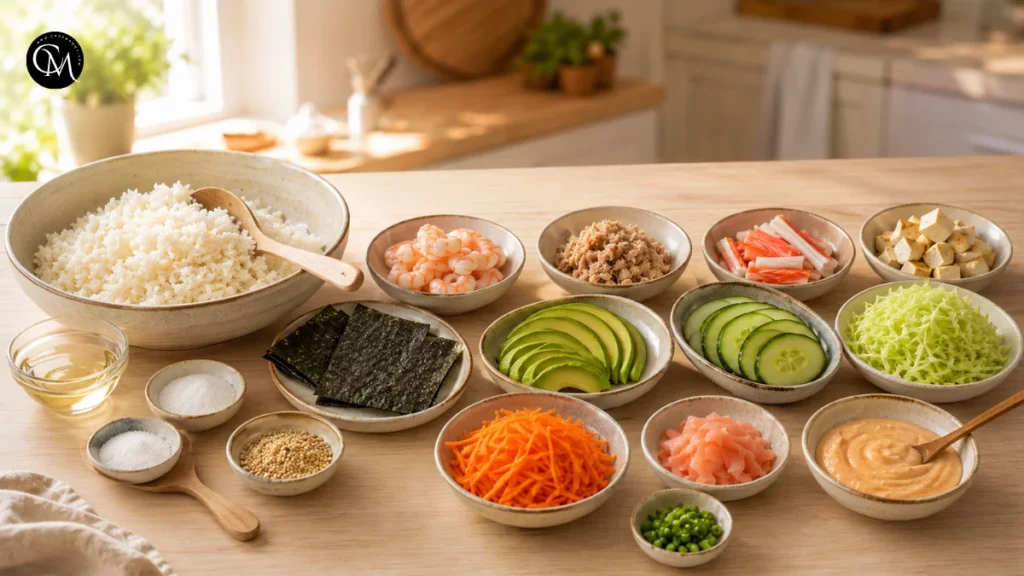
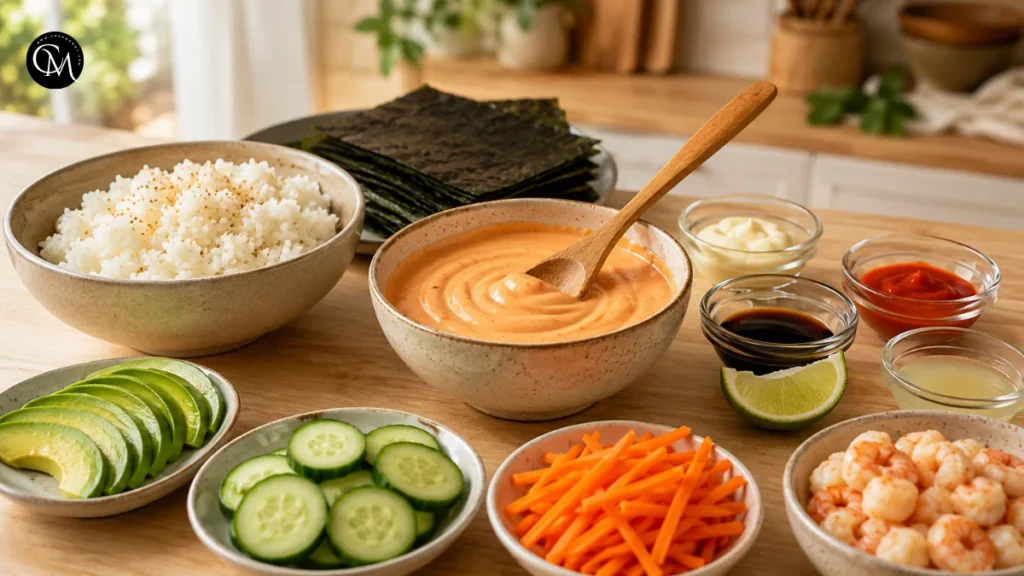
Start by preparing all your ingredients before you shape the rice. Slice the avocado, cucumber, carrot, and lettuce. Cut the nori into squares and mix the sauce in a small bowl. If you are using shrimp, crab sticks, tofu, or canned tuna, make sure everything is ready before assembly.
This step matters because a Sushi burger is best when built quickly. Warm rice is easier to shape, avocado stays fresh when used right away, and crisp vegetables keep their bite. When every ingredient is ready, the final burger looks cleaner and tastes more balanced.
For the rice, mix warm sushi rice with rice vinegar, sugar, and salt. The vinegar adds brightness, the sugar softens the flavor, and the salt keeps the rice from tasting flat. Let it cool just enough to handle.
Step 2 – Build flavor base
The flavor base of this recipe comes from seasoned rice, nori, and sauce. These three parts give the Sushi burger its sushi-style personality. The rice should taste lightly tangy, the nori should add a savory ocean note, and the sauce should bring creaminess and gentle heat.
In cooking science, balance is what makes food satisfying. Rice gives starch and softness, seafood or tofu adds protein, vegetables bring freshness, and sauce connects everything together. Without the sauce, the burger can taste dry. Without the nori, it can feel more like a rice sandwich than a sushi-inspired dish.
To make the sauce, stir mayonnaise, sriracha, soy sauce, lime juice, and sesame oil until smooth. Taste it before using. If you want more heat, add extra chili sauce. If you want more freshness, add more lime juice.
Step 3 – Cook the main ingredient
If you are using cooked shrimp, crab sticks, smoked salmon, or canned tuna, you do not need much cooking. For tofu, pan-sear cubes or slices until lightly golden. For salmon, only use sushi-grade fish if serving raw. Otherwise, cook it gently until tender.
Texture is very important in a Sushi burger. The rice buns are soft, so the filling should bring contrast. Shrimp gives a springy bite, tofu gives crispy edges, and vegetables add crunch. Avoid fillings that are too wet because they can make the rice buns fall apart.
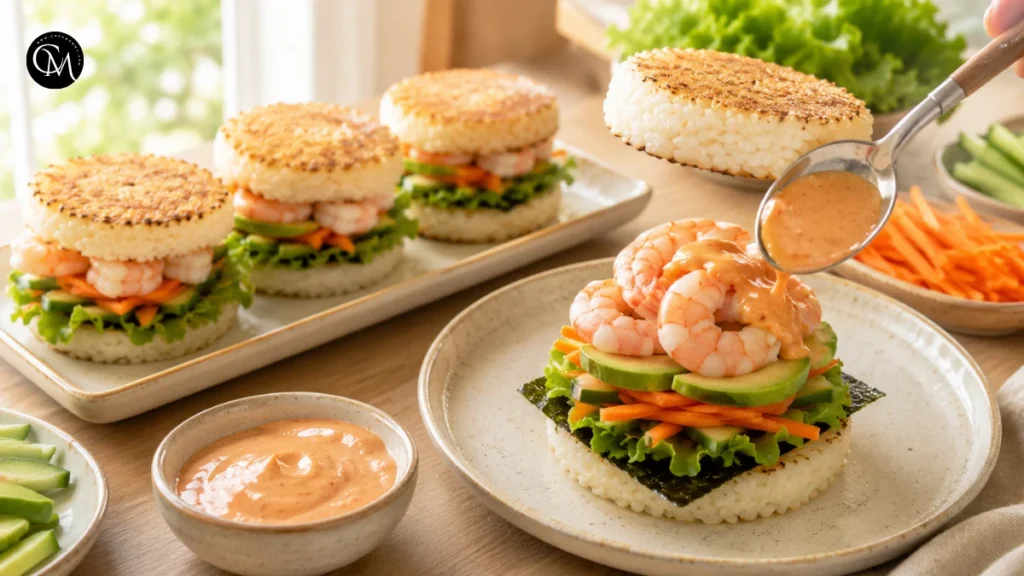
For extra structure, you can lightly pan-sear the rice buns. Brush a nonstick pan with a little oil, place shaped rice rounds in the pan, and cook for 2–3 minutes per side. This creates a thin golden crust while keeping the inside tender. It also helps the burger hold better when you pick it up.
Step 4 – Combine everything
To assemble, place one rice bun on a plate. Add a nori square, then layer lettuce, cucumber, carrot, avocado, and your chosen protein. Spoon a little sauce over the filling, then top with the second rice bun. Press very gently so the layers stay together without crushing the rice.
The best Sushi burger has balance in every bite. Too much rice makes it heavy. Too much sauce makes it messy. Too many fillings make it hard to eat. Keep the layers generous but controlled, just like building a classic burger.
If you are serving guests, make smaller versions instead of one large burger. Mini Sushi burger sliders are easier to hold and look beautiful on a platter.
Step 5 – Finish & adjust seasoning
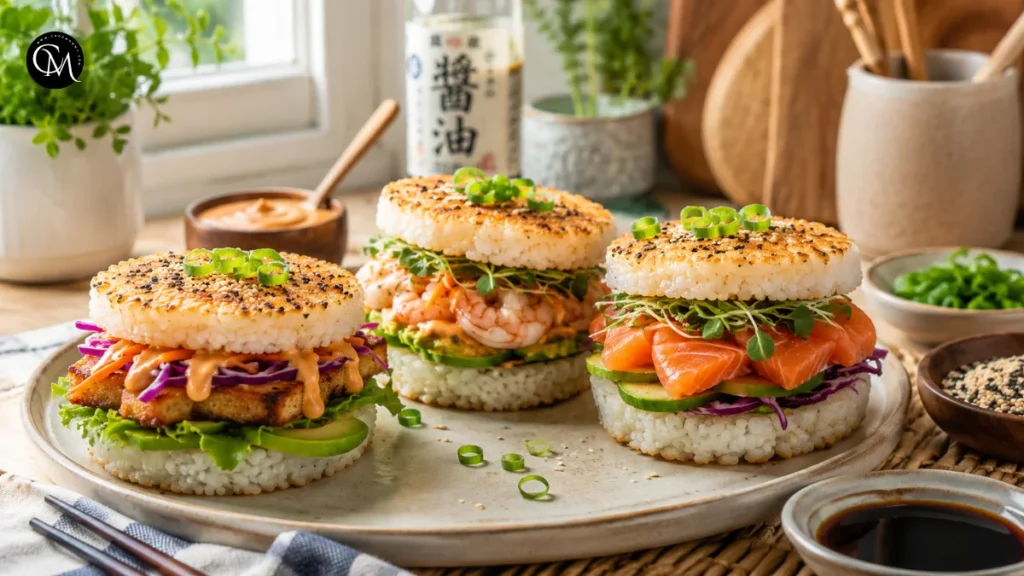
Finish the Sushi burger with sesame seeds, sliced green onions, or a small drizzle of sauce. Taste one bite before serving. If it needs more brightness, add lime juice or pickled ginger. If it needs saltiness, add a few drops of soy sauce. If it needs richness, add more avocado or sauce.
A chef-style tip is to think about contrast. Soft rice needs crunchy vegetables. Creamy avocado needs acidity. Savory seafood needs a fresh topping. When these details work together, the final dish feels exciting instead of random.
Serve the Sushi burger immediately for the best texture. The rice should be soft, the vegetables crisp, and the sauce fresh.
Nutritional Information
Approximate nutrition per serving:
| Nutrient | Amount |
|---|---|
| Calories | 420 kcal |
| Protein | 18 g |
| Carbohydrates | 55 g |
| Fat | 15 g |
| Fiber | 5 g |
| Sodium | 680 mg |
| Sugar | 4 g |
These values can change depending on your filling and sauce. A shrimp Sushi burger will usually be lighter than one made with fried tofu or extra mayonnaise. To reduce sodium, use low-sodium soy sauce and go easy on pickled toppings.
Healthier Alternatives
- For a lower sugar version, reduce or skip the sugar in the rice seasoning. The flavor will be slightly sharper, but the rice vinegar and salt will still give the rice a pleasant sushi-style taste.
- For a whole-grain option, use short-grain brown rice. It will be nuttier and more filling, though it may not stick as well as classic sushi rice. Press it firmly and keep the burger smaller for better structure.
- For a gluten-free Sushi burger, use gluten-free tamari instead of soy sauce and check that your nori, sauces, and seafood products are gluten-free. For a dairy-free version, use vegan mayonnaise or a sesame-tahini sauce.
- For children, keep the sauce mild and use cooked shrimp, tuna, egg, or avocado. For dieters, add extra cucumber, cabbage, and lean protein while using a smaller rice portion. For seniors, softer fillings like avocado, cooked fish, and tender rice can make the meal easier to enjoy.
Serving Suggestions
- Serve the Sushi burger with edamame, miso soup, cucumber salad, or a simple seaweed salad. These sides keep the meal fresh and light without overpowering the main dish.
- For a fun dinner night, set up a build-your-own Sushi burger bar. Place rice buns, vegetables, proteins, sauces, and toppings in small bowls so everyone can create their own version. This works especially well for families because each person can choose mild, spicy, vegetarian, or seafood fillings.
- For a party, make mini versions and serve them on a platter with small bowls of soy sauce, spicy mayo, and sesame dressing. Add lime wedges and pickled ginger for color and freshness.
Common Mistakes to Avoid
- Using hot rice Hot rice is too soft and sticky. Let it cool slightly before shaping so the buns hold their form.
- Overfilling the burger A Sushi burger needs structure. Too many fillings make it hard to pick up and can cause the rice to break.
- Adding too much sauce Sauce adds flavor, but too much moisture makes the rice buns soggy. Start with a small amount and add more on the side.
- Skipping the nori Nori adds flavor and helps separate wet fillings from the rice. It also gives the burger a stronger sushi-style taste.
- Using watery vegetables Pat cucumber and lettuce dry before adding them. Excess water can weaken the rice buns and dilute the sauce.
- Making the rice buns too large Smaller buns are easier to shape, flip, and eat. Large ones often fall apart before the first bite.
Storing Tips for the Recipe
- A Sushi burger tastes best fresh, but you can prep several parts ahead. Cook the rice earlier in the day, slice the vegetables, and mix the sauce in advance. Store everything separately in airtight containers.
- Do not fully assemble the burger too early because the sauce and vegetables can soften the rice. If you need to prepare ahead, shape the rice buns and keep the fillings separate until serving.
- Leftover rice buns can be stored in the fridge for up to 24 hours. Warm them gently or pan-sear them again before using. Avocado is best sliced fresh because it browns quickly.
- This recipe became one of my regular meals because it makes dinner feel fun without needing complicated sushi rolling skills. It also helps me use simple ingredients in a more creative way.
Conclusion
A Sushi burger is the kind of recipe that makes dinner feel fresh, playful, and satisfying. It brings together seasoned rice, crisp vegetables, creamy avocado, flavorful protein, and a bold sauce in one easy handheld meal. The best part is how flexible it is. You can make it spicy, mild, vegetarian, seafood-based, light, or extra filling depending on your mood.
Try this Sushi burger recipe the next time you want something different from your usual dinner routine. After you make it, leave a comment or review with your favorite filling combination. Subscribe for more easy, creative recipes that make home cooking more exciting.
FAQs
Can I make a Sushi burger without raw fish?
Yes. Use cooked shrimp, canned tuna, crab sticks, smoked salmon, tofu, or egg. These options are simple, flavorful, and easier for most home cooks.
What rice works best for a Sushi burger?
Short-grain sushi rice works best because it is sticky and easy to shape. Long-grain rice usually falls apart and does not hold the bun shape well.
Can I make this recipe vegetarian?
Yes. Use crispy tofu, avocado, marinated mushrooms, cucumber, carrot, and cabbage. Add spicy mayo or sesame sauce for more flavor and richness.
How do I keep the rice buns from falling apart?
Use slightly warm sushi rice, press the buns firmly, and avoid making them too large. Pan-searing also helps create a stronger outer layer.
Can I prepare Sushi burger ingredients ahead?
Yes. Prepare the rice, sauce, and vegetables ahead, but store them separately. Assemble just before eating for the best freshness and texture.
Is this recipe good for kids?
Yes, especially with mild fillings like avocado, cooked shrimp, tuna, cucumber, or egg. Keep spicy sauce on the side so children can choose.
What sauce goes best with this recipe?
Spicy mayo is classic, but sesame dressing, soy-lime sauce, teriyaki glaze, or wasabi mayo also work well depending on your preferred flavor.
Tried it before ?
There are no reviews yet. Be the first one to write one.