
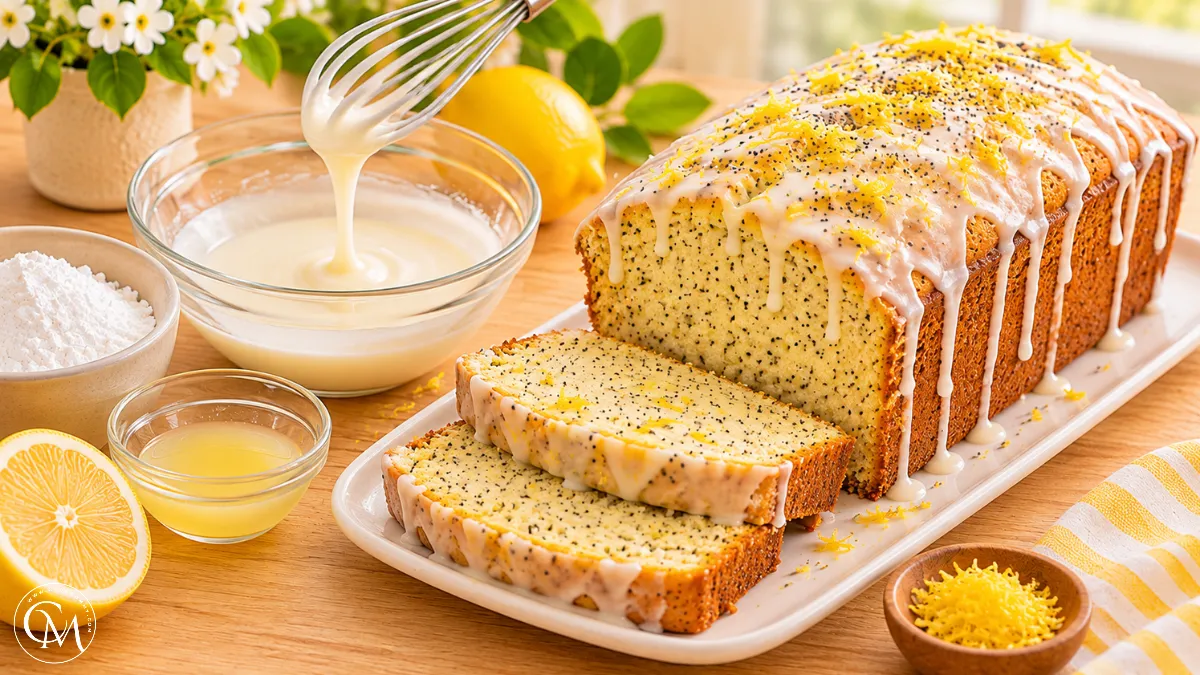
Easy lemon and poppy seed cake: 5 Steps to a Moist Cake
Did you know that just 2 tablespoons of poppy seeds and the zest of 2 lemons can transform a simple homemade cake into a fragrant, bakery-style treat? The secret to a delicious lemon and poppy seed cake isn’t complicated ingredients or professional baking equipment. It’s finding the right balance of moisture, citrus flavor, and gentle mixing.
If you’ve ever baked a cake that turned out dry, dense, or disappointingly bland, this recipe is for you. This easy poppy seed cake combines fresh lemon zest, creamy Greek yogurt, and buttery vanilla flavor to create a soft, tender crumb. Tiny poppy seeds add a delicate crunch without overpowering the refreshing citrus notes.
Whether you’re preparing afternoon tea, a weekend brunch, or a family dessert, you’ll love how effortlessly this recipe comes together. Best of all, you’ll learn five practical steps for achieving consistently moist results, along with helpful baking tips, ingredient substitutions, and storage advice.
Table of Contents
Ingredients List
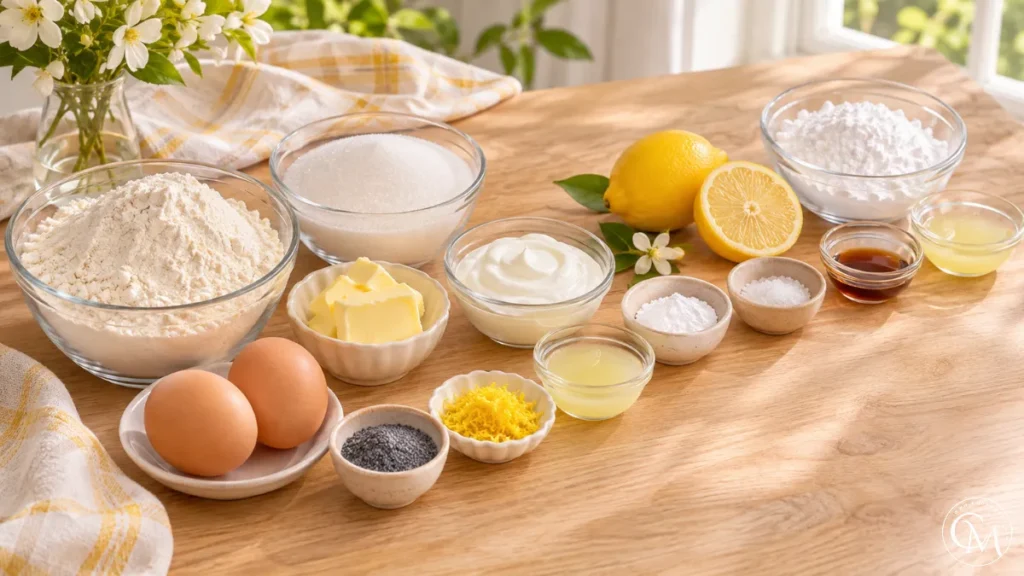
The beauty of this homemade poppy seed cake lies in its everyday ingredients. Each one contributes something important to the final texture and flavor.
For the Cake
- 1½ cups (190 g) all-purpose flour: Provides structure while keeping the crumb tender.
- ¾ cup (150 g) granulated sugar: Adds sweetness and helps retain moisture.
- ½ cup (115 g) unsalted butter: Softened butter creates a rich, delicate texture.
- 2 large eggs: Bind the ingredients and support a light, fluffy crumb.
- ½ cup (120 g) plain Greek yogurt: Adds moisture and subtle tanginess.
- 2 tablespoons poppy seeds: Provide a pleasant crunch and classic appearance.
- Zest of 2 medium lemons: Delivers bright citrus aroma.
- 2 tablespoons fresh lemon juice: Adds refreshing acidity.
- 1½ teaspoons baking powder: Helps the cake rise evenly.
- ¼ teaspoon salt: Balances sweetness and enhances flavor.
- 1 teaspoon vanilla extract: Rounds out the citrus notes.
For the Lemon Glaze
- ⅔ cup (80 g) powdered sugar
- 1–2 tablespoons fresh lemon juice
Helpful substitutions:
- Replace Greek yogurt with an equal amount of sour cream for a richer cake. Plain dairy-free yogurt also works, although the texture may vary slightly.
- For a slightly nuttier poppy seed cake, substitute up to one-quarter of the flour with whole wheat pastry flour.
- Always use freshly grated lemon zest when possible. Bottled lemon juice can provide acidity, but it cannot reproduce the fragrant oils found in fresh zest.
Timing
This lemon poppy seed loaf requires minimal hands-on preparation, making it suitable for busy home bakers.
| Task | Time |
|---|---|
| Preparation | 15 minutes |
| Baking | 45–55 minutes |
| Cooling and glazing | 30 minutes |
| Total time | 90–100 minutes |
| Servings | 10 slices |
- The time your cake needs in the oven may vary depending on how your oven heats and the size of your baking pan.
- An 8 × 4-inch loaf pan creates a slightly taller cake, while a 9 × 5-inch pan may bake faster.
- For reliable results, begin checking the center about five minutes before the suggested baking time ends.
Step-by-Step Instructions
Making a moist poppy seed cake doesn’t require advanced baking skills. Following the correct mixing sequence makes a noticeable difference.
Step 1: Prepare Your Ingredients
- Preheat your oven to 350°F (175°C).
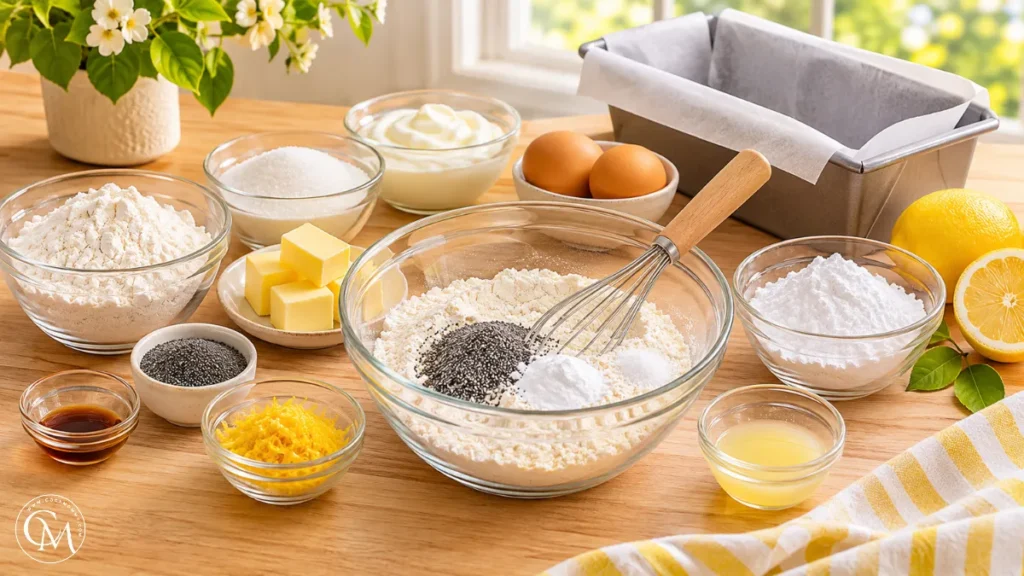
- Grease an 8 × 4-inch loaf pan and line it with parchment paper, leaving some overhang for easy removal.
- Bring the butter, eggs, and yogurt to room temperature.
- Cold ingredients can prevent the batter from mixing smoothly, creating an uneven texture.
- In a medium bowl, whisk together the flour, baking powder, salt, and poppy seeds.
- Whisking distributes the raising agent evenly and prevents concentrated pockets of baking powder.
- Baking tip: Measure flour with a kitchen scale if available. Too much flour is a common reason homemade cakes turn out dry.
Step 2: Build a Rich Lemon Flavor Base
- Place the softened butter, sugar, and lemon zest in a large mixing bowl.
- Beat with an electric mixer for 3–4 minutes until pale and fluffy.
- This process, called creaming, incorporates tiny air pockets that help the cake rise during baking.
- Rubbing the zest into the sugar before creaming can also release additional aromatic citrus oils.
- Add the eggs one at a time, beating briefly after each addition.
- Mix in the vanilla extract and lemon juice.
- The mixture may appear slightly curdled after adding the juice. Don’t worry if the mixture looks a little uneven at this stage; it should come together once you add the flour.
- Flavor tip: Avoid the bitter white pith when zesting lemons. Only the colorful outer layer provides the fragrant citrus flavor.
Step 3: Prepare the Batter for a Tender Crumb
- Add approximately one-third of the flour mixture to the butter mixture.
- Mix gently on low speed until almost combined.
- Add half the Greek yogurt, followed by another third of the flour mixture.
- Repeat with the remaining yogurt and flour.
- Alternating wet and dry ingredients helps create a smooth batter without excessive mixing.
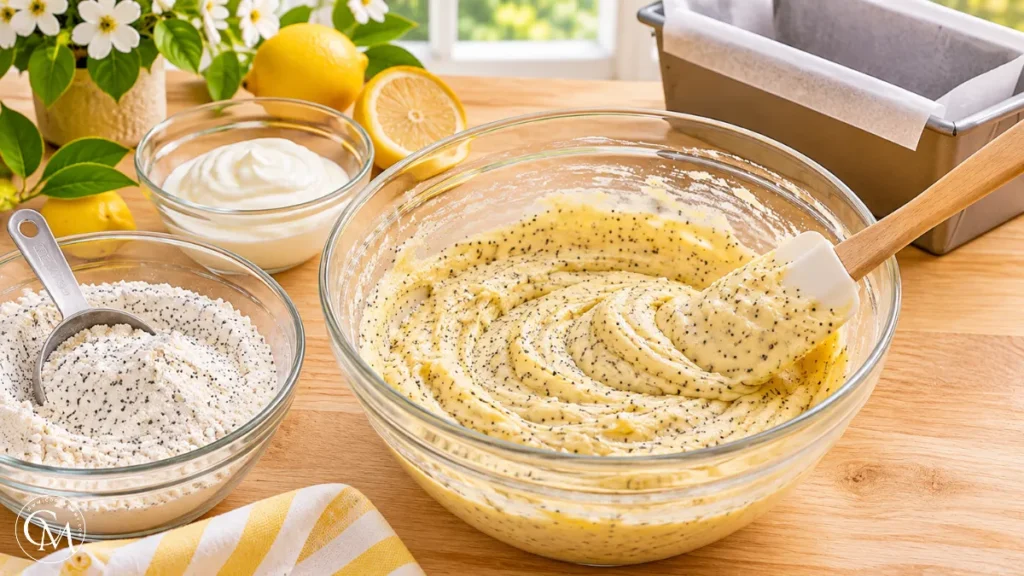
- Stop as soon as the ingredients are combined. A few small lumps are perfectly acceptable.
- Overmixing develops gluten, which can make your poppy seed cake tough instead of soft.
- The finished batter should look thick, creamy, and spreadable rather than runny.
Step 4: Bake Until Golden and Moist
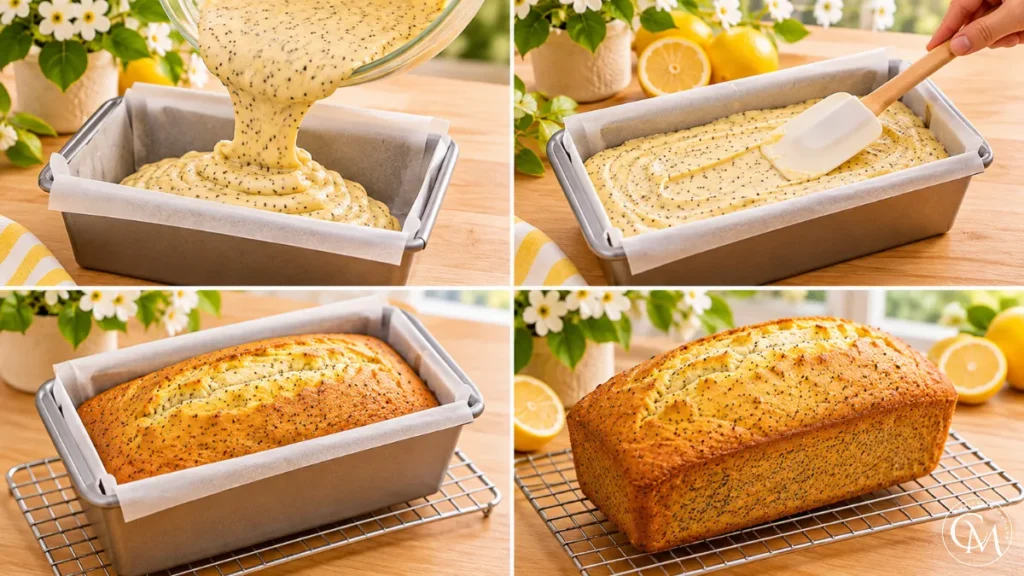
- Transfer the batter into your prepared loaf pan.
- Spread the batter evenly with a spatula, then give the pan a few light taps on the counter to remove any trapped air.
- Bake for 45–55 minutes, checking earlier if using a larger loaf pan.
- Your lemon and poppy seed cake is ready when the top appears golden and a toothpick inserted into the center comes out clean or with a few moist crumbs.
- Wet batter means it needs additional baking time.
- If the surface browns too quickly, loosely cover it with aluminum foil.
- Leave the freshly baked cake in its pan for about 10 to 15 minutes, then carefully move it onto a cooling rack.
- Texture tip: Avoid repeatedly opening the oven door during the first 30 minutes. Temperature fluctuations can interfere with rising.
Step 5: Finish With a Fresh Lemon Glaze
- Stir the powdered sugar and one tablespoon of fresh lemon juice together until they form a smooth glaze.
- Add additional juice gradually until the glaze becomes smooth and pourable.
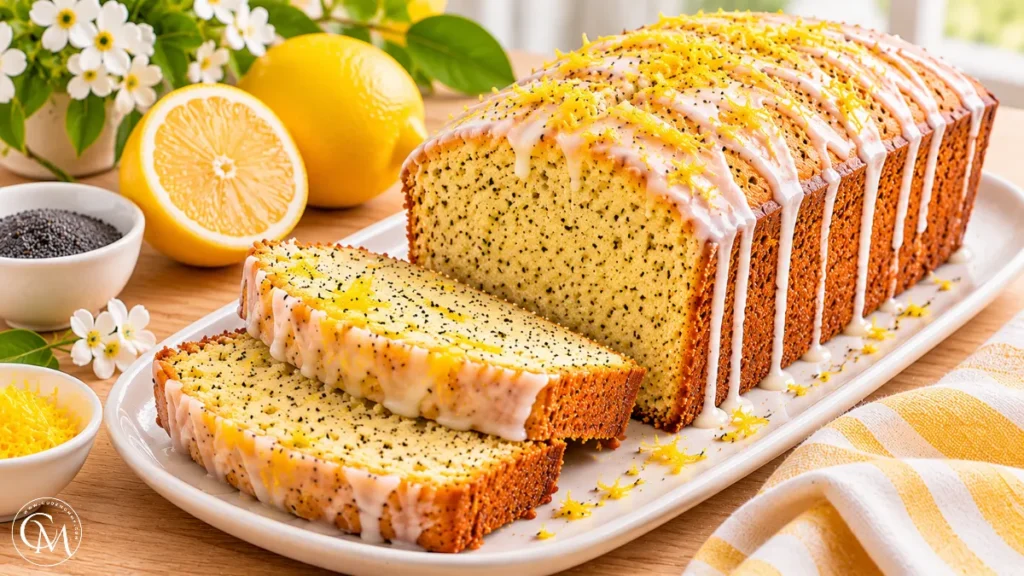
- Allow your cake to reach room temperature before pouring the tangy lemon glaze over the top.
- Applying glaze to a warm cake causes it to melt and disappear into the crumb.
- For a beautiful finishing touch, sprinkle a little fresh lemon zest over the glaze.
- Give the lemon glaze about 10 minutes to firm up before cutting the cake into slices.
- Your homemade poppy seed cake should have a tender interior, delicate crunch, and refreshing lemon finish.

Nutritional Information
The following values are approximate and based on dividing the glazed cake into 10 equal slices.
| Nutrient | Per Slice |
|---|---|
| Calories | 280 kcal |
| Carbohydrates | 37 g |
| Protein | 5 g |
| Total fat | 13 g |
| Saturated fat | 8 g |
| Sugar | 23 g |
| Fiber | 1 g |
- Actual nutritional values depend on ingredient brands, substitutions, glaze quantity, and portion size.
- This poppy seed cake is intended as an enjoyable dessert rather than a nutritionally complete meal.
- Serving smaller portions or reducing the glaze can help moderate the amount of added sugar without sacrificing its signature lemon flavor.
Healthier Alternatives
- You can adapt this easy poppy seed cake to accommodate different dietary preferences while preserving its appealing texture.
- Lower-sugar version: Reduce the granulated sugar to ½ cup (100 g) and use a lighter drizzle of glaze. Expect slightly less moisture and browning.
- Whole-grain option: Replace ¼ cup of all-purpose flour with whole wheat pastry flour for additional fiber and a mild nutty flavor.
- Dairy-free alternative: Use plant-based butter and unsweetened dairy-free yogurt. Choose products suitable for baking.
- Gluten-free option: Substitute a reputable 1:1 gluten-free baking flour blend containing an appropriate binder. Baking times and texture may vary.
- Kid-friendly version: Bake the batter in lined muffin cups, checking for doneness after approximately 18–22 minutes.
- For older adults who prefer softer desserts, serve a thin, tender slice without a thick glaze.
- These adjustments make the recipe more flexible without promising identical results from every substitution.
Serving Suggestions
- A freshly sliced lemon and poppy seed cake makes an inviting centerpiece for simple gatherings.
- For afternoon tea, serve slightly warm slices alongside Earl Grey or chamomile tea.
- For weekend brunch, pair the cake with fresh strawberries, raspberries, or blueberries. Their natural sweetness complements the tangy lemon glaze.
- Want an elegant dessert? Add a spoonful of lightly whipped cream and a few fresh berries.
- During summer, serve chilled slices with unsweetened iced tea for a refreshing treat.
- For a casual gathering, cut the poppy seed cake into smaller portions and arrange them on a platter with lemon wedges and edible decorations.
- My favorite serving advice is simple: allow the cake to reach room temperature before eating. Its buttery texture and citrus aroma are especially pleasant when it isn’t refrigerator-cold.
Common Mistakes to Avoid
Even an easy poppy seed cake can go wrong when small baking details are overlooked.
1. Using Too Much Flour
- Scooping directly into a measuring cup can pack in excess flour.
- Instead, spoon flour into the cup and level it, or weigh 190 g for greater consistency.
2. Overmixing the Batter
- Excessive mixing encourages gluten development and can produce a dense crumb.
- Mix only until the flour disappears.
3. Using Cold Butter
- Cold butter doesn’t cream effectively with sugar.
- Allow it to soften until it yields gently when pressed but isn’t melted.
4. Overbaking
- Even five extra minutes can affect moisture, especially in a hot oven.
- Start checking early and remove the cake when a tester shows a few moist crumbs.
5. Adding Glaze Too Soon
- Warm cake makes powdered sugar glaze melt.
- Cool your lemon and poppy seed cake completely for a neat, attractive finish.
Storing Tips for the Recipe
- Proper storage helps maintain the soft texture of your homemade poppy seed cake.
- Room temperature: Store in an airtight container for up to 2 days in a cool environment.
- Refrigerator: Keep refrigerated for up to 5 days, particularly in warm or humid conditions.
- Freezer: Wrap individual unglazed slices tightly and freeze for up to 3 months for best quality.
- Thaw frozen slices overnight in the refrigerator or at room temperature for a short period before serving.
- For make-ahead preparation, combine the dry ingredients in advance and refrigerate the lemon zest separately.
- Mix the batter immediately before baking for the best rise.
- This is the kind of cake that earns a regular place in a baking rotation because it uses familiar ingredients, keeps well, and works beautifully for both everyday snacks and special occasions.
Conclusion
A delicious lemon and poppy seed cake doesn’t have to be complicated. With fresh lemon zest, creamy Greek yogurt, softened butter, and careful mixing, you can create a tender homemade dessert that rivals many bakery-style cakes. The five straightforward steps make this recipe approachable for beginners while offering practical techniques experienced bakers can appreciate.
Remember that accurate measuring, avoiding overmixing, and checking for doneness early are the biggest factors in maintaining moisture. Whether you’re baking for your family, planning afternoon tea, or preparing a weekend treat, this easy poppy seed cake brings bright citrus flavor and comforting homemade goodness to the table.
Try the recipe, experiment with your favorite serving ideas, and share your results in the comments. Leave a review to help other home bakers, and subscribe for more simple, reliable recipes and useful kitchen tips.
FAQs
1. How do you keep lemon and poppy seed cake moist?
Use room-temperature ingredients, add Greek yogurt, measure flour accurately, and avoid overbaking. Store the cooled cake in an airtight container to preserve its tender texture.
2. Can I make poppy seed cake without yogurt?
Yes. Replace the Greek yogurt with an equal amount of sour cream or plain dairy-free yogurt. These alternatives provide moisture, although the finished texture may differ slightly.
3. Should poppy seeds be soaked before baking?
No. Poppy seeds can be added directly to the dry ingredients. Soaking isn’t necessary for this recipe, and dry seeds provide the delicate crunch associated with traditional lemon cakes.
4. Can I use bottled lemon juice instead of fresh lemons?
Bottled lemon juice can replace the juice, but fresh lemons are preferable because their zest contains aromatic oils that create a much brighter citrus flavor.
5. Why is my lemon poppy seed cake dense?
Common causes include excessive flour, overmixing, expired baking powder, or insufficient creaming of butter and sugar. Check measurements and mixing techniques before adjusting the recipe.
6. Can I freeze lemon and poppy seed cake?
Absolutely. Cool the cake completely, wrap individual slices tightly, and freeze for up to three months. For the best appearance, add fresh lemon glaze after thawing.
7. Can I bake this recipe in a round cake pan?
Yes. An 8-inch round pan can work, although baking time will change. Begin checking around 30 minutes and rely on the toothpick test rather than timing alone.
Tried it before ?
There are no reviews yet. Be the first one to write one.