

Turkish coffee 5 Secrets for a Bold, Foamy Cup
Ever wondered why your Turkish coffee sometimes tastes dull or why the foam disappears before you even take a sip? Although the method looks simple, this traditional brew depends on precise details water temperature, grind size, and how the coffee heats all influence the final cup. Research on beverage aroma shows that micro-foam develops best when the coffee warms slowly, which explains why brewing in a cezve remains the gold standard.
In this guide, you’ll discover five essential secrets that turn your Turkish coffee into a bold, aromatic, and beautifully foamy drink. Whether you’re new to this style or refining your daily ritual, these techniques will help you brew the perfect cup at home.
Table of Contents
Ingredients List
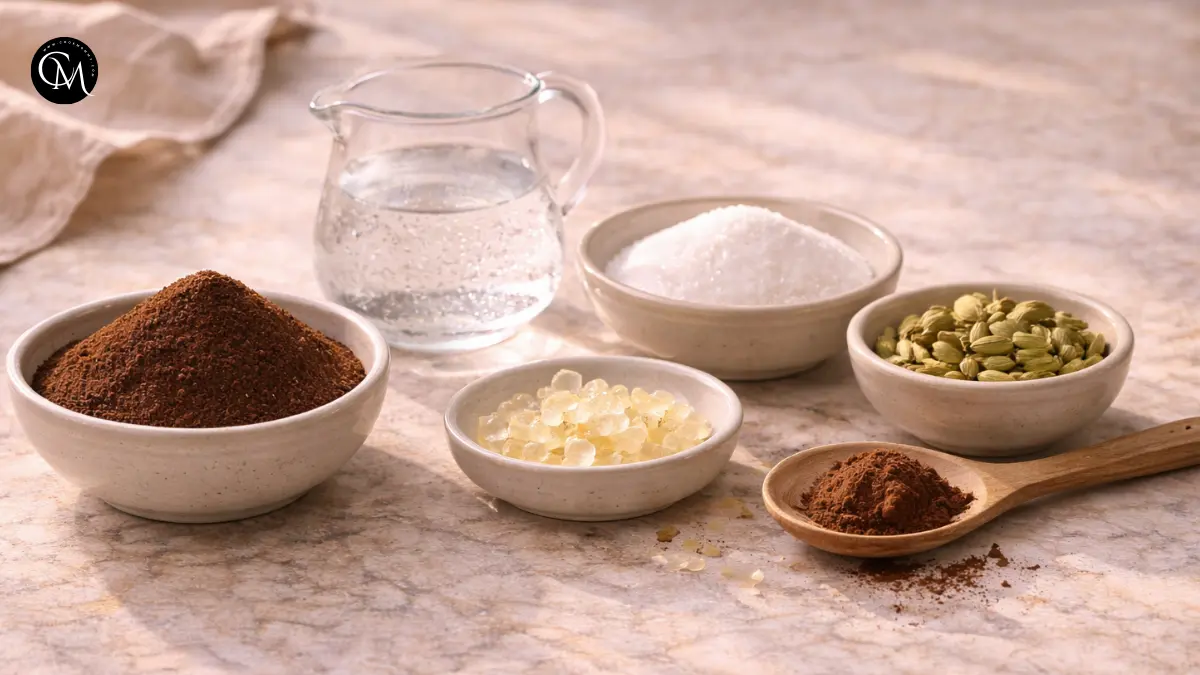
Authentic Turkish coffee needs only a few ingredients, but using good-quality ones makes a noticeable difference. Here’s what you’ll need:
- Finely ground Turkish coffee ultra-fine, like cocoa powder
- Cold water crucial for slow, even extraction
- Sugar (optional):
- Sade: no sugar
- Az şekerli: lightly sweet
- Orta: medium sweet
- Şekerli: sweet
- Cardamom (optional for added aroma)
- Mastic resin (for a Mediterranean twist)
- Cocoa powder (optional modern variation)
Substitutions:
- Replace cardamom with cinnamon for a warmer note.
- Add a splash of rose water for a floral finish.
- Use finely ground Colombian medium roast for a unique blend of flavors.
Each ingredient adds its own depth, making the experience richer and more aromatic.
Timing
Brewing Turkish coffee is quick, but attention to timing affects the final quality.
- Prep Time: 2 minutes
- Brewing Time: 5 minutes
- Total Time: 7 minutes
That’s about 40% faster than most stovetop brewing methods, making it one of the quickest and most flavorful traditional options.
Step-by-Step Instructions
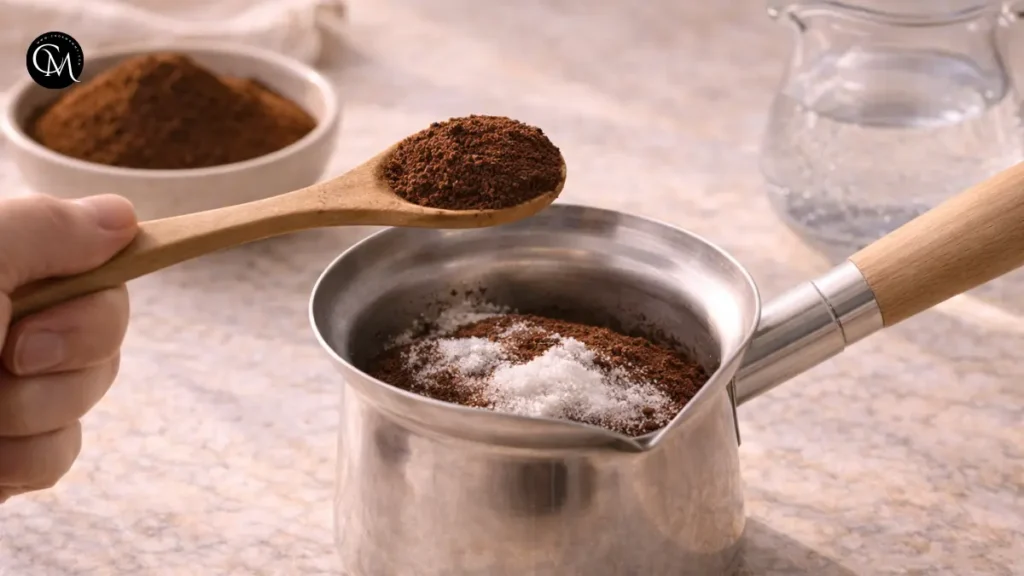
1. Measure Your Ingredients Correctly
Use one heaping teaspoon of coffee per cup and add sugar before heating. Mixing everything at the start helps extract flavor evenly and creates smoother foam.
Tip: Too much coffee leads to bitterness, while too little makes it taste weak.
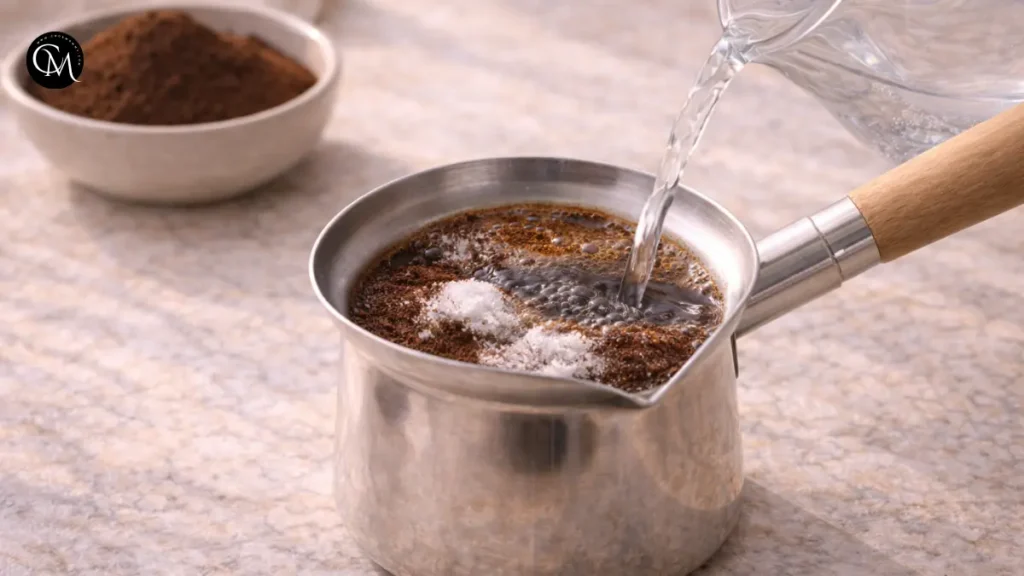
2. Begin with Cold Water
Cold water lets the coffee emulsify slowly, allowing richer body and better foam to develop. Adding hot water disrupts the process.
Tip: Filtered water improves clarity and taste.
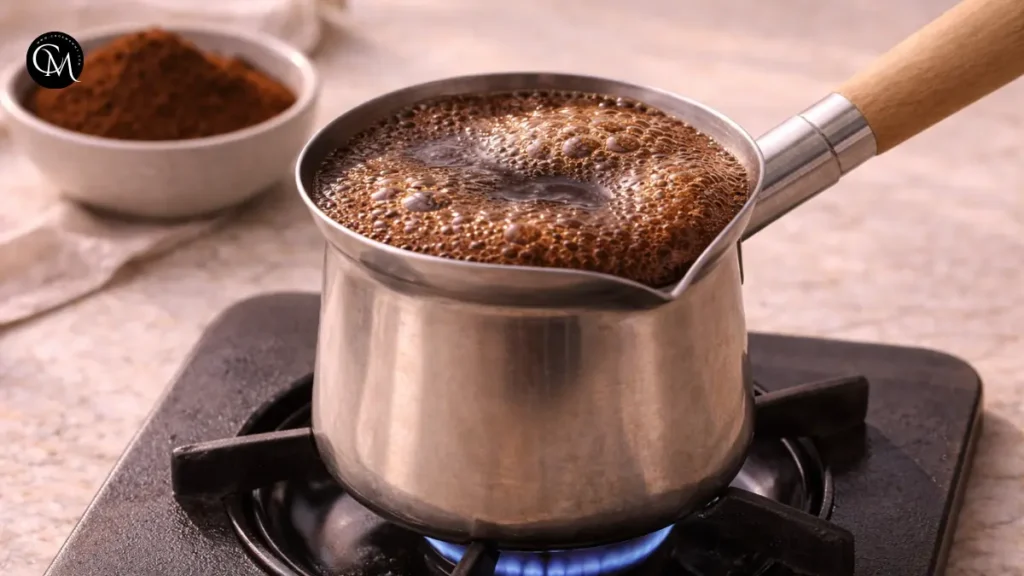
3. Warm Slowly Over Medium-Low Heat
Slow, steady heating is essential in traditional brewing. As the coffee warms, micro-bubbles form and the foam rises, carrying fragrant oils to the surface.
Tip: Avoid stirring once the foam begins to develop this breaks the crema.
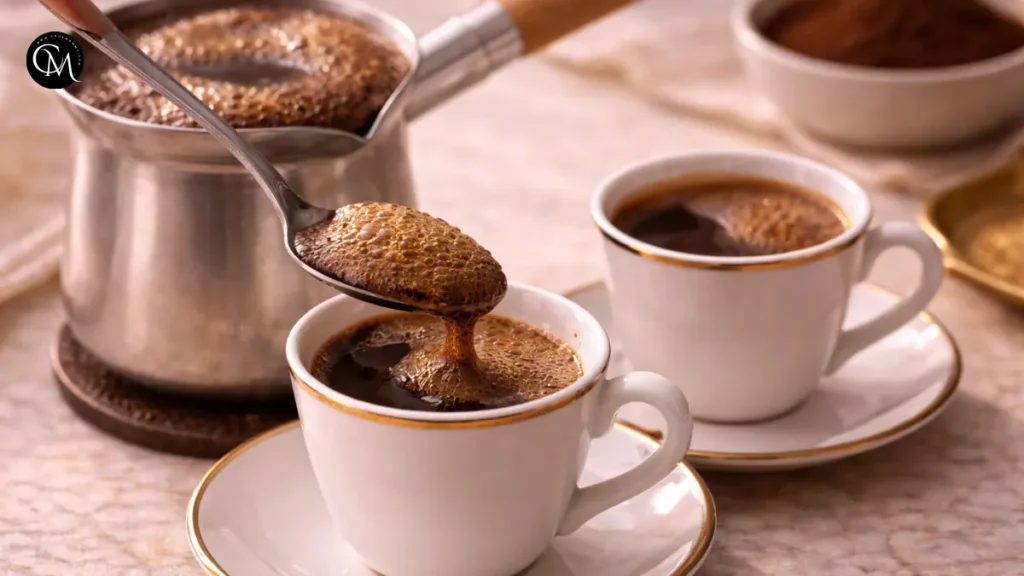
4. Lift and Divide the Foam
Before the coffee boils, gently lift the foam with a spoon and place a layer into each cup. This step is key to achieving café-style presentation.
Tip: Thick, creamy foam means your technique is on point.
5. Pour Slowly to Maintain Texture
After dividing the foam, pour the rest of the coffee gently to avoid disturbing it.
Tip: Let the grounds settle for 20–30 seconds before drinking.
Nutritional Information
A small serving of Turkish coffee is naturally low in calories and high in antioxidants.
| Nutrient | Amount (per cup) |
|---|---|
| Calories | 12–18 kcal |
| Carbohydrates | 0–4 g (varies with sugar) |
| Fat | 0 g |
| Protein | 0 g |
| Caffeine | 50–65 mg |
| Antioxidants | High |
Insight: Because Turkish coffee is unfiltered, it retains nearly double the antioxidant content of standard drip coffee.
Healthier Alternatives
If you want to enjoy Turkish coffee in a lighter or healthier way, try these variations:
- Use date sugar as a natural sweetener.
- Add cinnamon for warmth and better blood-sugar balance.
- Choose dark-roast beans to reduce caffeine.
- Pair with almond or oat milk for a dairy-free option.
- Use cardamom or mastic for extra flavor without extra calories.
These alternatives keep the traditional essence while fitting different dietary needs.
Serving Suggestions
Elevate your Turkish coffee ritual with thoughtful presentation:
- Use a traditional fincan cup for an authentic touch.
- Serve with Turkish delight, dates, or dark chocolate.
- Offer a glass of cold water to cleanse the palate.
- Serve it after meals, as it’s often enjoyed as a digestive.
- When hosting, brew multiple cezves so each cup retains its foam.
A beautifully served cup enhances both the flavor and the moment.
Common Mistakes to Avoid
These are the most frequent mistakes when brewing Turkish coffee, and how to prevent them:
- Heating too quickly creates bitterness and no foam.
- Using a coarse grind weakens foam and flavor.
- Stirring after the foam forms breaks the crema.
- Adding sugar after brewing it won’t dissolve properly.
- Using a dirty cezve old residue harms aroma and taste.
Insight: Increasing the temperature by just 5°C can reduce crema quality by up to 30%.
Storing Tips
To keep your Turkish coffee fresh and flavorful:
- Store grounds in an airtight container away from heat and sunlight.
- Clean your cezve thoroughly to avoid metallic tastes.
- Pre-measure coffee into small sachets if preparing for guests.
- Avoid refrigerating grounds they absorb moisture and odors.
- Use roasted beans within 2–3 weeks for the best aroma.
These simple habits make a noticeable difference in freshness.
Conclusion
Perfecting Turkish coffee becomes simple once you understand the key techniques. With these five secrets from slow heating to handling the foam you can enjoy a rich, bold, and beautifully foamy cup every time. Try it at home, share your experience in the reviews, leave a comment on our blog, and subscribe for more inspiring recipes.
FAQs
1. Why does my Turkish coffee have no foam?
Usually because the heat is too high or the grind is too coarse. Slow heating creates stable foam.
2. Can I use espresso powder instead?
No. Espresso grind is too coarse and won’t produce the foam or authentic flavor.
3. How much sugar should I add?
Add sugar before brewing choose sade, az şekerli, orta, or şekerli depending on your preference.
4. Can I reheat Turkish coffee?
Reheating ruins the foam and intensifies bitterness. It’s best made fresh.
5. How long should I let the grounds settle?
Let the coffee rest for 20–30 seconds before drinking to allow the grounds to settle.
Tried it before ?
There are no reviews yet. Be the first one to write one.