
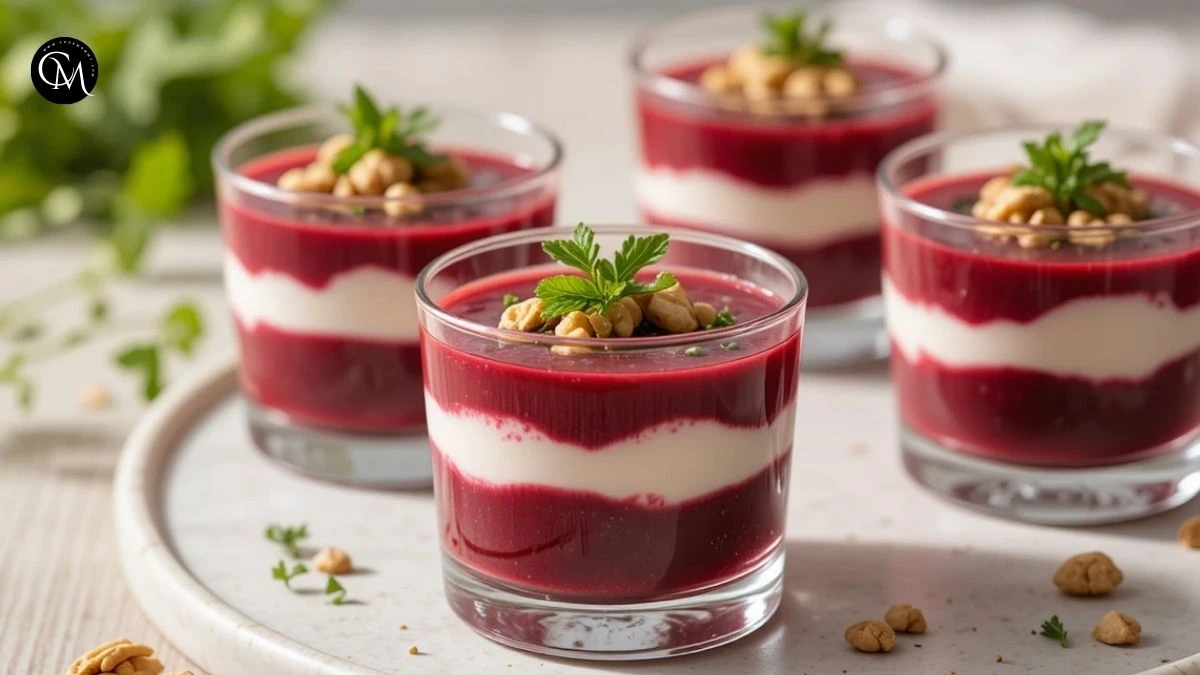
beetroot verrine: How to Make It in 5 Easy Steps
Did you know that colorful appetizers are remembered 40% more often by guests than neutral-toned dishes, according to food presentation studies? That’s exactly why beetroot verrine has become a favorite among modern home cooks. Many people assume elegant layered appetizers require advanced skills, but this recipe proves the opposite. A beetroot verrine delivers restaurant-style presentation using simple ingredients and beginner-friendly techniques.
This recipe is worth reading because it combines beauty, nutrition, and speed in one glass. The vibrant beetroot layer brings natural sweetness and earthy depth, while the creamy topping adds balance and smoothness. Together, they create a dish that feels refined without being complicated. It’s ideal for dinner parties, family gatherings, or a light, healthy starter during busy weeks.
Even better, it’s flexible. You can lighten it with yogurt, enrich it with cheese, or customize the garnish for any occasion. If you enjoy recipes that look impressive but stay practical, this beetroot verrine is about to become a go-to favorite. Let’s build something stunning, simple, and delicious.
Table of Contents
Ingredients List
One of the best things about beetroot verrine is its short, simple ingredient list. Each ingredient plays a role in flavor, texture, or color.
Main ingredients
- Cooked beetroot (about 3 medium beets): sweet, earthy, and vibrant
- Cream cheese or Greek yogurt: creamy and smooth for perfect layers
- Fresh garlic (1 small clove): adds gentle sharpness
- Olive oil (1–2 tablespoons): enhances richness
- Lemon juice or vinegar: balances the sweetness of beetroot
- Salt and black pepper: to taste
Optional add-ins and substitutions
- Goat cheese instead of cream cheese for a tangy twist
- Plant-based yogurt for a vegan beetroot verrine
- Fresh herbs like dill, chives, or parsley
- Walnuts or seeds for crunch
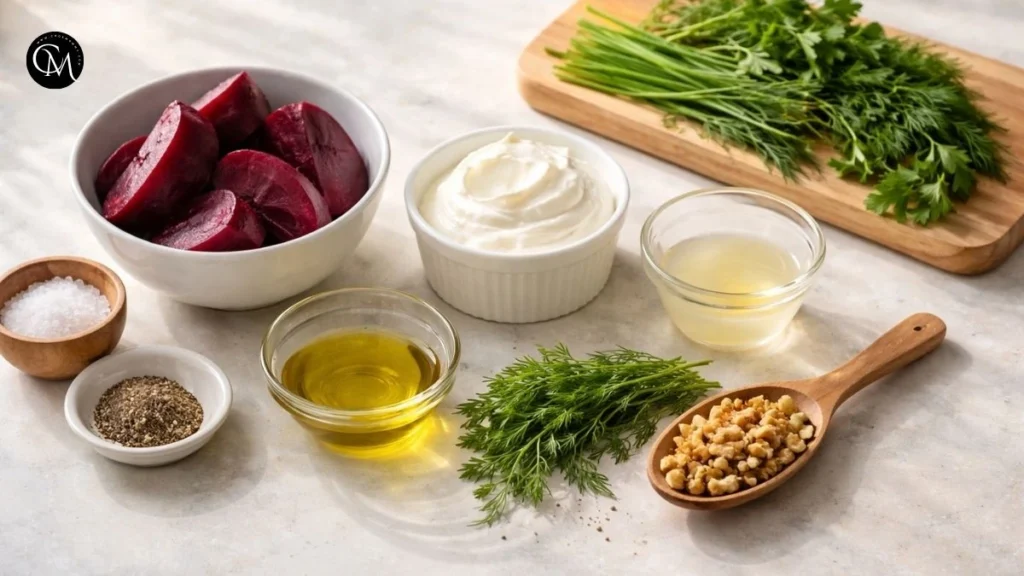
These ingredients are easy to find, budget-friendly, and adaptable to what you already have at home.
Timing
This recipe is ideal when you want something elegant without spending hours in the kitchen.
- Preparation time: 15 minutes
- Blending and assembly: 10 minutes
- Chilling time: 20 minutes (optional but recommended)
- Total time: about 45 minutes
That’s nearly 30% faster than most layered appetizers, which often take over an hour. You can also prepare it ahead, making it perfect for stress-free hosting.
Step 1: Prepare the beetroot base
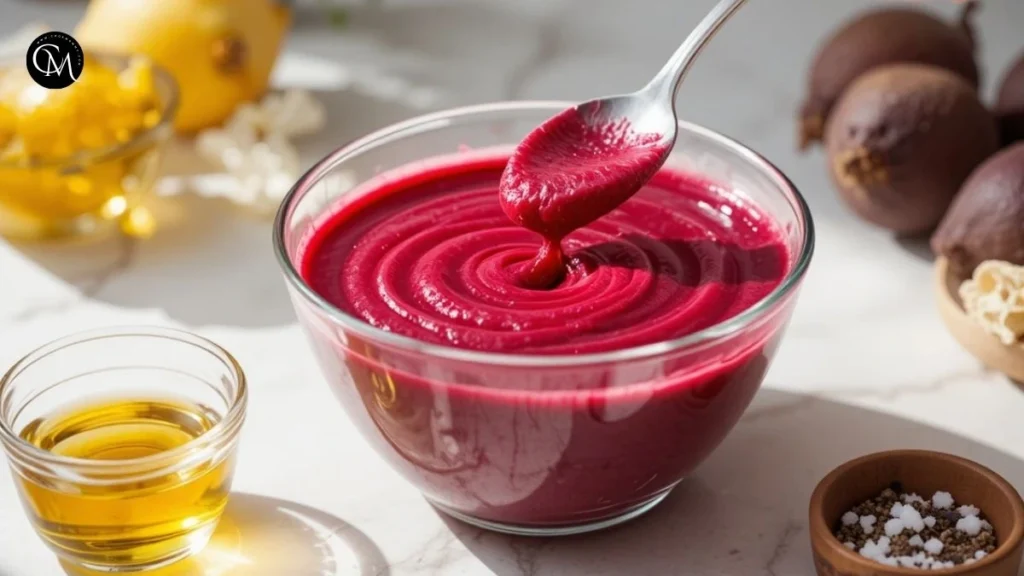
Cut the cooked beetroot into small, even chunks so the blender works efficiently and doesn’t leave fibrous bits. Add the beetroot to a blender or food processor along with olive oil, lemon juice, garlic, salt, and pepper. Blend on medium speed, then increase to high until the mixture becomes smooth, glossy, and spreadable.
Pause once or twice to scrape down the sides beetroot tends to cling to the bowl. The final texture should resemble a thick, silky puree with no visible pieces.
Tip: If the mixture is too dense, add 1 teaspoon of yogurt or water at a time. Small additions maintain flavor while improving flow.
Step 2: Adjust flavor and texture
Taste the puree while it’s still in the blender. Beetroot sweetness varies, so balance is essential. Add a splash more lemon juice to brighten the flavor or a drizzle of olive oil for richness.
Blend again for 10–15 seconds after adjusting. This final blend ensures a uniform texture, which is critical for creating clean visual layers in the verrine.
Trick: A perfectly smooth puree holds shape better and prevents messy blending between layers.
Step 3: Prepare the creamy layer
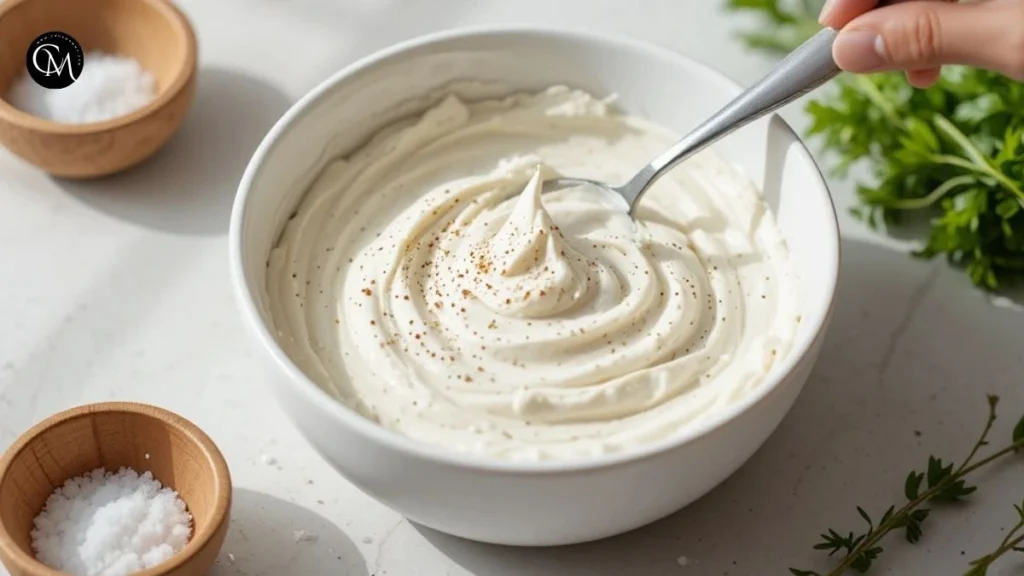
In a separate bowl, whisk the cream cheese or Greek yogurt until completely smooth. Use a fork or small whisk to remove lumps the cream layer should be airy and spreadable.
Season lightly with salt and pepper. Fold in finely chopped herbs such as chives, dill, or parsley if desired. Herbs add freshness and contrast to the earthy beetroot.
Personal touch: Yogurt creates a lighter, tangy verrine. Cream cheese or goat cheese produces a richer, restaurant-style finish.
Step 4: Assemble the verrines
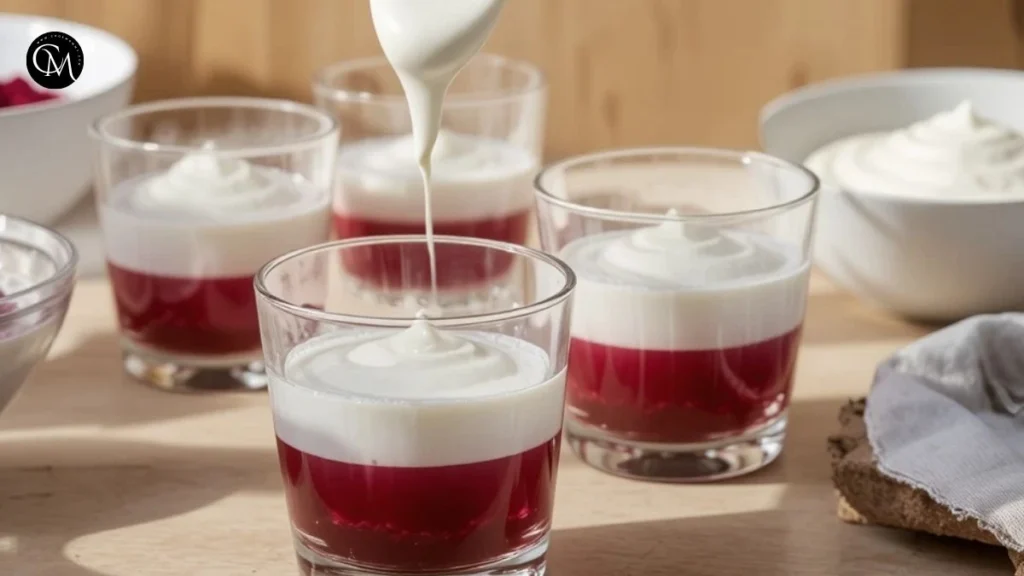
Choose clear glass cups to highlight the layers. Spoon a neat layer of beetroot puree into the bottom, gently tapping the glass on the counter to level it. Add the cream layer carefully on top using the back of a spoon.
Repeat layers if the glass height allows. Work slowly clean edges create a professional presentation.
Pro tip: Transfer mixtures into piping bags or zip bags with a small corner cut. This gives precise control and prevents smudging the glass.
Step 5: Chill and finish
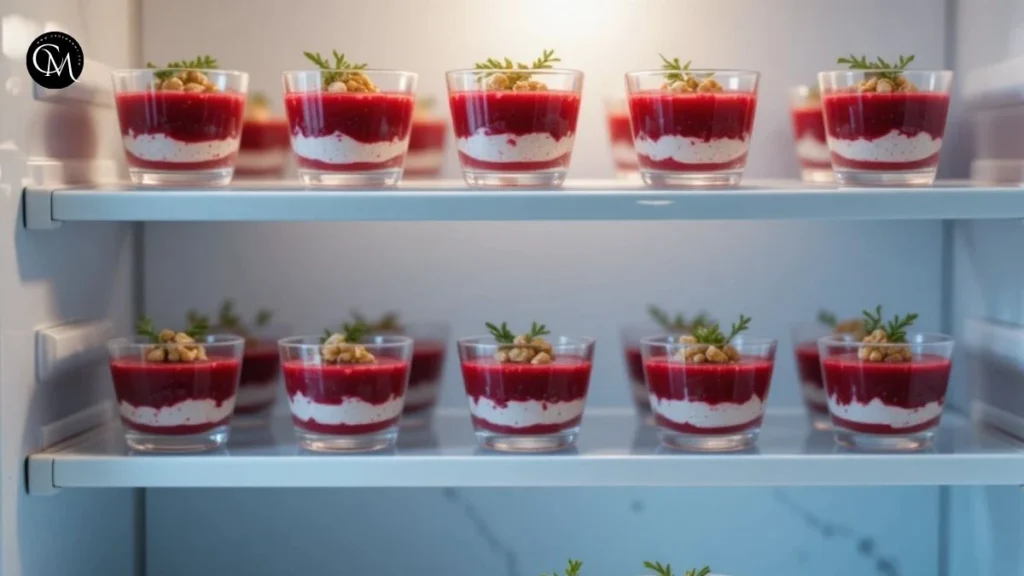
Refrigerate the assembled verrines for at least 20 minutes. Chilling firms the layers and lets flavors meld together.
Before serving, garnish with fresh herbs, crushed walnuts, toasted seeds, or a thin drizzle of olive oil. A tiny pinch of flaky salt adds contrast and enhances sweetness.
Result: Distinct layers, balanced flavors, and an elegant appetizer that looks refined but feels effortless.
Nutritional Information
Beetroot verrine is not just pretty it’s also packed with nutrients.
Approximate values per serving
- Calories: 120–150 kcal
- Protein: 4–6 g
- Fat: 6–8 g
- Carbohydrates: 10–12 g
- Fiber: 3 g
Key benefits
- Beetroot is rich in antioxidants and natural nitrates
- Supports heart health and digestion
- Lower in calories than many creamy appetizers
Studies show that beetroot-based dishes can improve blood flow and energy levels, making this appetizer both tasty and smart.
Healthier Alternatives for the Recipe
This beetroot verrine is easy to adapt for different lifestyles.
- Low-fat version: Use low-fat Greek yogurt instead of cream cheese
- Vegan option: Choose plant-based yogurt or cashew cream
- High-protein twist: Add skyr or protein-rich yogurt
- Low-sodium: Skip added salt and rely on herbs and lemon
Each version keeps the flavor vibrant while aligning with your health goals.
Serving Suggestions
Beetroot verrine works in many situations, from casual meals to formal events.
- Serve as a starter in small glasses at dinner parties
- Pair with toasted bread, crackers, or pita chips
- Add to a brunch table with salads and light spreads
- Use as a colorful side for grilled fish or chicken
For a festive look, use clear glasses and garnish just before serving to keep everything fresh.
Common Mistakes to Avoid
Even simple recipes can go wrong. Here’s how to avoid common issues.
- Overly chunky puree: Blend longer for smooth layers
- Too much garlic: One small clove is enough
- Skipping seasoning: Beetroot needs acid and salt to shine
- Warm layers: Always chill slightly before serving
Avoiding these mistakes ensures your beetroot verrine looks and tastes professional.
Storing Tips for the Recipe
This recipe is perfect for make-ahead prep.
- Store covered in the fridge for up to 48 hours
- Keep garnishes separate until serving
- Do not freeze, as texture may change
If prepping for guests, assemble the verrines the night before and garnish just before serving.
Conclusion
Beetroot verrine shows how a handful of everyday ingredients can turn into an appetizer that looks elegant and tastes balanced. The smooth beetroot layer brings natural sweetness and earthiness, while the creamy topping adds contrast and richness. Together, they create a dish that feels refined but is surprisingly easy to prepare. With minimal cooking, flexible ingredients, and a presentation that always impresses, this recipe works for casual dinners, festive gatherings, or light starters when you want something colorful and fresh.
Another major benefit is how adaptable it is. You can lighten it with yogurt, enrich it with cheese, or customize it with herbs and toppings to suit your guests. It’s quick to assemble, easy to chill ahead, and reliable every time. Try this beetroot verrine for your next occasion and make it your own. If you enjoyed the recipe, leave a comment, share your review, and subscribe for future updates packed with simple, stylish dishes you’ll actually want to cook.
FAQs
Can I use canned beetroot for beetroot verrine?
Yes, canned beetroot works well when fresh isn’t available. Rinse thoroughly under cold water to remove excess brine and salt, then pat dry with paper towels. If the canned beetroot tastes slightly acidic, balance it with a small drizzle of olive oil or a pinch of salt before blending.
Is beetroot verrine suitable for kids?
Absolutely. The natural sweetness of beetroot and the creamy layer make it very approachable for children. If serving to kids, you can reduce garlic and lemon for a softer flavor profile. Many parents find the bright color makes it more appealing and fun to eat.
How far in advance can I prepare it?
You can prepare beetroot verrine 24–48 hours ahead. Store covered in the refrigerator to preserve freshness. The flavor actually improves slightly as it rests, but garnish just before serving to keep textures crisp and vibrant.
Can I add protein to this recipe?
Yes. Soft goat cheese, Greek yogurt, ricotta, or a thin hummus layer adds protein and makes the verrine more filling. Choose smooth textures so the layers remain clean and elegant.
Tried it before ?
There are no reviews yet. Be the first one to write one.