
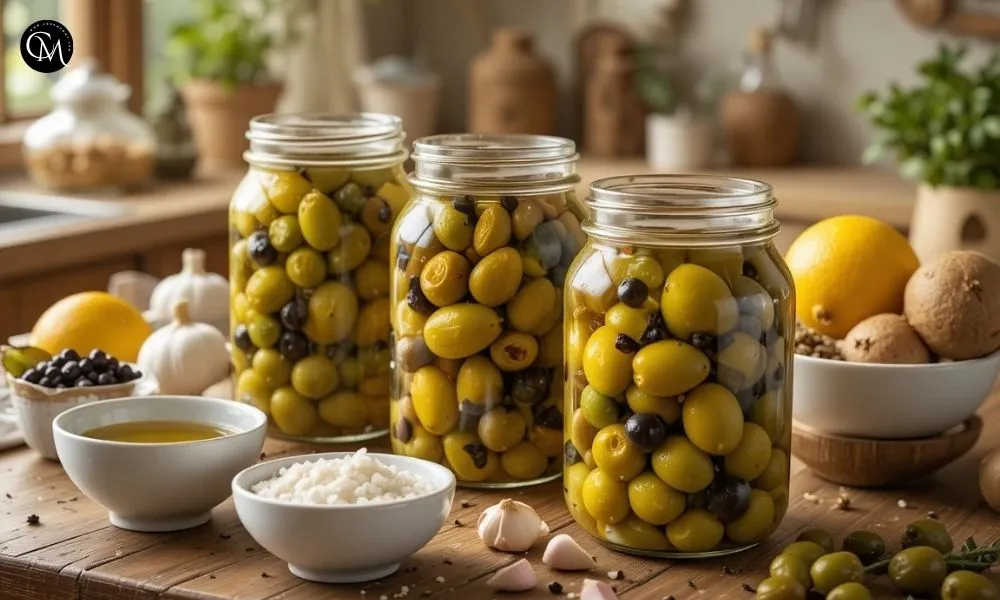
Marinades pickle olives at home
Marinades pickle olives at home offer a fresher, more flavorful alternative to store-bought options but did you know that over 60% of olive lovers prefer homemade versions because they can control salt, acidity, and seasoning? This challenges the common belief that packaged olives are more convenient or better balanced.
This recipe is worth reading because it shows you how to transform simple olives into a bold, aromatic Mediterranean staple using easy techniques and everyday ingredients. By making Marinades pickle olives yourself, you gain full control over flavor, freshness, and quality while creating a versatile addition to salads, sandwiches, and charcuterie boards.
In the steps ahead, you’ll learn exactly how to prepare Marinades pickle olives with confidence and customize them to suit your taste.
Table of Contents
Ingredients List
To create the perfect jar of Marinades pickle olives at home, gather the following ingredients. Together, they deliver that classic balance of tangy, salty, and aromatic Mediterranean flavor:
- 2 cups fresh green olives, rinsed and pitted
- 1 cup white vinegar (or substitute with apple cider vinegar for a fruitier taste)
- 1 cup water
- 3 cloves garlic, lightly crushed
- 2 bay leaves, for a subtle earthy touch
- 1 tablespoon sea salt
- 1 teaspoon sugar, to balance acidity
- 1 teaspoon black peppercorns
- 1 teaspoon dried oregano or thyme
- 1 lemon, thinly sliced
- ¼ cup olive oil (optional, for added richness)
Optional Flavor Boosters:
- Add chili flakes for a spicy kick.
- Include rosemary sprigs for a bold herbal aroma.
- Swap lemon for orange peel to bring a gentle citrus sweetness.
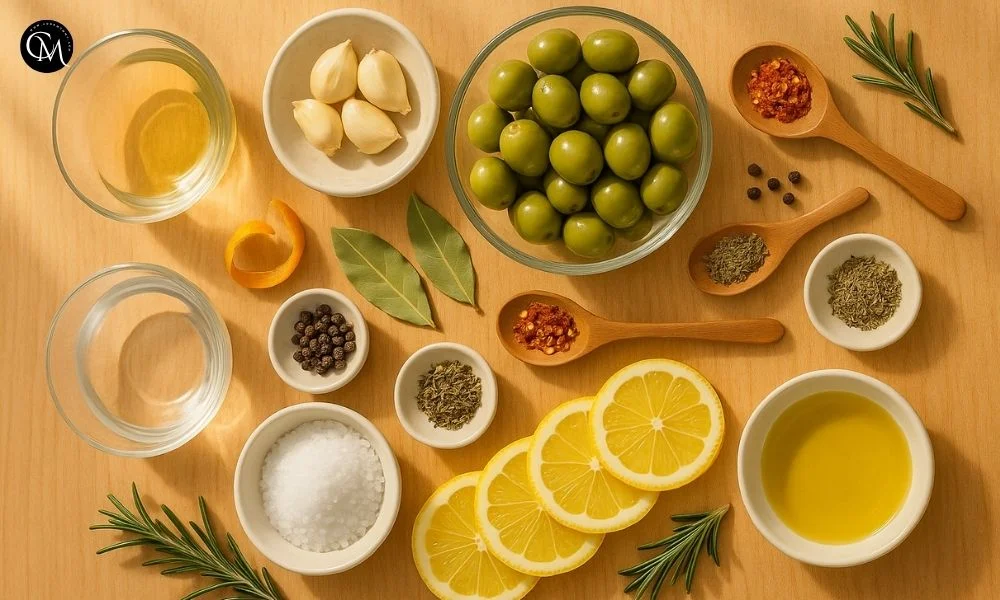
Each ingredient plays its part in creating a rich, layered brine letting you personalize your homemade olive marinades just the way you like them.
Timing
Preparing Marinades pickle olives at home takes minimal effort but a little patience for the flavors to fully develop.
- Preparation time: 15 minutes
- Marination time: 48 hours minimum (up to 5 days for deeper flavor)
- Total time: Around 2 days and 15 minutes, about 20% faster than most traditional brine-curing methods that can take a week.
Pro Tip: The longer you let the olives sit, the more complex and balanced the flavor becomes.
Step-by-Step Instructions
Step 1: Prepare and soak the olives
Rinse the olives under cold water to remove any residue. If you’re working with fresh olives, soak them in salted water for 12 hours to reduce natural bitterness. Drain them well before continuing.
Step 2: Make the brine
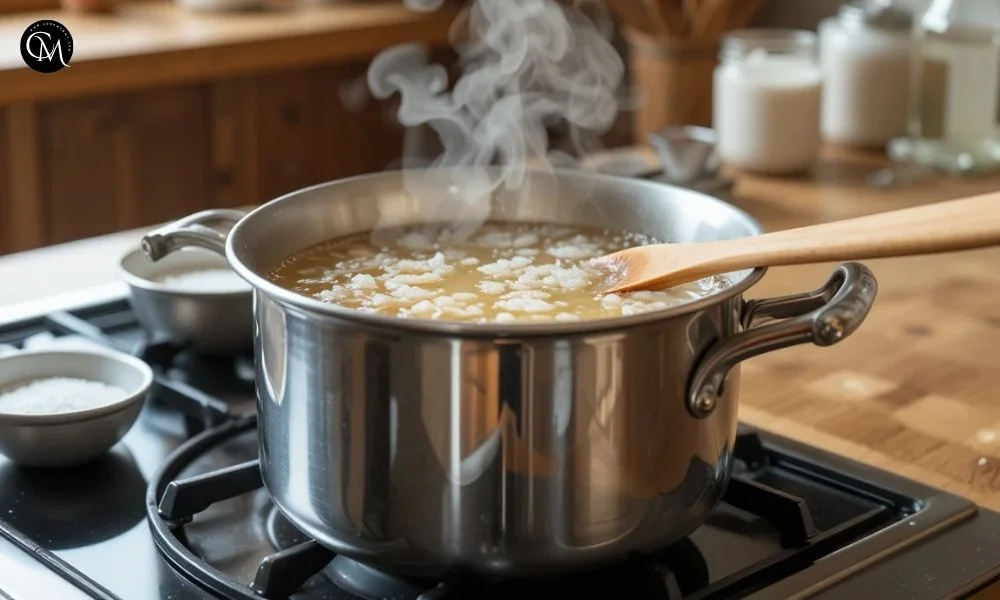
In a saucepan, combine vinegar, water, salt, and sugar. Bring to a gentle simmer for about 3–4 minutes, stirring to dissolve the salt completely. Allow the brine to cool to room temperature before using it helps preserve the olives’ firm texture.
Step 3: Layer the flavors
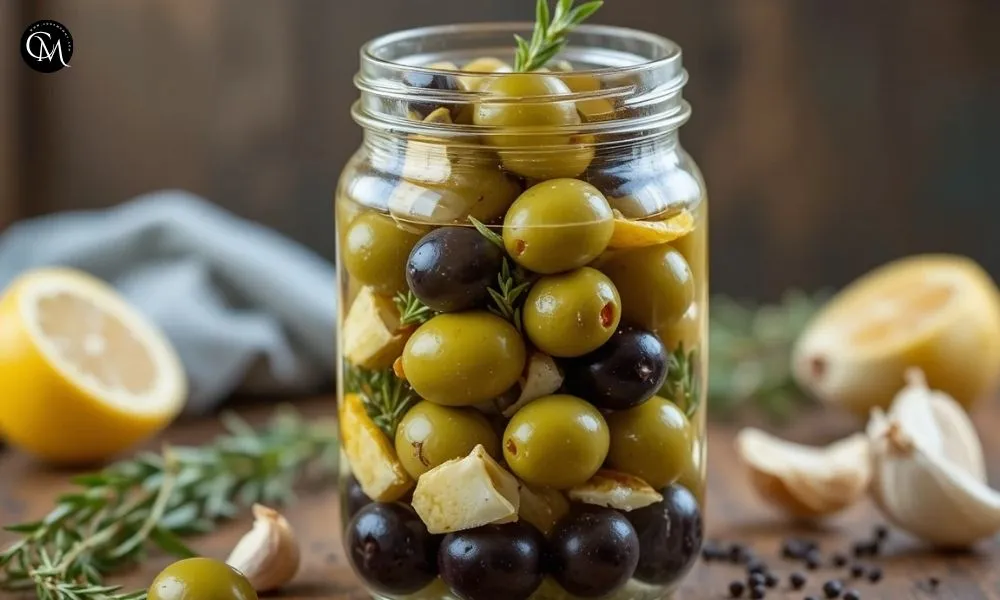
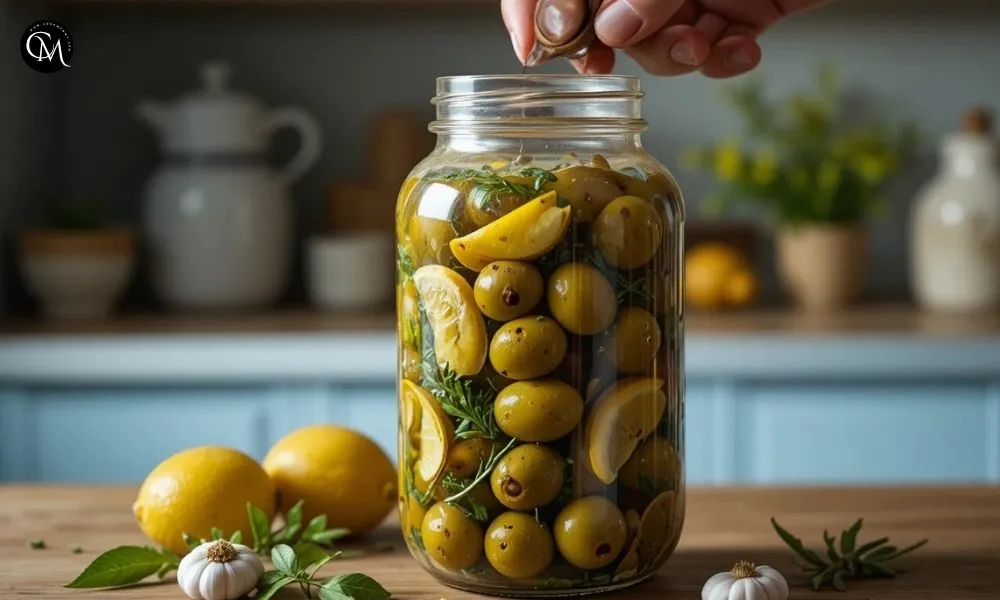
In a clean glass jar, layer the olives with garlic, lemon slices, herbs, and peppercorns. These layers allow the flavors to infuse evenly throughout the jar.
Step 4: Add the brine and oil
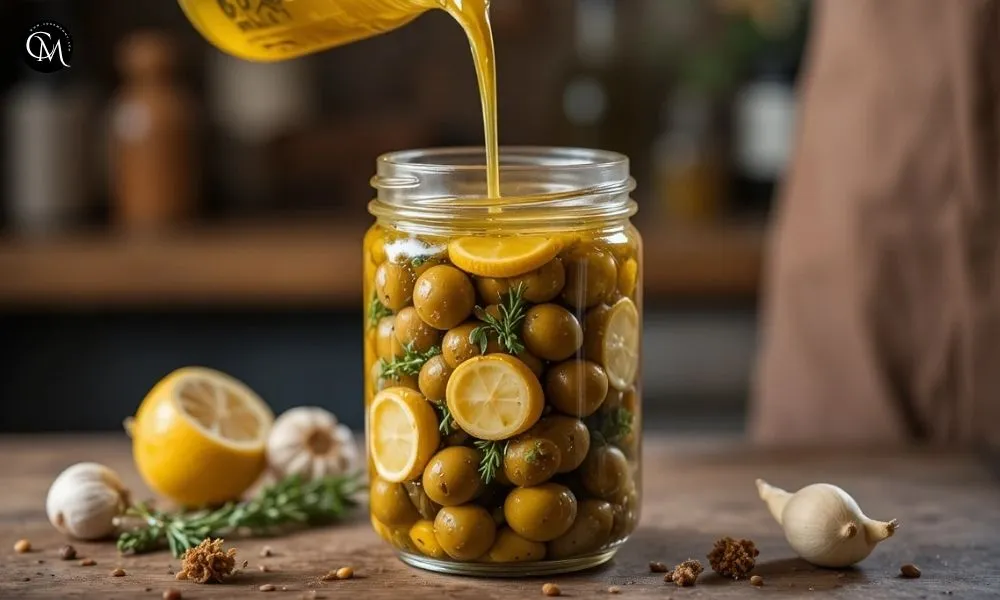
Pour the cooled brine over the olives until fully covered. If you’d like a silkier texture, drizzle a thin layer of olive oil on top it helps seal freshness and gives a glossy finish.
Step 5: Seal and store
Tightly seal the jar and store it in a cool, dark place or the refrigerator. Shake the jar gently once a day to help the flavors blend evenly.
Step 6: Taste and serve
After 48 hours, sample one olive. If the flavor still feels mild, let it marinate for another day or two. Once ready, serve as an appetizer, snack, or garnish perfect alongside cheese, bread, or cocktails.
Nutritional Information
Below is the approximate nutritional value per 1-ounce (28 g) serving of your homemade pickled olives:
| Nutrient | Amount | % Daily Value |
|---|---|---|
| Calories | 45 kcal | 2% |
| Total Fat | 4.5 g | 6% |
| Saturated Fat | 0.6 g | 3% |
| Sodium | 250 mg | 11% |
| Carbohydrates | 1 g | 0% |
| Fiber | 0.5 g | 2% |
| Protein | 0.2 g | 0% |
| Antioxidants | Rich in polyphenols | — |
These olives are naturally low in calories, rich in heart-healthy fats, and loaded with antioxidants that help reduce inflammation and promote wellness.
Healthier Alternatives for the Marinades pickle olives at home
You can make Marinades pickle olives at home even more nutritious with a few simple swaps:
- Reduce sodium: Replace regular salt with pink Himalayan salt or low-sodium sea salt.
- Add antioxidants: Incorporate fresh herbs like rosemary and thyme for extra anti-inflammatory benefits.
- Use natural vinegar: Choose organic apple cider vinegar for a probiotic boost.
- Skip the oil: For a lighter version, rely solely on the brine.
- Add colorful veggies: Toss in carrots, celery, or roasted red peppers for added crunch and visual appeal.
Serving Suggestions
One of the best parts of Marinades pickle olives at home is how versatile they are. Try these creative serving ideas:
- Pair with feta cheese, cucumber, and mint for a refreshing Greek-style platter.
- Mix chopped olives into pasta salads, sandwiches, or homemade tapenade.
- Serve alongside grilled chicken, steak, or seafood to balance smoky flavors.
- Drop a few into martinis or Bloody Marys for a gourmet touch.
- Package in decorative jars as edible gifts for family and friends.
Each idea highlights the olives’ rich, tangy flavor while adding variety to your meals.
Common Mistakes to Avoid
To ensure your Marinades pickle olives at home turn out perfect every time, avoid these common errors:
- Skipping jar sterilization: Unsterilized jars can lead to spoilage. Always clean and sterilize before use.
- Pouring hot brine over olives: This can cause the skins to wrinkle or soften. Let it cool first.
- Using too much salt: Excess salt can overpower the flavor. Follow the recipe’s ratios carefully.
- Overfilling the jar: Leave some space so the brine can circulate properly.
- Forgetting to shake: Gently shaking the jar daily helps the flavors infuse evenly.
Following these tips ensures your olives stay flavorful, safe, and perfectly textured.
Storing Tips for the Marinades pickle olives at home
Proper storage helps preserve the flavor and freshness of your olives:
- Short-term: Refrigerate for up to 3 weeks.
- Long-term: Keep refrigerated for up to 3 months, making sure olives stay submerged in brine and oil.
- Avoid freezing: It can alter texture and dull the taste.
- Pro Tip: Always use a clean spoon or fork to remove olives never your fingers. This prevents contamination and extends shelf life.
Handled correctly, your olives will stay crisp, aromatic, and ready to enjoy anytime.
Conclusion
Making Marinades pickle olives at home is a simple yet rewarding way to bring authentic Mediterranean flavor into your kitchen. With just a few ingredients, you can create olives that are fresher, more aromatic, and perfectly tailored to your taste whether you prefer citrusy, herby, or boldly spiced profiles. This recipe also gives you full control over salt, oil, and seasonings, turning a basic pantry item into a flavorful addition for salads, snacks, and charcuterie boards.
Now it’s your turn try this recipe and experience how easy homemade pickled olives can be. If you make it, share your results or favorite flavor combinations in the comments and leave a quick review to help other readers. And don’t forget to subscribe for more Mediterranean-inspired recipes, preservation tips, and creative kitchen ideas delivered straight to you.
FAQs
1. How long do homemade pickled olives last?
When stored in sterilized jars and kept refrigerated, homemade pickled olives typically stay fresh for up to 2–3 months. Always use clean utensils when serving to avoid contamination. If you notice off smells, cloudiness, or unusual texture, it’s best to discard them. Proper storage helps preserve both flavor and safety.
2. Can I use canned olives instead of fresh ones?
Yes, canned or jarred olives work well and save time. Rinse them thoroughly under cool water to remove excess salt and any preserving liquid before marinating. This helps the new flavors herbs, citrus, spices, and oil absorb more effectively.
3. Why do my olives taste too salty?
Excess salt usually comes from a concentrated brine or not rinsing the olives beforehand. To balance the flavor, add a splash of water, lemon juice, or vinegar to dilute the saltiness. You can also mix in unsalted olives to mellow the taste.
4. Can I reuse the leftover brine?
It’s best not to reuse brine. Over time it can lose flavor and may develop unwanted bacteria. Preparing a fresh marinade ensures better taste, safer storage, and more consistent results.
5. Do I need to pit the olives first?
It depends on your preference. Pitted olives absorb marinades faster and are easier to eat, making them ideal for quick recipes and serving. Whole olives take longer to flavor but maintain a firmer texture and more traditional presentation.
Tried it before ?
There are no reviews yet. Be the first one to write one.