
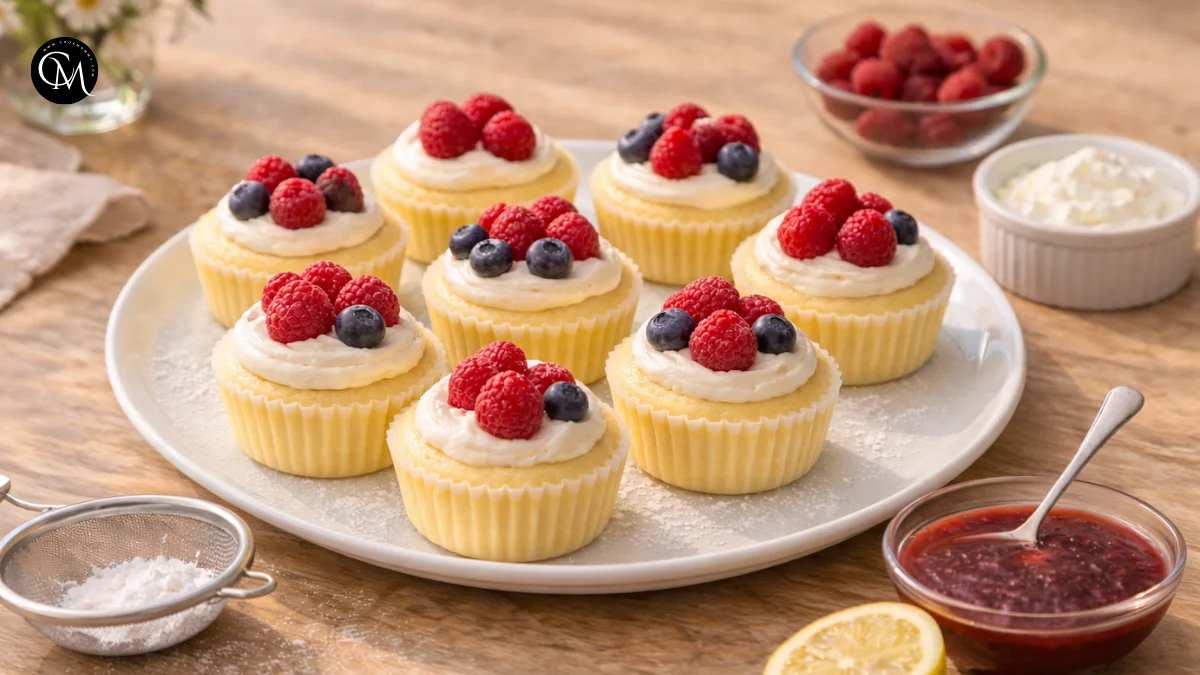
Mini Japanese Cheesecakes: 6 Easy Ways to Get a Light Crumb
Did you know that small-format desserts often bake more evenly than full-size cakes, which is one reason home bakers love them for soft, delicate textures? That matters a lot when you are making Mini Japanese Cheesecakes, because the goal is not just sweetness. It is that signature light crumb, airy lift, and tender bite that feels almost cloud-like.
These little Mini Japanese Cheesecakes are worth learning because they offer something different from dense New York-style cheesecake. They are softer, lighter, and far more delicate, with a subtle balance of cream cheese richness and sponge-cake fluffiness. They also feel special without being difficult. Once you understand a few key techniques, they become surprisingly reliable.
In this guide, I will walk you through the ingredients, timing, step-by-step method, nutrition, lighter swaps, serving ideas, common mistakes, storage, and the small kitchen habits that make the biggest difference. Whether you are baking for guests, a family treat, or a cozy weekend project, Mini Japanese Cheesecakes helps you get beautiful results at home.
Table of Contents
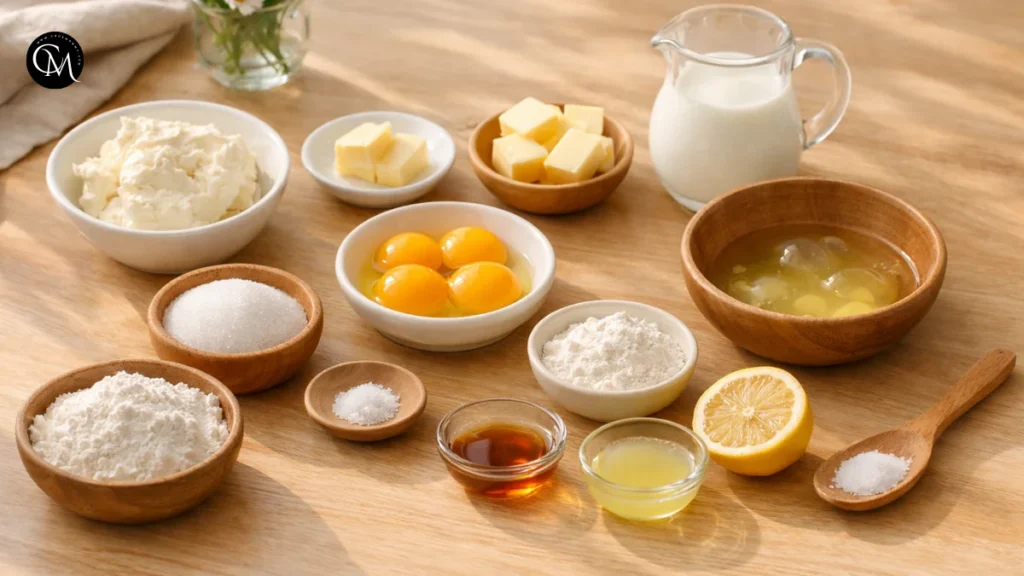
Ingredients List
Mini Japanese Cheesecakes makes 8 to 10 mini cheesecakes, depending on the size of your muffin pan or ramekins.
Main ingredients
- 200 g cream cheese, softened
- 30 g unsalted butter
- 100 ml milk
- 4 large eggs, separated
- 70 g granulated sugar, divided
- 60 g cake flour
- 15 g cornstarch
- 1 teaspoon vanilla extract
- 1 teaspoon lemon juice
- Pinch of salt
For the pan
- Cupcake liners or parchment strips
- Hot water for a water bath if needed
Optional toppings
- Powdered sugar
- Fresh berries
- Whipped cream
- Apricot glaze
- Strawberry sauce
Substitution ideas
- Cake flour: Use all-purpose flour with 1 tablespoon removed and replaced by 1 tablespoon cornstarch for a softer crumb.
- Milk: Whole milk gives the best richness, but low-fat milk also works.
- Sugar: Fine caster sugar dissolves more easily and helps the meringue stay smoother.
- Vanilla extract: A little almond extract can add a bakery-style note, but use it lightly.
- Lemon juice: This brightens the flavor and helps stabilize the egg whites. A small amount of cream of tartar can also help.
The ingredient list is simple, but the quality matters. Use full-fat cream cheese for the smoothest texture and room-temperature eggs for easier mixing.
Timing
One reason I like Mini Japanese Cheesecakes is that they feel elegant, but they do not take all day.
- Preparation time: 25 minutes
- Baking time: 20 to 25 minutes
- Cooling time: 20 minutes
- Total time: About 1 hour 10 minutes
Compared with many full-size cheesecakes that can take several hours including chilling, these mini versions are much more practical for everyday baking.
Step-by-Step Instructions
Step 1 – Prepare ingredients
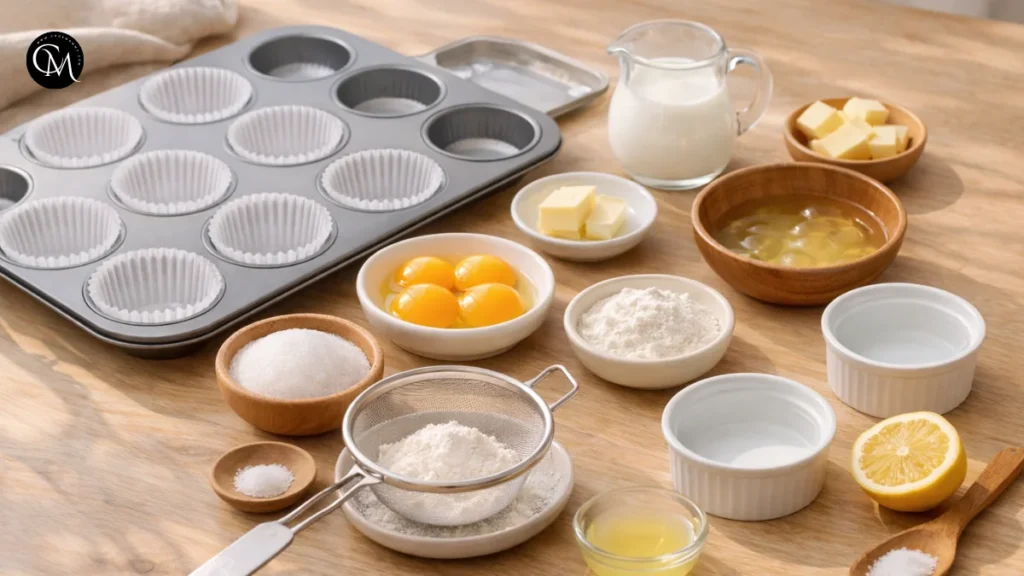
Start by preheating your oven to 160°C. Line a muffin tin with cupcake liners or lightly grease small ramekins. If your oven tends to bake hot, place a tray of hot water on the lower rack to create a gentler baking environment.
Separate the eggs carefully, making sure no yolk gets into the whites. Let the cream cheese, butter, milk, and eggs come close to room temperature before mixing.
This preparation matters more than many people think. Cold ingredients make the batter lumpy, and rushed prep often leads to overmixing later. I always measure everything first and sift the flour with the cornstarch before I begin. That small step saves time and gives a finer, smoother batter.
Step 2 – Build flavor base
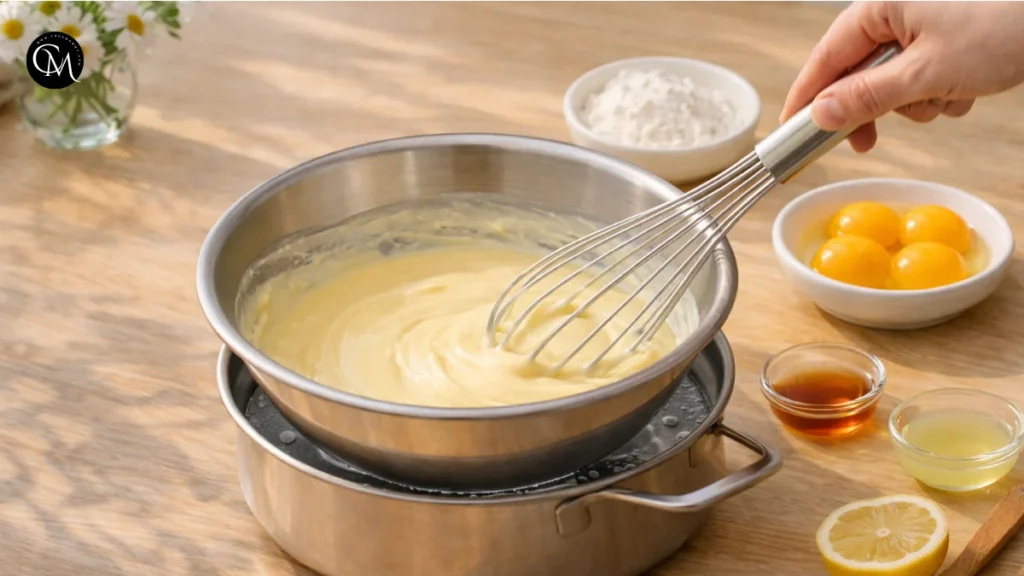
In a heatproof bowl over barely simmering water, combine the cream cheese, butter, and milk. Stir gently until completely smooth and silky. Remove from heat, then whisk in the vanilla extract and lemon juice.
This is the flavor base, and it does more than create taste. Warm mixing helps the cream cheese loosen evenly, which reduces lumps and gives the finished cakes that signature velvety mouthfeel. The lemon juice does not make the cakes taste lemony in a strong way. Instead, it lifts the richness and keeps the flavor from feeling flat.
Let this mixture cool slightly before adding the egg yolks, one at a time. Whisk until smooth. Then fold in the sifted cake flour, cornstarch, and salt until no dry streaks remain.
At this stage, the batter should look glossy and pourable, not thick like standard cheesecake batter.
Step 3 – Cook the main ingredient
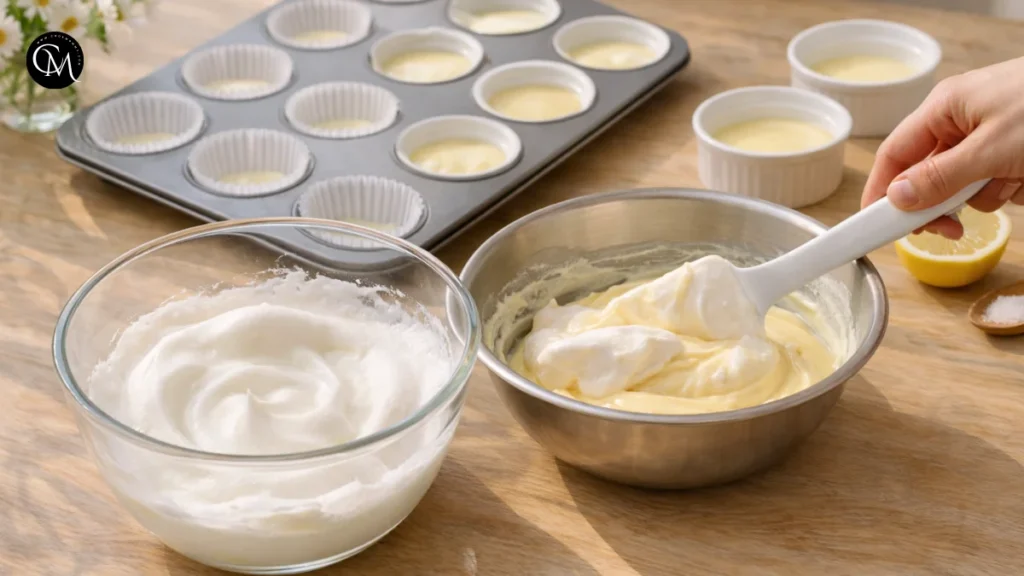
The real structure of Mini Japanese Cheesecakes comes from the whipped egg whites. In a clean bowl, beat the egg whites until foamy. Gradually add the sugar and continue beating until you reach medium-soft peaks. The meringue should hold shape but still have a gentle curl at the tip.
This is where texture is won or lost. Overbeaten whites can turn dry and grainy, making the batter harder to fold and more likely to crack. Underbeaten whites will not provide enough lift. Medium-soft peaks give the best balance between volume and flexibility.
Fold one-third of the meringue into the cream cheese mixture to lighten it. Then gently fold in the rest in two additions. Use a spatula and broad scooping motions. Rotate the bowl as you fold.
Do not stir aggressively. You are protecting the tiny air bubbles that give these cheesecakes their light crumb.
Divide the batter into the prepared cups, filling each about 80 percent full.
Step 4 – Combine everything
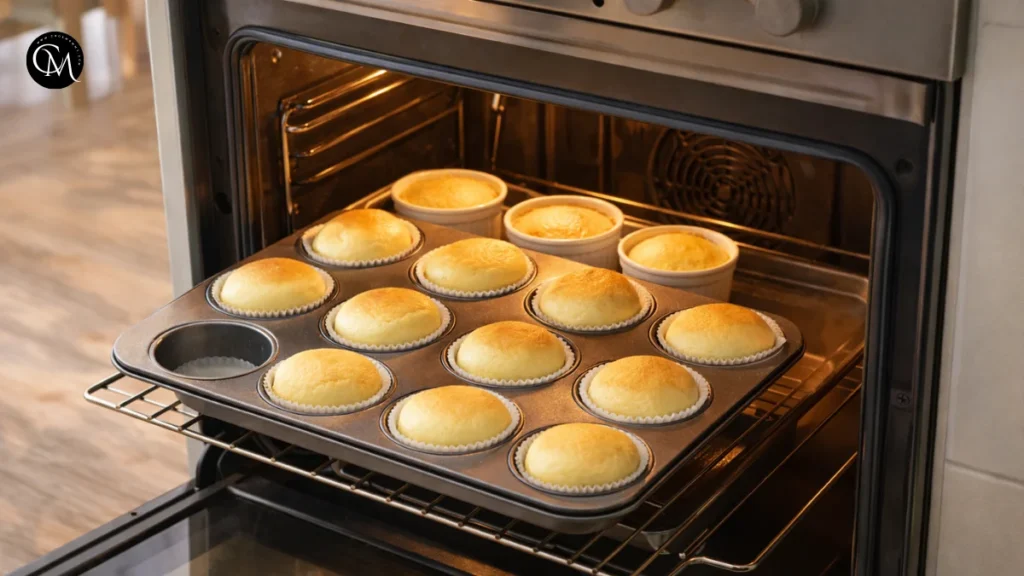
Place the muffin tin in the oven and bake for 20 to 25 minutes, or until the tops are lightly golden and the centers jiggle slightly when nudged. If using ramekins, the time may run a little longer depending on size.
This is where balance matters. You want enough heat to set the structure, but not so much that the cakes puff too fast and collapse. A moderate oven works best. In my kitchen, gentle baking gives the prettiest rise and the smoothest tops.
When the cheesecakes are done, turn off the oven and leave the door slightly open for 10 minutes. This gradual cooling helps prevent sudden shrinking.
That slow transition is one of the easiest ways to improve results. It gives the crumb time to settle without a dramatic drop in temperature.
Step 5 – Finish and adjust seasoning
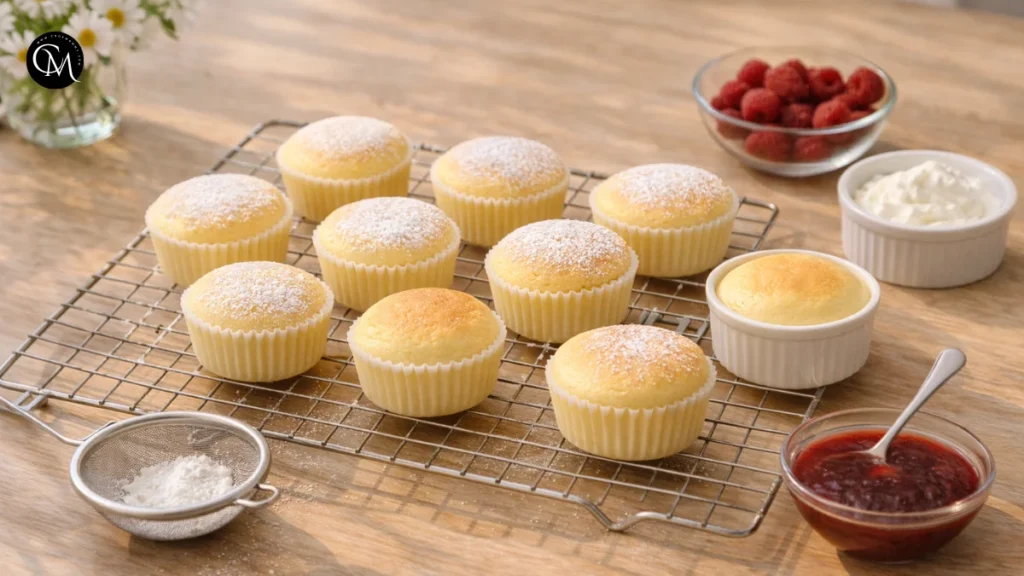
Once cooled slightly, remove the cheesecakes from the pan and let them finish cooling on a rack. Dust with powdered sugar or serve plain if you want to highlight the clean dairy flavor.
Before serving, taste one without toppings. This tells you whether you want extra brightness from berries, more sweetness from glaze, or a touch of creaminess from whipped cream. Japanese-style cheesecakes are meant to be balanced, not overly sweet, so toppings should support the cake, not hide it.
My chef-style advice here is simple: keep the finish light. Fresh raspberries, a spoonful of berry sauce, or a thin brush of warm jam is usually enough.
Nutritional Information
Approximate nutrition per Mini Japanese Cheesecakes, based on 10 servings:
- Calories: 135
- Protein: 4 g
- Fat: 8 g
- Carbohydrates: 12 g
- Sugar: 8 g
- Fiber: 0.3 g
- Sodium: 95 mg
These values will vary depending on your exact ingredients and toppings. What makes these cakes appealing is that they feel rich without being overly heavy. Because they rely on whipped egg whites for volume, they are naturally lighter in texture than many traditional cheesecake recipes.
Healthier Alternatives for the Mini Japanese Cheesecakes
Mini Japanese Cheesecakes is already lighter in feel than dense baked cheesecake, but you can still adapt it for different needs.
- Lower sugar: Reduce the sugar slightly, especially if you plan to serve with fruit topping. You can often cut 10 to 15 grams without hurting the structure too much. Do not remove too much, though, because sugar also supports the meringue.
- Whole-grain options: For a more wholesome variation, replace part of the flour with finely milled oat flour. Use a partial swap rather than a full one to keep the crumb soft. Too much whole-grain flour can make the cakes heavy.
- Dairy-free version: Use a dairy-free cream cheese alternative, plant-based butter, and unsweetened oat or almond milk. Choose brands with a neutral taste and thick consistency. Texture may be slightly less silky, but the cakes can still turn out well.
- Gluten-free version: Swap the cake flour for a good-quality gluten-free flour blend plus a little cornstarch. The key is using a blend made for baking, not a single flour like almond flour alone.
- For children: Serve plain or with a light fruit puree. Kids often enjoy the fluffy texture, and mini portions are easier for small hands.
- For lighter diets or seniors: Keep the sweetness moderate and pair with soft fruit. The delicate texture makes them easier to enjoy than dense desserts.
The trick with any healthier swap is to protect the airy structure. Flavor can be adjusted, but texture is what makes this dessert special.
Serving Suggestions
Mini Japanese Cheesecakes are versatile and look beautiful with very little effort.
Serve them:
- With fresh strawberries, blueberries, or raspberries
- Alongside green tea or coffee for an afternoon treat
- With lightly sweetened whipped cream for a dessert platter
- As part of a brunch spread with fruit and tea cakes
- With a spoon of lemon curd for a brighter finish
- Chilled in summer or slightly warm in cooler months
For guests, I like arranging them on a simple white platter with powdered sugar and fresh berries. For family dessert, I often serve them plain straight from the cooling rack once they are just barely warm. That is when the texture feels especially soft and tender.
Common Mistakes to Avoid
Here are the most realistic problems I see with this Mini Japanese Cheesecakes:
- Overbeating the meringue: Stiff, dry egg whites are harder to fold and can lead to cracking or uneven rise. Stop at medium-soft peaks.
- Using cold ingredients: Cold cream cheese and eggs create lumps and force extra mixing, which can deflate the batter.
- Folding too aggressively: The air in the batter is precious. Rough mixing knocks out volume and gives denser cakes.
- Baking at too high a temperature: A hot oven causes rapid puffing, dark tops, and collapse. Gentle heat gives better structure.
- Removing them from the oven too suddenly: Quick temperature changes can make the cakes sink. Let them rest briefly in the turned-off oven.
- Overfilling the cups: Leave some room for lift. Filling too high can cause overflow and misshapen tops.
Most failed batches come down to technique, not ingredients. Once you fix the mixing and baking approach, Mini Japanese Cheesecakes becomes much more dependable.
Storing Tips for the Mini Japanese Cheesecakes
Store leftover cheesecakes in an airtight container in the refrigerator for up to 3 days. They are best eaten within the first 24 to 48 hours, when the texture is still fresh and delicate.
For the best flavor:
- Let chilled cheesecakes sit at room temperature for 10 to 15 minutes before serving.
- Keep toppings separate until just before serving.
- Do not stack them unless separated by parchment paper.
You can also prepare the dry ingredients ahead of time and separate the eggs shortly before baking. I do not recommend freezing unless necessary, because the airy texture can become slightly spongy after thawing.
Conclusion
Mini Japanese Cheesecakes are a wonderful choice when you want a dessert that feels elegant, light, and homemade. They combine the creamy comfort of cheesecake with the airy texture of a delicate sponge, which makes them especially appealing for anyone who finds traditional cheesecake too dense. With the right meringue, gentle folding, and moderate oven heat, you can create soft little cakes with a tender crumb and beautiful rise.
They are also flexible enough for different diets, simple to dress up for guests, and easy to portion for everyday baking. Give Mini Japanese Cheesecakes a try, then come back and share how it turned out. Leave a comment, post your favorite topping idea, and subscribe for more practical, tested recipes from a real home kitchen.
FAQs
Why did my Mini Japanese Cheesecakes sink after baking?
A little settling is normal, but major sinking usually comes from overbeaten meringue, underbaking, or cooling them too quickly after they leave the oven.
Can I make Mini Japanese Cheesecakes without a water bath?
Yes. A tray of hot water on the lower oven rack often provides enough gentle moisture for mini versions without placing the pan directly in water.
Are these the same as regular cheesecake?
No. They are much lighter, less dense, and more airy because whipped egg whites provide lift and a softer, sponge-like structure.
Can I bake them a day ahead?
Yes. Bake them the day before, refrigerate once cool, and let them sit out briefly before serving for the best texture and flavor.
What is the best topping for these Mini Japanese Cheesecakes?
Fresh berries, powdered sugar, or a thin fruit glaze work well because they add flavor without overpowering the delicate cake.
Can I use all-purpose flour instead of cake flour?
Yes. The crumb may be slightly less delicate, but adding a little cornstarch helps mimic the softness of cake flour.
How do I know when they are done?
The tops should look lightly set and pale golden, and the centers should still have a slight jiggle. They will continue setting as they cool.
Tried it before ?
There are no reviews yet. Be the first one to write one.