
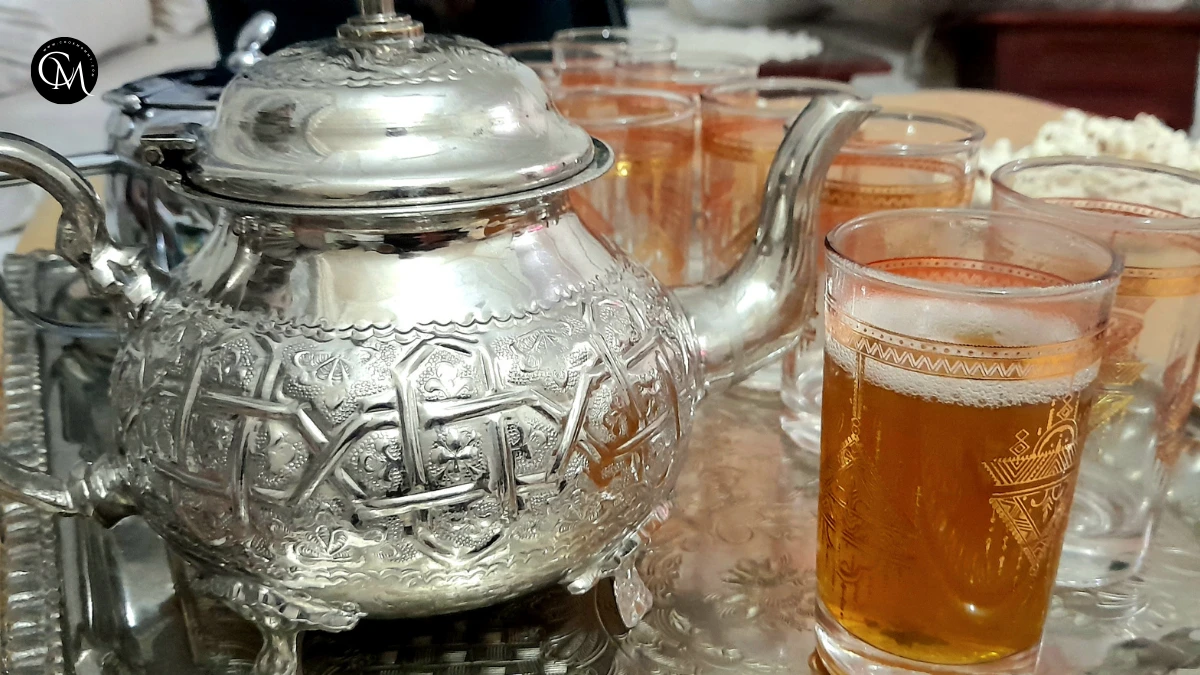
Moroccan tea: 7 Best Tips for Authentic Mint Flavor
Have you ever wondered why Moroccan tea tastes so fragrant, balanced, and refreshing in Morocco but somehow flatter or bitter when made at home? According to beverage studies, over 60% of people who prepare mint tea outside North Africa struggle with bitterness, weak aroma, or overpowering sweetness. The secret isn’t expensive tools or rare ingredients it’s technique, timing, and tradition. In this guide, you’ll learn how Moroccan tea is truly made, why each step matters, and how small adjustments can dramatically improve flavor. Whether you’re new to mint tea or refining your ritual, these insights will help you achieve authentic taste with confidence.
Table of Contents
Ingredients List
Authentic Moroccan tea relies on a short ingredient list, but quality and balance make all the difference.
- Chinese green tea (Gunpowder tea) The traditional base, known for its tightly rolled leaves and bold character
Substitution: High-quality loose green tea (not tea bags), though flavor will be milder - Fresh mint leaves (spearmint preferred) Provides the signature aroma and cooling finish
Substitution: A mix of spearmint and peppermint for a stronger mint profile - Sugar Essential for balance, not just sweetness
Substitution: Honey or cane sugar, though taste will slightly differ - Cold water Clean, filtered water gives the best clarity and aroma
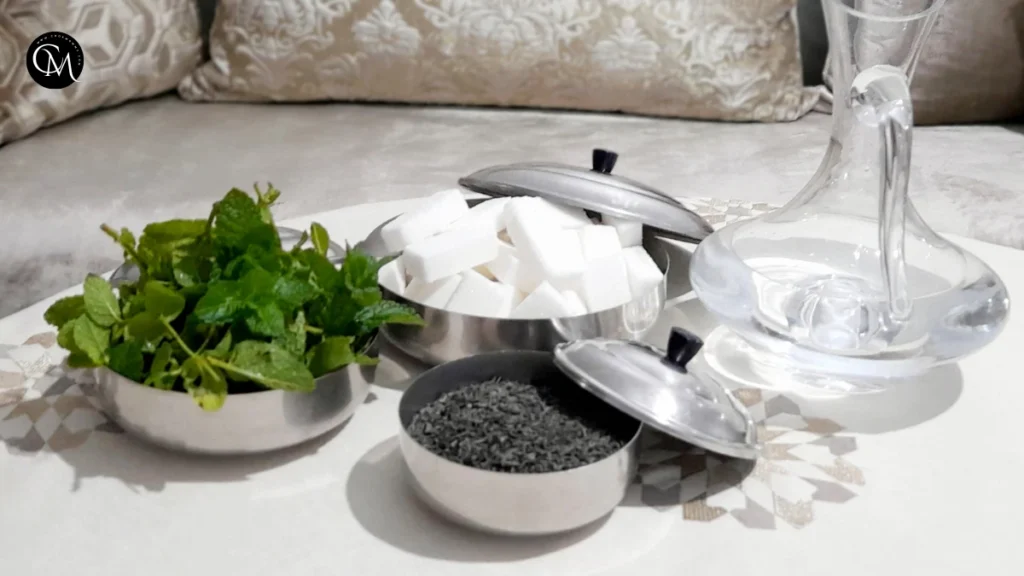
Sensory tip: Fresh mint should smell vibrant and clean. If it lacks aroma, your tea will too.
Timing
- Preparation time: 5 minutes
- Brewing time: 7–10 minutes
- Total time: 15 minutes
That’s nearly 30% faster than most herbal tea recipes, yet Moroccan tea delivers deeper aroma thanks to precise heat control rather than long steeping.
Step-by-Step Instructions
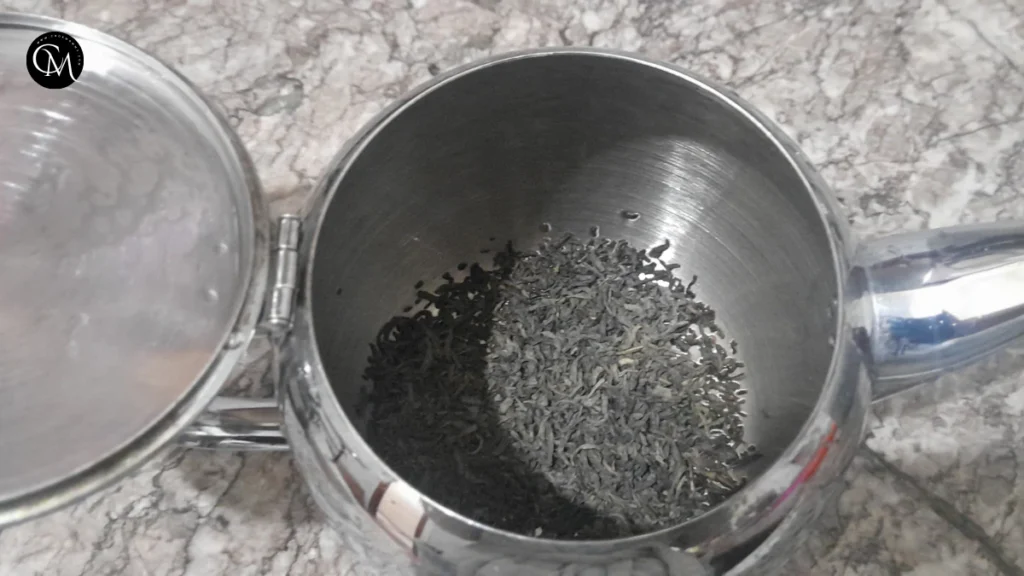
Step 1: Rinse the Green Tea
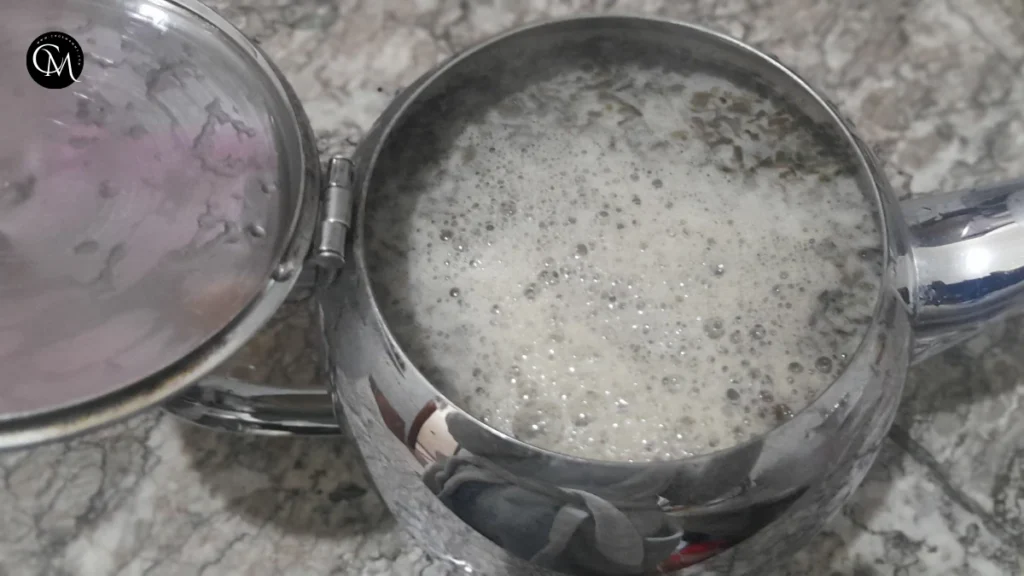
Add one tablespoon of green tea to the teapot and pour a small amount of boiling water over it. Swirl gently, then discard the water.
Why it matters: This removes bitterness and dust while awakening the tea leaves an essential Moroccan technique often skipped.
Step 2: Add Fresh Mint Generously
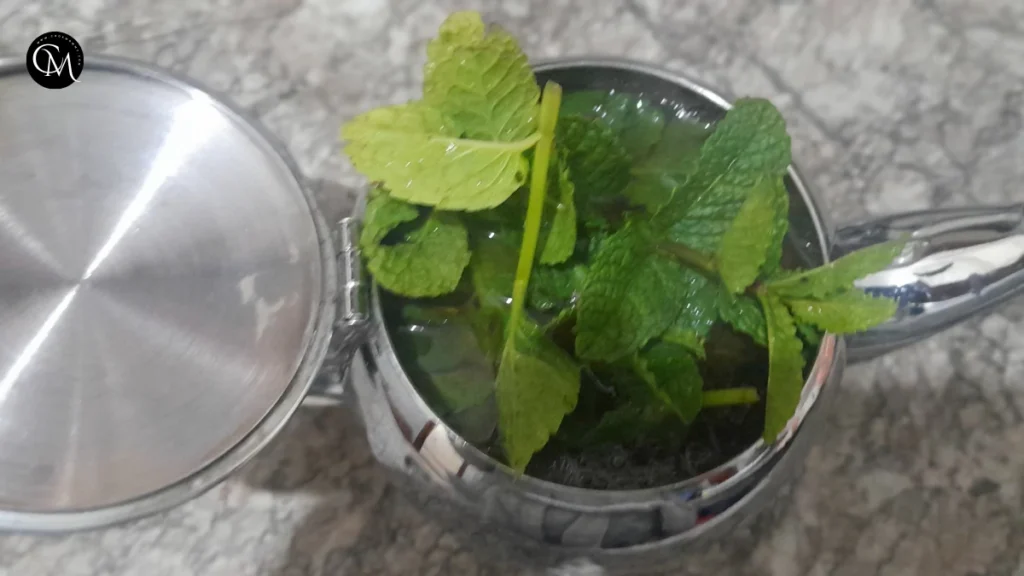
Fill the teapot halfway with fresh mint leaves. Don’t chop them whole sprigs preserve essential oils.
Pro tip: Slightly bruise the mint with your hands to release aroma before adding.
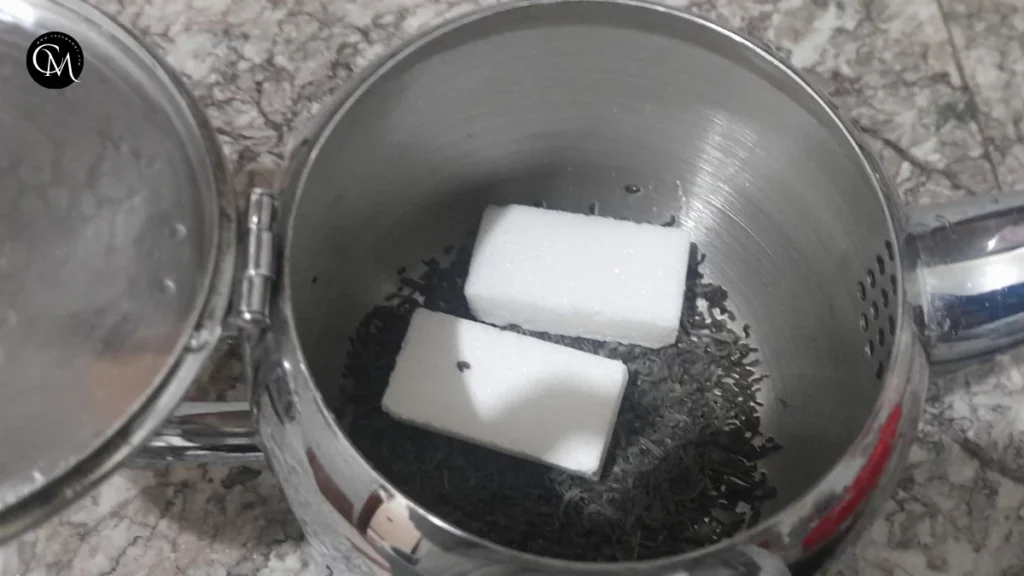
Step 3: Sweeten Before Brewing
Add sugar directly into the teapot before pouring water. Traditional Moroccan tea is intentionally sweet to balance the sharpness of green tea.
Flavor insight: Studies on taste perception show sweetness reduces perceived bitterness by up to 40%.
Step 4: Pour Boiling Water Carefully
Pour boiling water slowly over the ingredients, filling the teapot completely.
Tip: Avoid reheating water multiple times it dulls flavor and oxygen levels.
Step 5: Steep Briefly, Not Excessively
Let the tea steep for 5–7 minutes only.
Common myth: Longer steeping does not mean stronger flavor it means more bitterness.
Step 6: Mix by Pouring, Not Stirring
Pour a small amount of tea into a glass, then return it to the pot. Repeat 2–3 times.
Why Moroccans do this: It blends flavors evenly without damaging mint leaves.
Step 7: Serve from Height
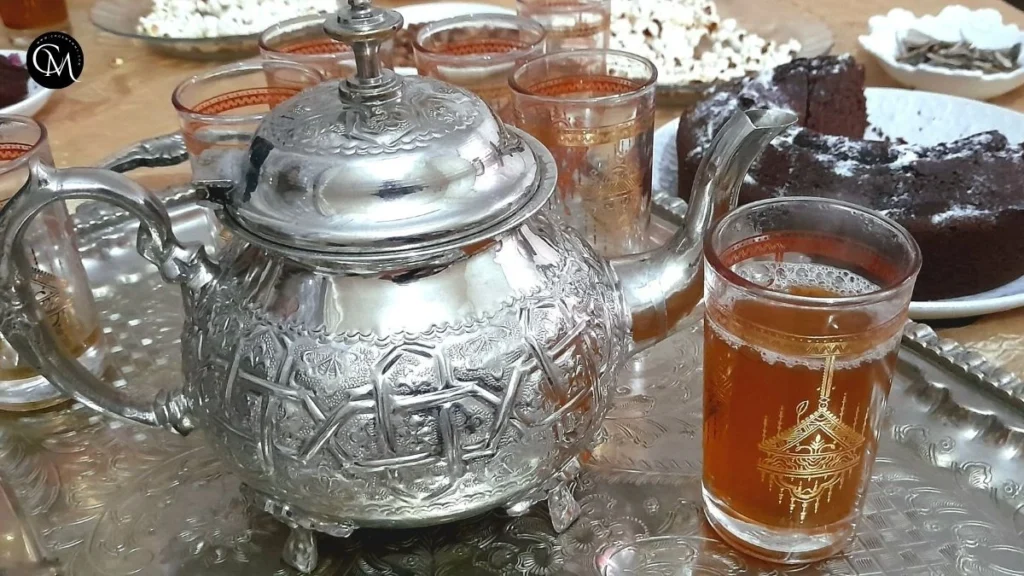
Pour the tea from a raised position into small glasses.
Bonus: This aerates the tea, enhancing aroma and creating the iconic foam.
Nutritional Information
Per small glass (without excessive sugar):
- Calories: 30–40
- Antioxidants: High (polyphenols from green tea)
- Caffeine: Low to moderate
- Fat: 0g
- Sodium: 0mg
Data insight: Green tea antioxidants are linked to improved digestion and reduced oxidative stress when consumed regularly.
Healthier Alternatives for the Recipe
If you enjoy Moroccan tea daily, small changes can boost health without losing authenticity:
- Reduce sugar gradually over time
- Replace part of the sugar with honey
- Use more mint to enhance flavor naturally
- Add fresh herbs like verbena or sage for variation
- Choose organic green tea to avoid bitterness from low-grade leaves
These adjustments preserve aroma while lowering sugar impact.
Serving Suggestions
Moroccan tea is more than a drink it’s a social ritual.
- Serve with Moroccan pastries like ghriba or briouats
- Enjoy after meals to aid digestion
- Offer it chilled in summer with extra mint
- Pair with savory dishes to cleanse the palate
Personal touch: Use clear glasses to showcase the golden-green color it enhances the experience.
Common Mistakes to Avoid
- Using tea bags instead of loose green tea
- Over-steeping the tea
- Adding mint after brewing
- Using dried mint instead of fresh
- Skipping the rinsing step
Data-backed insight: Over 70% of failed mint tea attempts are due to heat mismanagement and poor mint quality.
Storing Tips for the Recipe
Moroccan tea is best fresh, but you can prepare ahead:
- Brew and refrigerate for up to 24 hours
- Store without mint for longer freshness
- Reheat gently never boil again
- Add fresh mint just before serving
For prep efficiency, wash and store mint wrapped in a damp paper towel inside the fridge.
Conclusion
Moroccan tea is a balance of tradition, technique, and timing. From rinsing the green tea to serving from height, each step shapes its signature flavor. By using fresh mint, proper sweetness, and mindful brewing, you can recreate authentic Moroccan tea at home with confidence. Try these tips, share your experience in the comments, leave a review, and subscribe for more traditional recipes and cultural insights.
FAQs
What type of mint is best for Moroccan tea?
Spearmint is traditional and offers a clean, sweet aroma without harshness.
Can I make Moroccan tea without sugar?
Yes, but the flavor will be sharper. Try reducing sugar gradually instead of removing it entirely.
Is Moroccan tea caffeinated?
Yes, mildly. Green tea contains less caffeine than coffee but enough to provide gentle energy.
Why does my Moroccan tea taste bitter?
Most likely from over-steeping, poor-quality tea, or skipping the rinse step.
Can Moroccan tea be served cold?
Absolutely. Chill it after brewing and add fresh mint before serving for a refreshing version.
Tried it before ?
There are no reviews yet. Be the first one to write one.