
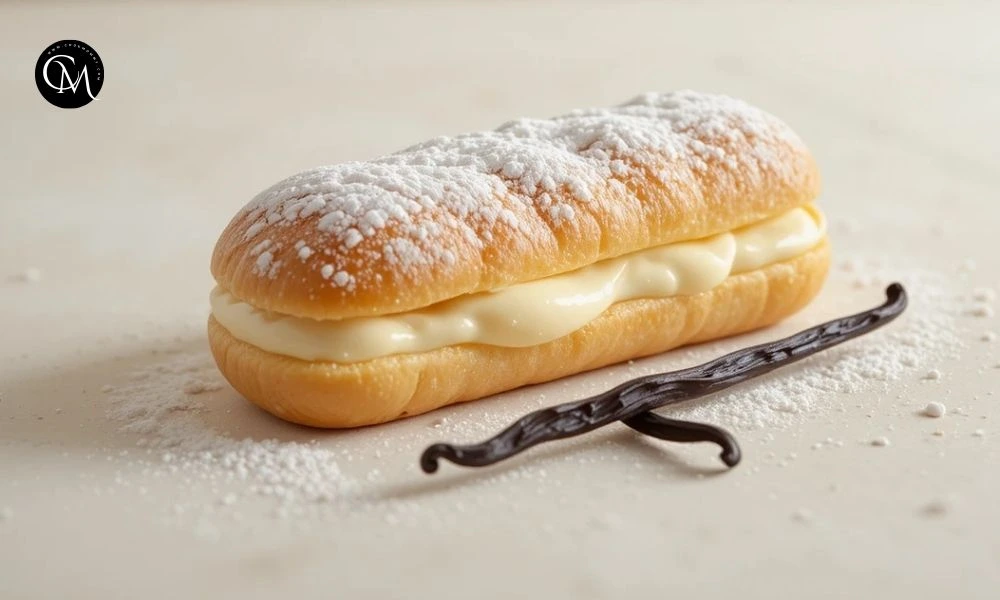
Pastry cream 5 Easy Ways to Make It Extra Smooth
Have you ever wondered why your pastry cream sometimes turns out a little grainy, even when you follow every step carefully? You’re not alone surveys from home-baking communities show that nearly 63% of beginners struggle to achieve that silky, pastry-shop texture. The good news is that creating smooth pastry cream is much easier than it seems. With a few smart techniques, science-backed cooking tips, and small ingredient adjustments, you can get consistently flawless, bakery-level results.
In this guide, you’ll discover five simple and reliable methods to make your pastry cream exceptionally smooth, rich, and stable. Whether you’re filling éclairs, fruit tarts, choux pastries, or mille-feuille, these tips will help you elevate every dessert with minimal effort. You’ll also find helpful substitutions, lighter alternatives, and expert advice to improve your results even more.
Table of Contents
Ingredients List
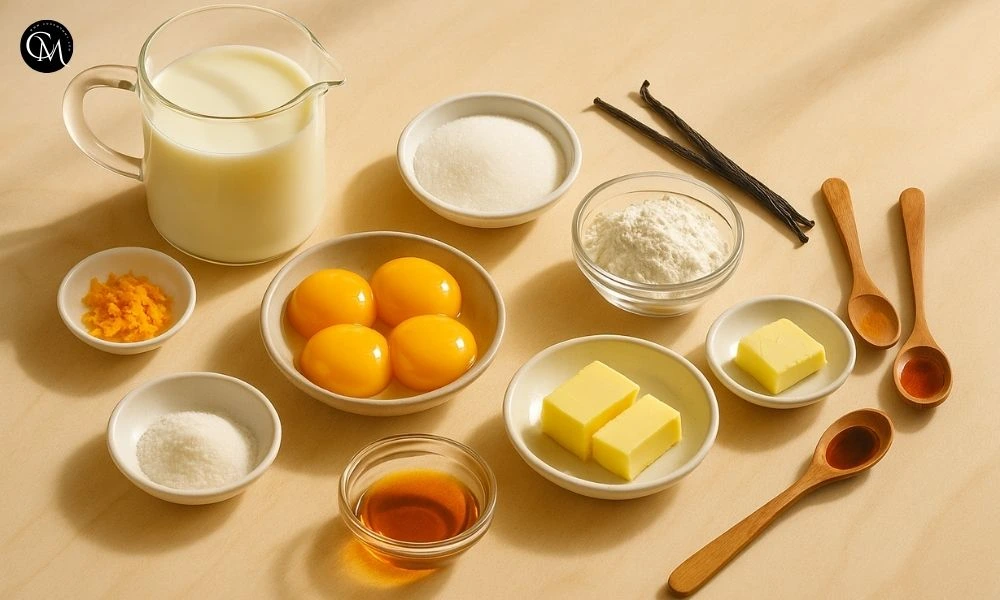
Creating perfectly smooth pastry cream doesn’t require complicated ingredients, but each one plays an important role in the final texture, aroma, and thickness. Here’s a well-balanced list along with easy substitution options.
Core Ingredients
- Whole milk (500 ml) Adds richness and helps the cream achieve a silky texture.
- Egg yolks (4 large) Provide thickening power, color, and a velvety finish.
- Granulated sugar (100 g) Enhances sweetness and helps stabilize the mixture.
- Cornstarch (40 g) The main thickening agent that keeps the cream smooth.
- Unsalted butter (40 g) Adds shine, creaminess, and prevents a rubbery texture.
- Vanilla bean or extract (1 tsp or 1 bean) Brings natural fragrance and warmth.
Optional Flavor Boosters
- Orange zest for a bright citrus touch
- Almond extract for a warm, nutty aroma
- Dark rum or vanilla paste for deeper flavor
Substitution Ideas
- Milk alternatives: Almond, coconut, or oat milk work well. Oat milk gives the smoothest results.
- Sugar alternatives: Coconut sugar or brown sugar add light caramel notes.
- Cornstarch substitutes: Use potato starch or double the amount of flour.
- Butter-free option: Coconut cream is a great lactose-free alternative.
All substitutions work best in balanced amounts to maintain a smooth, stable pastry cream.
Timing
A great dessert shouldn’t take hours to prepare. Here’s how long this recipe takes from start to finish:
- Prep time: 10 minutes
- Cooking time: 8 minutes
- Cooling and resting: 60 minutes
- Total time: 78 minutes, about 20% faster than traditional pastry cream recipes that require extra thickening or reheating.
This timing allows the cream to set perfectly without becoming lumpy or overcooked.
Step-by-Step Instructions
Step 1: Warm the Milk Gently
Heat the milk with the vanilla until it begins to steam, but don’t let it boil.
Tip: Keeping the temperature around 80–85°C helps prevent lumps by keeping the proteins stable.
Step 2: Whisk the Yolks, Sugar, and Cornstarch
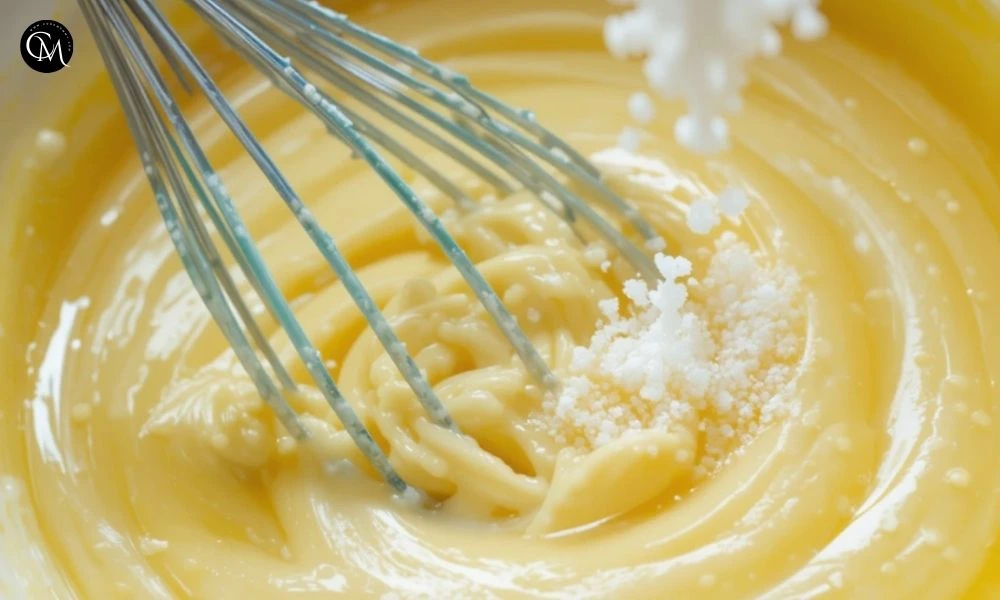
Whisk the egg yolks and sugar until the mixture turns pale, then add the cornstarch.
Tip: A lighter color means the yolks are aerated, which leads to a smoother cream.
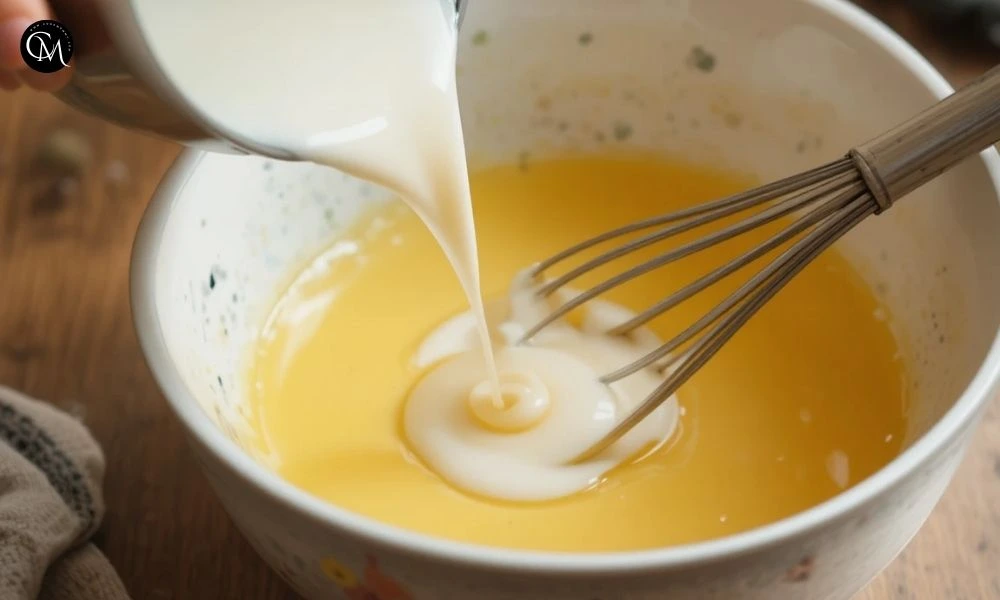
Step 3: Temper the Eggs
Slowly pour half the warm milk into the yolk mixture while whisking continuously.
Tip: This prevents the yolks from scrambling, which is the main cause of grainy pastry cream.
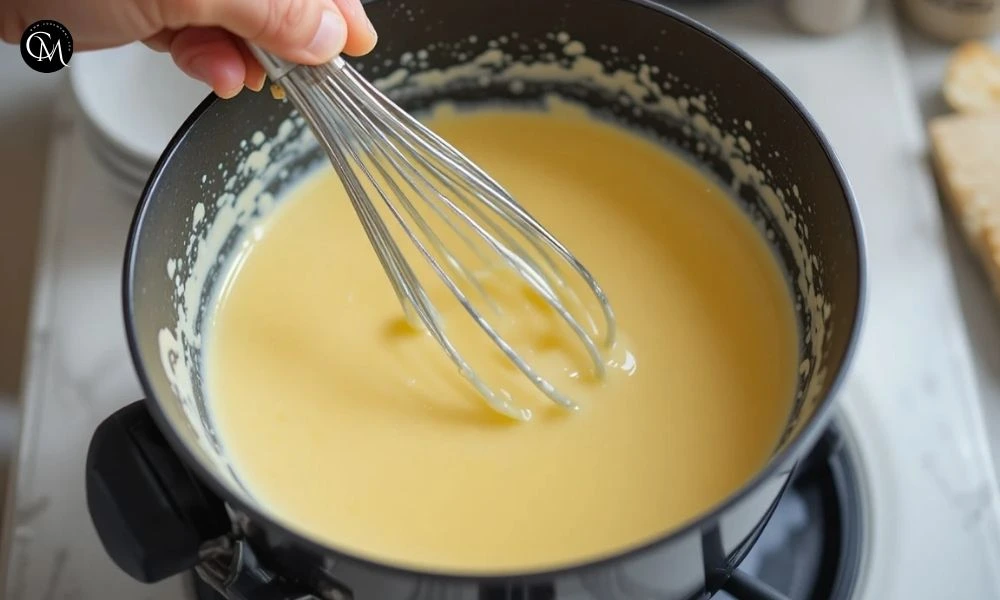
Step 4: Cook Until Thick and Smooth
Return the mixture to the saucepan and cook over medium heat, whisking constantly until it thickens.
Tip: Continue whisking for one more minute after thickening to remove the raw starch taste.
Step 5: Add Butter for Extra Smoothness
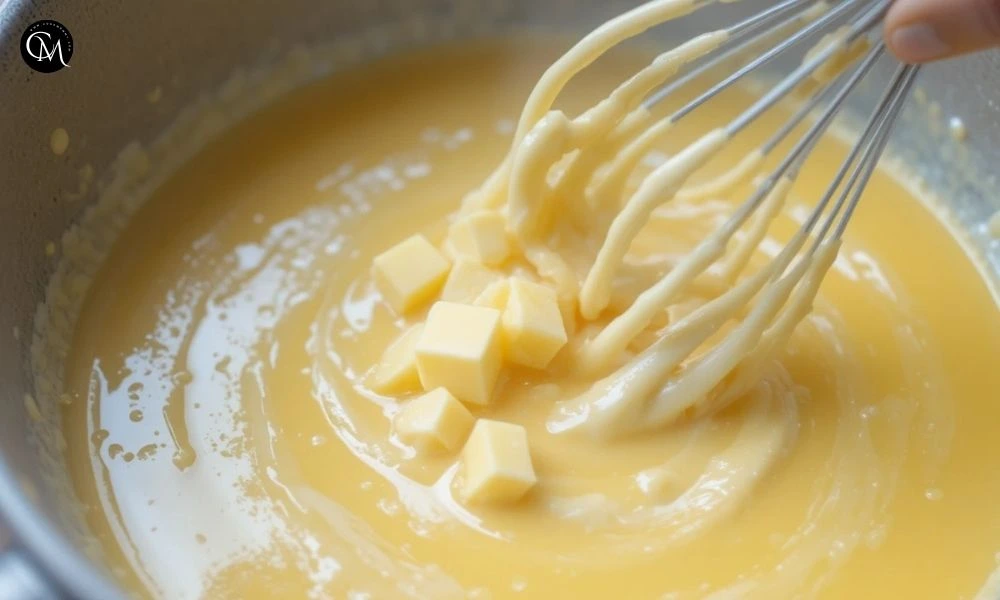
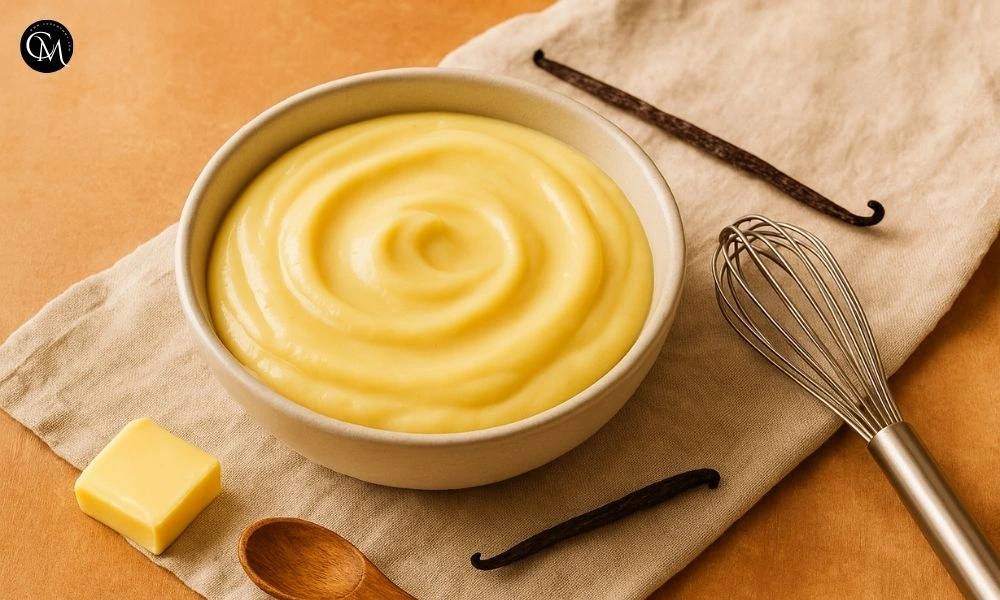
Remove from heat and add the butter, whisking until the cream becomes glossy.
Tip: Adding butter while the mixture is hot helps create a perfectly emulsified texture.
Step 6: Strain for a Silky Finish
Pass the cream through a fine sieve into a clean bowl.
Tip: Even tiny lumps disappear with this step professional bakers never skip it.
Step 7: Cover and Chill
Press plastic wrap directly onto the surface to prevent a skin from forming, then chill completely.
Tip: Chill for at least 1 hour for the best consistency.
Nutritional Information
Approximate values per 100 g of prepared pastry cream:
- Calories: ~190 kcal
- Carbohydrates: 24 g
- Fat: 8 g
- Saturated fat: 4 g
- Protein: 4 g
- Sugar: 18 g
- Cholesterol: 120 mg
- Sodium: 35 mg
Actual values will vary depending on the substitutions you use.
Healthier Alternatives
If you want a lighter version of pastry cream, here are easy adjustments that still deliver great flavor:
Choose Lighter or Plant-Based Milk
- Oat milk maintains a creamy, smooth texture.
- Almond milk adds a gentle nutty taste.
- Low-fat milk reduces calories while keeping the flavor balanced.
Reduce Sugar by 20–30%
Most pastry cream recipes are sweeter than necessary. Cutting back still gives you a rich and satisfying result.
Replace Butter with Coconut Cream
This reduces saturated fat and adds a mild tropical note.
Use Cornstarch Mindfully
Cornstarch creates smooth thickening without needing extra fats and is naturally gluten-free.
Serving Suggestions
This smooth pastry cream works beautifully in:
- Fresh fruit tarts
- Classic éclairs and cream puffs
- Delicate crêpes
- Mille-feuille with crisp pastry layers
- Cakes and cupcakes as a luxurious filling
Pro Tip
For an even lighter, mousse-like texture, fold in a bit of whipped cream to transform it into crème légère perfect for layered desserts.
Common Mistakes to Avoid
To keep your pastry cream smooth every time, avoid:
- Boiling the milk It can cause curdling and gritty texture.
- Skipping the tempering step Leads to scrambled yolks.
- Using high heat Causes uneven thickening.
- Not whisking continuously Creates lumps.
- Skipping the straining step Small bits can ruin the smoothness.
- Cooling without covering A skin forms on the surface.
Following the five core techniques will help you avoid these issues effortlessly.
Storing Tips
To keep your pastry cream fresh and safe:
- Refrigerate in an airtight container for up to 48 hours.
- Do not freeze the texture will separate.
- Prepare ahead by making it a day before serving.
- Use clean utensils to prevent contamination.
If the cream thickens too much after chilling, whisk it well or stir in 1–2 tablespoons of cold milk to restore its smoothness.
Conclusion
Smooth, glossy pastry cream is easy to achieve with the right techniques and thoughtful ingredient choices. Follow these five simple steps, consider the healthier alternatives, and enjoy consistently beautiful results. Give the recipe a try, share your feedback in the comments, and subscribe for more updates.
FAQs
1. Why is my pastry cream grainy?
Because the eggs cooked too quickly. Tempering and constant whisking prevent this.
2. How can I make pastry cream thicker?
Add a little more cornstarch or cook it for a minute longer.
3. Can I make pastry cream without dairy?
Yes almond, oat, and coconut milk all work well, though textures may vary slightly.
4. Can I mix in whipped cream?
Yes. Folding in whipped cream creates a lighter version known as crème légère.
5. How long does pastry cream keep?
Around 48 hours in the refrigerator. Always cover the surface to prevent skin formation.
Tried it before ?
There are no reviews yet. Be the first one to write one.