
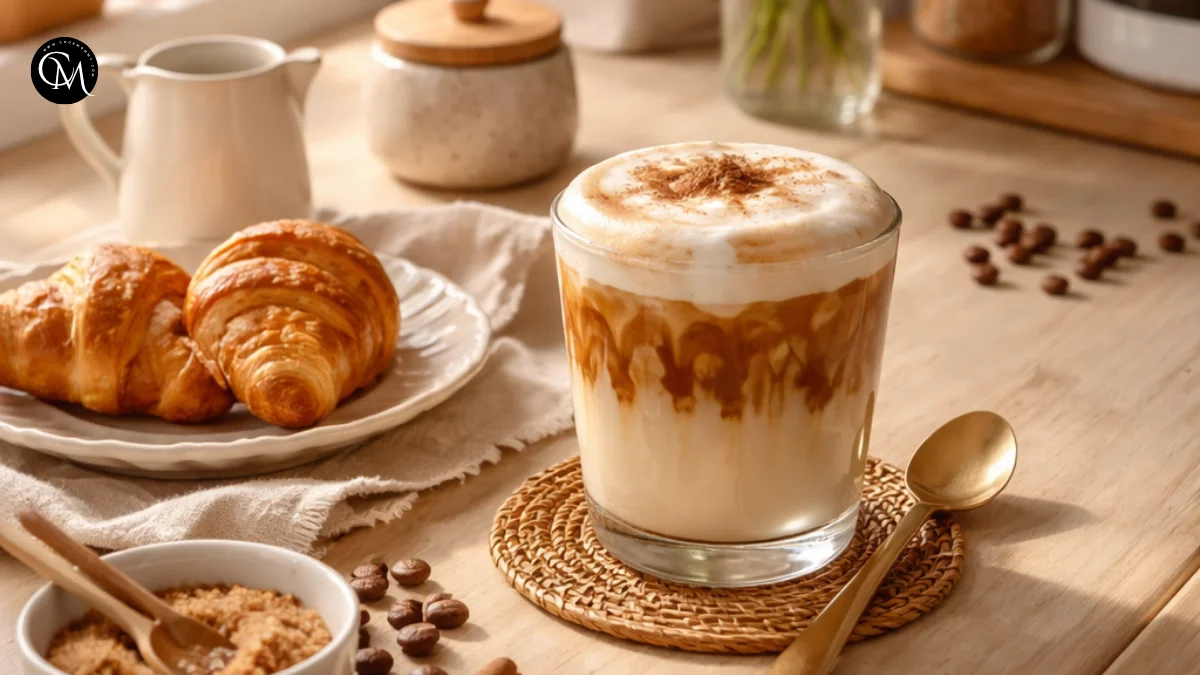
Best Spanish latte: How 4 Steps Create Perfect Foam
Did you know that the texture of your milk foam can change how sweet and smooth coffee tastes, even before you add extra sugar? That is one reason a good Spanish latte feels so satisfying. It is rich, creamy, gently sweet, and surprisingly easy to make at home without expensive equipment.
A Spanish latte is often described as an espresso-and-milk drink sweetened with condensed milk, but the real magic is in the balance. When done well, it has bold coffee flavor, velvety foam, and just enough sweetness to feel special without becoming heavy. I love this recipe because it gives you that coffee-shop comfort in a simple home version. You do not need barista training, and you do not need a full espresso station either. With the right method, this Spanish latte comes together quickly and tastes polished, balanced, and comforting every time.
Table of Contents
Ingredients List
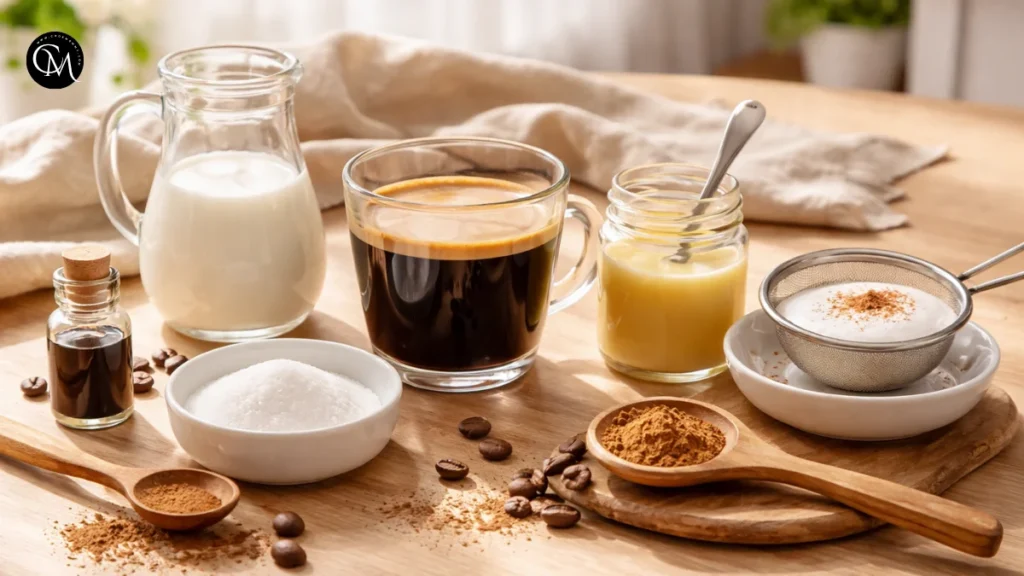
Here is everything you need for one large Spanish latte or two smaller servings:
- 2 shots espresso, or 1/2 cup very strong brewed coffee
- 1 to 1 1/4 cups whole milk
- 2 to 3 tablespoons sweetened condensed milk
- 1 teaspoon sugar, optional, if you like it sweeter
- 1/4 teaspoon vanilla extract, optional
- A tiny pinch of cinnamon, optional for garnish
- Cocoa powder or extra foam for topping, optional
Easy substitutions
- No espresso machine: Use moka pot coffee or very strong French press coffee
- Lower-fat option: Use 2% milk, though the foam will be a little lighter
- Dairy-free version: Use barista-style oat milk or soy milk plus dairy-free condensed milk
- Less sweet version: Reduce the condensed milk to 1 1/2 tablespoons
- Extra aromatic touch: Add cardamom or a small strip of orange zest while heating the milk, then remove before serving
The condensed milk is what gives this recipe its signature sweetness and body. Whole milk creates the creamiest finish, while espresso adds that deep roasted backbone that keeps the drink from tasting flat.
Timing
This recipe is fast enough for busy mornings and easy enough for afternoon coffee breaks.
- Preparation time: 5 minutes
- Cooking time: 5 minutes
- Total time: 10 minutes
That is quicker than most café-style coffee drinks you would wait in line for, and it still delivers the layered taste and foam that make a homemade Spanish latte feel worth the effort.
Step-by-Step Instructions
Step 1 – Prepare ingredients
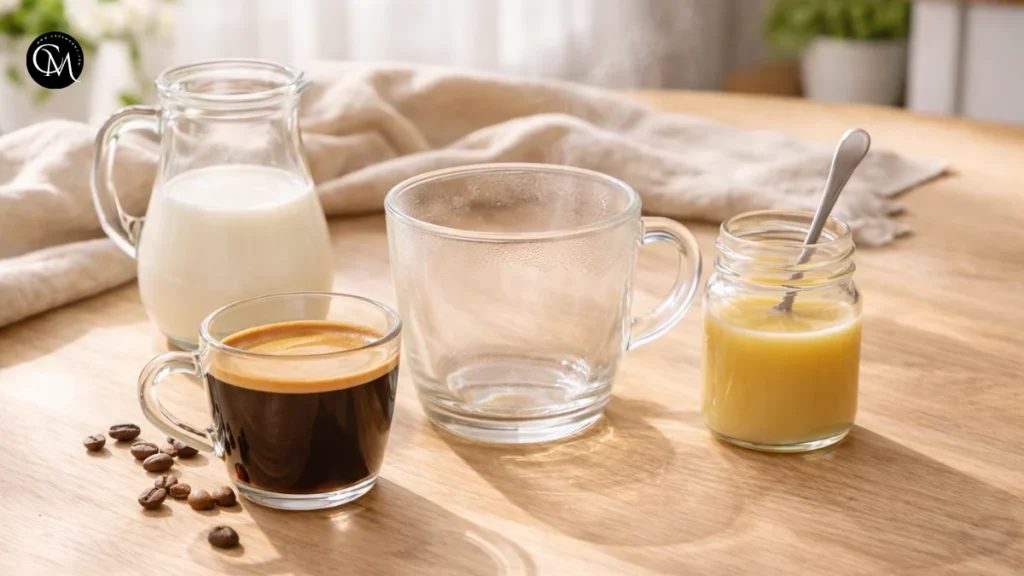
Measure everything before you begin. Brew your espresso, pour out the milk, and have the condensed milk ready. This step matters because coffee drinks move quickly. Once your milk is hot, you want to assemble the Spanish latte right away while the foam is fresh and stable.
I always warm my serving mug with a little hot water first, then empty it. It is a small detail, but it helps the drink stay warm longer and keeps the foam from collapsing too fast when poured in.
Step 2 – Build flavor base
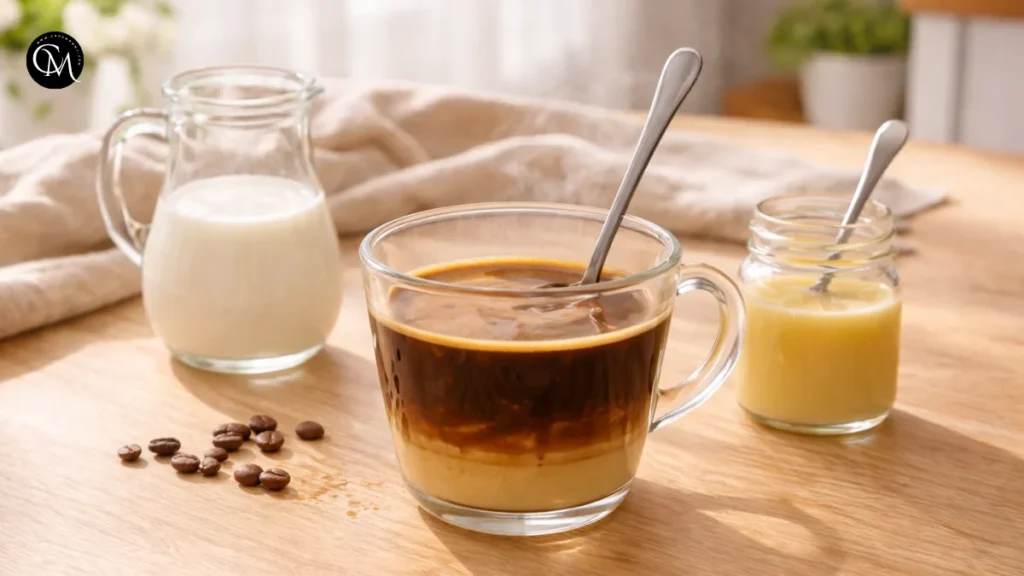
Add the condensed milk to the bottom of your mug, then pour the hot espresso over it. Stir until smooth. This creates the flavor base and ensures the sweetness is evenly distributed instead of sinking into thick pockets.
This is where the coffee science helps. Espresso brings bitterness, aroma, and natural oils. Condensed milk adds sugar, creaminess, and body. When they are mixed first, the flavors round each other out. You get sweetness without losing the coffee’s character. If you want a slightly softer flavor, add the vanilla here.
Step 3 – Cook the main ingredient
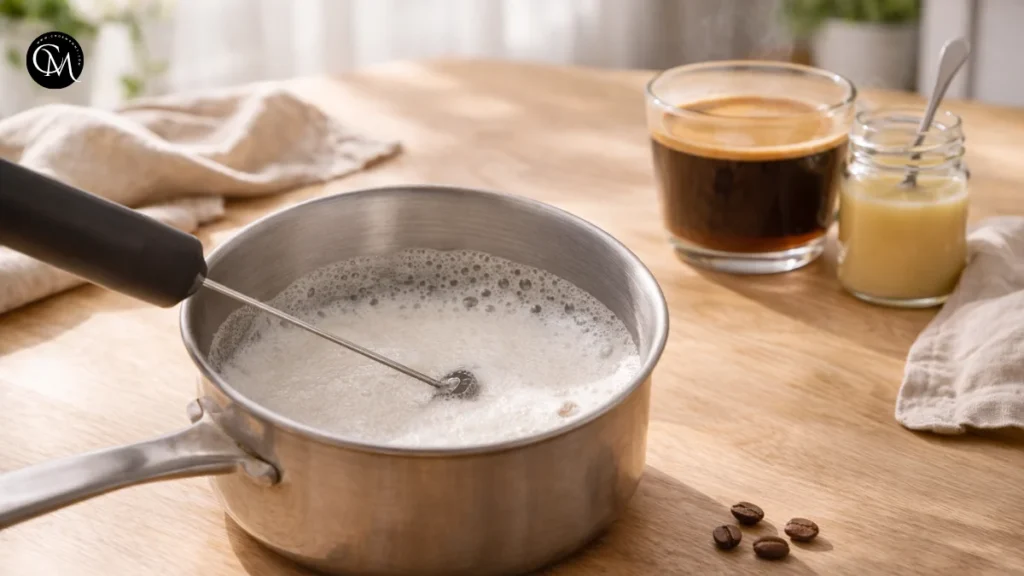
Heat the milk gently in a saucepan or with a steam wand until hot but not boiling. Aim for steaming and small bubbles around the edges, not a rolling boil. Overheated milk can taste flat and slightly cooked, which takes away from the clean, creamy profile of a great Spanish latte.
Once heated, froth the milk with a handheld frother, steam wand, or even a tightly sealed jar followed by a quick microwave heat-up if needed. For the best texture, froth until the milk looks glossy and thick rather than dry and airy.
The goal is soft foam, not stiff foam. A Spanish latte should feel silky, not like a cappuccino with a big cloud on top. If the foam gets too bubbly, tap the container lightly on the counter and swirl it to smooth the texture.
Step 4 – Combine everything
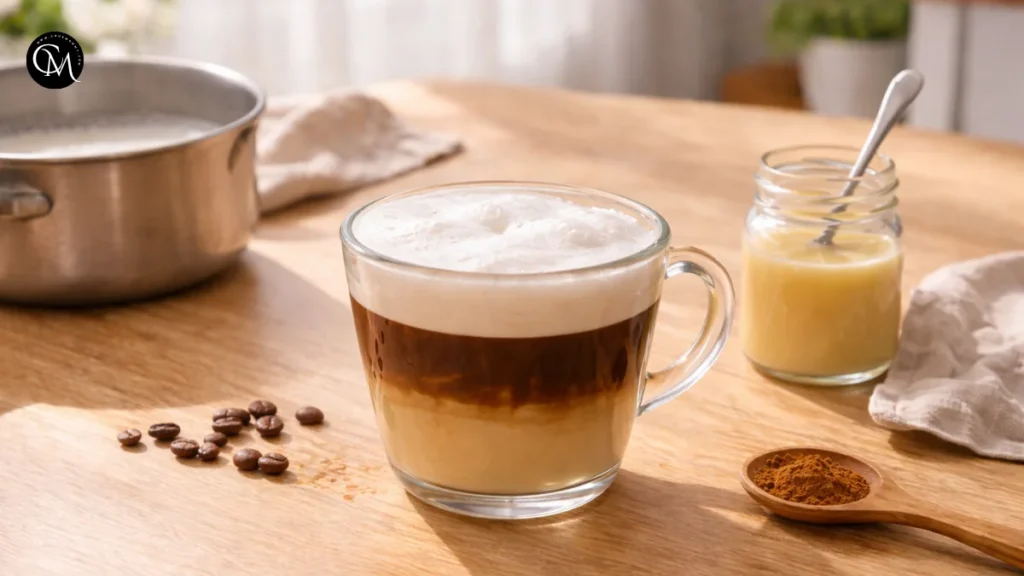
Pour the hot milk into the espresso mixture first, then spoon the foam on top. This order gives you better control and keeps the layers balanced. You want the drink to feel integrated, with the sweetness, coffee, and milk all working together.
Taste before adding extra sugar. Many people sweeten too early, but condensed milk already provides plenty for most palates. If the coffee tastes too strong, add a splash more milk. If it feels too sweet, an extra spoonful of espresso can bring it back into balance.
A good Spanish latte should taste creamy, slightly caramel-like, and coffee-forward without being harsh.
Step 5 – Finish & adjust seasoning
Top with a pinch of cinnamon, a dusting of cocoa, or simply leave it plain. My chef-style advice is to finish lightly. A garnish should support the drink, not hide it.
Take one sip before serving it to guests. That sounds simple, but it is the easiest way to check balance. Sometimes just a few drops more milk or a quick stir makes all the difference. This is the kind of recipe where tiny adjustments create a more professional final result. When your Spanish latte is smooth, warm, and topped with fine foam, it feels like a coffeehouse treat made with real intention.
Nutritional Information
Approximate values per serving:
| Nutrient | Amount |
|---|---|
| Calories | 180–230 |
| Protein | 6–8 g |
| Fat | 6–9 g |
| Carbohydrates | 22–28 g |
| Sugar | 18–24 g |
| Calcium | 20–25% DV |
| Caffeine | 120–150 mg |
These numbers vary depending on the milk and amount of condensed milk used. This drink is best treated as a sweet coffee recipe rather than an everyday plain latte. It is rich, satisfying, and ideal when you want something more indulgent than standard coffee.
Healthier Alternatives
You can make this recipe more flexible without losing its charm.
For lower sugar, reduce the condensed milk and use unsweetened milk with a little cinnamon or vanilla to keep the flavor full. You can also try a light drizzle of condensed milk instead of the full amount.
For a dairy-free version, barista oat milk works especially well because it froths nicely and has a naturally sweet, smooth finish. Soy milk is another strong option if you want more protein.
For children or anyone sensitive to caffeine, make a decaf Spanish latte or use half-decaf espresso. For older adults who prefer milder drinks, increase the milk slightly and lower the espresso strength. If you are serving someone who avoids heavy sweetness, a smaller cup with stronger coffee flavor can actually feel more balanced and enjoyable.
While this recipe is naturally gluten-free if your ingredients are certified gluten-free, always check labels on flavored products.
Serving Suggestions
A Spanish latte is lovely on its own, but it becomes even more inviting with the right pairing.
Serve it with:
- Butter cookies or shortbread
- Almond biscotti
- Toast with cinnamon butter
- A light breakfast pastry
- Date-filled cookies for a richer, Middle Eastern-inspired pairing
In warm weather, turn it into an iced Spanish latte by cooling the espresso first and pouring it over ice before adding cold milk and foam. I also like serving this drink in a clear glass when entertaining because the creamy color and foam look beautiful and instantly make it feel café-style.
For brunch, pair it with egg muffins, fruit, or lightly sweet baked goods. For an afternoon coffee break, it works beautifully with a small slice of loaf cake or banana bread.
Common Mistakes to Avoid
Here are the most common problems I see with homemade Spanish latte recipes:
- Boiling the milk
Hotter is not better. Milk that boils loses some sweetness and can taste dull. - Using weak coffee
This drink needs bold coffee to balance the condensed milk. Thin coffee makes it taste sugary instead of rich. - Adding too much condensed milk
It is easy to overdo. Start smaller, taste, and then adjust. - Making stiff, dry foam
A Spanish latte needs velvety foam, not large airy bubbles like a dry cappuccino. - Skipping the stir at the base
If you do not dissolve the condensed milk properly in the espresso, the sweetness stays uneven. - Pouring too slowly after frothing
Fresh foam settles quickly. Once the milk is ready, assemble the drink without delay.
From experience, the biggest improvement comes from heating milk gently and tasting before adjusting sweetness.
Storing Tips for the Recipe
This drink is best fresh, but you can prep parts of it ahead.
Brew the espresso ahead and store it in the fridge for up to 24 hours if you plan to make an iced version later. You can also pre-measure your condensed milk and keep it ready for quick assembly in the morning.
Frothed milk does not store well because the texture fades fast, so it is best made right before serving. If you have leftover hot Spanish latte, refrigerate it and use it within one day. Shake or stir well before drinking, though the foam will not return quite the same.
This recipe became one of my regular coffee treats because it feels special without asking for much time. On busy days, that balance matters.
Conclusion
A homemade Spanish latte is one of the easiest ways to bring café comfort into your kitchen. It is sweet but balanced, creamy without being too heavy, and simple enough for everyday use once you know the method. The real secret is not just the ingredients. It is the way you combine strong coffee, condensed milk, and silky foam so each sip feels smooth and complete.
Whether you enjoy it as a cozy morning drink or a relaxed afternoon pick-me-up, this recipe gives you a dependable result with very little fuss. Try it once, then adjust the sweetness and foam level to make it your own. If you make this Spanish latte, leave a comment and share how you served it. Subscribe for more easy coffee recipes and practical kitchen tips.
FAQs
What is a Spanish latte?
A Spanish latte is a coffee drink made with espresso, milk, and sweetened condensed milk. It is creamier and sweeter than a standard latte.
Can I make a Spanish latte without an espresso machine?
Yes. Use strong moka pot coffee or concentrated brewed coffee. The drink will still taste rich if the coffee base is bold enough.
Is a Spanish latte very sweet?
It can be, but you control that easily. Start with less condensed milk and add more only after tasting.
What milk froths best for Spanish latte?
Whole milk gives the smoothest and richest foam. Barista oat milk is the best dairy-free option for texture.
Can I serve Spanish latte iced?
Yes. Cool the coffee first, then pour over ice and add cold milk. Froth the milk separately for the best finish.
How is Spanish latte different from a regular latte?
A regular latte is mostly espresso and milk. A Spanish latte includes condensed milk, which adds sweetness and a fuller texture.
Can I make this recipe decaf?
Absolutely. Use decaf espresso or strong decaf coffee and prepare it the same way for a lower-caffeine version.
Tried it before ?
There are no reviews yet. Be the first one to write one.