
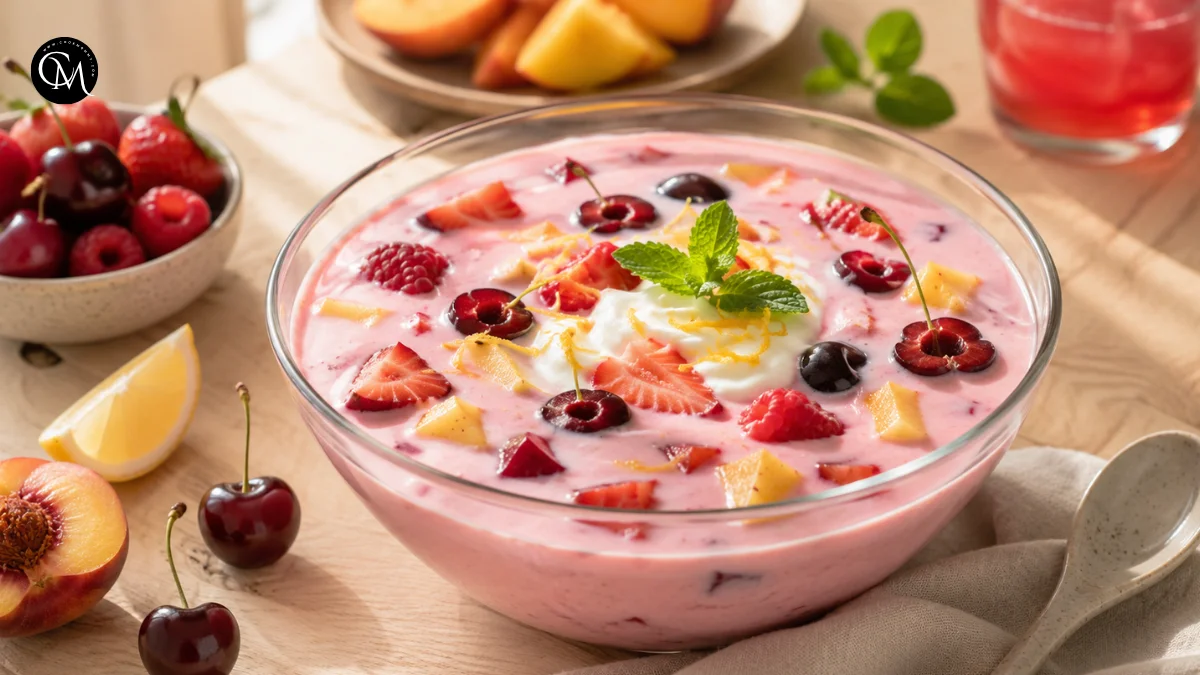
Hungarian fruit soup: How 6 Tricks Keep It Fresh and Light
Did you know that chilled soups are enjoyed in many European kitchens during warm months because they can feel lighter than baked desserts while still tasting satisfying? Hungarian fruit soup is a perfect example. It looks simple at first, but the secret is in balancing sweet fruit, gentle spice, creaminess, and chill time so every spoonful tastes fresh instead of heavy.
This fruit soup is worth making because it gives you dessert-style comfort without feeling too rich. It is cool, colorful, creamy, and surprisingly easy to prepare with everyday ingredients. In Hungary, cold cherry soup is especially popular, but home cooks often use mixed fruits depending on the season. I love this recipe because it feels special enough for guests but simple enough for a weekday treat.
The 6 tricks in this recipe focus on freshness, texture, sweetness, acidity, spice, and serving temperature. Once you understand those details, fruit soup becomes much easier to customize.
Table of Contents
Ingredients List
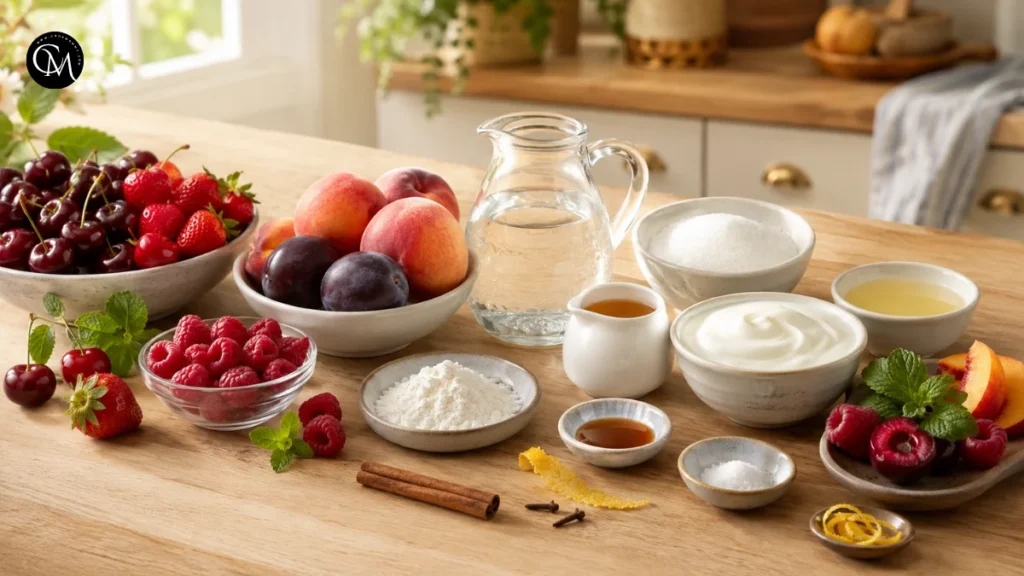
For this Hungarian-inspired fruit soup, choose ripe fruit that smells sweet and looks bright. Fresh fruit gives the best flavor, but frozen fruit works well when cherries or berries are out of season.
Main ingredients:
- 4 cups mixed fruit, such as sour cherries, sweet cherries, strawberries, raspberries, peaches, or plums
- 3 cups water or light fruit juice
- 1/3 cup sugar, honey, or maple syrup, adjusted to taste
- 1 cinnamon stick
- 2 whole cloves, optional
- 1 strip lemon zest
- 1 tablespoon fresh lemon juice
- 1/4 teaspoon fine salt
- 1 cup sour cream, Greek yogurt, or heavy cream
- 1 tablespoon cornstarch or flour, for thickening
- 1 teaspoon vanilla extract, optional
- Fresh mint, extra fruit, or lemon zest for garnish
Substitution ideas:
Use coconut milk for a dairy-free version. Replace sugar with a smaller amount of honey if your fruit is naturally sweet. If you prefer a smoother fruit soup, use peaches, cherries, or berries that soften easily. For a brighter taste, add orange zest instead of lemon zest.
The best mix is slightly tart and slightly sweet. Sour cherries are classic, but strawberries and peaches make the bowl softer and more dessert-like.
Timing
Preparation time: 15 minutes
Cooking time: 15 minutes
Chilling time: 2 hours
Total time: About 2 hours 30 minutes
Compared with many baked desserts that take 45–60 minutes plus cooling, this fruit soup is quick to cook. Most of the time is hands-off chilling, which is important because the flavors become smoother and cleaner as the soup rests.
Step-by-Step Instructions
Step 1 – Prepare ingredients
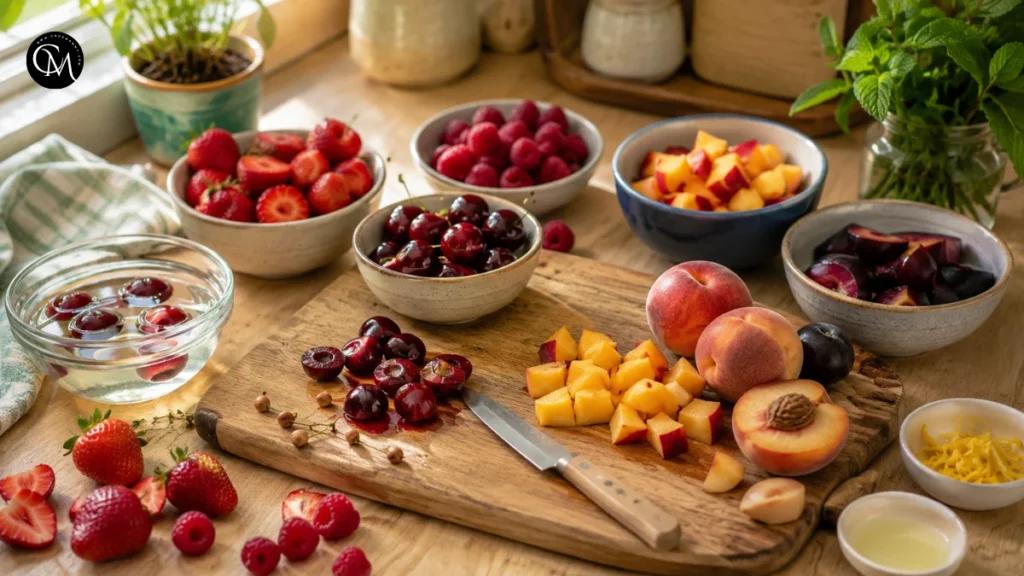
Wash the fruit gently, then remove pits, stems, or tough skins if needed. Cut larger fruit like peaches or plums into bite-size pieces so they cook evenly. Keep smaller berries whole if you want a more rustic texture.
Good preparation matters because fruit cooks quickly. If some pieces are too large and others are tiny, the small ones may collapse before the larger ones soften. For a balanced fruit soup, try to keep the pieces similar in size.
Taste the fruit before adding sugar. This simple step prevents the soup from becoming too sweet. If your cherries or berries are tart, you may need the full amount of sweetener. If you use ripe peaches or strawberries, start with less.
Step 2 – Build flavor base
In a medium pot, combine water or light fruit juice with sugar, cinnamon, cloves, lemon zest, lemon juice, and salt. Bring it to a gentle simmer over medium heat.
This is where the flavor begins. Warm liquid helps dissolve the sugar and releases the aroma from the spices. Cinnamon adds warmth, lemon zest adds brightness, and a small pinch of salt makes the fruit taste more vivid. The goal is not to make the soup taste spicy. The spices should sit quietly in the background.
Let the base simmer for 3–5 minutes before adding the fruit. This short infusion gives your fruit soup a deeper flavor without making it taste heavy.
Step 3 – Cook the main ingredient
Add the prepared fruit to the pot and lower the heat. Simmer gently for 5–8 minutes, depending on the fruit. Berries may need only a few minutes, while cherries and plums may need a little longer.
Do not boil hard. A strong boil can break the fruit apart and make the liquid cloudy. Gentle cooking keeps the fruit tender but still pretty. You want the pieces soft enough to release juice but not so soft that they disappear.
For better texture, remove about 1 cup of cooked fruit and set it aside before blending or thickening. You can add it back at the end for a more interesting bite. This trick keeps the fruit soup from feeling flat or baby-food smooth.
Step 4 – Combine everything
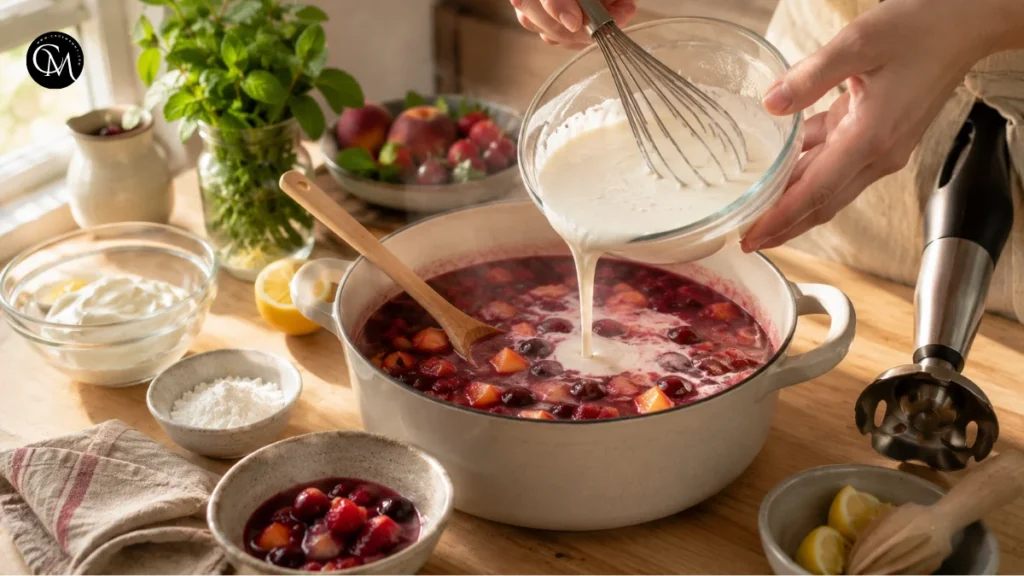
In a small bowl, whisk sour cream, Greek yogurt, or cream with cornstarch until smooth. Add a few spoonfuls of the warm soup liquid into the bowl and whisk again. This step is called tempering, and it prevents dairy from curdling.
Slowly pour the dairy mixture back into the pot while stirring. Keep the heat low and cook for 2–3 minutes until slightly thickened. The texture should be silky, not pudding-thick.
This is the moment where balance matters. Dairy softens the tartness of the fruit, while lemon juice keeps the flavor lively. If the soup tastes too sharp, add a little more sweetener. If it tastes too sweet, add a few drops of lemon juice.
For a smoother fruit soup, blend part of the mixture with an immersion blender. For a chunky version, leave the fruit whole.
Step 5 – Finish & adjust seasoning
Remove the cinnamon stick, cloves, and lemon zest. Stir in vanilla extract if using, then taste again. Adjust sweetness, lemon, or salt while the soup is still warm, but remember that cold food tastes less sweet after chilling.
Let the soup cool at room temperature for about 20 minutes, then cover and refrigerate for at least 2 hours. This chilling time is one of the most important tricks. The fruit flavor settles, the texture becomes creamy, and the soup tastes more refreshing.
Chef-style advice: serve fruit soup very cold, but not icy. If it is too cold, the flavor becomes muted. Let it sit on the counter for 5 minutes before serving for the best taste.



Nutritional Information
Approximate values per serving, based on 6 servings:
| Nutrient | Amount |
|---|---|
| Calories | 160–190 |
| Carbohydrates | 30–35 g |
| Protein | 3–5 g |
| Fat | 4–7 g |
| Fiber | 3–5 g |
| Sugar | 22–28 g |
| Sodium | 80–120 mg |
These numbers can change depending on the fruit, sweetener, and dairy you use. A yogurt-based fruit soup will usually be lighter and higher in protein than one made with heavy cream. Using naturally sweet fruit also helps reduce added sugar without losing flavor.
Healthier Alternatives
- For a lower-sugar version, start with half the sweetener and add more only if needed. Ripe peaches, strawberries, and sweet cherries can bring plenty of natural sweetness. Lemon juice helps the flavor feel brighter, so you may not miss the extra sugar.
- For a whole-grain pairing, serve the soup with a small slice of whole-grain toast, oat biscuits, or homemade granola on the side. You do not need grains inside the soup, but they can make it feel more like a light breakfast or brunch.
- For dairy-free fruit soup, use coconut milk, almond yogurt, or oat cream. Coconut milk gives a richer texture, while almond yogurt keeps it tangy. If using plant-based yogurt, choose an unsweetened version so you can control the flavor.
- For gluten-free cooking, use cornstarch instead of flour to thicken the soup. Most of the recipe is naturally gluten-free, but always check packaged ingredients if you are cooking for someone with sensitivity.
- For children, use mild fruits like strawberries, peaches, and cherries, and keep the spices light. For seniors or anyone who prefers a softer texture, blend the soup partly or fully until smooth.
Serving Suggestions
- Serve Hungarian fruit soup in chilled bowls for the freshest experience. A spoonful of Greek yogurt on top makes it creamy and elegant, while a few fresh berries add color and texture.
- For summer lunches, serve it before grilled chicken, sandwiches, or a simple salad. It works beautifully as a starter because it wakes up the appetite without feeling heavy.
- For dessert, add a small swirl of cream, a mint leaf, and a sprinkle of lemon zest. If you want more crunch, serve it with almond cookies, butter biscuits, or toasted coconut.
- For brunch, pour the fruit soup into small glasses and serve it like a refreshing fruit course. This is a lovely idea for guests because it looks colorful and takes almost no last-minute work.
- You can also make it part of a recipe collection with other chilled dishes, like cucumber yogurt soup, berry parfaits, or summer salads.
Common Mistakes to Avoid
- Boiling the fruit too hard A strong boil can make the fruit break apart and turn the soup cloudy. Keep the heat gentle for better texture.
- Adding dairy directly to hot soup Cold dairy can curdle when it hits hot liquid. Temper it first with warm soup before adding it to the pot.
- Skipping the lemon juice Fruit needs acidity to taste fresh. Without lemon, the soup can taste sweet but dull.
- Over-thickening the soup This recipe should be light and silky, not heavy like custard. Use just enough cornstarch to give body.
- Serving it before chilling Warm fruit soup can taste unfinished. Chilling allows the flavors to blend and makes the texture smoother.
- Using only very sweet fruit A mix of sweet and tart fruit creates better balance. Add sour cherries, raspberries, plums, or lemon if the flavor feels flat.
Storing Tips for the Recipe
- Store leftover fruit soup in an airtight container in the refrigerator for up to 3 days. Stir gently before serving because the texture may settle slightly as it chills.
- For the best flavor, keep garnishes separate until serving. Fresh mint, extra berries, and cream look prettier when added at the last moment.
- If making ahead, cook the soup one day before serving. The flavor often improves overnight, especially when using cherries, plums, or berries. Avoid freezing dairy-based versions because the texture can become grainy after thawing.
- This recipe became one of my regular meals because it is easy to prepare ahead, refreshing in warm weather, and flexible enough to use whatever fruit I have in the kitchen. It feels like a dessert, but it can also work as a light starter or afternoon snack.
Conclusion
Hungarian fruit soup is a beautiful reminder that simple ingredients can create something memorable when handled with care. With the right balance of ripe fruit, gentle spice, creamy texture, and proper chilling, this recipe stays fresh, light, and full of flavor. It is easy enough for beginners but still special enough for family meals, brunch, or summer entertaining.
Try this fruit soup the next time you want a refreshing recipe that is different from the usual dessert. After you make it, leave a comment or review with the fruit combination you used. And if you enjoy practical, home-cooked recipes like this, subscribe for more seasonal cooking tips and simple kitchen inspiration.
FAQs
Can I make Hungarian fruit soup ahead of time?
Yes. In fact, fruit soup tastes better after chilling for a few hours or overnight because the flavors become smoother and more balanced.
What fruit works best for this recipe?
Sour cherries are classic, but strawberries, peaches, raspberries, plums, and sweet cherries all work well. A mix gives the best flavor.
Can I make this recipe without dairy?
Yes. Use coconut milk, oat cream, or dairy-free yogurt. Choose unsweetened options so the soup does not become too sweet.
Is this fruit soup served hot or cold?
Hungarian fruit soup is usually served cold. Chilling makes it refreshing and helps the creamy texture settle beautifully.
How do I stop the dairy from curdling?
Temper the dairy by whisking it with a little warm soup before adding it back to the pot. Keep the heat low.
Can I use frozen fruit?
Yes. Frozen fruit works well, especially cherries and berries. Add it directly to the pot and simmer gently until softened.
How sweet should the soup be?
It should taste lightly sweet, tangy, and refreshing. Start with less sugar, then adjust after tasting the fruit and soup base.
Tried it before ?
There are no reviews yet. Be the first one to write one.