
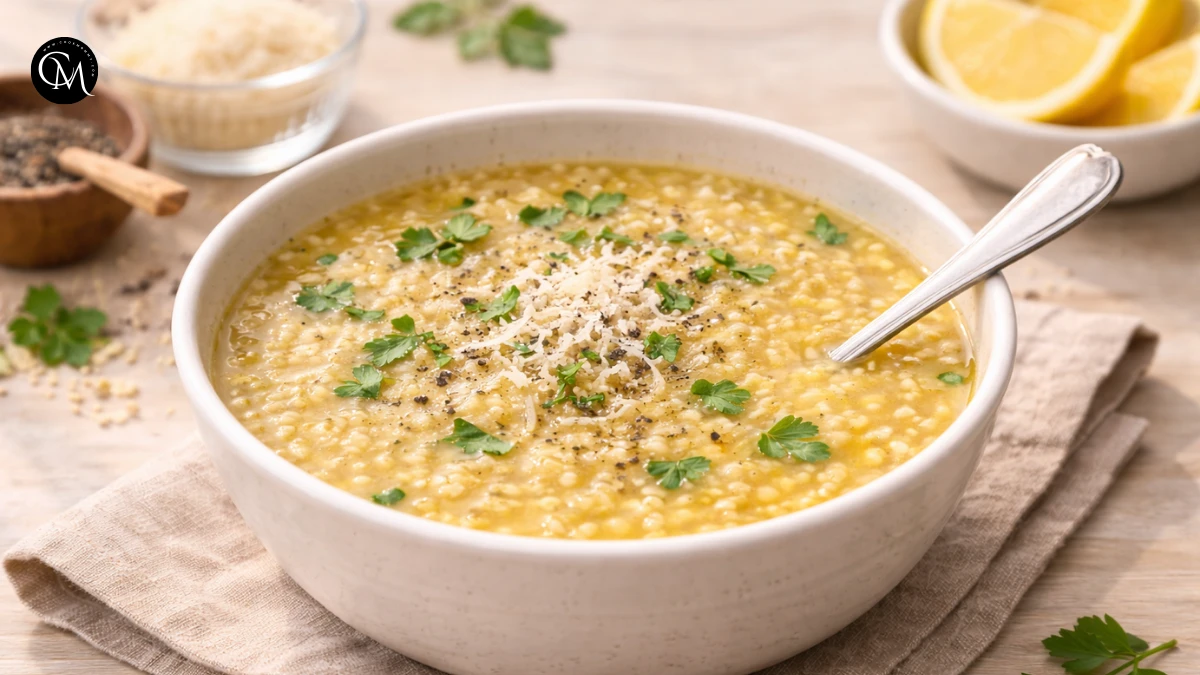
pastina soup: Big Comfort and Flavor from 3 Ingredients
A bowl of pastina soup has a special way of bringing comfort with every spoonful. It’s smooth without being heavy, soothing yet flavorful, and remarkably easy to prepare. Have you ever wondered why dishes with the fewest ingredients often feel the most satisfying? That simplicity is exactly what makes this Italian classic so beloved. Using only three basic components, pastina soup delivers a rich, cozy taste that feels like pure comfort.
Pastina translates to “tiny pasta” in Italian and has been a kitchen staple for generations. In many Italian families, it’s often the first solid food given to children and a trusted meal when someone feels under the weather. It’s even affectionately known as “nonna’s remedy,” believed to bring comfort during colds, fatigue, or tough days.
What truly sets this recipe apart is how effortless it is. It cooks quickly, requires almost no preparation, and relies on pantry essentials. Compared to heavier comfort meals like cream-based soups or slow-cooked stews, pastina soup is lighter, faster, and just as comforting. It’s gentle on digestion, perfect for busy evenings, and enjoyed by all ages.
If you love nourishing recipes that focus on simplicity without compromising taste, this pastina soup deserves a place in your regular rotation. Let’s explore how just three ingredients can create such satisfying flavor.
Table of Contents
Ingredients List
One of the greatest advantages of pastina soup is its short ingredient list. Each element contributes directly to the final taste and texture.
Pastina (small pasta shapes)
These tiny stars or grains cook rapidly and help create the soup’s naturally creamy consistency.
Substitution: Acini di pepe, orzo, or fine couscous can be used if pastina isn’t available.
Broth (chicken or vegetable)
The broth provides the foundation of flavor, so quality matters.
Substitution: Low-sodium broth works well if you prefer to adjust seasoning yourself.
Egg or butter (optional but traditional)
A whisked egg adds smoothness and richness, while butter deepens the overall flavor.
Substitution: Olive oil or plant-based butter for a dairy-free option.
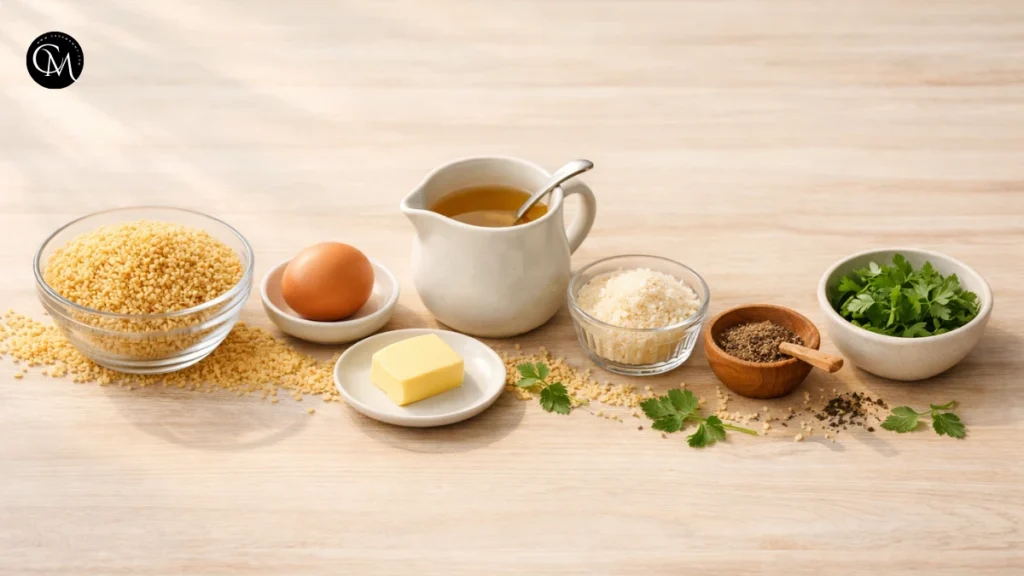
Optional additions like grated Parmesan, black pepper, or fresh herbs can enhance the soup, but the base recipe is delicious on its own.
Timing
Pastina soup is one of the quickest comfort dishes you can prepare.
- Preparation time: 5 minutes
- Cooking time: 10 minutes
- Total time: 15 minutes
With a total cook time of just 15 minutes, this soup is significantly faster than most homemade soups, making it ideal for quick meals or last-minute cravings.
Step-by-Step Instructions
Step 1: Warm the Broth
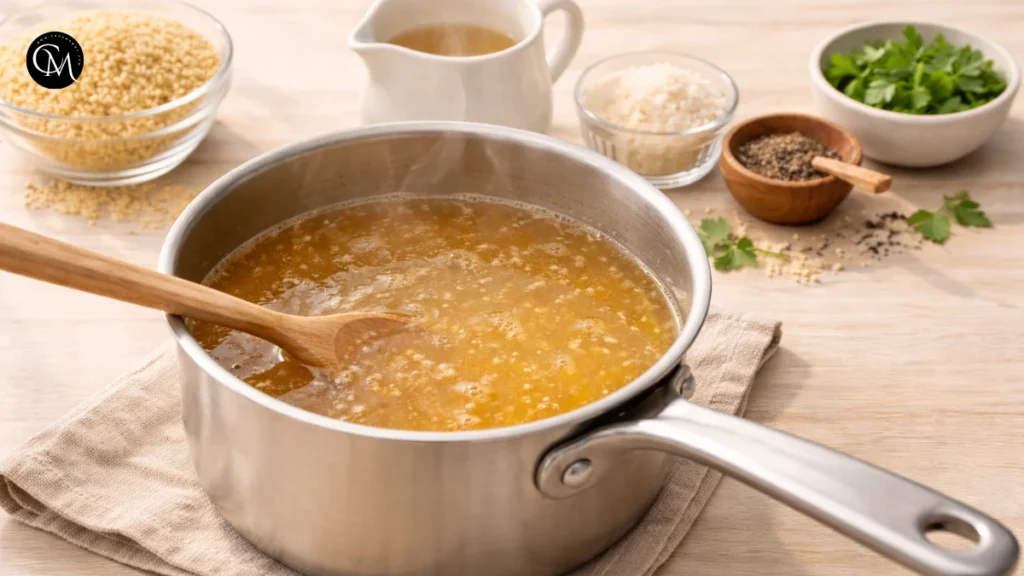
Pour the broth into a saucepan and bring it to a gentle boil over medium heat.
Tip: Taste the broth first and adjust seasoning if needed.
Step 2: Cook the Pastina
Add the pastina to the simmering broth and lower the heat. Cook for 5–7 minutes or until tender.
Tip: Stir often to prevent sticking.
Step 3: Build Creaminess
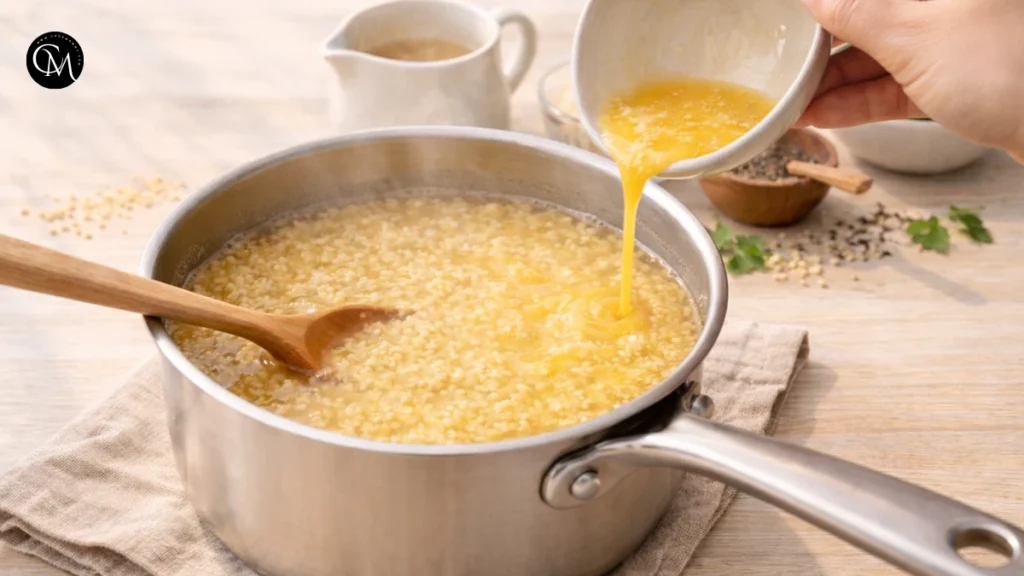
As the pasta cooks, the soup will naturally thicken. If using an egg, slowly stir it in while continuously mixing.
Tip: Remove the pan from direct heat before adding the egg for a silky finish.
Step 4: Add Butter or Cheese
Stir in butter or Parmesan to enhance richness and balance the flavors.
Tip: Add cheese gradually to avoid oversalting.
Step 5: Taste and Serve
Season with salt and black pepper as needed. Serve immediately while hot.
Tip: If the soup becomes too thick, thin it with warm broth or water.


Nutritional Information
Pastina soup offers comfort without heaviness.
Approximate nutrition per serving:
- Calories: 220 kcal
- Protein: 8 g
- Carbohydrates: 28 g
- Fat: 8 g
- Sodium: 480 mg
Insight: Compared to cream-heavy soups, pastina soup typically contains around 35% fewer calories while still being filling.
Healthier Alternatives for the pastina soup
This recipe is easy to adapt to different dietary needs.
- Reduce sodium by using homemade or low-salt broth
- Increase protein with shredded chicken or legumes
- Make it dairy-free by skipping butter and cheese
- Choose whole-grain or legume-based pasta for extra fiber
- Use gluten-free pasta or rice if needed
These adjustments keep the soup comforting while making it more flexible.
Serving Suggestions
Pastina soup pairs beautifully with simple sides.
- Serve with crusty bread or toast
- Add a soft-boiled egg for extra protein
- Garnish with fresh parsley or basil
- Pair with a light salad for a complete meal
For children, serve it plain and warm. For adults, finish with olive oil and extra Parmesan for added depth.
Common Mistakes to Avoid
- Cooking the pasta too long, which makes it mushy
- Using bland broth, which reduces overall flavor
- Adding egg over high heat, causing curdling
- Salting too early before cheese is added
Avoiding these ensures a smooth, flavorful soup every time.
Storing Tips for the pastina soup
Pastina soup tastes best fresh but can be stored briefly.
- Refrigerate in an airtight container for up to 2 days
- Reheat with added broth or water, as the pasta absorbs liquid
- Freezing is not recommended due to texture changes
For meal prep, store the broth and pasta separately until serving.
Conclusion
Pastina soup is proof that simple ingredients can deliver incredible comfort. With minimal effort, fast cooking time, and endless variations, it’s a recipe that fits every lifestyle. Give it a try, share your thoughts in the comments, leave a review on the blog, and subscribe for more easy, family-friendly recipes.
FAQs
What ingredients are in pastina soup?
It typically includes small pasta, broth, and butter or egg for richness.
Is pastina soup suitable for children?
Yes, it’s soft, mild, and easy to digest.
Can pastina soup be vegetarian?
Yes, simply use vegetable broth.
Why does the soup thicken so much?
Pastina absorbs liquid quickly. Adding more broth helps adjust consistency.
Can I prepare pastina soup ahead of time?
It’s best made fresh, but the broth can be prepared in advance.
Tried it before ?
There are no reviews yet. Be the first one to write one.