
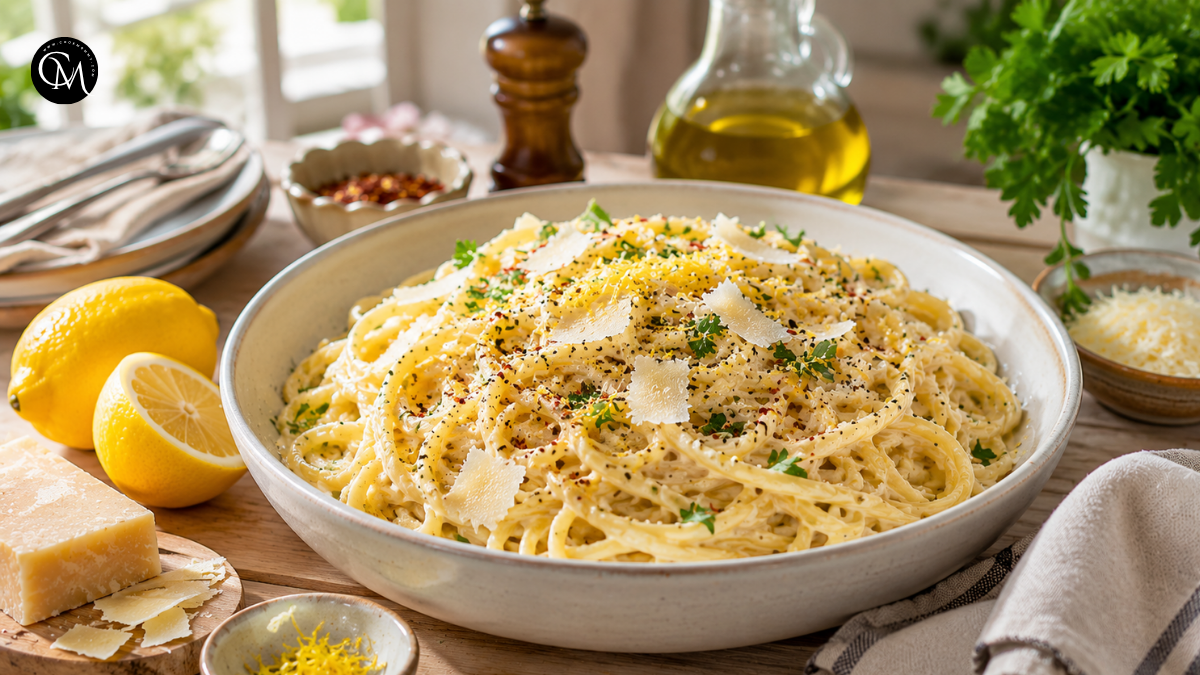
Creamy lemon pasta: How 5 Steps Make It Easy
Can a pasta dinner taste rich and comforting without feeling heavy? That is exactly why Creamy lemon pasta has become such a favorite in my kitchen. It gives you the cozy texture of a creamy sauce, but the fresh lemon keeps every bite bright, balanced, and lively. Instead of needing a long list of ingredients or complicated restaurant techniques, this recipe uses simple pantry staples and a few smart steps to create a silky, flavorful dish.
Creamy lemon pasta is perfect for busy weeknights, quick lunches, or a relaxed weekend meal when you want something easy but still special. The sauce comes together while the pasta cooks, and the final dish tastes fresh, creamy, lightly tangy, and deeply satisfying. Once you understand how lemon, pasta water, cheese, and cream work together, this becomes one of those recipes you can make again and again with confidence.
Table of Contents
Ingredients List
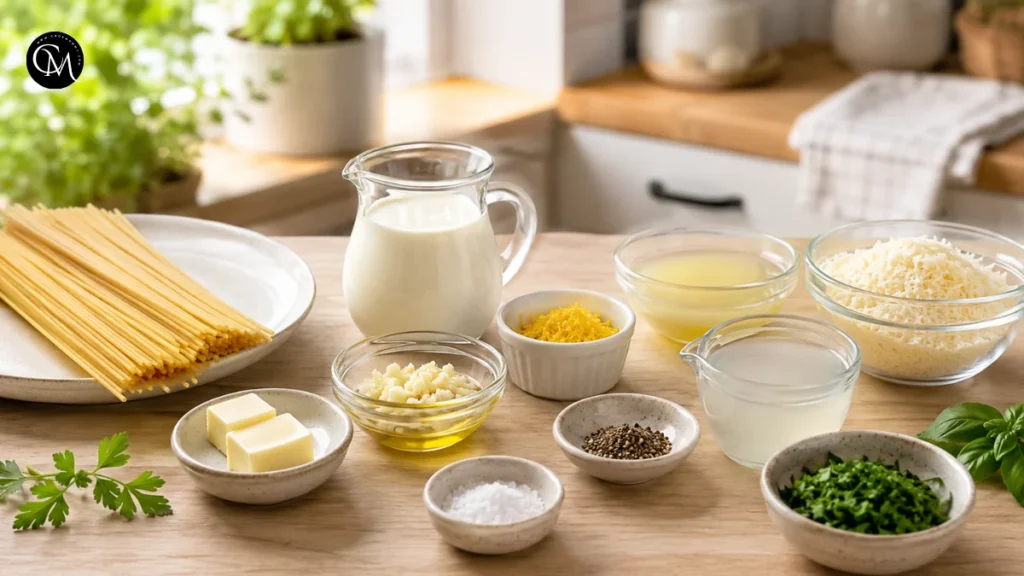
The beauty of Creamy lemon pasta is that it uses simple ingredients, but each one has a job. Choose good-quality basics, and the flavor will shine.
Ingredients:
- 12 oz spaghetti, linguine, fettuccine, or tagliatelle
- 2 tablespoons unsalted butter
- 1 tablespoon olive oil
- 3 garlic cloves, finely minced
- 1 cup heavy cream
- 1 teaspoon fresh lemon zest
- 3 tablespoons fresh lemon juice
- ¾ cup grated Parmesan cheese
- save ½ cup of the pasta cooking water, plus more if needed
- ½ teaspoon salt, or to taste
- ¼ teaspoon black pepper
- 1 tablespoon chopped parsley or basil
- Optional: red pepper flakes, grilled chicken, shrimp, peas, spinach, or roasted vegetables
Substitution ideas:
If you do not have heavy cream, you can use half-and-half for a lighter sauce, though it will be less rich. For a bolder, saltier taste, swap Parmesan with Pecorino Romano. To make it dairy-free, use plain oat cream or cashew cream with a plant-based Parmesan substitute. Gluten-free pasta also works well, but be gentle when stirring because it can break more easily.
Fresh lemon is important here. Bottled lemon juice can taste flat or harsh, while fresh lemon gives Creamy lemon pasta its clean, sunny flavor.
Timing
Preparation time: 10 minutes
Cooking time: 15 minutes
Total time: 25 minutes
Most creamy pasta recipes take around 30 to 40 minutes because they often include baked sauces, meat, or longer reductions. This Creamy lemon pasta is faster because the sauce is built directly in the pan while the pasta cooks. That means less waiting, fewer dishes, and a meal that feels homemade without taking over your evening.
Step-by-Step Instructions
Step 1 – Prepare ingredients
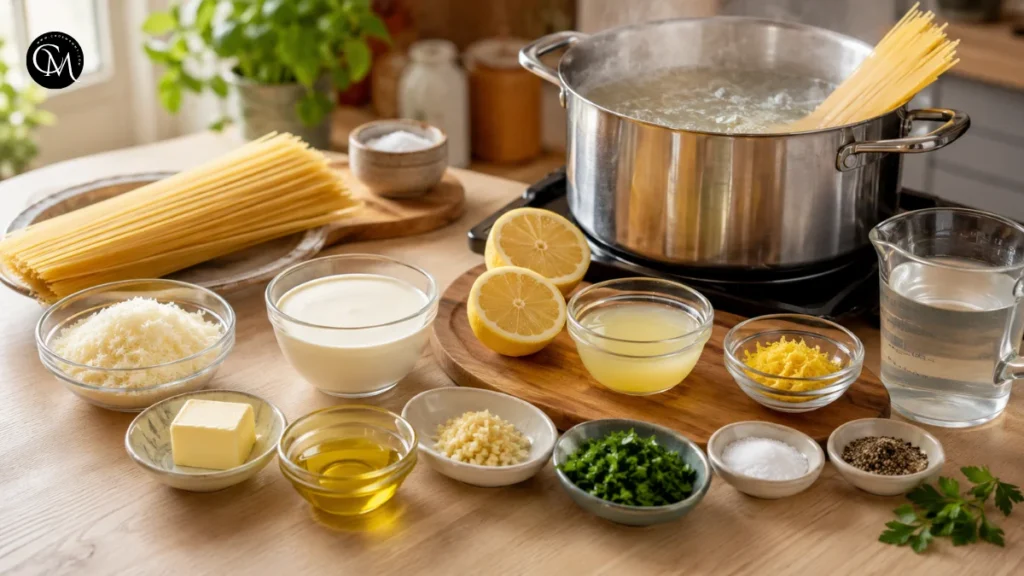
Before turning on the stove, measure and prepare everything. Zest the lemon first, then juice it. Mince the garlic, grate the Parmesan, chop the herbs, and keep your cream ready near the pan.
This small step matters because Creamy lemon pasta moves quickly once the pasta is cooked. If you wait to grate cheese or squeeze lemon at the last minute, the sauce can overheat or thicken too much. Freshly grated Parmesan also melts better than pre-shredded cheese, which often contains anti-caking ingredients that can make sauces grainy.
Fill a large pot with water, season it well with salt, and bring it to a steady boil. The water should taste lightly salty because this is your first chance to season the pasta from the inside. Stir in the pasta and cook it until it is firm but tender, using the package timing as a guide. Before draining, reserve at least 1 cup of pasta water.
Step 2 – Build flavor base
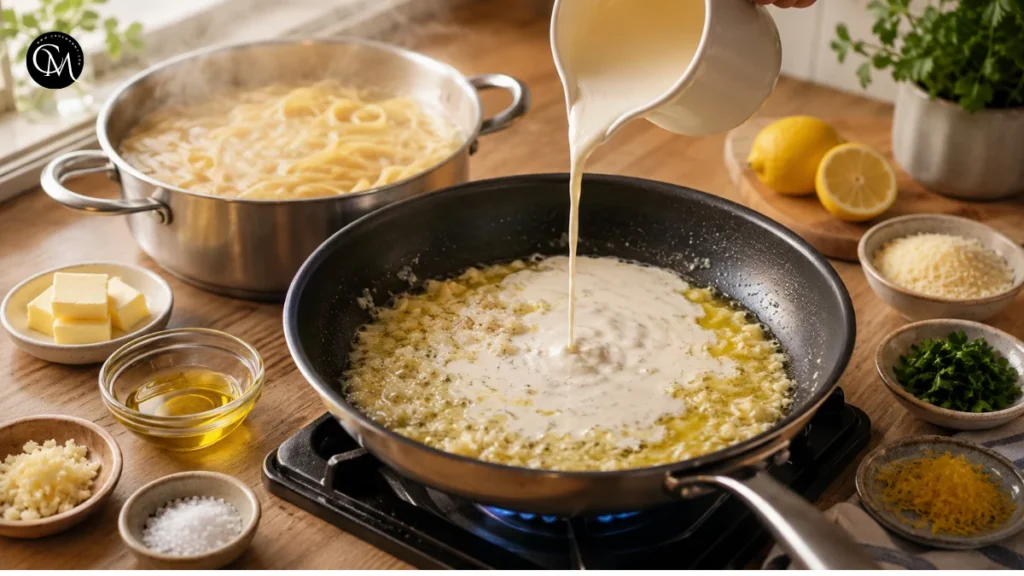
As the pasta boils, warm a wide skillet over medium heat. Add the butter and olive oil. Once the butter melts, add the minced garlic and cook for about 30 to 60 seconds, just until fragrant.
This step is where the flavor begins. Garlic releases its aroma into the fat, creating a gentle savory base for the sauce. Be careful not to brown it too much. Burnt garlic can taste bitter, and that bitterness stands out sharply against lemon.
Reduce the heat a little, pour in the cream, and let it heat slowly for 2 to 3 minutes. You do not need a hard boil. A gentle simmer helps the cream thicken slightly while staying smooth.This simple step helps Creamy lemon pasta taste smooth, balanced, and carefully made.
Step 3 – Cook the main ingredient
The pasta is the main ingredient, so texture matters. Cook it just until al dente, meaning tender but still firm in the center. Pasta continues to soften a little when tossed with the sauce, so avoid overcooking it in the pot.
To get the best texture, use a pasta shape that catches and carries the creamy lemon sauce. Long noodles like linguine, spaghetti, and fettuccine work beautifully because the creamy lemon sauce coats every strand. Short pasta like penne or rigatoni can also work, especially if you are adding chicken, peas, or vegetables.
Reserve the pasta water before draining.The starch in the cooking water helps the sauce turn silky and cling to the pasta. It helps loosen the cream, melt the cheese, and bind everything together without making the dish watery.
Step 4 – Combine everything
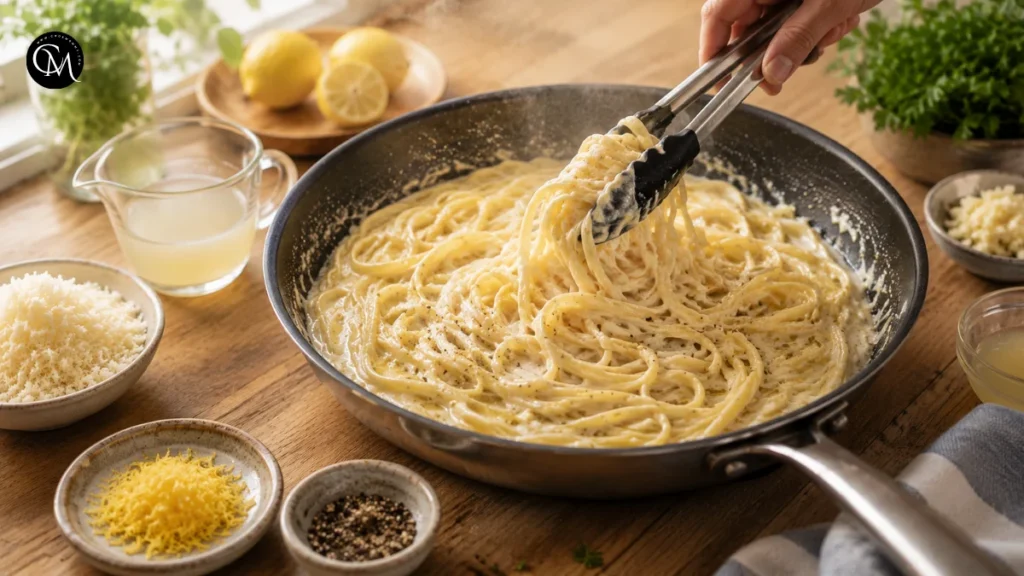
Transfer the cooked pasta into the skillet with the warm sauce. Toss it gently, then mix in lemon zest, lemon juice, Parmesan, black pepper, and a little pasta water.
This is the moment when Creamy lemon pasta becomes creamy, glossy, and balanced. The lemon juice brings brightness, the zest adds fragrant citrus oils, the Parmesan adds salty depth, and the pasta water helps everything cling to the noodles.
If the sauce feels heavy or dry, loosen it with small splashes of pasta water until creamy. If it looks too loose, keep tossing over low heat for another minute. Avoid high heat after adding the cheese because it can make the sauce separate or turn grainy.
Taste as you go. Lemon can vary in strength, and Parmesan can vary in saltiness, so small adjustments make a big difference.
Step 5 – Finish & adjust seasoning
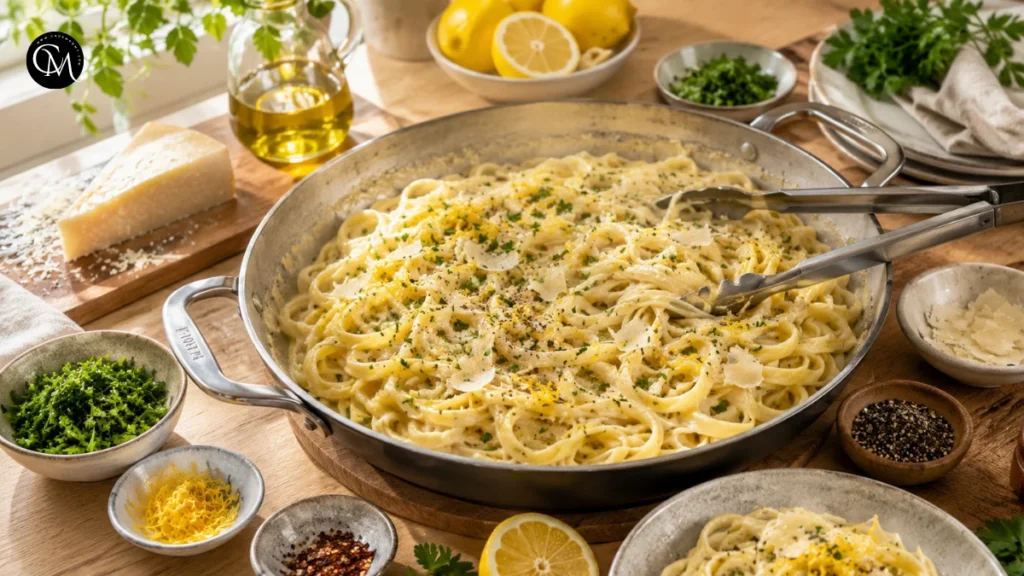
Remove the pan from the heat and toss the pasta once more before serving. Add more Parmesan if you want a deeper savory flavor, more lemon zest for freshness, or a small pinch of red pepper flakes for warmth.
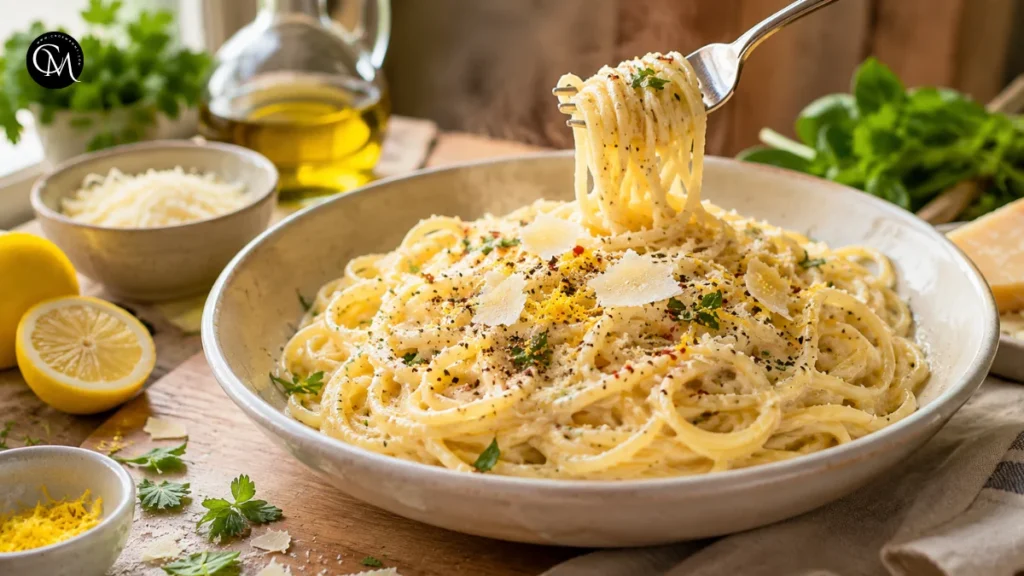
Chef-style advice: finish with texture and aroma. A sprinkle of herbs, cracked black pepper, and a little extra lemon zest makes Creamy lemon pasta look fresh and taste brighter. If you are serving guests, add a few curls of Parmesan on top for a simple restaurant-style finish.
Serve immediately. Creamy sauces are at their best when hot and freshly tossed. The longer pasta sits, the more sauce it absorbs, so bring it to the table right away.
Nutritional Information
Approximate values per serving, based on 4 servings:
| Nutrient | Amount |
|---|---|
| Calories | 520 |
| Carbohydrates | 58 g |
| Protein | 15 g |
| Fat | 26 g |
| Saturated Fat | 15 g |
| Fiber | 3 g |
| Sodium | 420 mg |
| Sugar | 3 g |
These numbers are estimates and can change depending on the pasta, cream, cheese, and add-ins you use. Creamy lemon pasta is a satisfying comfort dish, so balance it with vegetables, lean protein, or a fresh side salad if you want a lighter overall meal.
Healthier Alternatives
- Creamy lemon pasta can be adjusted for different needs without losing its fresh, creamy character.
- For a lighter version, use half-and-half instead of heavy cream and reduce the butter slightly. The sauce will be thinner, but the lemon zest and Parmesan still give strong flavor.
- For whole-grain options, use whole-wheat pasta. It adds a nutty taste and more fiber, which makes the dish feel heartier. Chickpea or lentil pasta can also add more protein, though the texture is different from traditional wheat pasta.
- For a dairy-free version, use unsweetened oat cream or cashew cream. Add nutritional yeast or a dairy-free Parmesan alternative for a savory finish. Keep the heat low to protect the sauce texture.
- For gluten-free Creamy lemon pasta, choose a quality gluten-free pasta and cook it carefully. Stir gently, and reserve pasta water early because gluten-free pasta can become soft quickly.
- For children, keep the lemon mild and skip red pepper flakes. For seniors or anyone who prefers softer food, cook the pasta just a little past al dente and add extra sauce for moisture. For dieters, add steamed broccoli, zucchini, spinach, or peas to increase volume while keeping the dish flavorful.
Serving Suggestions
- Creamy lemon pasta is lovely on its own, but it also pairs well with simple sides and proteins.
- Serve it with grilled chicken for a balanced dinner, or add sautéed shrimp for a fresh seafood-style meal. Roasted asparagus, broccoli, peas, or spinach fit naturally with the lemon flavor. A crisp green salad with cucumber and herbs also helps cut through the richness.
- For a cozy dinner, serve Creamy lemon pasta with garlic bread and a light tomato salad. For a more elegant plate, top it with seared salmon, extra lemon zest, and fresh basil. If you want a vegetarian meal, add roasted mushrooms or artichoke hearts for deeper flavor.
- My favorite way is to serve it in shallow bowls with a little Parmesan, black pepper, and parsley on top. It looks simple, bright, and inviting without needing much decoration.
Common Mistakes to Avoid
- Overcooking the pasta Soft pasta can make the dish feel heavy. Cook it al dente so it holds its shape when tossed with the sauce.
- Adding lemon too early Lemon juice can taste dull if cooked too long. Add it near the end for the freshest flavor.
- Using high heat after adding cheese High heat can cause Parmesan to clump or separate. Keep the pan on low heat and toss gently.
- Forgetting pasta water Pasta water helps create a silky sauce. Plain water does not work the same because it lacks starch.
- Using bottled lemon juice Fresh lemon gives Creamy lemon pasta its bright, clean taste. Bottled juice can taste too sharp.
- Underseasoning the final dish Cream and pasta need enough salt, pepper, and lemon to taste balanced. Always taste before serving.
Storing Tips for the Recipe
- Store leftover Creamy lemon pasta in an airtight container in the refrigerator for up to 3 days. The sauce will thicken as it cools because the pasta absorbs moisture.
- To reheat, place it in a skillet over low heat with a splash of milk, cream, or water. Stir gently until the sauce loosens. Avoid microwaving too long at high heat because creamy sauces can separate.
- For meal prep, you can grate the Parmesan, mince the garlic, zest the lemon, and chop herbs ahead of time. Keep everything in separate containers so the flavors stay fresh. I do not recommend fully cooking the dish too far ahead because the sauce tastes best right after tossing.
- This recipe became one of my regular meals because it feels special but does not demand much time. On busy days, Creamy lemon pasta gives me that comforting homemade feeling with very little effort.
Conclusion
Creamy lemon pasta is the kind of recipe every home cook should keep close. It is quick, comforting, fresh, and flexible enough for weeknight dinners or casual entertaining. With only five main steps, you can build a silky sauce, balance it with bright lemon, and turn simple pasta into something that tastes restaurant-worthy. The best part is how easy it is to adapt with vegetables, chicken, shrimp, or lighter ingredients.
Try this Creamy lemon pasta the next time you need a simple dinner that still feels special. If you make it, leave a comment or review with your favorite add-ins. Subscribe for more easy recipes, practical cooking tips, and fresh meal ideas for everyday home cooking.
FAQs
Can I make Creamy lemon pasta without cream?
Yes. Use half-and-half, evaporated milk, oat cream, or cashew cream. The texture changes slightly, but the lemon and Parmesan still bring plenty of flavor.
What pasta shape works best?
Linguine, spaghetti, fettuccine, and tagliatelle are excellent because they hold the sauce well. Short pasta also works if you add vegetables or protein.
Can I add chicken or shrimp?
Yes. Grilled chicken, pan-seared shrimp, or salmon make Creamy lemon pasta more filling while keeping the dish fresh and balanced.
Why did my sauce turn grainy?
The heat was probably too high after adding cheese. Use low heat, freshly grated Parmesan, and pasta water to keep the sauce smooth.
Can I make it ahead of time?
You can prep ingredients ahead, but the finished pasta tastes best fresh. If storing leftovers, reheat gently with a splash of liquid.
How do I make the lemon flavor stronger?
Add more lemon zest instead of too much juice. Zest gives bright citrus aroma without making the sauce overly sour.
Is Creamy lemon pasta good for kids?
Yes. Keep the lemon mild, skip spicy flakes, and use a familiar pasta shape. You can also add peas or chicken for a simple family meal.
Tried it before ?
There are no reviews yet. Be the first one to write one.