
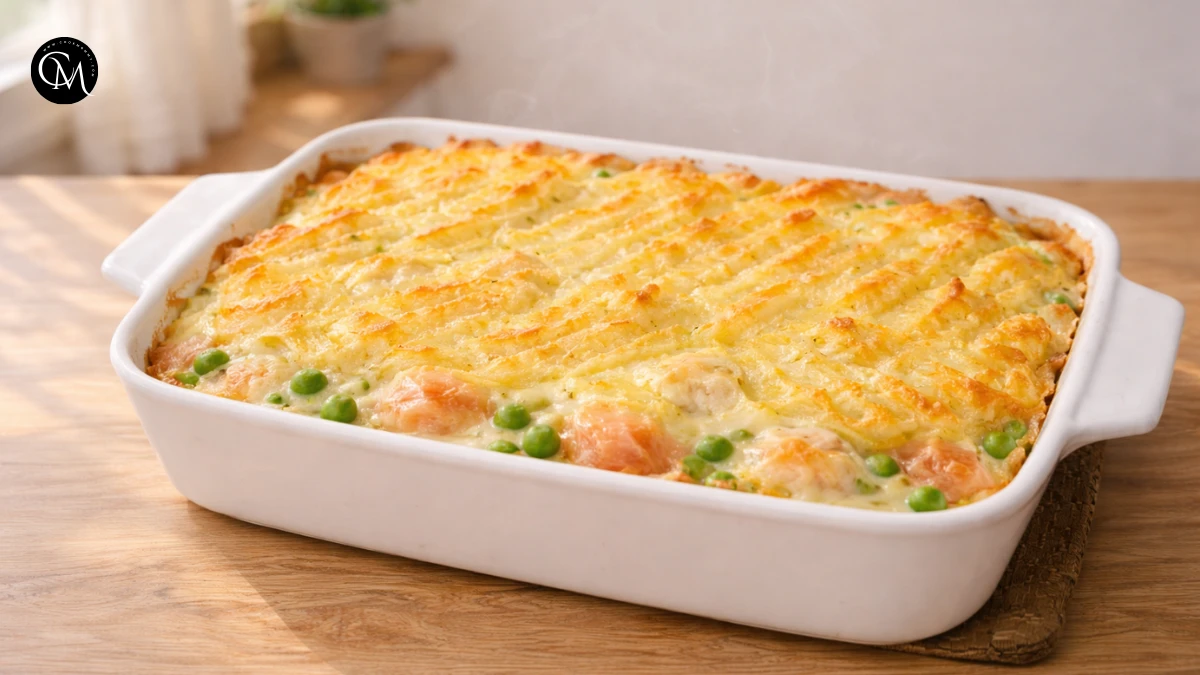
fish pie How to Make It in 5 Easy Comforting Steps
When was the last time you made a dish that felt both nourishing and deeply comforting, without being complicated or time-consuming? Many people assume fish pie is heavy, old-fashioned, or tricky to get right but that couldn’t be further from the truth. A well-made fish pie is creamy, balanced, and surprisingly light, with layers of flavor that feel familiar yet special.
This dish has been loved for generations, especially in coastal and family-centered cultures, because it turns simple ingredients into something truly satisfying. Traditionally served during colder months or for Sunday family meals, fish pie was a practical way to stretch seafood into a hearty, oven-baked dinner. Today, it remains a timeless comfort food perfect when you want warmth, nutrition, and a sense of home on one plate.
Table of Contents
Ingredients List
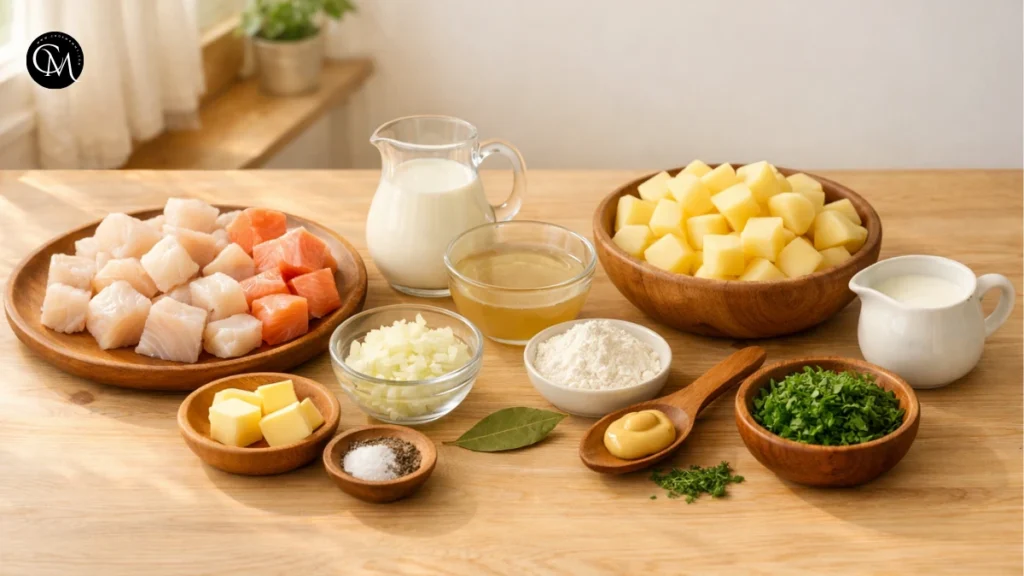
A good fish pie starts with quality ingredients and thoughtful balance. Here’s what you’ll need, along with flexible options to suit your kitchen.
For the Fish Filling
- 500 g mixed white fish (cod, haddock, pollock, or hake), cut into chunks
Firm, flaky, and mild these fish absorb the sauce beautifully. - 150 g salmon (optional), cubed
Adds richness, color, and a slightly buttery flavor. - 1 small onion, finely chopped
Sweetens gently as it cooks. - 1 cup milk (or unsweetened plant milk)
- 1 bay leaf
- Salt and black pepper, to taste
For the Creamy Sauce
- 2 tablespoons butter (or olive oil for dairy-free)
- 2 tablespoons all-purpose flour
- ½ cup cooking liquid from the fish
- ½ cup milk or cream
- 1 tablespoon Dijon mustard (optional, for depth)
- Fresh parsley or dill, finely chopped
For the Topping
- 700 g potatoes, peeled and cubed
- 2 tablespoons butter or olive oil
- Salt, to taste
Optional substitutions:
- Swap potatoes for sweet potatoes for a subtle sweetness.
- Use gluten-free flour if needed.
- Add peas, leeks, or spinach for extra texture and color.
Timing
- Preparation Time: 20 minutes
- Cooking Time: 30–35 minutes
- Total Time: About 55 minutes
Compared to many baked comfort dishes that take over 90 minutes, this fish pie is refreshingly efficient ideal for weeknights without sacrificing flavor.
Step-by-Step Instructions
Step 1: Gently Poach the Fish
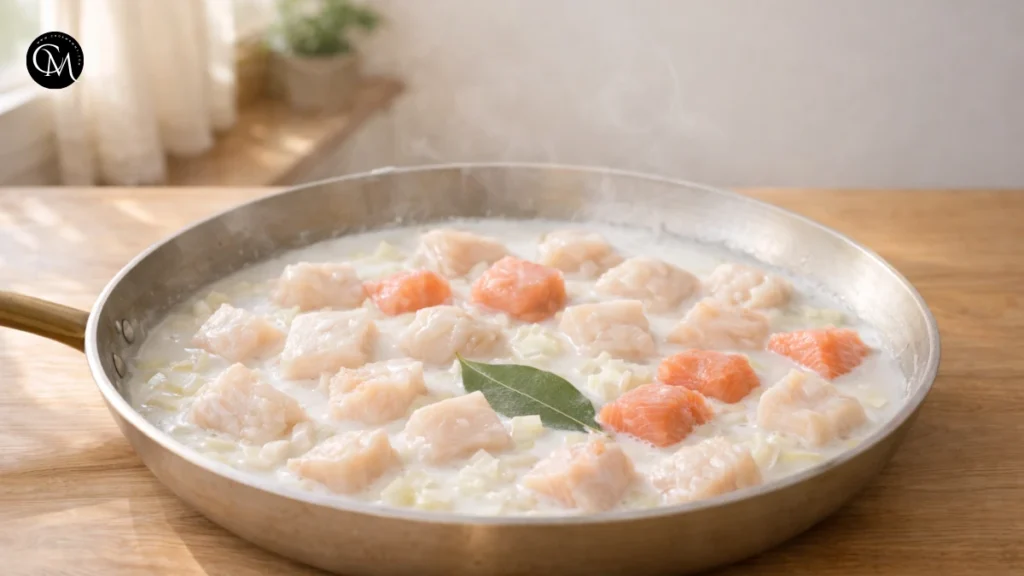
Place the fish pieces in a wide, shallow pan in a single layer. Add the chopped onion, bay leaf, and enough milk to just cover the fish. Set the heat to low and warm slowly until you see gentle steam rising from the surface the milk should never boil.
Let the fish poach quietly for 5–7 minutes, turning once if needed, until it is just opaque and barely cooked through. You’re not trying to fully cook it here only to firm it up slightly.
Why this matters: Gentle poaching protects the delicate proteins in the fish. Boiling would tighten them too fast, causing dryness and a chalky texture later. This slow start ensures the fish finishes cooking tenderly in the oven.
Carefully lift the fish out with a slotted spoon and transfer to a plate. Strain and reserve the cooking liquid this milk is now infused with onion and bay flavor and will become the base of your sauce.
Step 2: Make the Creamy Sauce
In a clean saucepan, melt the butter over medium heat until foamy but not browned. Sprinkle in the flour and stir constantly to form a smooth paste. Cook for about 1 minute this removes the raw flour taste and creates a stable base.
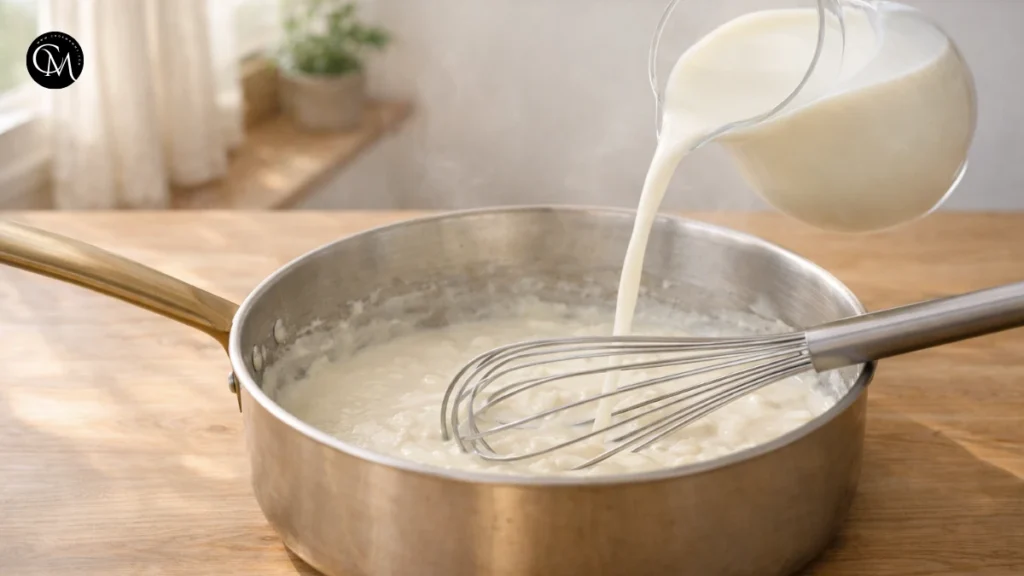
Gradually pour in the reserved fish milk, whisking continuously to prevent lumps. Add extra milk as needed until the sauce loosens and begins to thicken. Keep stirring until it reaches a smooth, glossy consistency.
Season lightly with salt and pepper, then stir in mustard and fresh herbs.
Tip: The ideal sauce should coat the back of a spoon and drip slowly when tilted. If it’s too thick, the pie will feel heavy. A gently pourable sauce keeps the filling moist and silky.
Step 3: Assemble the Filling
Break the poached fish into large, bite-sized chunks using your hands or a fork. Avoid shredding it generous pieces give a more satisfying texture.
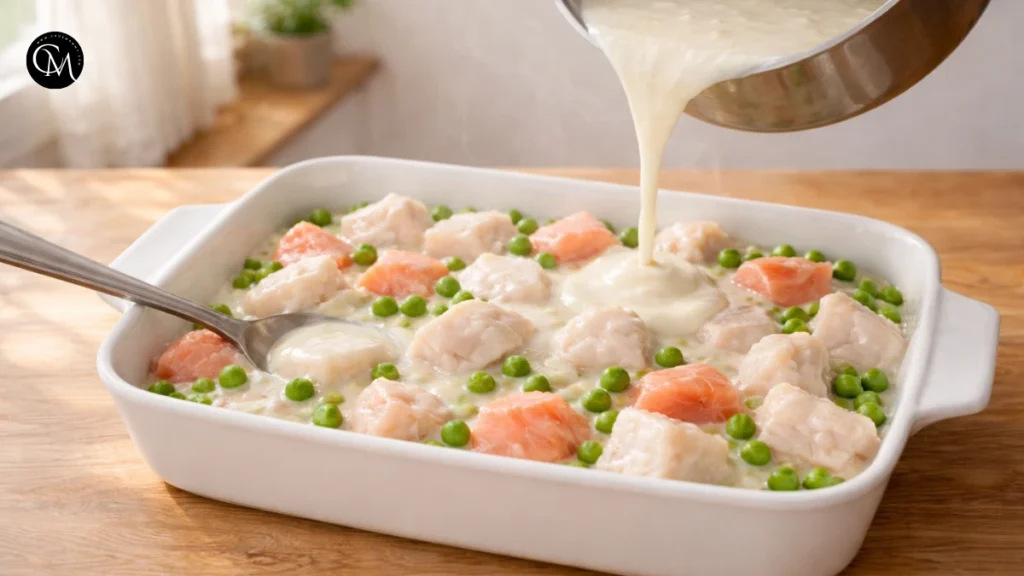
Arrange the fish evenly in a baking dish. Pour the warm sauce over the top, distributing it gently with a spoon so every piece is coated. If adding peas or vegetables, scatter them now.
Why gentle handling matters: Fish is fragile. Overmixing turns it mushy. Keeping the chunks intact preserves both structure and visual appeal when serving.
Step 4: Prepare the Potato Topping
Boil the potatoes in well-salted water until completely tender a knife should slide in with no resistance. Drain thoroughly and return them to the hot pot for 30 seconds to evaporate excess moisture.
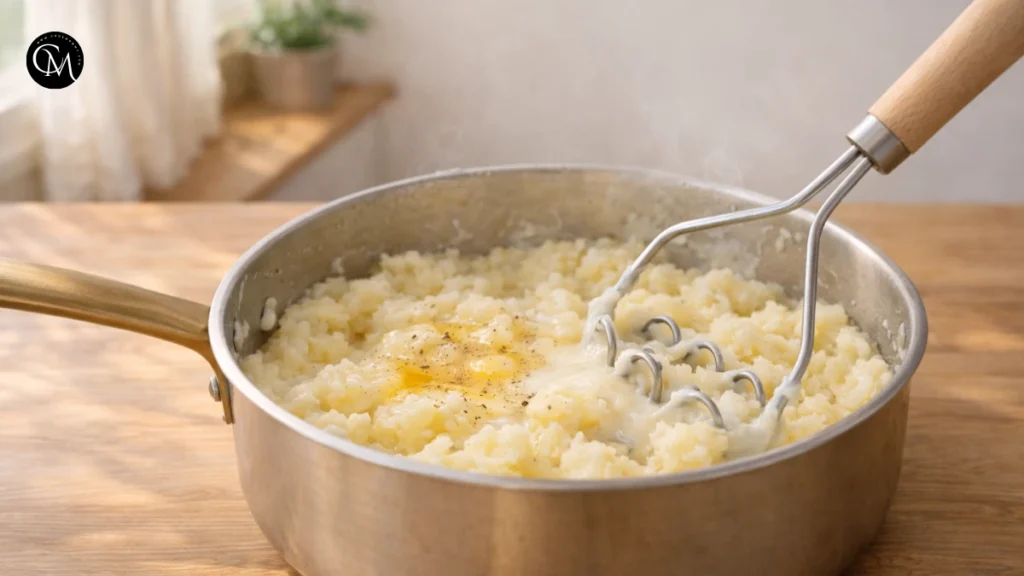
Mash with butter or olive oil until soft and fluffy. Season lightly. Taste the topping should be pleasant on its own, not bland.
For a rustic texture, stop mashing while a few small lumps remain. These crisp beautifully in the oven and add character.
Step 5: Bake Until Golden
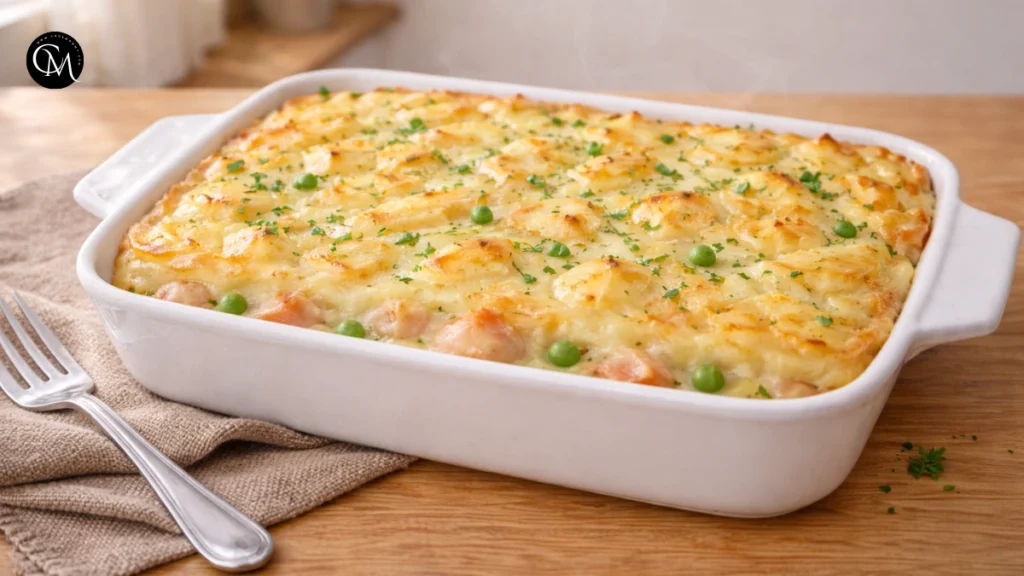
Spoon the mashed potatoes over the filling, spreading gently to seal the edges. Use a fork to create shallow ridges or waves across the surface these peaks brown faster and create a golden crust.
Bake at 190°C (375°F) for 25–30 minutes until bubbling at the edges and lightly crisp on top.
Remove from the oven and let the pie rest for about 5 minutes before serving.
Why resting matters: The sauce thickens slightly as it cools, helping the layers hold together when scooped instead of spilling out.
Nutritional Information (Approximate, per serving)
Approximate values per serving:
- Calories: 420–480 kcal
- Protein: 28–32 g
- Carbohydrates: 35–40 g
- Fat: 18–22 g
- Fiber: 4 g
Fish pie provides a balanced combination of protein, carbohydrates, and fats. The fish contributes essential nutrients, while potatoes offer sustained energy, making this a satisfying yet moderate meal when enjoyed in proper portions.
Healthy Substitutions
You can easily adapt fish pie for different dietary needs:
- Lower fat: Use olive oil instead of butter and semi-skimmed milk.
- Whole-food option: Replace part of the potatoes with mashed cauliflower.
- Dairy-free: Use plant-based milk and olive oil; the sauce still thickens well.
- Gluten-free: Substitute flour with cornstarch or a gluten-free blend.
These changes keep the comforting nature of fish pie while adapting it for children, seniors, or specific dietary needs.
Serving Suggestions
Serve fish pie with:
- Serve with steamed green beans or broccoli for freshness.
- Add a simple green salad with lemon dressing to balance the creaminess.
- For family meals, place the dish in the center of the table and serve it casserole-style it encourages sharing and slows the pace of eating.
A personal tip: leftover fish pie tastes even better the next day, making it perfect for packed lunches.
Common Mistakes to Avoid
- Boiling the fish: Makes it rubbery always poach gently.
- Too thick sauce: Results in a dry pie; keep it spoon-soft.
- Over-seasoning early: Fish absorbs salt quickly season lightly.
- Watery potatoes: Drain thoroughly before mashing.
- Skipping rest time: Cutting too soon causes the layers to slide.
Storage Tips
- Room Temperature: Let cool, but don’t leave out longer than 2 hours.
- Refrigerator: Store covered for up to 2 days.
- Freezer: Freeze fully assembled but unbaked for up to 2 months.
Reheat gently in the oven to maintain texture microwaving can soften the topping too much.
Conclusion
Fish pie is the definition of practical comfort cooking: affordable ingredients, forgiving steps, and deeply satisfying flavor. In under an hour, you get a creamy, protein-rich dinner that feels special without requiring advanced skills. The combination of flaky fish, velvety sauce, and golden mash makes it a reliable crowd-pleaser for families, guests, and solo dinners alike.
If you’ve been hesitant to cook fish at home, this recipe is the perfect starting point. Try it this week, customize it to your taste, and make it part of your regular rotation. When you do, leave a comment or review to share your results. Your feedback helps other readers cook with confidence. And if you enjoy practical comfort recipes like this, subscribe for more kitchen-tested ideas that make everyday cooking easier and more delicious.
Frequently Asked Questions
1. Can I use frozen fish?
Yes, just thaw completely and pat dry before cooking.
2. Why is my fish pie watery?
Usually from under-thickened sauce or excess moisture in the fish.
3. Can I prepare fish pie ahead of time?
Absolutely. Assemble, refrigerate, and bake when needed.
4. What fish works best for beginners?
Cod or haddock they’re mild and forgiving.
5. Can I add cheese to the topping?
A small amount of grated cheese is fine, but keep it light.
6. Is fish pie suitable for children?
Yes, especially with mild fish and minimal seasoning.
7. How do I get a crisp topping?
Rough up the mash with a fork and bake uncovered for the final minutes.
Tried it before ?
There are no reviews yet. Be the first one to write one.