
Best French custard tart: How 5 Steps Create Silky Filling
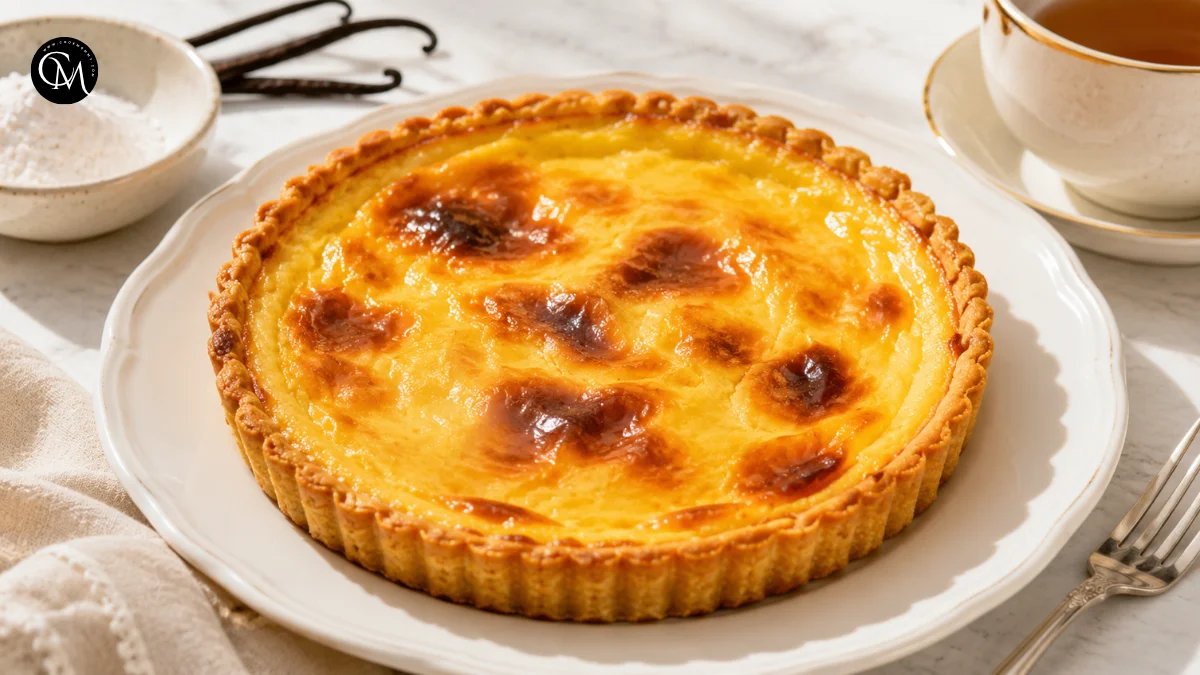
Did you know that many custard tarts fail not because of the ingredients, but because the filling is heated too quickly or the crust is not prepared properly? That small detail can turn a smooth, creamy dessert into a cracked or watery tart. This French custard tart is worth making because it uses simple ingredients, a buttery crust, and a gentle baking method to create a silky vanilla filling that feels elegant without being difficult.
A good French custard tart should taste rich but not heavy. The pastry should be crisp enough to hold the filling, while the custard should be soft, smooth, and lightly sweet. This recipe is perfect for weekend baking, family gatherings, tea time, or a classic dessert after dinner. With five clear steps, you will learn how to prepare the dough, build flavor, cook the custard carefully, combine the elements, and finish the tart like a home baker with professional confidence.
Table of Contents
Ingredients List
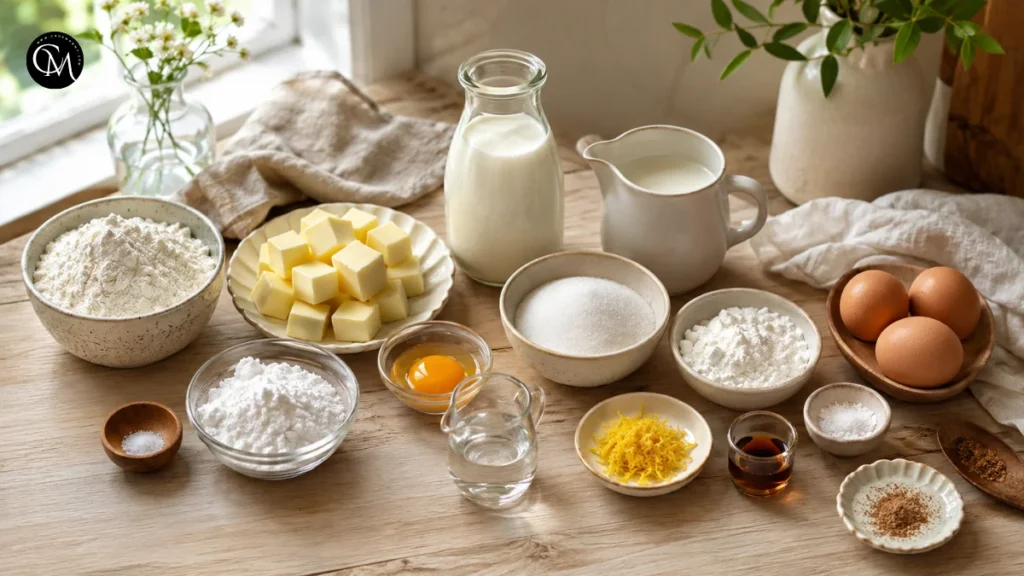
For a classic French custard tart, choose ingredients that are fresh and simple. Since this dessert depends on texture, quality matters.
For the pastry crust
- 1 ¼ cups all-purpose flour
- ½ cup cold unsalted butter, cut into cubes
- 2 tablespoons powdered sugar
- 1 egg yolk
- 2–3 tablespoons cold water
- ¼ teaspoon salt
For the custard filling
- 2 cups whole milk
- ½ cup heavy cream
- 3 large eggs
- ½ cup granulated sugar
- 2 tablespoons cornstarch
- 1 teaspoon pure vanilla extract
- 1 teaspoon lemon zest, optional
- A pinch of salt
- Ground nutmeg or powdered sugar for finishing, optional
Substitution ideas
You can use half-and-half instead of milk and cream, but the filling may be slightly lighter. For a warmer flavor, replace vanilla extract with vanilla bean paste. If you prefer a brighter dessert, lemon zest gives the French custard tart a fresh bakery-style aroma without making it taste sour.
For the crust, pastry flour creates a more delicate bite, while all-purpose flour gives reliable structure. Cold butter is important because it creates a tender, flaky texture.
Timing
- Preparation time: 25 minutes
- Chilling time: 30 minutes
- Baking time: 40–45 minutes
- Total time: About 1 hour 40 minutes
Many custard tart recipes take around 2 hours when blind baking and cooling are included. This version keeps the method practical while still giving the crust enough time to chill and the filling enough time to set properly.
Step-by-Step Instructions
Step 1 – Prepare ingredients
Start by measuring all ingredients before you begin. This step may sound simple, but preparation is one of the biggest secrets behind a smooth French custard tart. Custard moves quickly once heat is involved, so having milk, eggs, sugar, and cornstarch ready prevents overcooking.
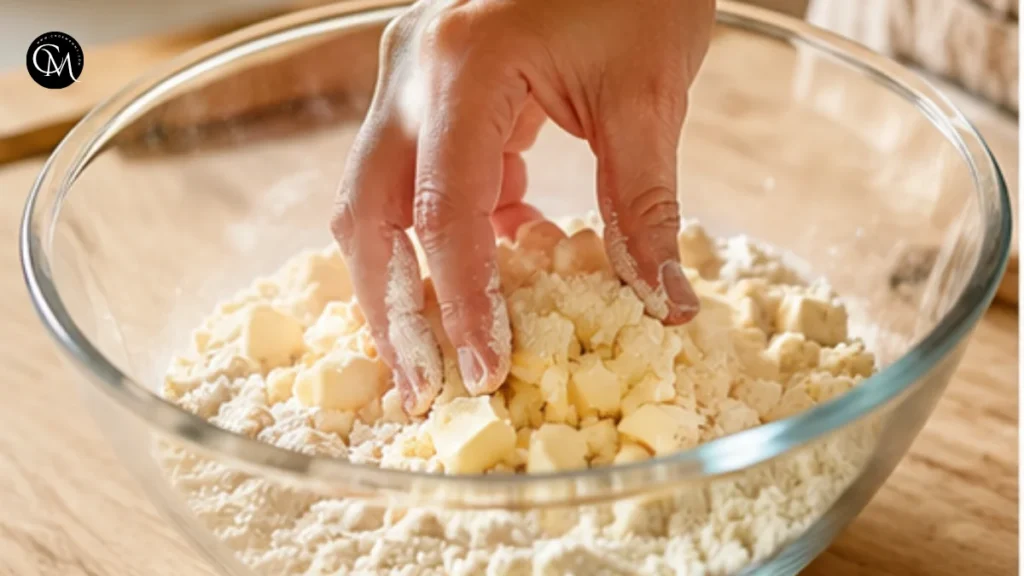
For the crust, add flour, powdered sugar, and salt to a bowl. Rub in the cold butter with your fingertips until the mixture looks like coarse crumbs. Add the egg yolk, then cold water one tablespoon at a time until the dough comes together. Do not overmix. Overworking the dough can make the crust tough instead of tender.
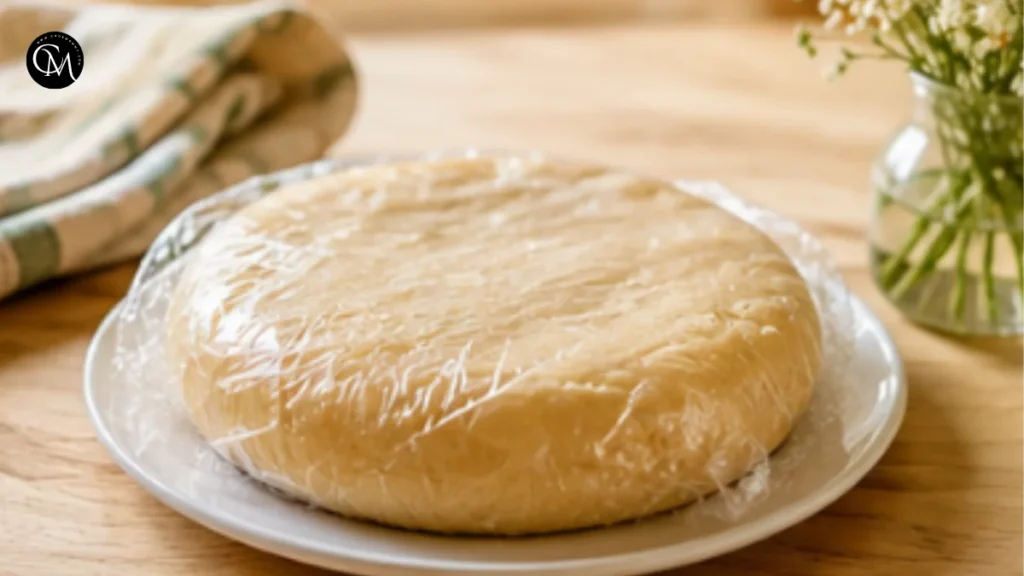
Shape the dough into a flat disk, wrap it, and chill for 30 minutes. Chilling relaxes the gluten and firms the butter. This helps the pastry bake with a crisp, delicate texture.
Step 2 – Build flavor base
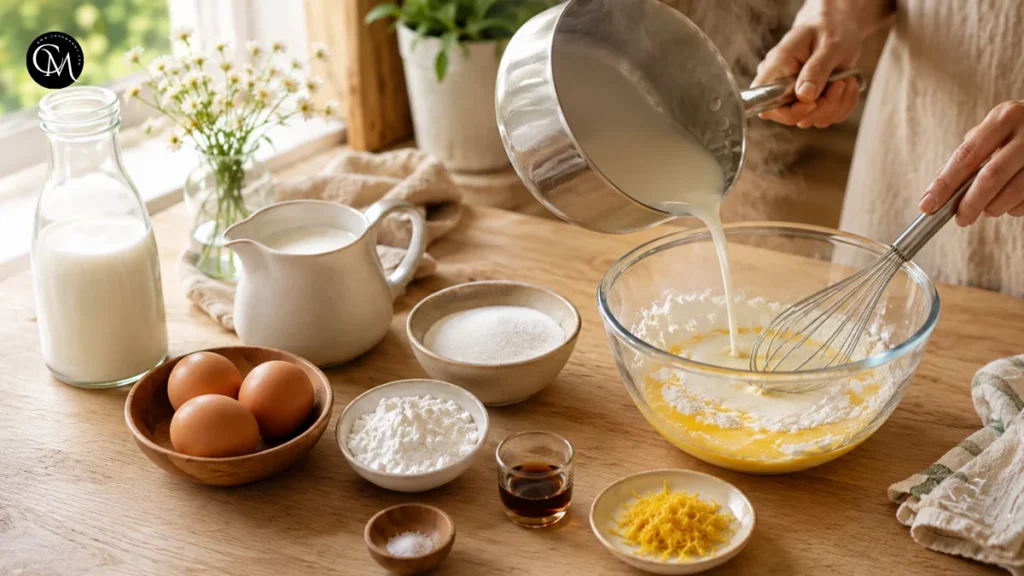
While the dough chills, begin the custard flavor base. Warm the milk and cream in a saucepan over medium-low heat until steaming, not boiling. This gentle heating helps the dairy blend smoothly with the eggs later.
In a separate bowl, whisk the eggs, sugar, cornstarch, vanilla, salt, and lemon zest if using. The sugar helps loosen the eggs, while cornstarch gives the custard extra stability. This is helpful because a French custard tart should slice cleanly but still feel soft and creamy.
Cooking science matters here. Eggs thicken when heated, but they can scramble if exposed to high heat too fast. That is why you slowly pour the warm milk into the egg mixture while whisking constantly. This process is called tempering. It gradually raises the temperature of the eggs and keeps the custard silky.
Step 3 – Cook the main ingredient
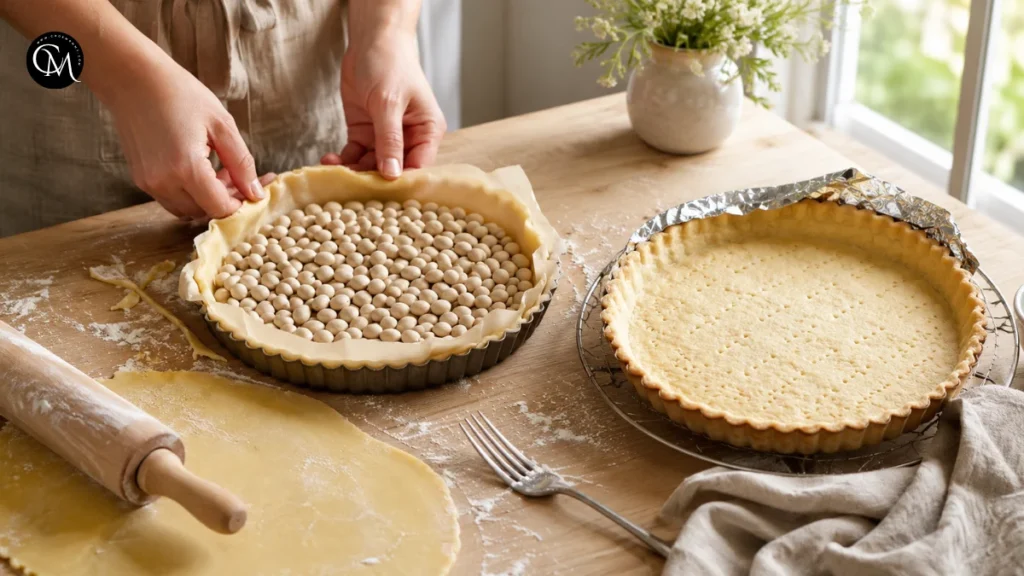
Roll the chilled dough on a lightly floured surface and place it into a tart pan. Press it gently into the edges, then trim the excess. Prick the base with a fork. Line the crust with parchment paper and fill it with pie weights or dried beans.
Bake the crust at 375°F for about 12 minutes, then remove the weights and bake for another 5 minutes. This is called blind baking, and it prevents the bottom from becoming soggy once the custard is added.
Texture tip: the crust should look lightly golden, not dark brown. A pale but set crust gives the French custard tart structure while allowing the custard to finish baking gently. If the edges brown too quickly, cover them loosely with foil.
Step 4 – Combine everything
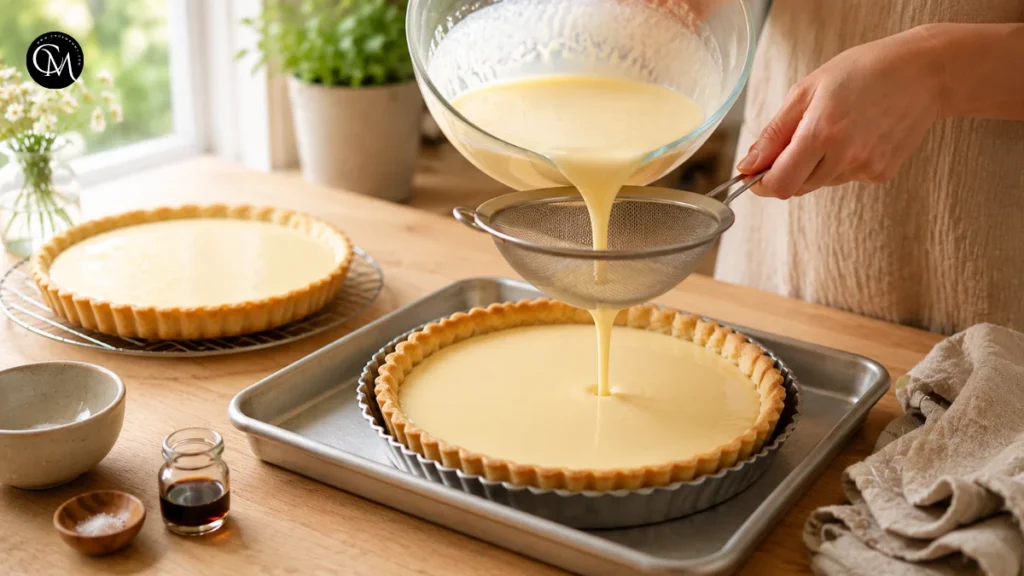
Lower the oven temperature to 325°F. Pour the prepared custard through a fine sieve into the warm tart shell. Straining removes small bits of cooked egg or zest, giving the filling a smoother texture.
Place the tart pan on a baking sheet before filling if possible. This makes it easier to move without spilling. The custard should come close to the top but not overflow.
The balance of flavors is important. The crust brings buttery richness, the custard adds creamy sweetness, and the vanilla gives aroma. A pinch of salt may seem small, but it makes the French custard tart taste more rounded and less flat.
Bake for 25–30 minutes, or until the edges are set and the center has a slight wobble. The custard will continue to firm as it cools.
Step 5 – Finish & adjust seasoning
Remove the tart from the oven and let it cool at room temperature. Do not slice it immediately. Custard needs time to settle, and cutting too early can make the filling loose.
Once cooled, chill the tart for at least 1 hour if you want neat slices. Before serving, dust lightly with powdered sugar or a tiny pinch of nutmeg. Nutmeg gives the French custard tart a classic bakery flavor, while powdered sugar creates a softer, elegant finish.
Chef-style advice: taste a small edge of the custard after cooling. If you want more brightness next time, add lemon zest. If you want a deeper flavor, use vanilla bean paste. If you prefer a firmer slice, add one extra teaspoon of cornstarch.
Nutritional Information
Approximate values per slice, based on 8 servings:
| Nutrient | Amount |
|---|---|
| Calories | 290–330 |
| Carbohydrates | 32g |
| Protein | 7g |
| Fat | 16g |
| Sugar | 16g |
| Fiber | 1g |
| Sodium | 120mg |
This French custard tart is a dessert, so it is meant to be enjoyed in reasonable portions. The eggs and dairy add protein and richness, while the pastry adds most of the fat and carbohydrates. For a balanced serving, pair a small slice with fresh fruit or unsweetened tea.
Healthier Alternatives
A French custard tart can be adjusted without losing its creamy charm.
- For a lower-sugar version, reduce the sugar from ½ cup to ⅓ cup. The custard will still taste pleasant, especially if you use good vanilla and a little lemon zest.
- For a whole-grain option, replace one-third of the all-purpose flour with whole wheat pastry flour. Avoid using only whole wheat flour because it can make the crust dense.
- For a dairy-free version, use unsweetened almond milk or oat milk with a dairy-free cream alternative. The flavor will be slightly different, but vanilla and lemon zest help keep it delicious.$
- For gluten-free needs, use a reliable gluten-free pastry flour blend. Chill the dough well because gluten-free crusts can be more delicate.
- For children, serve smaller slices with berries. For seniors, a softer crust and slightly less sugar may be more enjoyable. For lighter desserts, skip whipped cream toppings and use fruit instead.
Serving Suggestions
Serve French custard tart chilled or at cool room temperature. It tastes beautiful with sliced strawberries, raspberries, blueberries, or poached pears. Fresh fruit adds color and freshness that balances the creamy filling.
For a café-style dessert, serve each slice with espresso, black tea, or a mild latte. If you want a special dinner presentation, add a spoonful of lightly whipped cream and a few curls of lemon zest.
This tart also works well for brunch. Slice it into thin wedges and place it beside fruit salad, croissants, or small cookies. For holidays, dust the top with powdered sugar and decorate with berries around the edge.
A helpful serving tip: use a sharp knife dipped in warm water, then wiped dry. This gives cleaner slices and makes the custard look smooth.
Common Mistakes to Avoid
- Boiling the milk too hard: Hot milk can cook the eggs too quickly. Warm it until steaming only.
- Skipping the sieve: Straining the custard makes the filling smoother and removes small lumps.
- Not chilling the dough: Warm pastry shrinks more in the oven. Chilling helps the tart shell keep its shape.
- Overbaking the custard: If the center is completely firm in the oven, it may become dry after cooling. A gentle wobble is ideal.
- Cutting too soon: A French custard tart needs cooling time. Slicing early can ruin the texture.
- Using too much flour when rolling: Extra flour can make the crust dry. Use only a light dusting.
Storing Tips for the French custard tart
Store leftover French custard tart in the refrigerator, covered loosely with plastic wrap or placed in an airtight container. It keeps well for up to 3 days. The texture is best during the first 24–48 hours because the crust stays firmer.
Avoid leaving the tart at room temperature for long periods because the filling contains eggs and dairy. For the freshest taste, chill it after serving.
You can prepare the pastry dough one day ahead and keep it wrapped in the refrigerator. You can also blind bake the crust a few hours before adding the custard.
This recipe became one of my regular desserts because it feels elegant but uses everyday ingredients. I like that it can be made ahead, slices beautifully after chilling, and always feels special with just a simple dusting of sugar.
Conclusion
A homemade French custard tart is one of those classic desserts that proves simple ingredients can create something truly memorable. With a buttery crust, silky vanilla custard, and a gentle baking method, this recipe gives you a smooth filling without complicated pastry techniques. The five-step method helps you understand the purpose behind each stage, from chilling the dough to tempering the eggs and baking the custard slowly.
Try this French custard tart for your next family dessert, brunch table, or weekend baking project. If you make it, leave a comment or review with your favorite topping idea. Subscribe for more practical baking recipes, helpful kitchen tips, and classic desserts made easier for home cooks.
FAQs
Can I make French custard tart ahead of time?
Yes. Make it one day ahead and keep it chilled. The custard sets well overnight, making the tart easier to slice neatly.
Why did my custard crack?
Cracks usually happen from overbaking or high oven heat. Bake gently and remove the tart when the center still has a slight wobble.
Can I use store-bought pastry?
Yes. Store-bought shortcrust pastry works well when you need a faster version. Blind bake it before adding the custard filling.
Should French custard tart be served warm or cold?
It is best served chilled or at cool room temperature. Cooling helps the custard set and gives cleaner slices.
Can I freeze this tart?
Freezing is not ideal because custard can become watery after thawing. For best texture, store it in the refrigerator instead.
How do I make the filling extra smooth?
Temper the eggs slowly, whisk constantly, and strain the custard before baking. These steps help prevent lumps.
What flavors go well with this tart?
Vanilla, lemon zest, nutmeg, berries, and caramel all pair beautifully with the creamy custard and buttery crust.
Tried it before ?
There are no reviews yet. Be the first one to write one.