
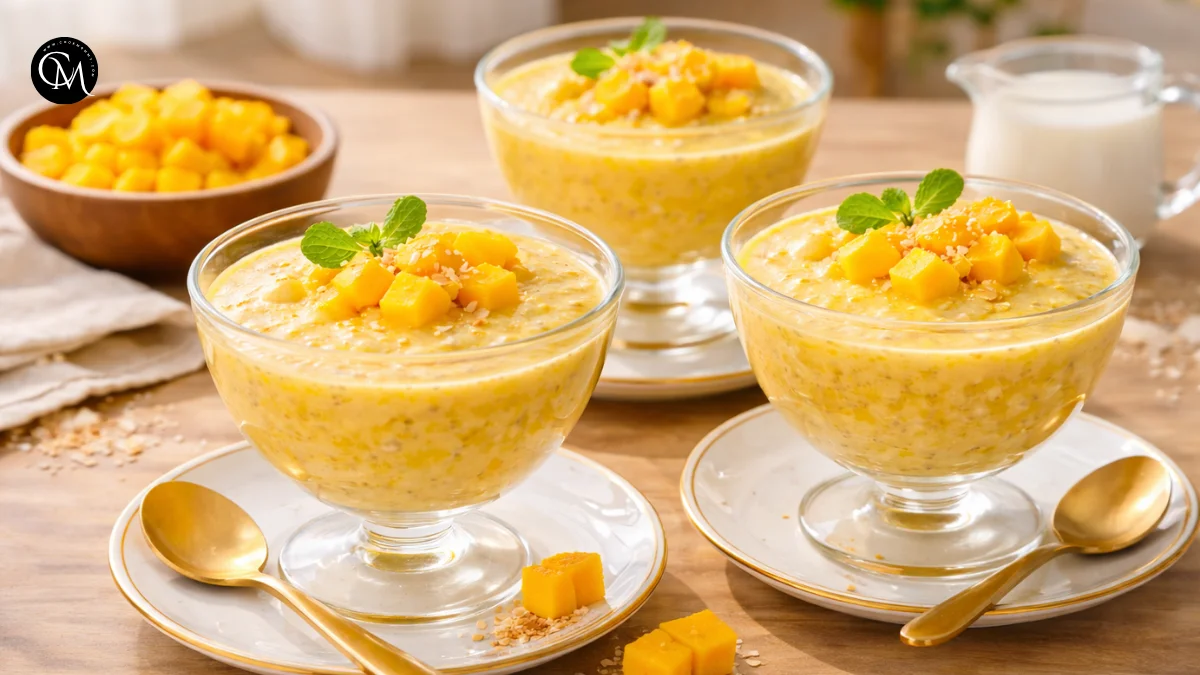
Mango Sago Pudding: 5 Simple Secrets for Rich Flavor
Did you know that texture is one of the biggest reasons people repeat a dessert recipe, even more than sweetness alone? That makes sense when you think about it. A good spoonful should feel creamy, silky, and satisfying from the first bite to the last. That is exactly why Mango Sago Pudding is worth making at home.
This dessert looks simple, but the difference between an average bowl and a truly memorable one comes down to a few smart details. The ripeness of the mango, the way you cook the sago, and how long you chill the pudding all shape the final flavor. Mango Sago Pudding is one of those recipes that feels special without being difficult. It is fruity, refreshing, creamy, and perfect for warm days, dinner parties, or a quiet treat after lunch. Once you learn a few small tricks, you can make it taste rich, balanced, and beautifully smooth every single time.
Table of Contents
Ingredients List
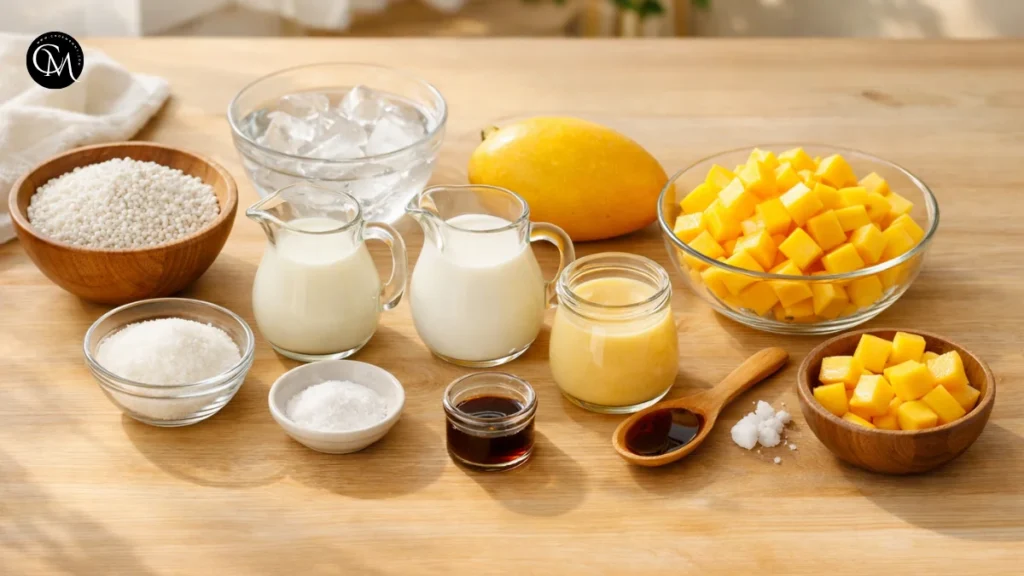
For a creamy and flavorful Mango Sago Pudding, gather these ingredients:
- 1 cup small sago pearls
- 2 large ripe mangoes, peeled and diced
- 1 extra mango, for topping
- 1 cup full-fat coconut milk
- 1 cup whole milk or evaporated milk
- 1/3 to 1/2 cup sweetened condensed milk, adjusted to taste
- 2 to 3 tablespoons sugar, only if needed
- 1/4 teaspoon vanilla extract
- Pinch of salt
- Ice cubes and cold water, for rinsing the cooked sago
Easy substitutions
- Use canned mango pulp if fresh mangoes are out of season, but choose one with no artificial aftertaste.
- Swap whole milk for oat milk or almond milk for a dairy-free version.
- Replace condensed milk with maple syrup or honey for a different sweetness style.
- Use light coconut milk if you want a lighter finish, though full-fat gives the best body.
- Add a spoonful of Greek yogurt for a tangy twist if you like a creamier pudding.
The key ingredient here is ripe mango. Look for fruit that smells sweet near the stem and gives slightly when pressed. Hard, pale mangoes can make the pudding taste flat, while overripe ones can turn it mushy.
Timing
This dessert is easy to plan because most of the time is hands-off chilling.
- Preparation time: 20 minutes
- Cooking time: 15 minutes
- Chilling time: 2 hours
- Total time: 2 hours 35 minutes
Compared with many layered desserts or baked puddings, Mango Sago Pudding is relatively quick. The active kitchen work is short, and the refrigerator does the rest.
Step-by-Step Instructions
Step 1 – Prepare ingredients
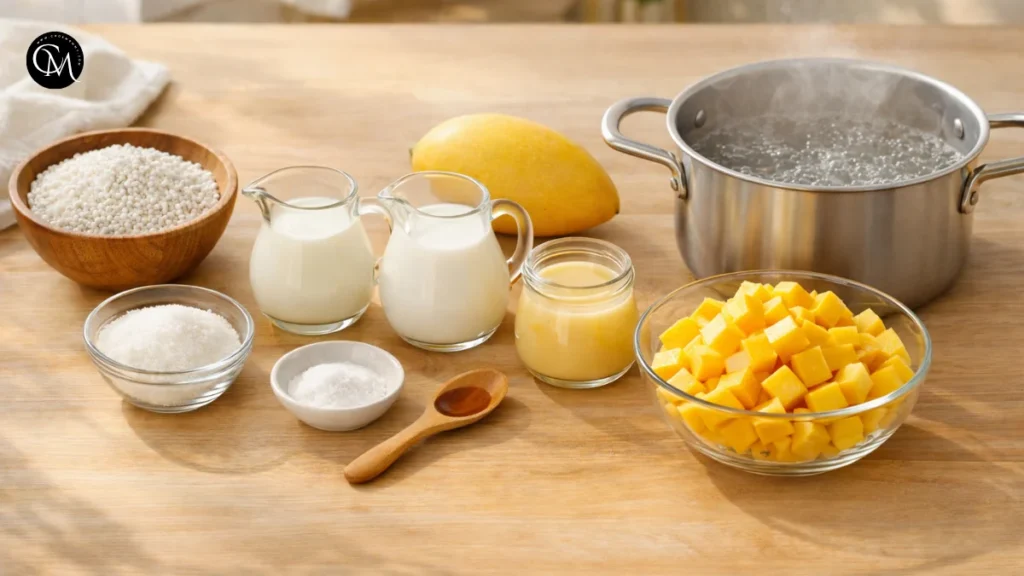
Measure everything before you begin. Dice the mangoes, set aside the topping mango, and have your liquids ready. Bring a large pot of water to a boil for the sago.
Preparation matters more than people think in this recipe. Sago cooks fast once it starts moving, and you do not want to stop halfway to peel fruit or search for a bowl. When your mangoes are already cut and your milk mixture is ready, the whole process feels smoother and the texture stays more controlled.
Step 2 – Build flavor base
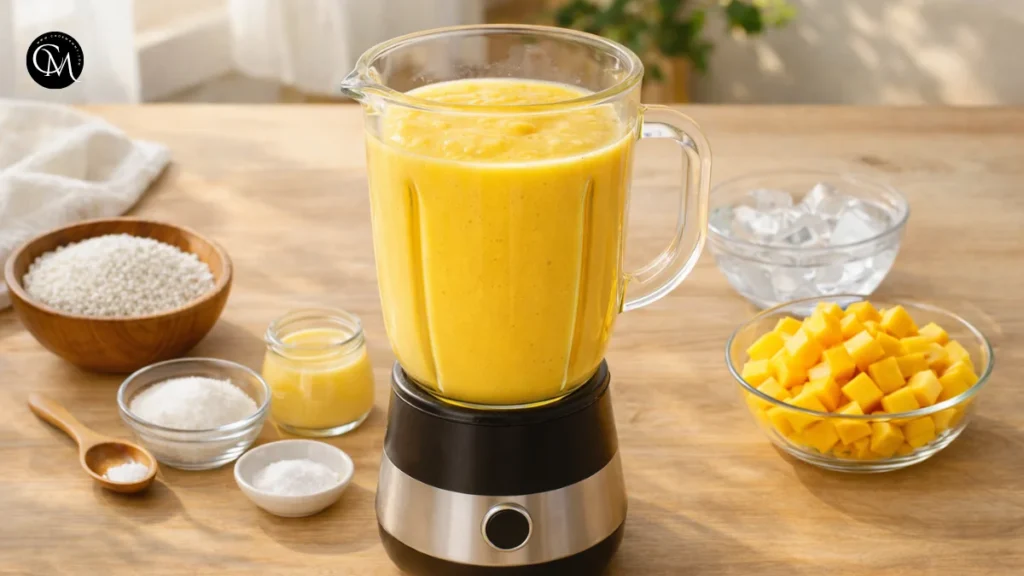
In a blender, combine the diced mangoes, coconut milk, whole milk, condensed milk, vanilla, and a tiny pinch of salt. Blend until completely smooth and glossy.
This is where the flavor really begins. Coconut milk adds richness, milk softens the fruit’s sharpness, and the pinch of salt makes the mango taste fuller rather than salty. If your mangoes are very sweet, stop before adding extra sugar. If they are slightly tart, add a little sugar and blend again. A balanced base gives Mango Sago Pudding its signature creamy fruit flavor instead of tasting like plain mango puree with milk.
Step 3 – Cook the main ingredient
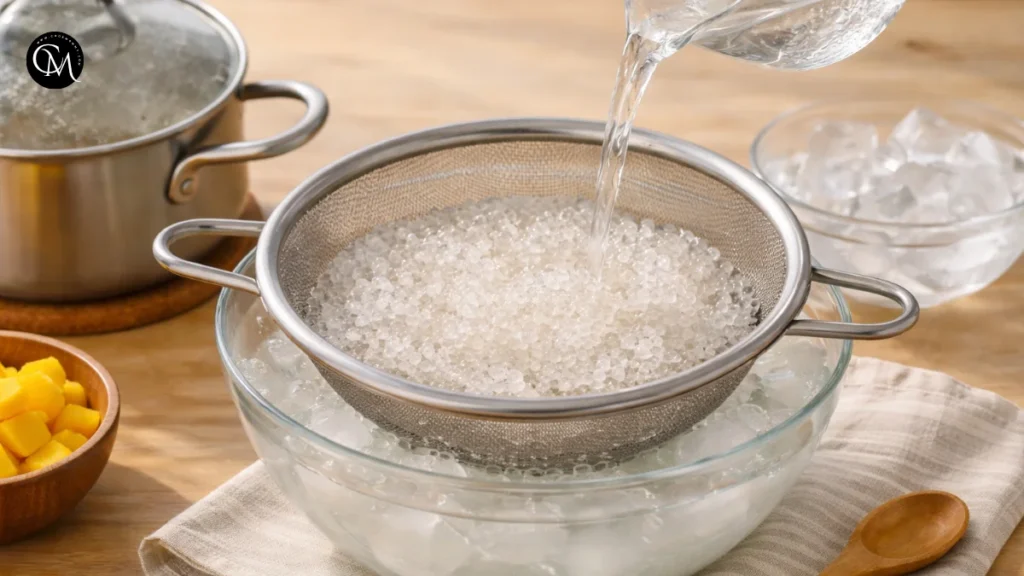
Pour the sago into boiling water and stir right away so the pearls do not stick together. Cook over medium heat for about 10 to 15 minutes, stirring often, until most pearls turn translucent.
Texture is everything here. If you undercook the sago, the center stays chalky. If you overcook it, the pearls lose their pleasant chew. Once only tiny white dots remain in the center, turn off the heat, cover the pot, and let it sit for a few minutes. The residual heat finishes the job gently. Then drain and rinse the sago with cold water to stop the cooking and remove excess starch.
Step 4 – Combine everything
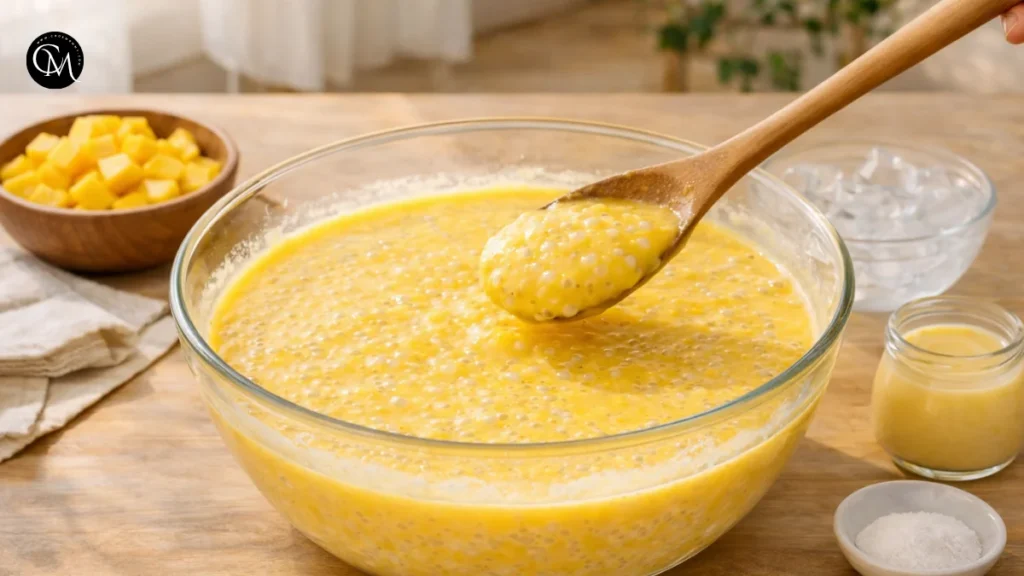
Transfer the cooled sago to a large bowl. Pour in the blended mango mixture and stir until the pearls are evenly distributed. Taste and adjust sweetness if needed.
This step is all about balance. You want enough mango base to coat every pearl and create a spoonable pudding, not a watery drink and not a stiff gel. If the mixture looks too thick, add a splash of milk. If it seems thin, chill it first before making changes. Mango Sago Pudding thickens as it rests, so patience helps you avoid over-adjusting.
Step 5 – Finish and adjust seasoning
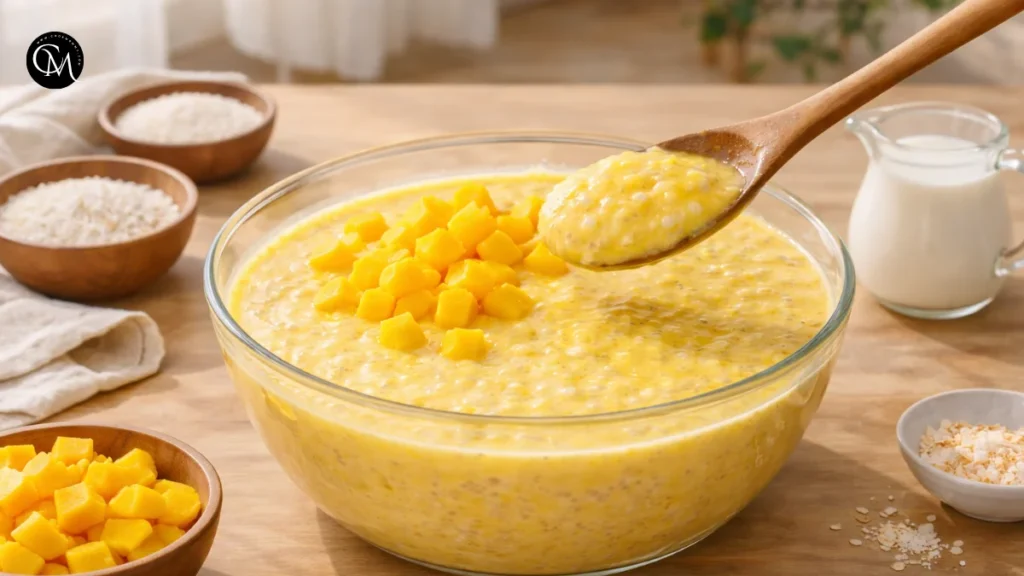
Cover the bowl and chill for at least 2 hours. Before serving, stir once more and top with diced mango. Taste one final spoonful and add a tiny splash of coconut milk if you want a silkier finish.
This final check is what gives the dessert a polished, chef-style feel. Cold temperatures soften sweetness, so always taste after chilling. Sometimes a pudding that seemed perfectly sweet at room temperature needs just a little more condensed milk later. This is also the moment to decide the final texture. I like mine thick but still flowing gently off the spoon.
Nutritional Information
Approximate values per serving, based on 6 servings:
- Calories: 260
- Carbohydrates: 40g
- Protein: 3g
- Fat: 10g
- Saturated fat: 7g
- Sugar: 24g
- Fiber: 2g
- Sodium: 70mg
These numbers will vary depending on the sweetness of your mangoes and how much condensed milk you use. Mango Sago Pudding is best thought of as a light dessert with a creamy finish rather than a heavy custard. The fruit brings freshness, while the milk and sago make it satisfying enough to feel complete.
Healthier Alternatives
This dessert is easy to adapt without losing its tropical charm.
For lower sugar:
- Reduce the condensed milk and rely more on naturally sweet ripe mango.
- Use unsweetened coconut milk and add a smaller amount of honey or maple syrup.
For dairy-free:
- Use coconut milk plus oat milk or almond milk instead of dairy milk.
- Skip condensed milk and sweeten with blended dates or a dairy-free condensed coconut product.
For gluten-free:
- Good news: Mango Sago Pudding is naturally gluten-free when made with plain ingredients.
For lighter versions:
- Use light coconut milk plus low-fat milk.
- Increase the mango puree slightly to keep the dessert flavorful even with less fat.
For children:
- Serve in small cups with extra diced mango on top.
- Keep the sweetness gentle and the texture soft.
For older adults or anyone who prefers softer textures:
- Cook the sago until fully tender.
- Blend the mango base extra smooth and avoid chunky toppings if needed.
Serving Suggestions for the Mango Sago Pudding
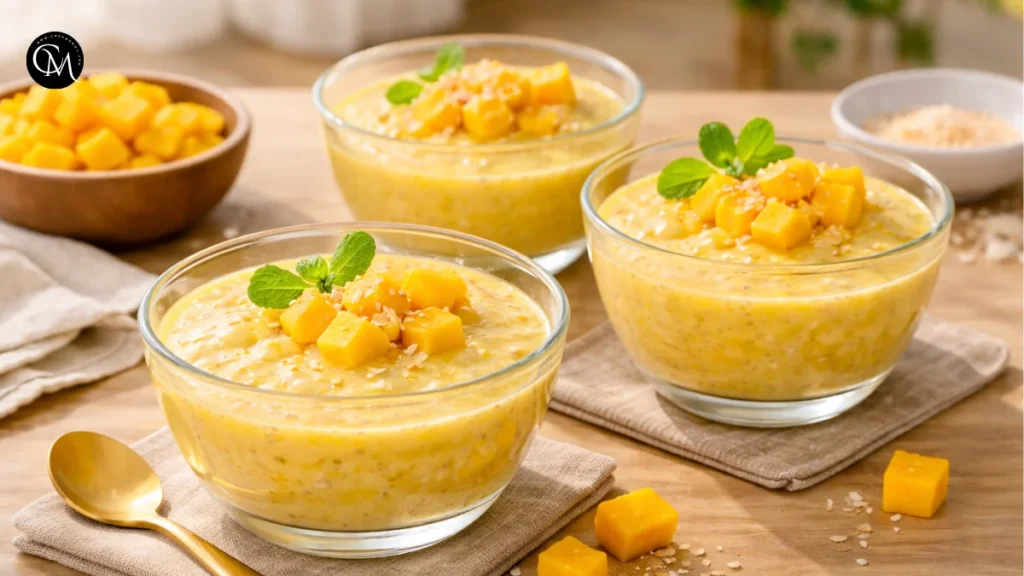
Mango Sago Pudding is versatile, which is one reason I keep coming back to it. Serve it in clear glasses for a pretty layered dessert, or spoon it into small bowls for a casual family-style finish.
A few favorite ways to serve it:
- Top with fresh mango cubes and toasted coconut flakes for contrast
- Add a few chilled pomelo segments for a classic sweet-citrus note
- Spoon it into dessert cups for parties or summer gatherings
- Serve it slightly looser in texture as a chilled afternoon treat
- Pair it with butter cookies or a crisp wafer for crunch
For a more elegant presentation, chill the serving bowls first. That simple trick keeps the pudding cold longer and makes the dessert feel restaurant-worthy without extra effort.
Common Mistakes to Avoid
Even easy desserts have a few traps. Here are the most common ones:
- Using underripe mangoes: This leads to weak flavor and extra sugar. Start with fragrant, soft-ripe fruit.
- Overcooking the sago: Mushy pearls make the pudding heavy. Stop cooking when they are nearly translucent.
- Skipping the cold rinse: Rinsing removes excess starch and keeps the pearls pleasantly separate.
- Making it too sweet too early: Chilling changes flavor perception. Taste again after refrigeration before adding more sweetness.
- Using too little liquid: Sago absorbs moisture as it rests, so the pudding should look slightly loose before chilling.
- Serving it immediately: Mango Sago Pudding needs time in the fridge for the flavors to settle and the texture to improve.
Storing Tips for the Mango Sago Pudding
Store Mango Sago Pudding in an airtight container in the refrigerator for up to 2 days. Stir before serving, because the sago may settle and the mixture can thicken overnight. If needed, loosen it with a spoonful of milk or coconut milk.
You can prep the mango puree a few hours ahead and keep it chilled separately. The sago can also be cooked in advance, rinsed well, and refrigerated for the same day. I do not recommend freezing this dessert, because the texture becomes uneven after thawing.
This recipe became one of my regular meals because it solves two problems at once: it uses ripe mangoes before they go too soft, and it gives me a chilled homemade dessert that feels special without turning on the oven.
Conclusion
Mango Sago Pudding is proof that a simple dessert can still feel rich, elegant, and deeply satisfying. With ripe mangoes, properly cooked sago, and a creamy base that is balanced instead of overly sweet, you get a dessert that works for weeknights, gatherings, and warm-weather cravings alike. The best part is that it is easy to customize, easy to prepare ahead, and impressive enough to serve to guests.
Give this recipe a try and make it your own with your favorite toppings or texture adjustments. If you make it, leave a comment and share how it turned out. I would love to hear whether you kept it classic or added your own twist. Subscribe for more approachable, flavor-packed recipes you will actually want to make again.
FAQs
Can I make Mango Sago Pudding the day before?
Yes. It actually improves after a few hours in the fridge. Just stir before serving and loosen with a little milk if it thickens too much.
What type of mango works best?
Sweet, ripe mangoes with smooth flesh work best. Ataulfo, Kent, or similar varieties usually give a rich, creamy flavor and bright color.
Why is my sago still white in the center?
It likely needs a few more minutes of resting after cooking. Cover the pot off the heat so the pearls finish turning translucent gently.
Can I use tapioca pearls instead of sago?
Yes, but the texture may be slightly different. Use small tapioca pearls and follow the package instructions because cooking times can vary.
Is Mango Sago Pudding very sweet?
It does not have to be. Control the sweetness by adjusting the condensed milk and using naturally ripe mangoes for most of the flavor.
Can I make it without coconut milk?
Yes. You can use regular milk, evaporated milk, or a plant-based alternative, though coconut milk gives the richest tropical taste.
How do I keep the pudding from becoming too thick?
Start with a slightly loose mixture before chilling. Sago continues absorbing liquid, so add a splash of milk before serving if needed.
Tried it before ?
There are no reviews yet. Be the first one to write one.