
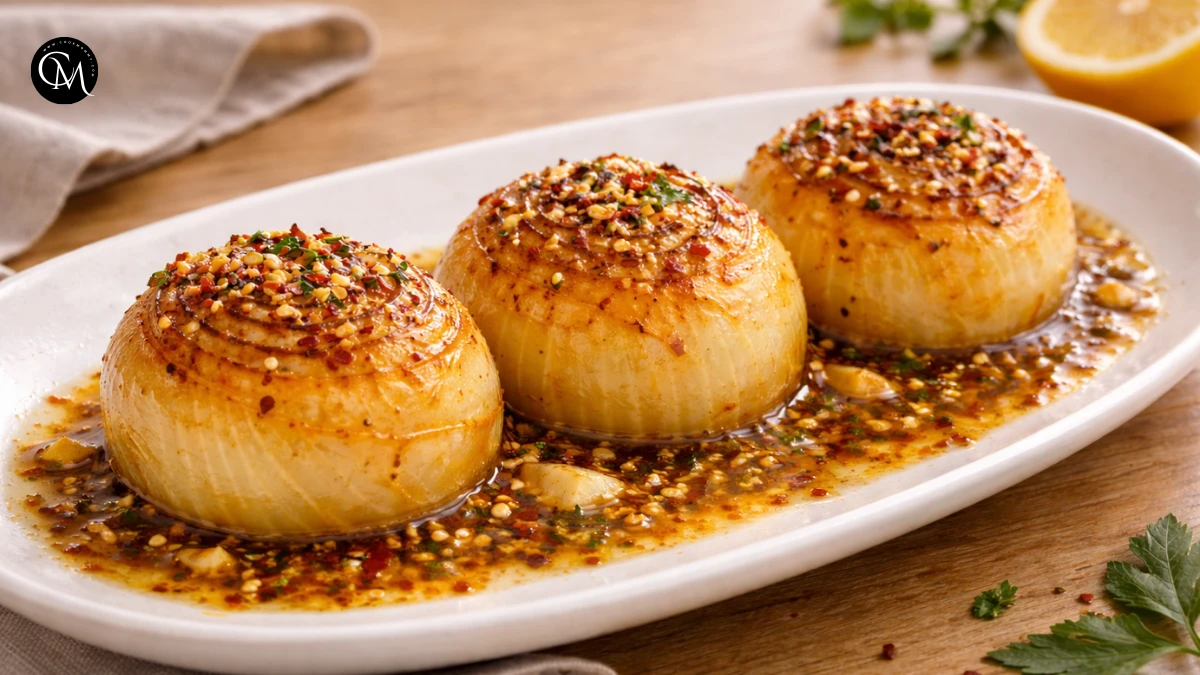
Onion Boil Recipe: How to Make It in 5 Easy Steps
Have you ever noticed how the same onion can taste completely different depending on how you cook it? That’s why some boiled onions turn out bland, while others become buttery, sweet, and almost melt-in-your-mouth.
The science is simple. Onions contain sulfur compounds that mellow with gentle heat. When they simmer slowly without browning, their sharp bite fades and a savory sweetness takes over.
That’s exactly why Onion Boil works so well. A steady simmer, the right salt level, and a flavor base like butter or broth transform basic onions into a cozy side dish that feels restaurant-worthy.
In this post, you’ll learn the Onion Boil method in five easy steps. You’ll also get seasoning ideas, timing cues, and practical tips for consistent results every time.
Table of Contents
Ingredients List
This Onion Boil recipe is built around pantry basics with flexible add-ins. The goal is simple: sweet, tender onion layers infused with buttery, savory flavor.
Core ingredients
- 2 large sweet onions (Vidalia, Walla Walla, or yellow onions)
Substitutions:- Red onions (milder when cooked, adds a rosy color)
- White onions (sharper; consider a longer simmer or a pinch of sugar)
- 4 tablespoons unsalted butter
Substitutions: olive oil, ghee, or plant-based butter - 2 cups water or low-sodium broth (vegetable or chicken)
Tip: broth adds depth and a “slow-cooked” taste in less time. - 1 teaspoon salt (adjust to taste)
Tip: if using broth, start with ½ teaspoon and add more later. - ½ teaspoon black pepper
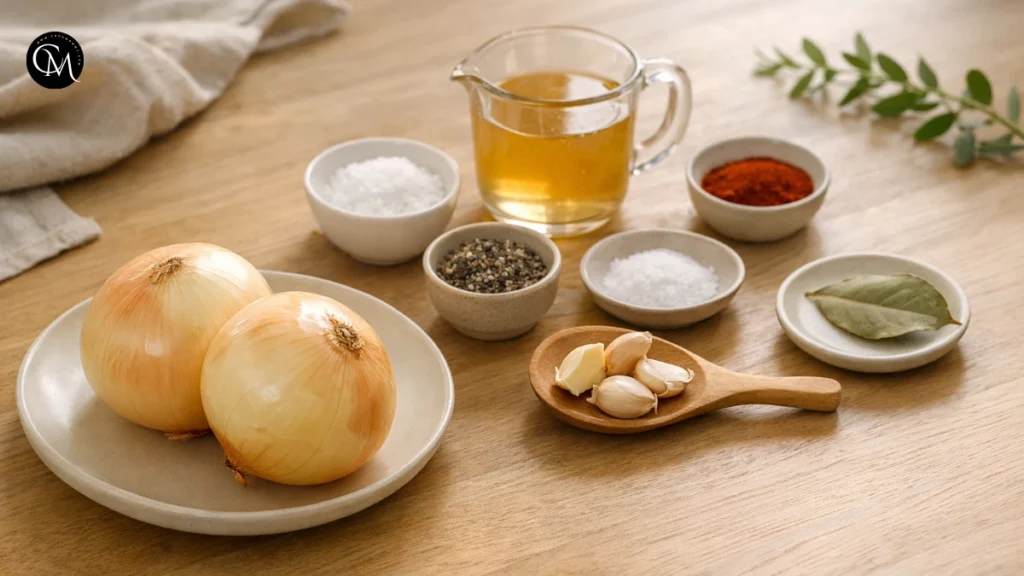
Flavor boosters (choose 1–3)
These turn basic boiled onions into something you’ll want to make weekly:
- 2–3 garlic cloves, lightly smashed (or 1 teaspoon garlic powder)
- 1 bay leaf
- ½ teaspoon smoked paprika (warm, savory depth)
- ½ teaspoon dried thyme or Italian seasoning
- 1 tablespoon soy sauce or Worcestershire (optional umami)
- 1–2 teaspoons sugar or honey (optional; helpful with sharper onions)
- 1 tablespoon lemon juice or apple cider vinegar (bright finish)
Optional toppings
- Chopped parsley or chives
- Grated Parmesan
- Chili flakes
- Toasted breadcrumbs for crunch
Timing
- Prep time: 10 minutes
- Cook time: 20–25 minutes
- Total time: 30–35 minutes
Data insight: Many popular onion side dishes rely on roasting or full caramelization, which typically takes 45–60 minutes. Onion Boil delivers tender, flavorful onions in 30–35 minutes, about 30–40% faster than many oven-based methods without sacrificing that mellow, sweet onion character.
Step-by-Step Instructions
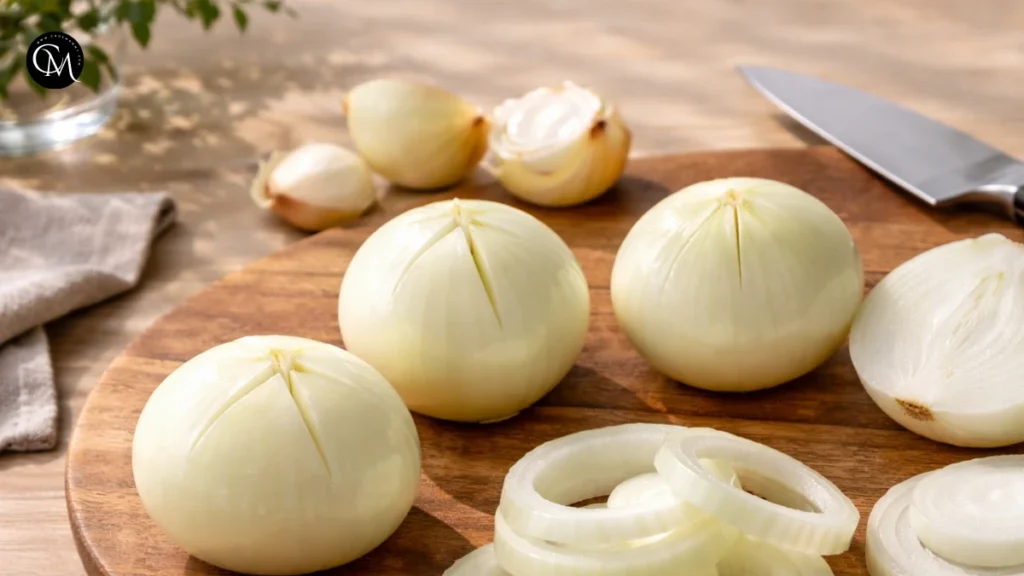
Step 1: Prep the onions for the texture you want
Peel the onions and trim the ends. From here, choose your texture goal:
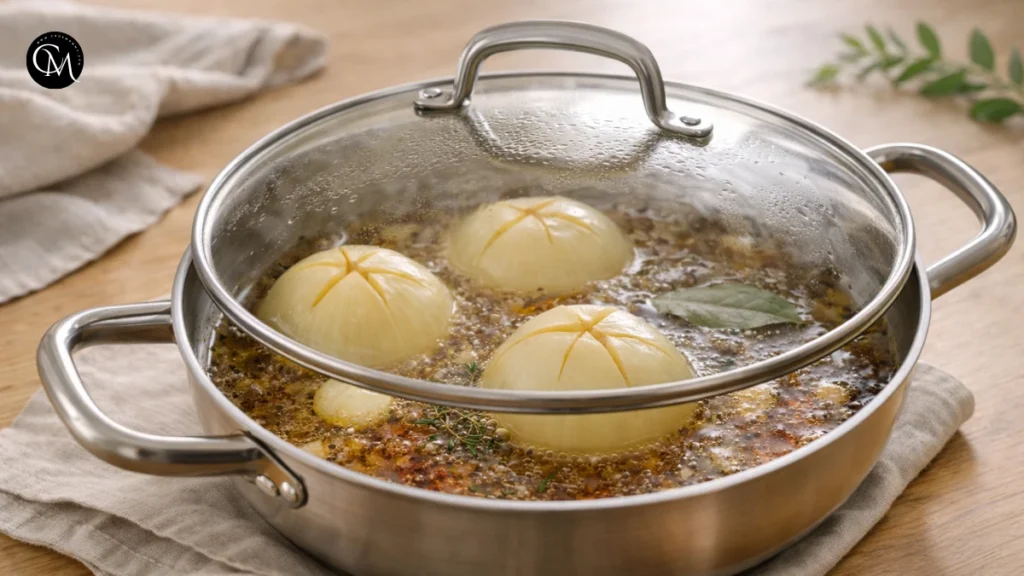
- For a steakhouse-style presentation: keep onions whole and cut a shallow X on top so flavor slips between layers.
- For faster cooking and extra-soft onions: cut onions into halves or thick 1-inch rounds.
Tip that changes everything:
If you want onions that stay intact and plate beautifully, keep them whole and simmer gently. If you want maximum flavor absorption, use halves or thick slices.
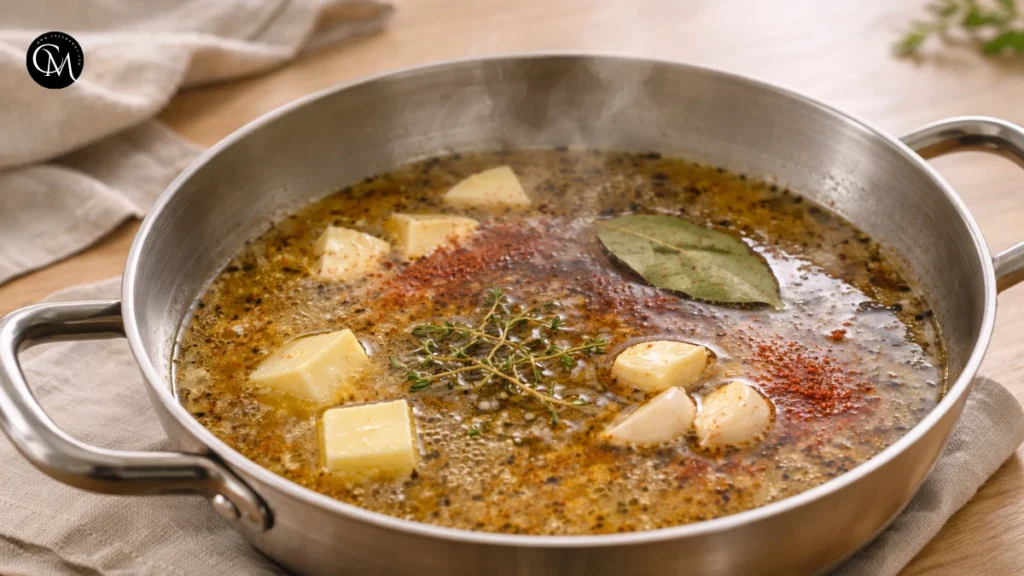
Step 2 : Build a seasoned simmering liquid
In a wide pot or deep skillet, add your water or broth, butter, salt, pepper, and selected aromatics (garlic, bay leaf, thyme, paprika). Bring it to a gentle boil, then immediately reduce to a steady simmer.
Why this matters:
A rolling boil can knock onion layers around and make them ragged. A simmer keeps them tender, silky, and neatly layered closer to butter-poached onions than aggressively boiled onions.
Step 3 : Simmer until tender, not mushy
Add your onions to the pot, cover, and simmer:
- Whole onions: 22–28 minutes
- Halved onions: 16–20 minutes
- Thick slices: 12–15 minutes
Doneness test:
Slide a knife tip into the center. If it glides in with slight resistance, you’re in the perfect zone tender but still structured.
Step 4 : Reduce the liquid into a buttery glaze
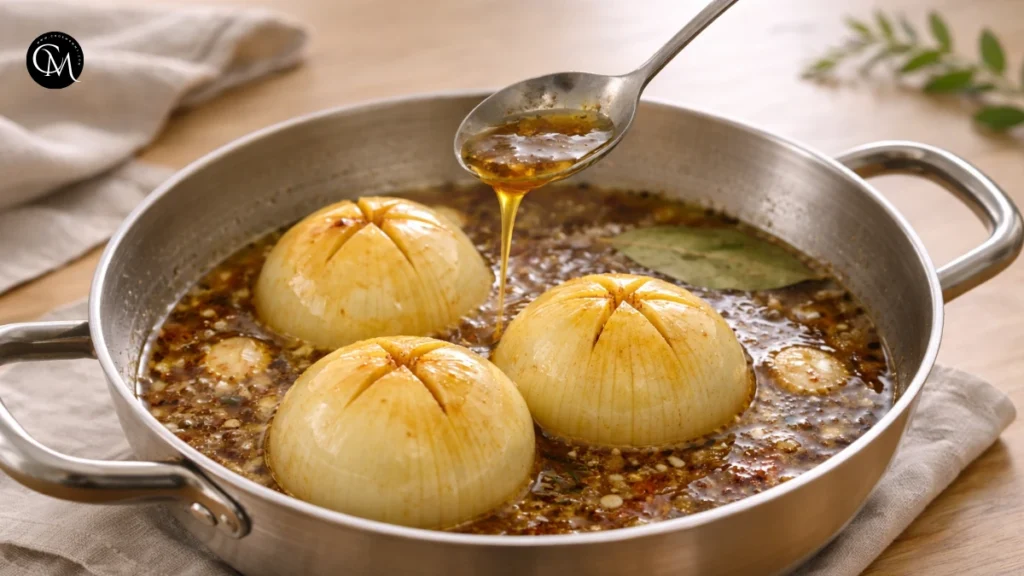
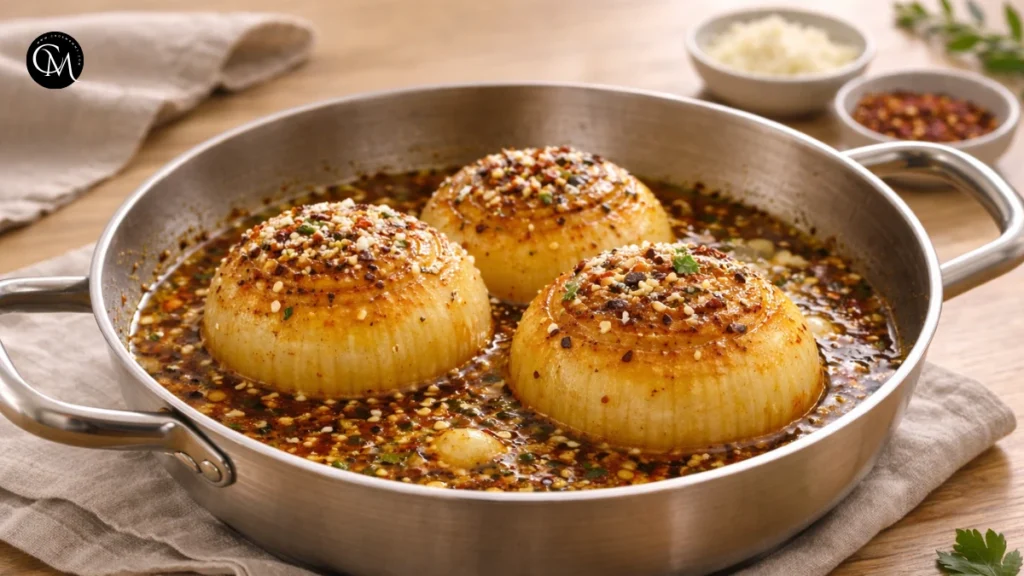
Once the onions are tender, remove the lid and simmer uncovered for 3–6 minutes so the cooking liquid reduces into a light glaze. Spoon the buttery broth over the onions as it thickens.
Pro trick for a glossy finish:
Mix ½ teaspoon cornstarch with 1 tablespoon cold water, stir it in, and simmer 1 minute. You’ll get a restaurant-style sauce that clings without making the dish heavy.
Step 5 : Finish with brightness and serve
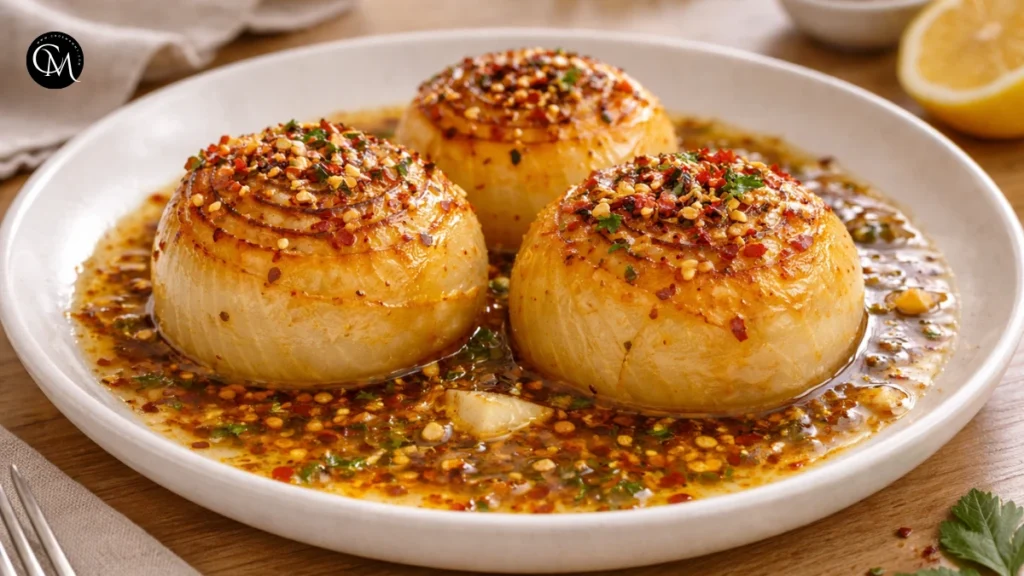
Turn off the heat. Add lemon juice or a small splash of vinegar for a bright finish. Taste and adjust salt and pepper. Serve warm, topped with herbs, Parmesan, or chili flakes.
Nutritional Information
Nutrition depends on onion size and how much butter sauce you serve. Below is an estimate per serving (recipe makes 4 servings, based on 2 large onions, 4 tablespoons butter, broth, and standard seasonings).
| Nutrient (approx.) | Per Serving |
|---|---|
| Calories | 120–160 |
| Carbohydrates | 10–14 g |
| Protein | 1–2 g |
| Fat | 10–12 g |
| Fiber | 2–3 g |
| Sugars | 5–7 g |
| Sodium | Varies by broth |
- Onions contribute fiber and natural sweetness for relatively few calories.
- Most calories come from the butter, so portioning the sauce is the easiest way to lighten the dish.
- Using low-sodium broth can reduce sodium without sacrificing flavor, especially if you finish with herbs and lemon.
Healthier Alternatives for the Recipe
You can keep Onion Boil comforting while adjusting it for lighter, lower-sodium, or plant-based goals.
1) Lower-fat Onion Boil (still rich)
- Use 1–2 tablespoons butter + 1 tablespoon olive oil
Why it works: you keep buttery flavor while reducing saturated fat.
2) Broth-forward version for a lighter finish
- Use extra broth and finish with herbs + lemon instead of extra butter
Great add-ins: thyme, bay leaf, garlic, parsley.
Result: savory, bright, and lighter.
3) Low-sodium approach that still tastes “seasoned”
- Choose no-salt-added broth
- Season with garlic, paprika, thyme, black pepper, and lemon
Tip: acid (lemon/vinegar) boosts perceived saltiness, so you need less.
4) Dairy-free / vegan Onion Boil
- Swap butter for plant-based butter or olive oil
- Add umami: soy sauce, ½ teaspoon miso, or 1 tablespoon nutritional yeast
Result: still rich and savory without dairy.
5) Make it a higher-protein meal
Turn this side dish into a bowl:
- Serve Onion Boil over lentils, chickpeas, or shredded chicken
- Add greens (spinach, green beans) for balance
Serving Suggestions
Onion Boil is more versatile than it sounds. It can be a simple side, a topping, or a flavor base that upgrades other dishes.
- With grilled chicken or roasted turkey: spoon the buttery broth over the meat like a quick pan sauce.
- With steak or burgers: serve whole onions for a steakhouse-style plate.
- Over mashed potatoes or rice: the broth becomes a built-in gravy.
- With fish (salmon, cod): finish with lemon + herbs for a lighter, brighter pairing.
- On toast: mash tender onion layers onto crusty bread, drizzle with sauce, add parsley.
- In wraps or sandwiches: chop the onions and use them like a sweet-savory condiment.
Common Mistakes to Avoid
1) Boiling too hard
A hard boil can break onion layers and wash out flavor. Keep it at a gentle simmer for the best tender texture.
2) Under-seasoning the liquid
Onions absorb the cooking liquid. If the broth tastes bland, the onions will too. Season early, then adjust at the end.
3) Using the wrong onion for your goal
- Sweet onions: naturally mellow, beginner-friendly
- Yellow onions: balanced and classic
- White onions: sharper; benefit from longer simmering or a tiny pinch of sugar
4) Skipping the reduction step
Reducing turns the liquid into a buttery glaze. Without it, the dish can taste watery.
5) Overcooking until mushy
Tender is the goal not collapsing. Use the knife test and pull onions when they’re soft but structured.
6) Forgetting the bright finish
A few drops of lemon juice or vinegar balances the richness and makes the flavor “pop.”
Storing Tips for the Recipe
- Refrigerate leftovers: store onions with some cooking liquid in an airtight container for up to 3–4 days. The liquid prevents drying out.
- Reheat gently: warm covered in a skillet on low with a splash of broth or water. High heat can make onions fall apart.
- Meal prep tip: make the simmering liquid (butter + broth + aromatics) ahead, refrigerate, then reheat and add onions when ready.
- Freezing: not ideal for texture. Onions can turn watery and very soft after thawing. If you must freeze, chop them first and plan to use later in soups, sauces, or casseroles.
Conclusion
Onion Boil is a simple, reliable way to turn everyday onions into a tender, buttery, flavor-packed side dish. Choose sweet onions for a mellow result, simmer gently to keep the layers intact, and season the cooking liquid well. Finish by reducing the broth into a light glaze and add lemon or vinegar for balance. Try this 5-step method, then share your results in the review section or leave a comment on our blog and subscribe for more updates.
FAQs
1) What onions are best for Onion Boil?
Sweet onions (like Vidalia) give the mildest, most tender results. Yellow onions also work well and taste more classic and savory.
2) Can I make Onion Boil without butter?
Yes. Use olive oil or plant-based butter. Add garlic, herbs, and a splash of soy sauce for depth and a richer finish.
3) How do I know when the onions are done?
Use the knife test: the knife tip should slide into the center with light resistance. If it collapses easily, it’s overcooked.
4) Why does my Onion Boil taste bland?
The simmering liquid wasn’t seasoned enough or you skipped the reduction. Make sure the broth tastes flavorful before adding onions.
5) Can I add other vegetables to the pot?
Yes. Carrots, baby potatoes, and mushrooms work well. Add firmer vegetables first, then onions later so everything finishes evenly.
6) Is Onion Boil good for meal prep?
Yes. Store onions with the cooking liquid and reheat gently on low to preserve texture and flavor.
7) How can I make Onion Boil spicy?
Add chili flakes, sliced jalapeño, or a pinch of cayenne to the liquid. Finish with chili oil if you want more heat.
8) Can I use Onion Boil as a topping?
Absolutely. Chop the cooked onions and spoon them over burgers, grilled chicken, rice bowls, or pasta for an easy flavor upgrade.
Tried it before ?
There are no reviews yet. Be the first one to write one.