
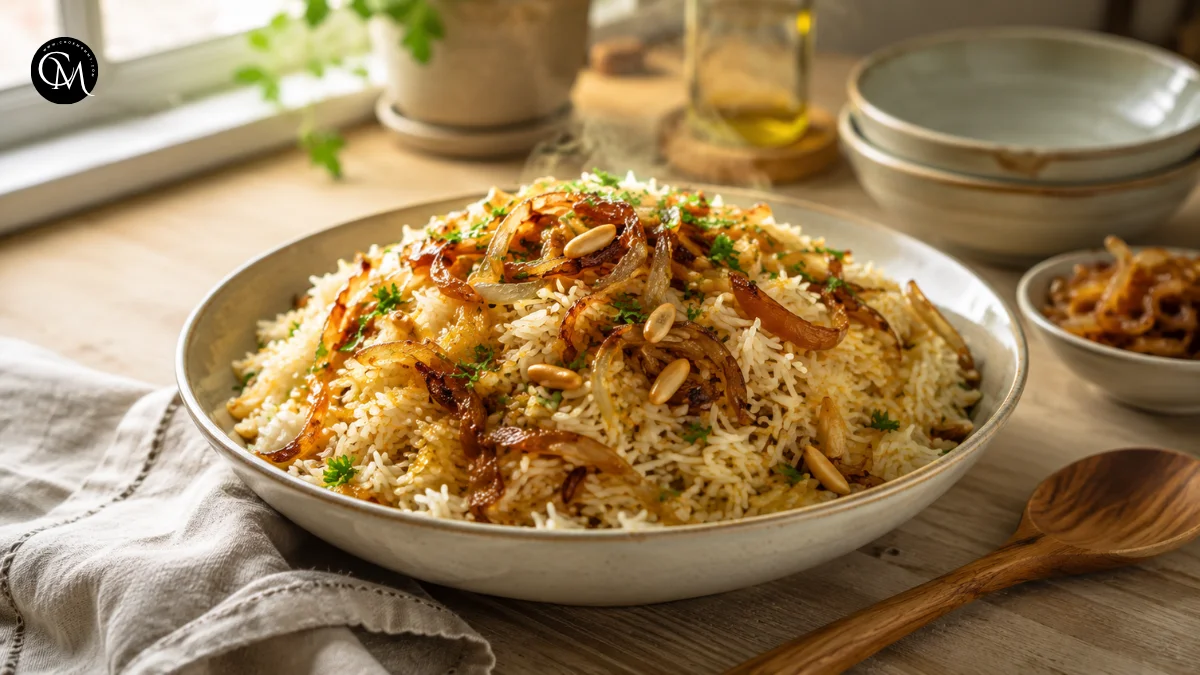
Best Rice Pilaf Onion Caramelized: How 5 Steps Boost Taste
Did you know that the difference between plain rice and deeply flavorful pilaf often comes down to just one simple step: properly cooking the onions? That is exactly why this Rice Pilaf Onion recipe is worth making. Instead of treating onions as a background ingredient, this dish lets them slowly caramelize until they become sweet, golden, and savory.
This recipe is perfect when you want a side dish that feels cozy, homemade, and a little special without using complicated ingredients. The beauty of Rice Pilaf Onion is that it transforms pantry staples like rice, onion, broth, and olive oil into something rich and satisfying. It pairs beautifully with chicken, roasted vegetables, grilled fish, lamb, or a simple salad.
The secret is not rushing the onions. When onions cook slowly, their natural sugars deepen, creating a warm flavor base that makes every grain of rice taste better. This is the kind of recipe that looks simple but delivers big comfort-food flavor.
Table of Contents
Ingredients List
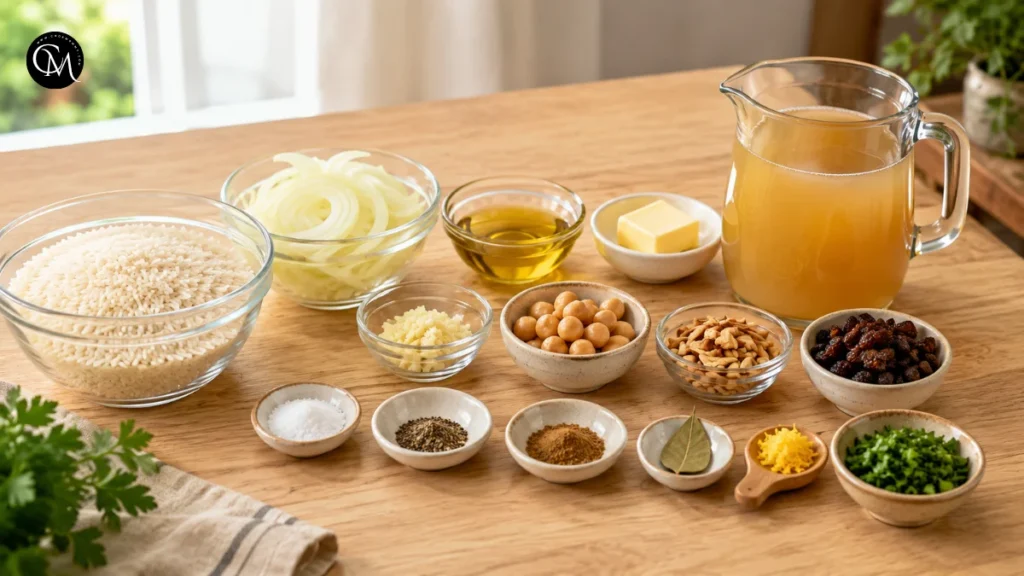
To make a flavorful Rice Pilaf Onion, you need simple ingredients with good balance. Each one plays a role in texture, aroma, and taste.
Main Ingredients
- 1 ½ cups long-grain white rice: Basmati or jasmine rice works well because the grains stay fluffy and separate.
- 2 large yellow onions, thinly sliced: Yellow onions are ideal because they become sweet and golden when caramelized.
- 2 tablespoons olive oil: Adds richness and helps the onions cook evenly.
- 1 tablespoon butter: Optional, but it gives the pilaf a deeper, softer flavor.
- 2 ¾ cups chicken broth or vegetable broth: Broth adds more flavor than water and makes the rice taste savory.
- 2 cloves garlic, minced: Garlic adds warmth, but it should be cooked briefly so it does not burn.
- ½ teaspoon salt, or to taste: Adjust depending on how salty your broth is.
- ¼ teaspoon black pepper: Adds gentle spice without overpowering the onion flavor.
- ½ teaspoon cumin or allspice: Optional, but it gives the dish a warm, aromatic touch.
- 1 bay leaf: Adds subtle depth while the rice cooks.
- 2 tablespoons fresh parsley, chopped: For a fresh finish.
Optional Add-Ins
- Toasted almonds or pine nuts for crunch
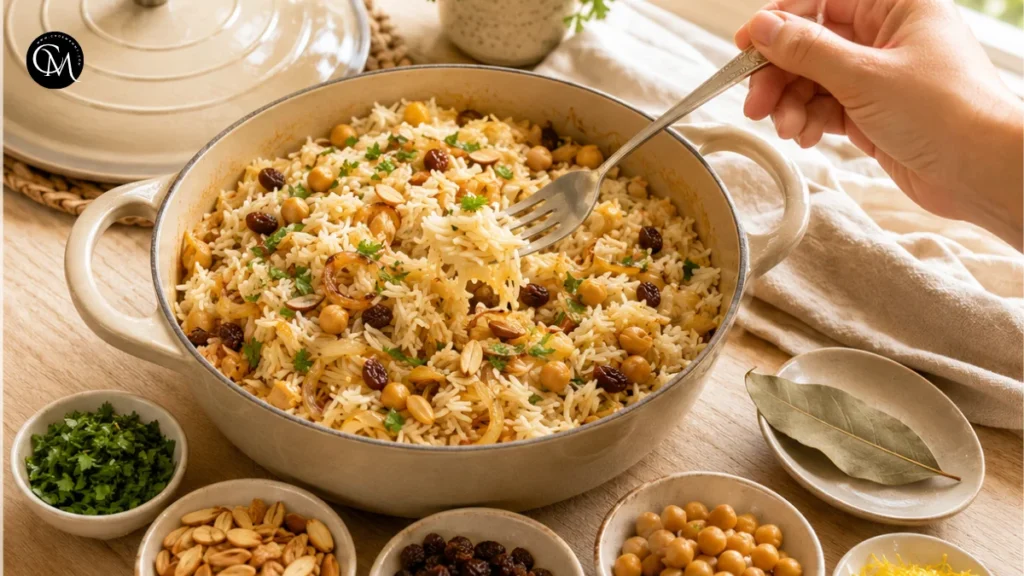
- Raisins for a sweet Middle Eastern-style touch
- Chickpeas for extra heartiness
- Lemon zest for brightness
- Green peas for color and freshness
Substitutions
For a dairy-free Rice Pilaf Onion, skip the butter and use only olive oil. For a richer taste, use ghee instead of butter. If you prefer a vegetarian version, choose vegetable broth. Brown rice can also be used, but it needs more liquid and a longer cooking time.
Timing
- Preparation time: 10 minutes
- Cooking time: 30 minutes
- Total time: 40 minutes
Many quick rice recipes take around 20 minutes, but this Rice Pilaf Onion is worth the extra time because caramelizing the onions builds deeper flavor. You are not just cooking rice; you are creating a savory side dish with layers of sweetness, aroma, and texture.
Step-by-Step Instructions
Step 1 – Prepare Ingredients
Start by rinsing the rice under cold water until the water runs mostly clear. This removes extra surface starch and helps the grains stay fluffy instead of sticky. Let the rice drain while you prepare the onions.
Slice the onions thinly and evenly. This matters because uneven onion slices cook at different speeds. Some pieces may burn while others stay raw. For the best Rice Pilaf Onion, aim for slices that are similar in size.
Mince the garlic, measure the broth, and have your spices ready before turning on the stove. Pilaf cooks smoothly when everything is prepared in advance. Once the onions begin to brown, you do not want to stop and search for ingredients.
Step 2 – Build Flavor Base
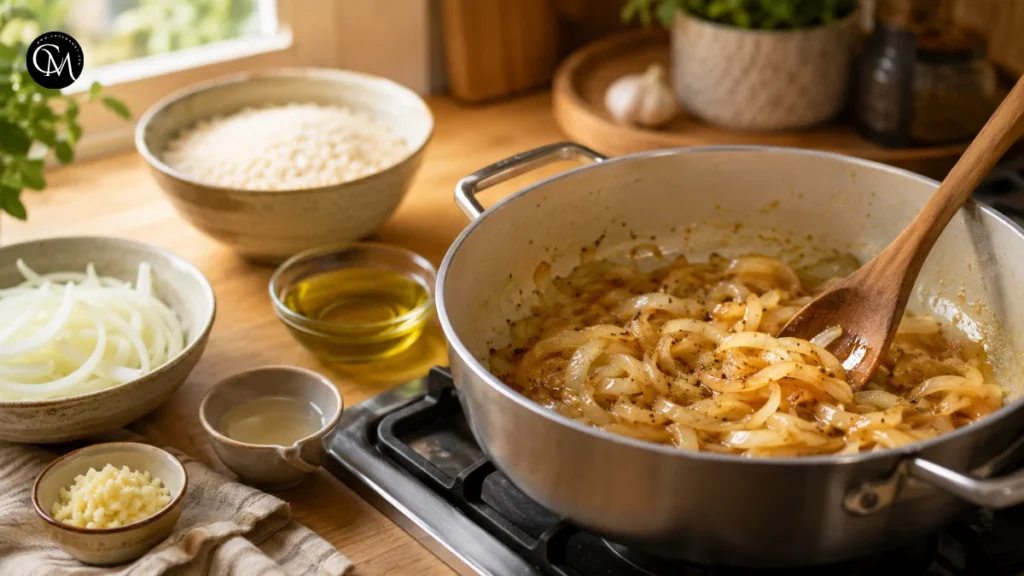
Heat olive oil and butter in a medium pot over medium heat. Add the sliced onions with a small pinch of salt. Cook slowly, stirring often, for 15–18 minutes until the onions become soft, golden, and fragrant.
This is the most important step in Rice Pilaf Onion. Onions contain natural sugars, and slow cooking helps those sugars brown. This process creates caramelized flavor, which is sweet, savory, and slightly nutty.
Do not use high heat to speed things up. Fast heat can burn the onions before they become sweet. If the onions start sticking, add a spoonful of broth or water and scrape the bottom of the pot. Those golden bits are full of flavor.
Add the garlic during the last 30 seconds of cooking. Garlic burns quickly, so it only needs a short time to release its aroma.
Step 3 – Cook the Main Ingredient
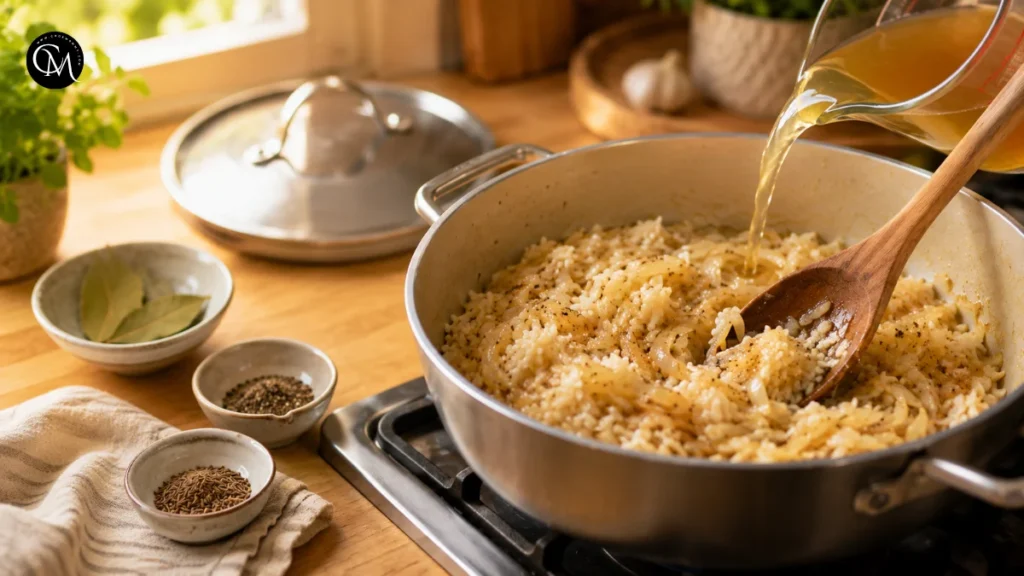
Place the washed, well-drained rice into the saucepan with the softened onions. Stir it into the onions for 2–3 minutes. Let the rice stir through the warm oil so every grain picks up a gentle onion aroma.
Toasting helps improve texture. This quick sauté adds a mild toasted taste and helps prevent the rice from becoming sticky. This is one reason Rice Pilaf Onion tastes more interesting than basic boiled rice.
Pour in the broth, then add the bay leaf, black pepper, and cumin or allspice if using. Stir once, then bring the liquid to a gentle boil.
Once it boils, reduce the heat to low, cover the pot tightly, and let the rice cook for 15 minutes. Avoid lifting the lid too often. Steam is what cooks the rice evenly, and opening the lid releases that steam.
Step 4 – Combine Everything
After 15 minutes, turn off the heat but keep the pot covered for another 10 minutes. This resting time is important. It allows the rice to finish steaming and gives the grains a better texture.
Remove the lid and discard the bay leaf. Use a fork to gently fluff the rice. Do not stir aggressively because that can break the grains and make the pilaf heavy.
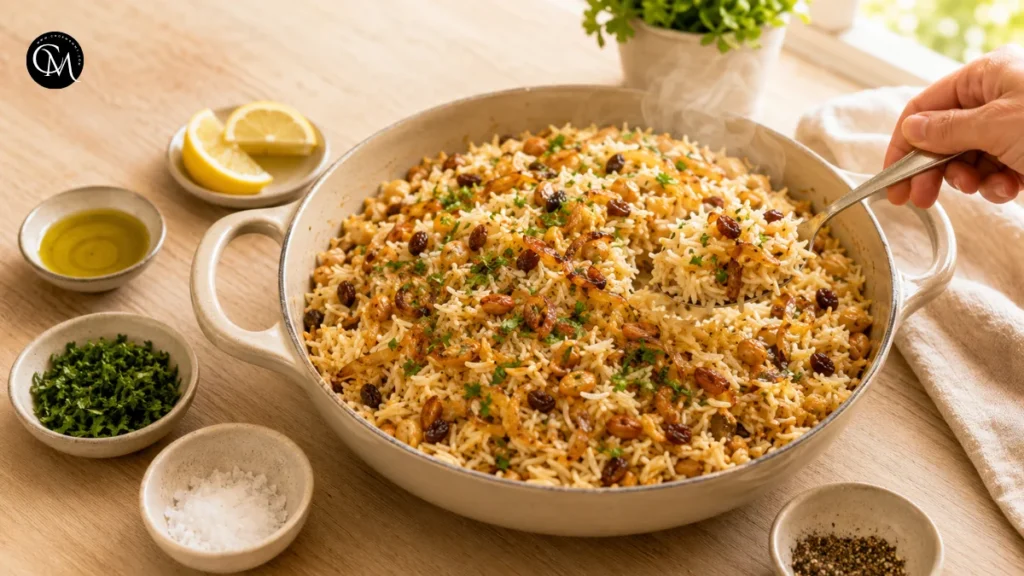
At this point, the caramelized onions should be spread throughout the rice, giving every bite a savory-sweet flavor. A good Rice Pilaf Onion should taste balanced: fluffy rice, soft onions, gentle spices, and rich aroma.
If you are adding toasted nuts, chickpeas, peas, or raisins, fold them in now. This keeps their texture fresh and prevents them from becoming mushy.
Step 5 – Finish & Adjust Seasoning
Taste the pilaf before serving. Add more salt if needed, especially if you used low-sodium broth. Add black pepper for warmth or a small squeeze of lemon juice if the dish tastes too rich.
Finish with chopped parsley for color and freshness. A drizzle of olive oil can also make the rice glossy and more aromatic.
Cook’s tip: after you fluff the Rice Pilaf Onion, cover it again and let it sit briefly before serving.The flavors settle, the steam softens the grains evenly, and the onion sweetness becomes more noticeable. For extra presentation, reserve a few caramelized onions and spoon them over the top before serving.
Nutritional Information
Approximate values per serving, based on 6 servings:
| Nutrient | Amount |
|---|---|
| Calories | 245 |
| Carbohydrates | 42 g |
| Protein | 5 g |
| Fat | 7 g |
| Fiber | 2 g |
| Sodium | 430 mg |
| Sugar | 4 g |
This Rice Pilaf Onion is a satisfying side dish made with simple ingredients. The calories come mostly from rice and healthy cooking fats. Using broth adds flavor, while onions provide natural sweetness without needing added sugar. Nutrition will vary depending on the broth, oil, butter, and toppings you choose.
Healthier Alternatives
If you want a lighter version of Rice Pilaf Onion, small changes can make a big difference while keeping the flavor.
- For lower fat, use 1 tablespoon of olive oil and skip the butter. The onions will still caramelize, but you may need to stir more often to prevent sticking.
- For a whole-grain option, use brown rice instead of white rice. Brown rice has a firmer texture and more fiber, but it needs more cooking time and extra broth. Expect around 40–45 minutes of cooking.
- For a gluten-free version, this recipe is naturally gluten-free if your broth is certified gluten-free. Always check labels because some broths may include additives.
- For a dairy-free version, use olive oil only. You can add a little extra garlic, herbs, or lemon zest to replace the richness of butter.
- For children, keep the spices mild and add peas or small diced carrots for color. For seniors, cook the onions until very soft and keep the seasoning gentle. For people watching portions, serve Rice Pilaf Onion with lean protein and vegetables to create a balanced plate.
Serving Suggestions
Rice Pilaf Onion is versatile enough for weeknight dinners and elegant enough for special meals. Serve it beside grilled chicken, baked fish, roasted turkey, lamb skewers, or vegetable kebabs.
For a cozy dinner bowl, add roasted chickpeas, cucumber salad, and yogurt sauce. The creamy yogurt balances the sweet caramelized onions beautifully.
For a Mediterranean-style plate, serve the pilaf with grilled vegetables, lemon chicken, olives, and a fresh tomato salad. If you want a Moroccan-inspired touch, add raisins, toasted almonds, and a pinch of cinnamon.
You can also use this pilaf as an easy make-ahead side for weekly meals. Add leftover roasted vegetables, shredded chicken, or cooked lentils for a filling lunch. The flavor of Rice Pilaf Onion becomes even better when paired with something fresh, crunchy, or slightly acidic.
Common Mistakes to Avoid
- Rushing the Onions: Caramelized onions need time. If you cook them too fast, they may burn instead of becoming sweet. Medium heat and patience give the best flavor.
- Skipping the Rice Rinse: Unrinsed rice can become sticky because of extra starch. Rinsing helps create fluffy, separate grains.
- Adding Garlic Too Early: Garlic cooks faster than onions. Add it near the end of the onion-cooking step to avoid bitterness.
- Using Too Much Liquid: Too much broth can make pilaf mushy. Measure carefully and keep the lid closed during cooking.
- Stirring After the Rice Starts Cooking: Once the broth is added and the pot is covered, leave it alone. Stirring can break the grains and release starch.
- Forgetting the Resting Time: Resting lets the steam finish the cooking process. This simple step improves texture and prevents wet rice.
Storing Tips for the Recipe
Store leftover Rice Pilaf Onion in an airtight container in the refrigerator for up to 4 days. Let it cool before closing the container, but do not leave it at room temperature for too long.
To reheat, sprinkle a tablespoon of water or broth over the rice, cover, and warm it gently on the stove or in the microwave. The added moisture helps bring back the fluffy texture.
You can also prepare the onions ahead of time. Caramelized onions keep well in the fridge for 3–4 days, so you can make them in advance and cook the rice later.
For freezing, place cooled pilaf in freezer-safe containers for up to 2 months. Thaw overnight in the fridge and reheat with a little broth.
This recipe became one of my regular meals because it turns basic rice into something that tastes thoughtful, warm, and homemade without requiring expensive ingredients.
Conclusion
Rice Pilaf Onion is proof that simple ingredients can create impressive flavor when handled with care. By slowly caramelizing the onions, toasting the rice, and cooking everything in broth, you get a side dish that is fluffy, savory, slightly sweet, and deeply comforting.
This recipe works for family dinners, meal prep, holiday tables, and quick weeknight meals. It is easy to adapt with nuts, herbs, vegetables, or spices, so you can make it your own every time.
Try this Rice Pilaf Onion recipe the next time you want something more flavorful than plain rice. After you make it, leave a comment or review with your favorite variation, and subscribe for more practical, cozy recipes you can use every week.
FAQs
Can I make Rice Pilaf Onion with brown rice?
Yes. Brown rice works well, but it needs more broth and a longer cooking time. Expect about 40–45 minutes instead of 15 minutes.
What onions are best for this recipe?
Yellow onions are the best choice because they become sweet and golden when cooked slowly. Sweet onions also work if you prefer a milder flavor.
Can I make Rice Pilaf Onion ahead of time?
Yes. Cook it fully, cool it, and store it in the fridge. Reheat with a splash of broth to bring back moisture.
Why is my rice mushy?
Mushy rice usually comes from too much liquid, stirring during cooking, or skipping the resting time. Measure carefully and keep the pot covered.
Can I use water instead of broth?
Yes, but broth gives much better flavor. If using water, add extra herbs, spices, or a little more salt to improve taste.
Is this recipe vegetarian?
It can be vegetarian if you use vegetable broth instead of chicken broth. The flavor will still be rich and satisfying.
What can I serve with Rice Pilaf Onion?
Serve it with grilled chicken, fish, roasted vegetables, lamb, chickpeas, or salad. It works as a side dish or a base for bowls.
Tried it before ?
There are no reviews yet. Be the first one to write one.