
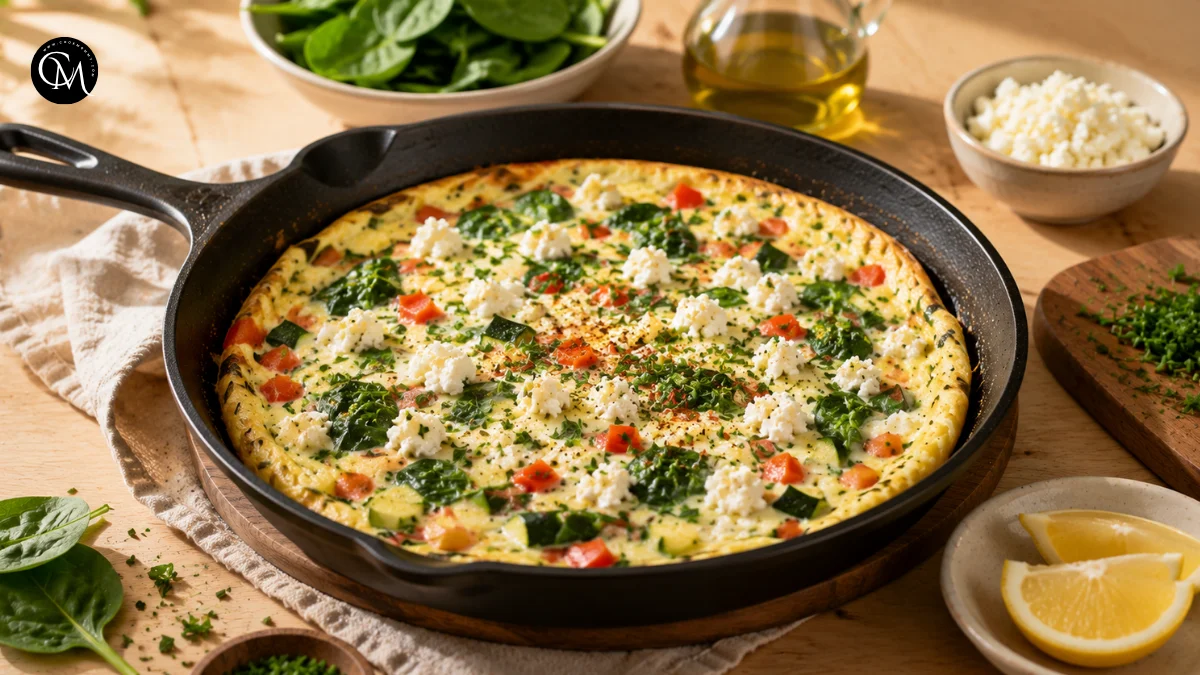
egg white frittata: 6 Best Secrets for Perfect Texture
Did you know that one large egg white contains roughly 17 calories and about 3.5 grams of protein, yet almost no fat? That sounds ideal for a light breakfast, but there is a catch: removing the yolks also removes much of the fat that normally keeps cooked eggs tender. That is why an egg white frittata can easily become dry, rubbery, or bland when it is cooked too aggressively.
After making this recipe many times, I found that the best texture comes from controlling moisture, heat, seasoning, and cooking time rather than simply adding more ingredients. This egg white frittata is soft in the center, lightly golden around the edges, packed with vegetables, and satisfying without feeling heavy.
The six secrets are simple: cook the vegetables first, remove excess moisture, season in layers, whisk gently, use moderate heat, and stop cooking before the eggs look completely firm.
Table of Contents
Ingredients for Egg White Frittata
This recipe makes about four servings.
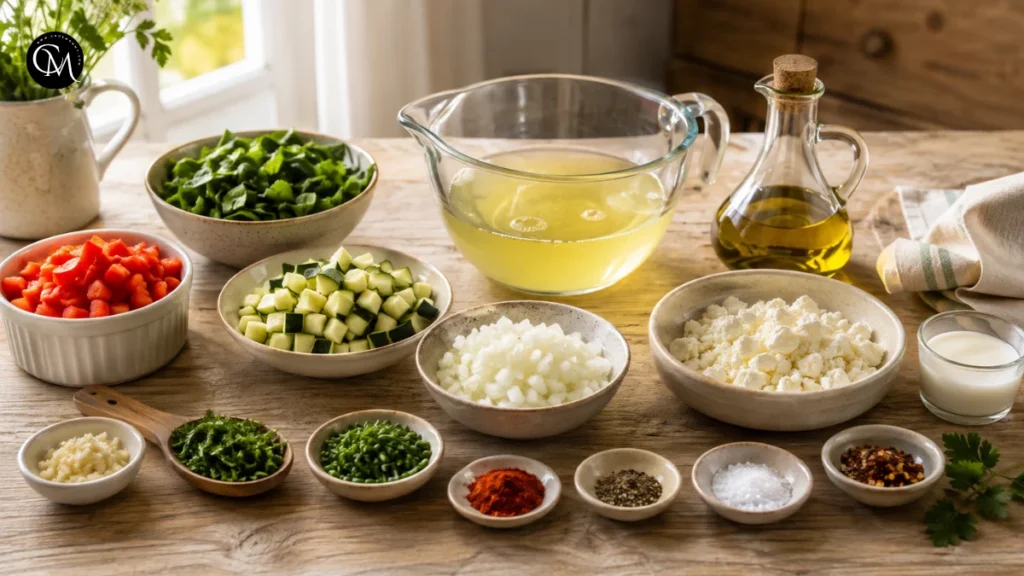
- 2 cups liquid egg whites, or whites from about 12 large eggs
- 1 tablespoon extra-virgin olive oil
- 1 small red bell pepper, finely diced
- 1 small zucchini, diced
- 1 cup baby spinach, roughly chopped
- 1/3 cup finely chopped onion
- 1 small garlic clove, minced
- 1/3 cup crumbled feta cheese
- 2 tablespoons milk
- 1 tablespoon chopped fresh parsley
- 1 tablespoon chopped fresh chives
- 1/4 teaspoon smoked paprika
- 1/4 teaspoon black pepper
- 1/4 teaspoon salt, plus more to taste
- Pinch of red pepper flakes, optional
Easy substitutions
- No zucchini? Mushrooms, asparagus, broccoli, or chopped tomatoes can work, although watery vegetables should always be cooked before they meet the eggs.
- Feta gives the egg white frittata a salty, creamy contrast, but goat cheese, shredded mozzarella, Parmesan, or reduced-fat cheddar also work well.
- For dairy-free cooking, replace the milk with unsweetened oat or almond milk and use a dairy-free cheese or simply leave the cheese out.
- Fresh herbs make a noticeable difference. Dill, basil, cilantro, or thyme can replace the parsley and chives depending on what you have available.
Timing
- Preparation time: 10 minutes
- Cooking time: 20 minutes
- Total time: 30 minutes
- Servings: 4
Many baked frittata recipes take 35–45 minutes from start to finish. This version is slightly quicker because the vegetables are sautéed in the same oven-safe skillet before the eggs are added.
That step does more than save dishes. It removes excess vegetable moisture and builds flavor, two things that greatly improve the final texture.
Step-by-Step Instructions
Step 1 – Prepare the ingredients
Preheat the oven to 375°F or 190°C. Dice the vegetables into fairly small, even pieces. Try to keep them around the same size so they soften at a similar rate.
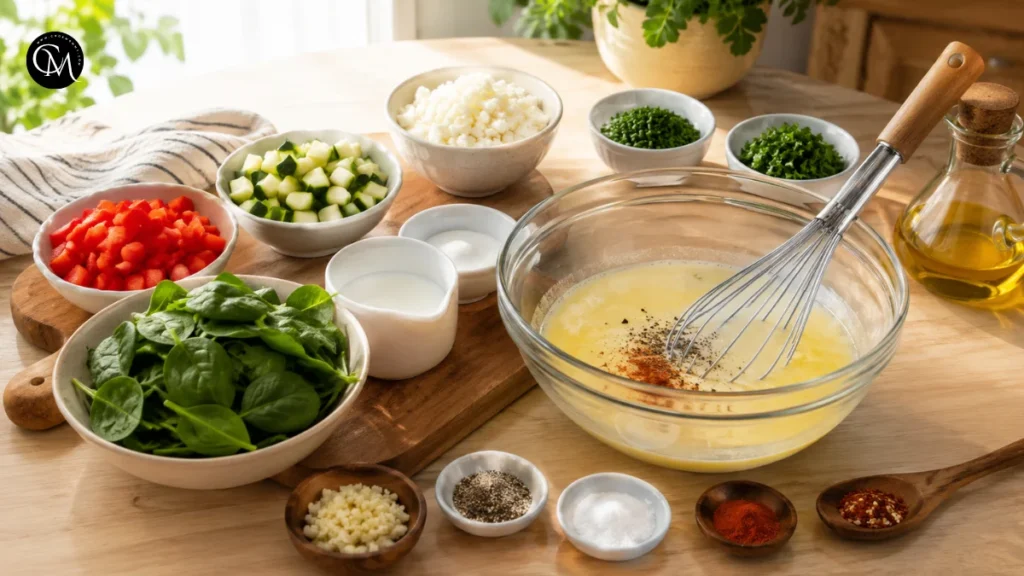
Pour the egg whites into a bowl and add the milk, black pepper, smoked paprika, and about half of the salt. Whisk gently for 20–30 seconds. Do not beat the mixture until extremely foamy. A little air helps make an egg white frittata lighter, but excessive foam can create an uneven, almost spongy texture after baking.
Having every ingredient ready before the skillet gets hot matters. Egg whites cook quickly, so once they enter the pan there is little time to chop herbs or measure cheese.
Step 2 – Build the flavor base
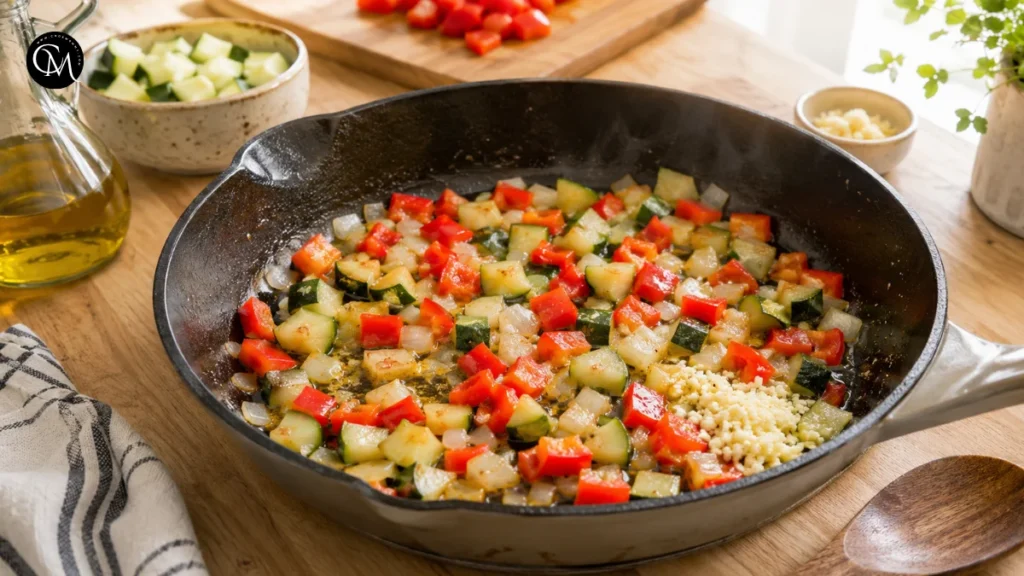
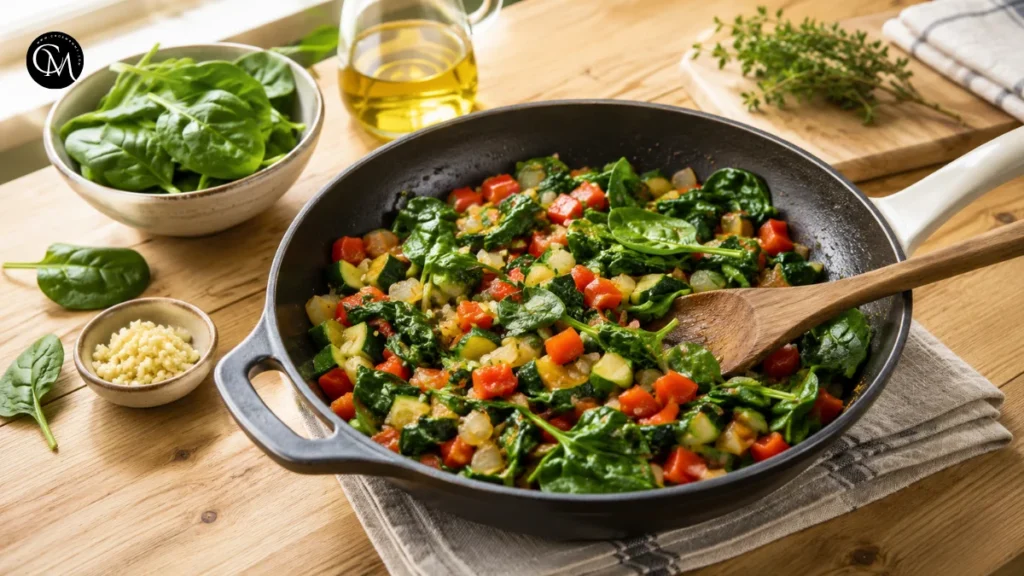
Heat the olive oil in a 10-inch oven-safe skillet over medium heat. Add the onion and bell pepper. Cook for about 3 minutes, stirring occasionally, until they begin to soften.
Add the zucchini and cook for another 3–4 minutes. The goal here is not to brown every vegetable heavily. You are concentrating their flavor and evaporating excess water.
This is especially important for zucchini, mushrooms, spinach, and tomatoes. If raw vegetables release too much water inside the eggs, the finished frittata can become wet on the surface while remaining oddly firm underneath. Add the garlic during the final 30 seconds so it becomes fragrant without burning.
Step 3 – Cook the main ingredients
Add the spinach to the skillet and stir just until wilted, usually 30–60 seconds. Spread the vegetables evenly across the bottom of the skillet. If you notice visible liquid collecting in the pan, continue cooking for another minute before adding the eggs.
This tiny detail is one of my most reliable texture tricks. The drier the vegetable mixture is before the egg whites go in, the more tender and cleanly sliced the finished egg white frittata will be. Reduce the heat to medium-low.
Step 4 – Combine everything
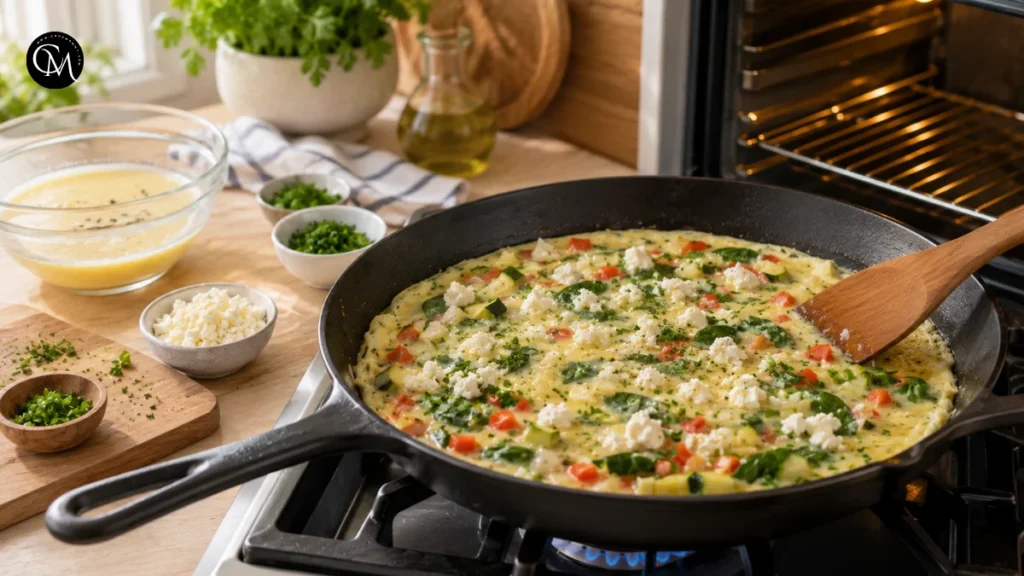
Pour the seasoned egg whites evenly over the vegetables. Sprinkle the feta and half of the fresh herbs across the top. Gently move a few vegetables with a spatula so the egg mixture reaches the bottom of the skillet, but avoid stirring everything together like scrambled eggs.
Let the pan cook undisturbed on the stovetop for 2–3 minutes. You should see the outer edge beginning to turn opaque while the center remains liquid.
Starting the egg white frittata briefly on the stovetop helps create structure before baking. It also reduces the amount of oven time needed, which lowers the risk of overcooking. Transfer the skillet to the preheated oven.
Step 5 – Finish and adjust the seasoning
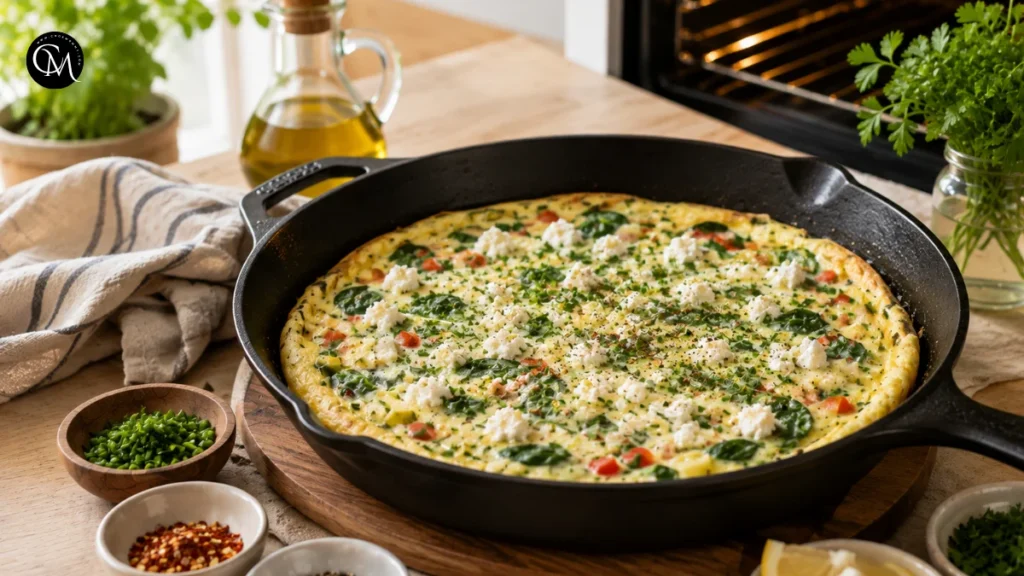
Bake for 10–13 minutes. Check the center around the 10-minute mark. The frittata should look set around the edges but retain a very slight softness or gentle jiggle in the middle.
Do not wait until the surface looks completely dry. Egg proteins continue firming from residual heat after the skillet leaves the oven. Pulling the egg white frittata out slightly early is one of the easiest ways to prevent the rubbery texture that often gives egg-white recipes a bad reputation.
Let it rest for 5 minutes before slicing. Finish with the remaining parsley and chives. Taste a small bite before adding extra salt because feta already contributes plenty of seasoning. For a chef-style finishing touch, add freshly cracked black pepper, chili flakes, or a squeeze of lemon immediately before serving.
Nutritional Information
Approximate nutrition per serving, assuming four servings:
- Calories: 170
- Protein: 24 g
- Carbohydrates: 7 g
- Fat: 6 g
- Saturated fat: 2 g
- Fiber: 2 g
- Sodium: approximately 500 mg
These values can vary depending on the cheese, milk, vegetables, and packaged egg whites you use.
The recipe is naturally rich in protein while remaining relatively light. Vegetables add fiber, flavor, color, and texture, while the small amount of feta and olive oil keeps the dish satisfying without overwhelming the delicate eggs.
Healthier Alternatives
- One reason I like an egg white frittata is how easily it adapts to different eating styles without becoming a completely different recipe.
- For a lower-sodium version, reduce the feta and replace it with fresh herbs, roasted peppers, or a small amount of low-sodium cheese.
- There is no added sugar in the basic recipe, so no sugar adjustment is necessary.
- If you want more whole grains, serve the frittata with whole-grain toast, quinoa, farro, or a small whole-wheat pita rather than changing the egg mixture itself.
- For a dairy-free version, use unsweetened plant milk and omit the cheese or choose a dairy-free alternative.
- The recipe is naturally gluten-free, but always check packaged cheese, spices, and liquid egg whites if you need strict gluten-free preparation.
- For children, use mild cheese and finely chopped vegetables. For older adults who prefer softer foods, cook the vegetables until very tender and avoid excessive browning.
- If you are watching overall calories, increase the spinach, peppers, or zucchini while keeping the cheese modest.
Serving Suggestions
- Serve the egg white frittata warm with sliced avocado and toasted sourdough for a balanced weekend breakfast.
- For something fresher, pair it with tomatoes, cucumber, arugula, and a lemony vinaigrette. The acidity brightens the mild egg whites beautifully.
- I also like cutting leftovers into wedges and placing them inside a whole-grain breakfast sandwich with spinach and a little mustard.
- For brunch, serve the frittata beside roasted potatoes, fresh fruit, or a simple yogurt bowl.
- If you enjoy meal prep, divide it into individual portions with roasted vegetables or a grain salad. That makes breakfast or lunch much easier during busy weekdays.
- You can also explore similar vegetable omelets, baked egg dishes, or high-protein breakfast recipes alongside this one if you want more make-ahead options.
Common Mistakes to Avoid
- Adding raw watery vegetables Zucchini, mushrooms, tomatoes, and spinach release moisture. Cook them first so the egg white frittata stays tender instead of watery.
- Baking until completely dry Egg whites tighten quickly once overcooked. Remove the skillet when the center is barely set.
- Using very high heat Aggressive heat causes egg proteins to contract rapidly, creating a tougher texture.
- Forgetting fat completely Egg whites contain almost no fat. A little olive oil, cheese, avocado, or milk improves flavor and mouthfeel.
- Under-seasoning Without yolks, eggs have a milder flavor. Season the vegetables and egg mixture separately rather than relying on salt added at the table.
- Cutting immediately Give the frittata about 5 minutes to rest. It will slice more cleanly and retain more moisture.
Storing Tips for Egg White Frittata
- Allow leftovers to cool before transferring them to an airtight container.
- Refrigerate for up to 3–4 days. For best texture, place parchment between slices if stacking them.
- Reheat gently in the microwave in short intervals, or warm slices in a covered skillet over low heat. High heat can make previously cooked egg whites noticeably firmer.
- You can also prepare the vegetables a day in advance and refrigerate them separately. When ready to cook, simply whisk the eggs, assemble, and bake.
- This recipe became one of my regular meals because it uses simple refrigerator ingredients, works well for meal prep, and gives me an easy way to use whatever vegetables are already on hand.
Conclusion
A great egg white frittata does not need complicated ingredients or restaurant techniques. The biggest difference comes from small details: cook excess moisture out of the vegetables, season each layer, add a little richness, keep the heat moderate, and remove the eggs before they become dry.
The result is a light, protein-rich breakfast with a tender center, colorful vegetables, and enough flexibility to work with what you already have in the kitchen.
Try this recipe for breakfast, brunch, or meal prep, and experiment with your favorite vegetables and herbs. If you make it, leave a comment or review sharing your favorite combination. And subscribe for more practical recipes, cooking tips, and simple ideas designed for everyday home kitchens.
FAQs
Can I make an egg white frittata with carton egg whites?
Yes. Carton egg whites work very well and save preparation time. Check the ingredient label and measure about 2 cups for this recipe.
Why does my egg white frittata become rubbery?
Overcooking is usually the main cause. Use moderate heat and remove the frittata when the center is barely set because residual heat continues cooking it.
Can I prepare it the night before?
Yes. Cook it completely, refrigerate it in an airtight container, and reheat gently the next morning. You can also prep the vegetables separately beforehand.
What vegetables work best?
Bell peppers, spinach, zucchini, asparagus, broccoli, mushrooms, onions, and roasted tomatoes work well. Cook watery vegetables first to prevent excess moisture.
Can I make this without cheese?
Absolutely. Add extra herbs, avocado, nutritional yeast, roasted peppers, or a drizzle of olive oil to maintain flavor and richness without cheese.
Can I freeze egg white frittata?
You can, although refrigerated portions usually have better texture. Freeze individual slices tightly wrapped for up to two months and thaw overnight before reheating.
How do I know when it is fully cooked?
The edges should be firm and the center should be just set with a slight softness. Avoid waiting until the entire surface looks dry.
Tried it before ?
There are no reviews yet. Be the first one to write one.