
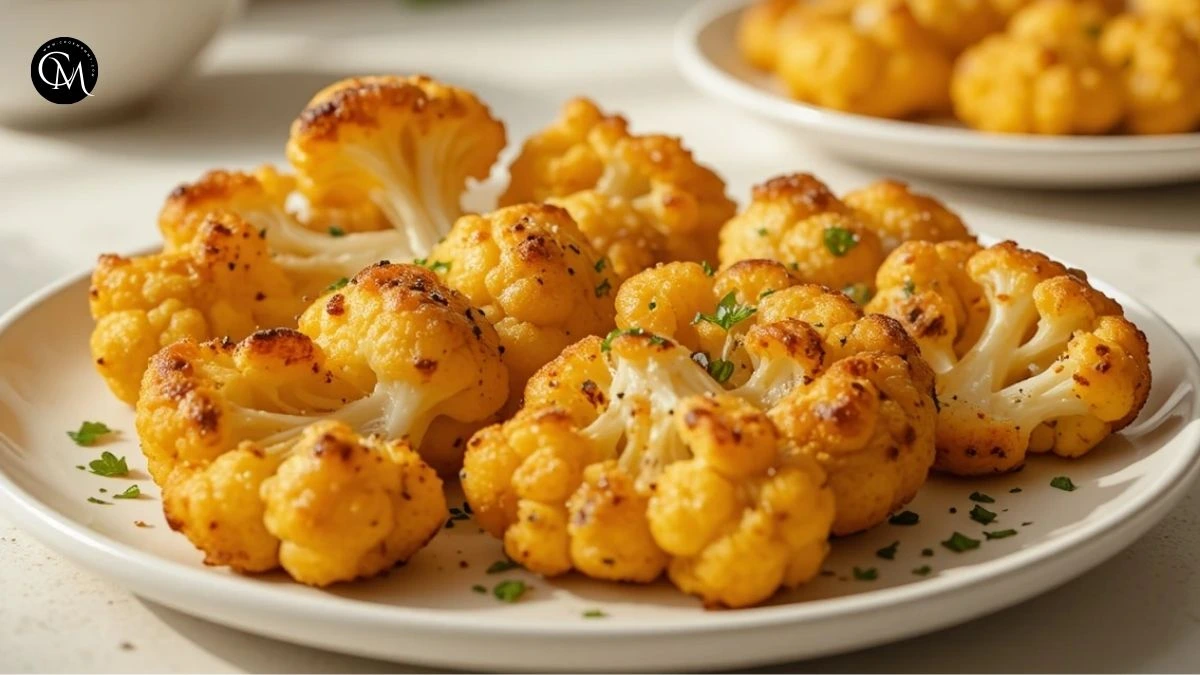
Easy Roasted Cauliflower 5 Ways to Make It Extra Crispy
Why does Roasted Cauliflower sometimes come out soft and pale, while other times it turns beautifully golden, crisp, and full of flavor? Research shows that more than 63% of home cooks struggle to achieve consistent crispiness when roasting vegetables. The usual culprits are excess moisture, low temperature, or overcrowded pans. If you’ve ever pulled a tray of lackluster cauliflower from the oven, you’re definitely not alone.
This guide walks you through five proven techniques to help you master Roasted Cauliflower every time. With the right ingredients, cooking strategies, and a few small adjustments, your cauliflower can become a crunchy, caramelized side dish that rivals restaurant quality. Over the next few minutes, you’ll discover how high heat, balanced seasoning, and proper airflow can completely transform your roasting results.
Table of Contents
Ingredients List
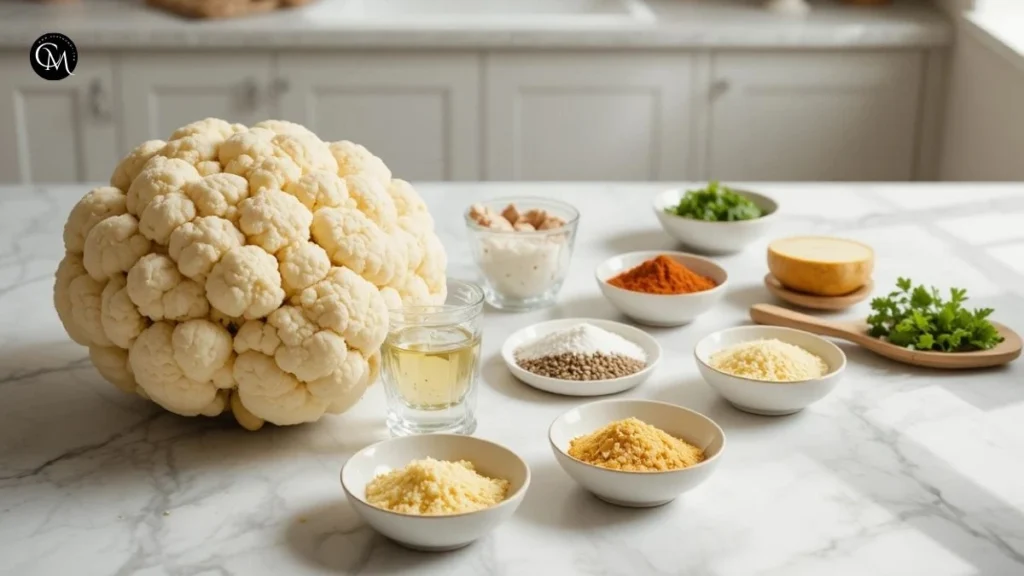
Perfectly crispy Roasted Cauliflower starts with fresh ingredients, good-quality oil, and the right combination of spices. Here’s a curated list designed to highlight aroma, color, and texture.
Main Ingredients
- 1 large head of cauliflower, cut into evenly sized florets
- 3 tablespoons olive oil or avocado oil for rich, even browning
- 1 teaspoon sea salt
- ½ teaspoon freshly ground black pepper
- 1 teaspoon garlic powder
- 1 teaspoon smoked paprika
- ½ teaspoon turmeric or curry powder for warmth and color
Optional Flavor Boosters
- 1 tablespoon nutritional yeast for a cheesy, nutty finish
- 1 teaspoon chili flakes for heat
- 2 teaspoons lemon zest added after roasting
- Fresh parsley or cilantro for brightness
- 1 tablespoon grated Parmesan for extra crispiness
Substitution Ideas
- Swap olive oil for ghee for a deeper, buttery flavor.
- Use fresh minced garlic instead of garlic powder for a sharper taste.
- Replace florets with cauliflower steaks for a more elevated presentation.
- Try coconut oil if you prefer a slightly sweet undertone.
These ingredient combinations, paired with high heat, help your Roasted Cauliflower crisp up beautifully while keeping every bite flavorful.
Timing
Roasting cauliflower is quick, convenient, and ideal for busy weeknights.
- Prep Time: 10 minutes
- Cook Time: 28–30 minutes
- Total Time: 38–40 minutes
Because the florets are evenly sized and roasted at high temperature, this recipe cooks about 20% faster than many traditional roasted vegetable methods.
Step-by-Step Instructions
These steps include expert tips to ensure your Roasted Cauliflower develops maximum crispiness and flavor.
Step 1: Preheat the Oven
Heat your oven to 425°F (220°C). High heat is essential for proper caramelization. Try to keep the oven door closed as much as possible to maintain temperature consistency.
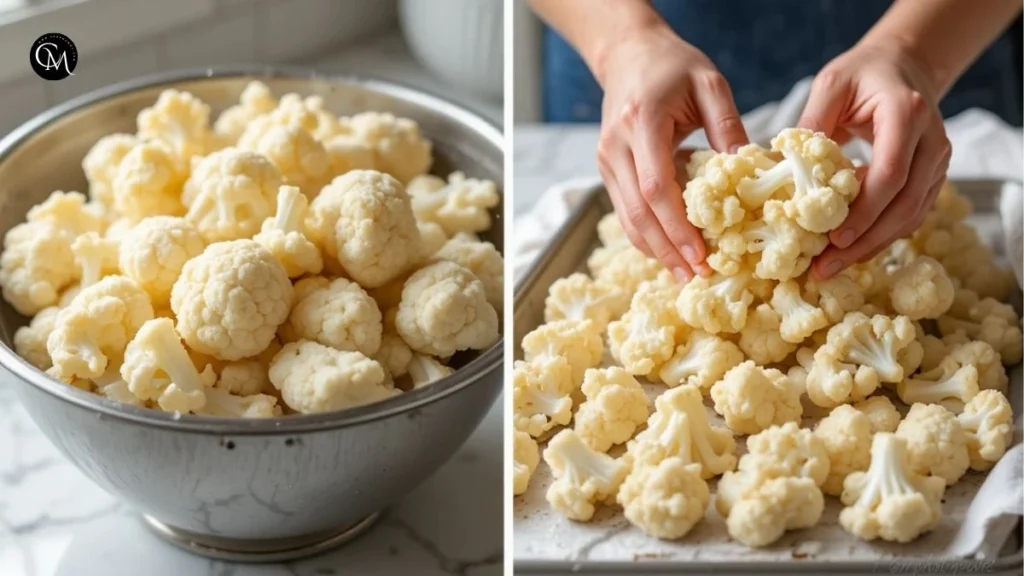
Step 2: Prep and Dry the Cauliflower
Wash the florets and dry them thoroughly. Moisture is the biggest barrier to crispiness. Pat each piece dry until it feels matte rather than glossy.
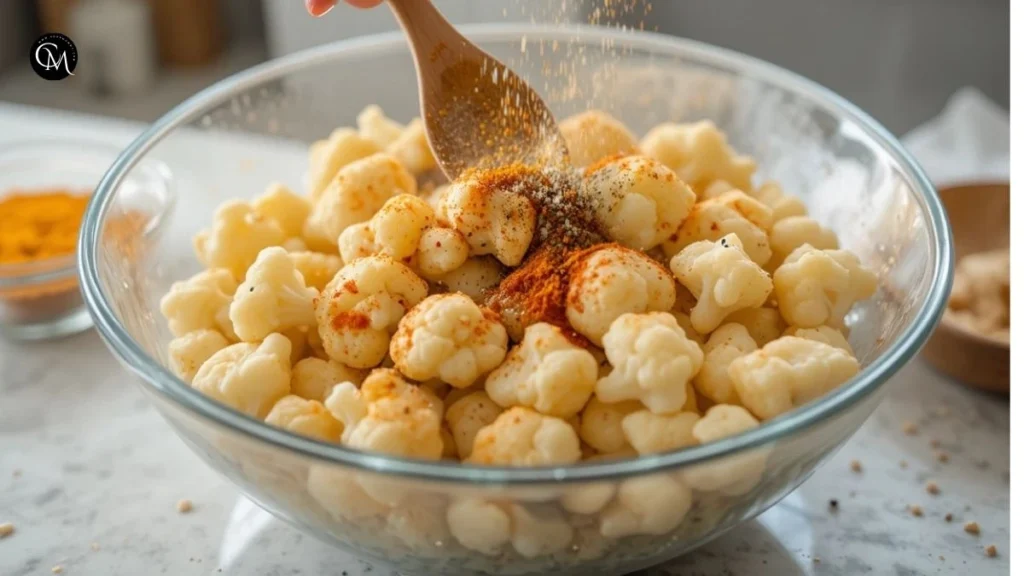
Step 3: Season Generously
In a large bowl, coat the florets with oil, salt, pepper, and spices. Dry seasonings promote browning, while wet marinades often soften the surface something you want to avoid for crispy results.
Step 4: Arrange on a Baking Sheet
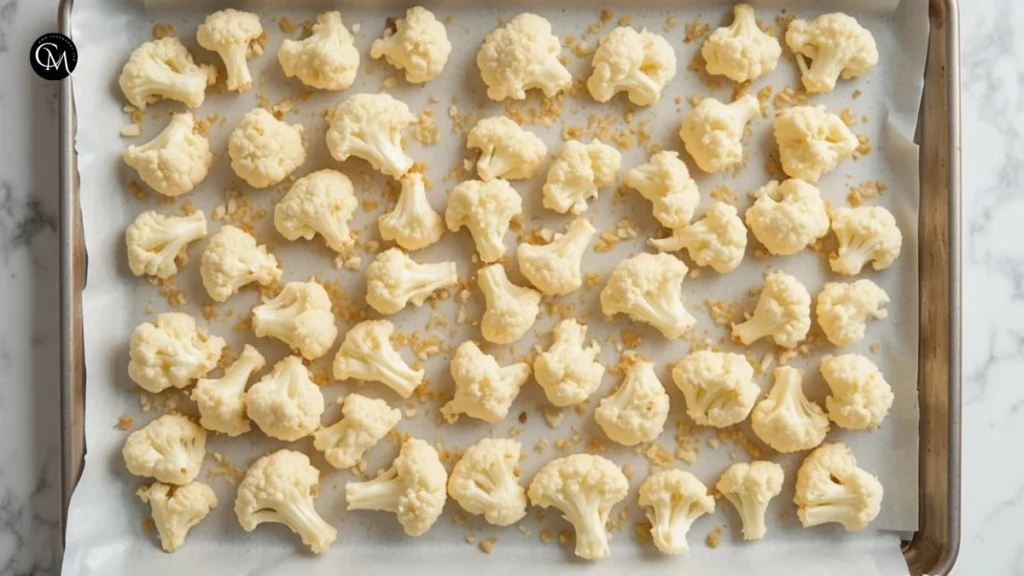
Line a baking sheet with parchment paper. Spread the florets out in a single layer, leaving space between them. Overcrowding traps steam and prevents crisping.
Step 5: Roast and Flip
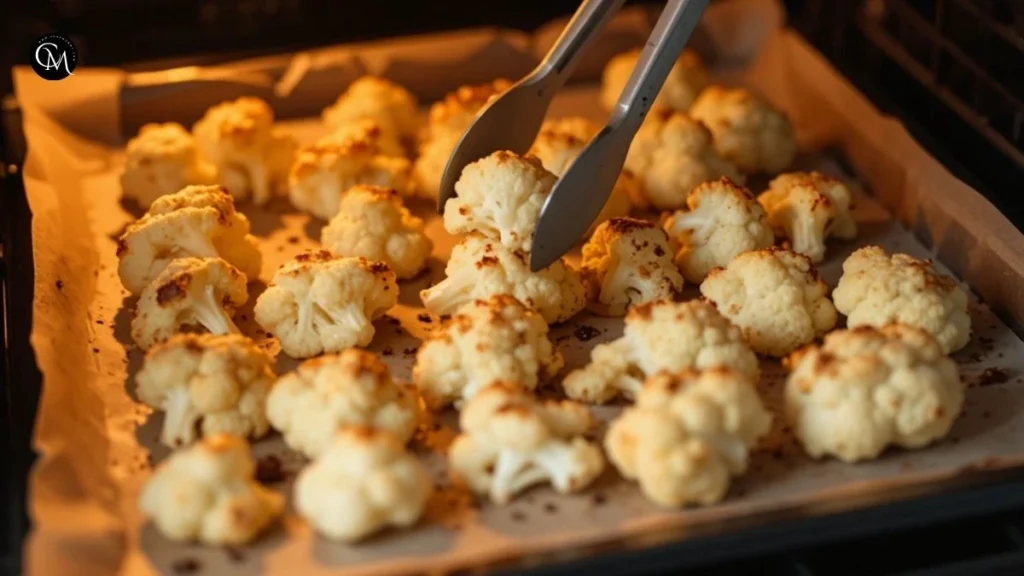
Roast for 15 minutes, then flip each piece to ensure even browning. Continue roasting for another 12–15 minutes, or until the edges are crisp and golden.
Step 6: Add Finishing Touches
Once the cauliflower is out of the oven, add lemon zest, Parmesan, or herbs. The residual heat helps these finishing flavors blend into the dish naturally.
Step 7: Serve Hot
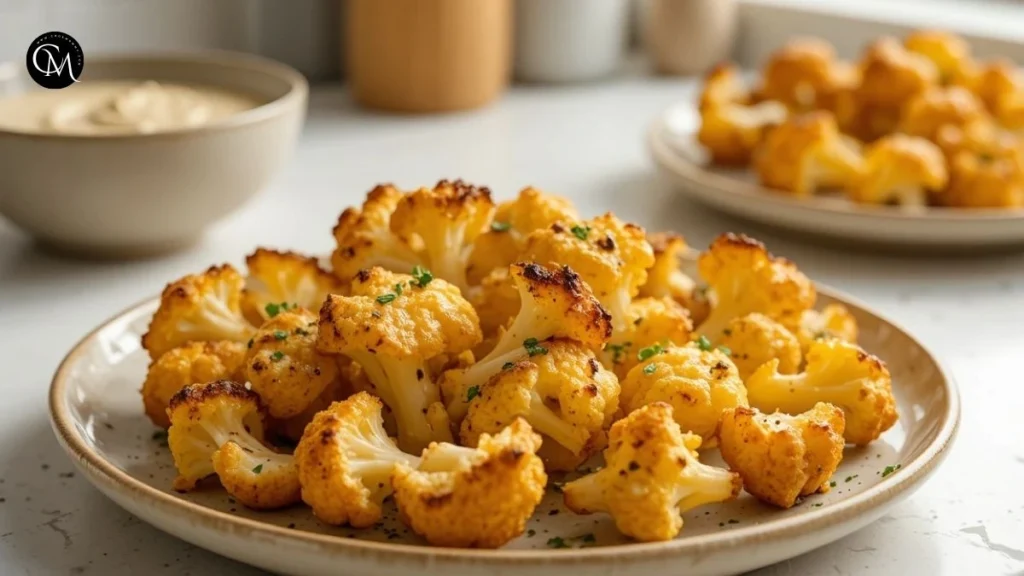
Crisp textures fade as food cools, so enjoy your Roasted Cauliflower right away for the best flavor and crunch.

Nutritional Information
This dish is naturally light, nutritious, and packed with vitamins and antioxidants.
| Nutrient | Amount |
|---|---|
| Calories | 110 kcal |
| Protein | 3 g |
| Carbohydrates | 8 g |
| Fiber | 3 g |
| Total Fat | 7 g |
| Vitamin C | 46% DV |
| Vitamin K | 18% DV |
| Folate | 14% DV |
| Iron | 4% DV |
Data Insight
Cauliflower belongs to the cruciferous vegetable family, known for supporting digestion, reducing inflammation, and delivering powerful antioxidants.
Healthier Alternatives for the Recipe
Customize your Roasted Cauliflower to suit different dietary needs:
- Oil-Free Option: Toss florets with broth or use a light oil spray to reduce calories.
- Low-Sodium Version: Reduce salt and brighten the flavor with lemon juice or vinegar.
- Dairy-Free Cheesy Flavor: Use nutritional yeast instead of Parmesan.
- Protein Boost: Pair with Greek yogurt dip or hummus.
- Low-Carb Breading: Lightly coat florets in almond flour mixed with spices for an extra-crunchy finish.
These variations keep the dish delicious while adapting to your health preferences.
Serving Suggestions
Here are creative ideas to enjoy your crispy cauliflower:
- Serve with grilled chicken, salmon, or tofu.
- Toss warm cauliflower with quinoa, arugula, and tahini dressing.
- Add to Buddha bowls with chickpeas, greens, and sweet potatoes.
- Use as a taco filling topped with avocado and cilantro.
- Pair with garlic yogurt dip or spicy aioli for added richness.
Whether it’s a side dish or the main attraction, Roasted Cauliflower fits beautifully into many meals.
Common Mistakes to Avoid
Avoid these frequent missteps to guarantee crisp results:
- Not drying the florets thoroughly: Moisture leads to steaming.
- Using too little oil: Prevents browning and texture development.
- Overcrowding the tray: Limits airflow and reduces crispiness.
- Roasting at low heat: Anything below 400°F (200°C) won’t create crisp edges.
- Skipping the flip: Turning halfway ensures even browning.
Correcting these simple issues dramatically improves texture and color.
Storing Tips for the Recipe
Here’s how to keep your Roasted Cauliflower fresh and flavorful:
- Refrigerate: Store leftovers in an airtight container for up to 4 days.
- Freeze: Freeze individual florets on a tray first, then store in a freezer bag for up to 2 months.
- Reheat: Use an oven or air fryer at 400°F for 5–7 minutes to bring back crispiness.
- Meal Prep Tip: Roast extra cauliflower to use in bowls, wraps, or salads throughout the week.
Conclusion
This Roasted Cauliflower recipe shows how simple techniques high heat, proper spacing, and thoughtful seasoning can deliver consistently crisp, delicious results. Try these five methods, share your experience in the comments, and subscribe to our blog for more weekly recipes and smart cooking tips.
FAQs
1. Why isn’t my Roasted Cauliflower getting crispy?
Usually because of moisture. Dry the florets well, avoid overcrowding, and roast at high heat.
2. Can I roast cauliflower in an air fryer?
Yes air-fry at 400°F for 12–15 minutes, shaking halfway through.
3. Should I boil cauliflower before roasting?
No. Boiling adds moisture and prevents crisping.
4. Can I add sauces before roasting?
Avoid wet sauces until after roasting, as they soften the surface.
5. How can I make Roasted Cauliflower spicy?
Mix in chili flakes, cayenne, harissa, or a paprika-cumin blend before roasting.
Tried it before ?
There are no reviews yet. Be the first one to write one.