
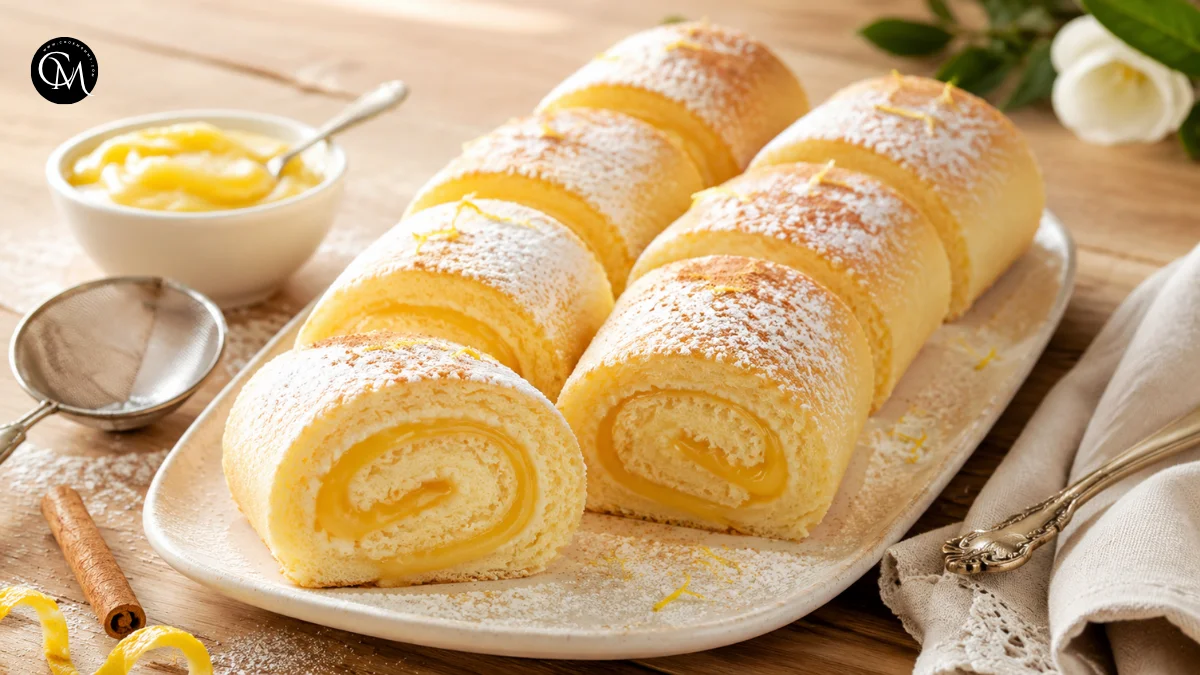
Traditional Portuguese Azeitão Rolls: 5 Secrets to Success
How can a Portuguese pastry made from only a few basic ingredients create such a memorable contrast between delicate sponge cake and rich, creamy filling? The secret lies less in an oversized ingredient list and more in precise mixing, brief baking, and rolling the cake while it remains flexible.
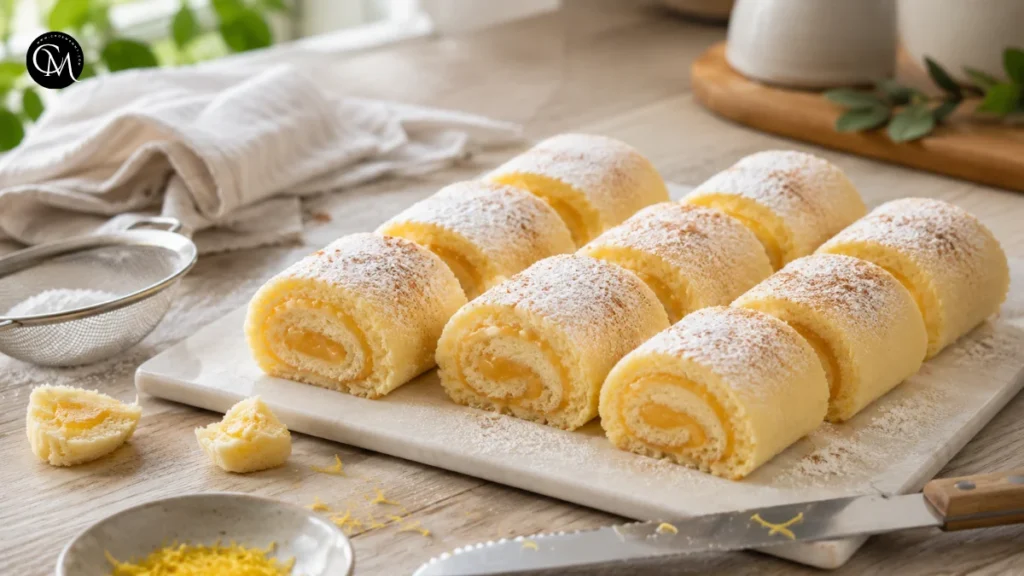
Traditional Azeitão Rolls are small Portuguese sponge cakes filled with a silky egg-yolk cream known as doce de ovos. They come from Azeitão in Portugal’s Setúbal region and are traditionally made with eggs, sugar, and corn flour. The finished pastries are usually small, yellow, glossy rolls measuring roughly 12 centimeters long.
This recipe is worth learning because it transforms everyday ingredients into an elegant dessert suitable for afternoon coffee, holidays, family gatherings, or a Portuguese-inspired dessert table. The sponge is light, the filling is luxurious, and the hint of cinnamon and lemon keeps the sweetness balanced.
The method may look delicate, but it becomes manageable once you understand five essential points: prepare everything first, aerate the eggs properly, avoid overbaking, roll while warm, and keep the filling smooth rather than overly thick.
Table of Contents
Ingredients for Azeitão Rolls
This recipe makes approximately 8 small rolls.
For the sponge cake
- 5 large eggs, separated and at room temperature
- 120 g granulated sugar, divided
- 50 g fine corn flour or cornstarch
- 15 g all-purpose flour
- 1 teaspoon finely grated lemon zest
- ¼ teaspoon ground cinnamon
- 1 small pinch of fine salt
- Powdered sugar, for dusting
Traditional versions are known for using corn flour, which contributes to their tender structure and characteristic yellow color. If fine corn flour is unavailable, cornstarch creates a light result, although its texture is slightly softer and less rustic.
For the egg-yolk filling
- 6 large egg yolks
- 120 g granulated sugar
- 80 ml water
- 1 strip of lemon peel
- 1 small cinnamon stick
- ½ teaspoon vanilla extract, optional
- 1 small pinch of salt
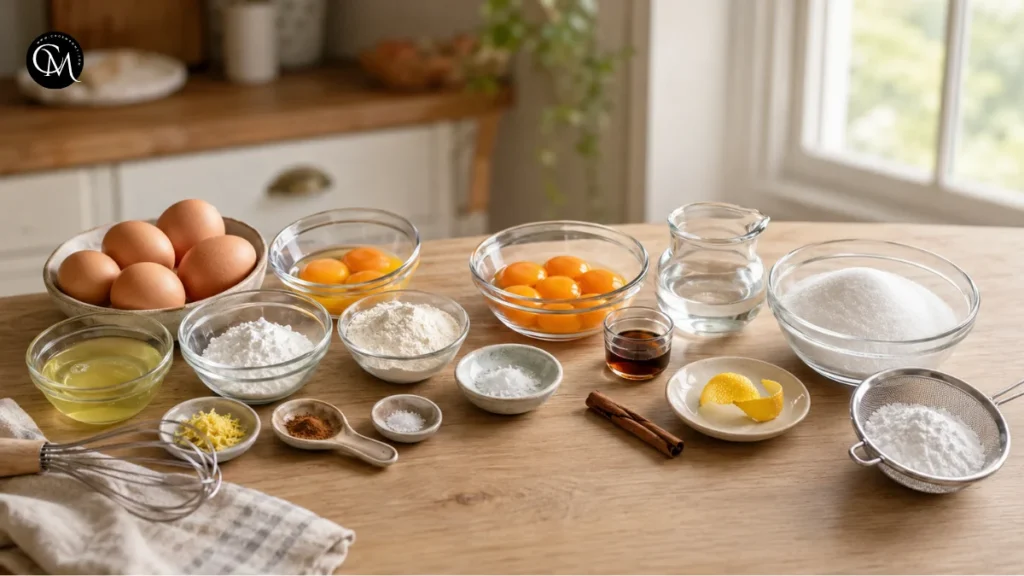
The lemon peel and cinnamon are not meant to overpower the filling. They add a gentle fragrance that cuts through the richness of the yolks. Lisbon’s tourism authority also identifies lemon and cinnamon as characteristic flavors associated with this traditional cake.
Useful substitutions
Regular wheat flour can replace the corn flour, but the sponge will be slightly more elastic and less traditional. Orange zest can replace lemon zest for a warmer citrus note. For a milder filling, fold two tablespoons of lightly whipped cream into completely cooled egg cream just before assembling.
Timing
- Preparation time: 30 minutes
- Baking time: 8–10 minutes
- Filling and assembly: 20 minutes
- Cooling time: 30 minutes
- Total time: About 1 hour 30 minutes
Unlike a standard Swiss roll, which may bake for 12–15 minutes, the sponge for Azeitão Rolls is thin and should normally leave the oven in under 10 minutes. Even two extra minutes can make rolling more difficult.
Step-by-Step Instructions
Step 1: Prepare the ingredients and equipment
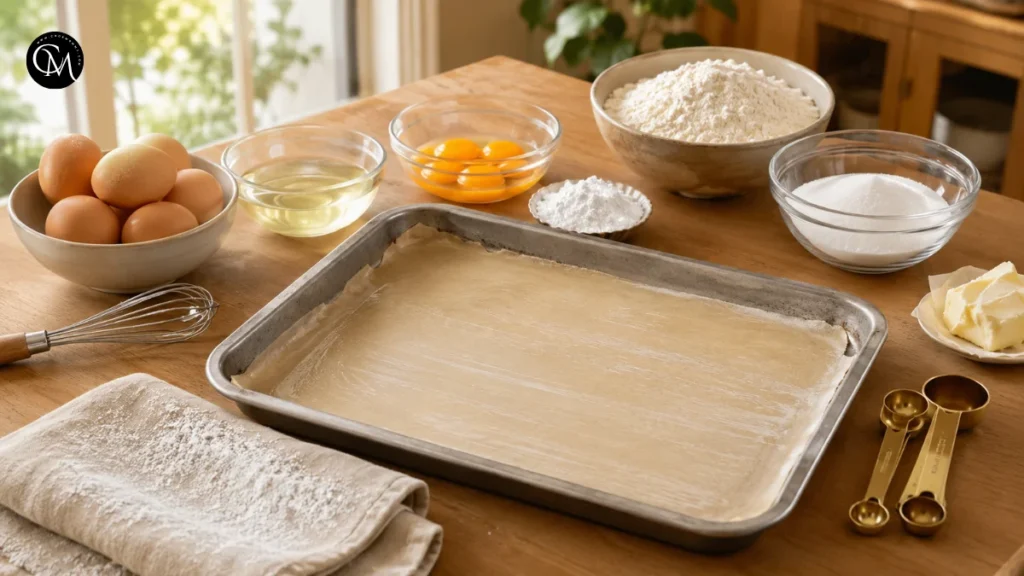
Heat the oven to 190°C, or 375°F. Line a 30 × 40 cm rimmed baking tray with parchment paper. Lightly grease the paper, especially around the corners.
Separate the eggs while they are cold because the yolks are less likely to break. Then allow the whites and yolks to approach room temperature. Warmer eggs whip more easily and hold air more effectively, helping the sponge rise without chemical leavening.
Measure every ingredient before mixing. This matters because the batter loses volume when it sits. Once the flour is folded into the eggs, the cake should go into the oven promptly.
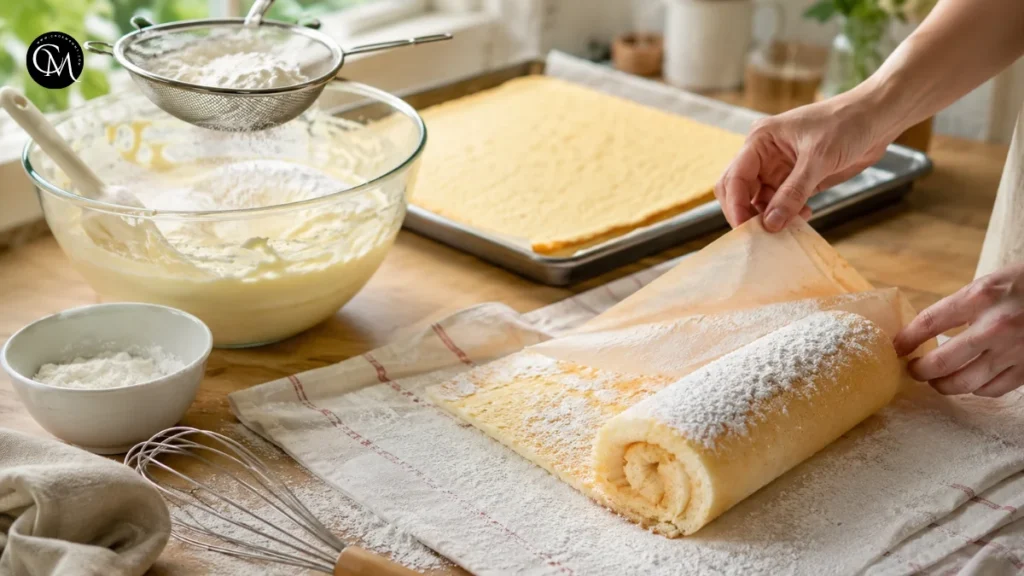
Place a clean kitchen towel on the counter and dust it generously with powdered sugar. This will receive the warm sponge after baking and prevent it from sticking.
Step 2: Build the light sponge base
Place the egg yolks in a large bowl with about two-thirds of the sugar. Beat for 4–5 minutes until thick, pale, and ribbon-like. When you lift the whisk, the mixture should fall back into the bowl in a visible trail.
Add the lemon zest and cinnamon. In another clean, dry bowl, beat the egg whites with the salt until foamy. Gradually add the remaining sugar and continue beating until medium peaks form.
Avoid whipping the whites until they become dry or clumpy. Slightly flexible peaks blend into the yolk mixture more smoothly, which helps preserve the tiny air bubbles responsible for the cake’s light texture.
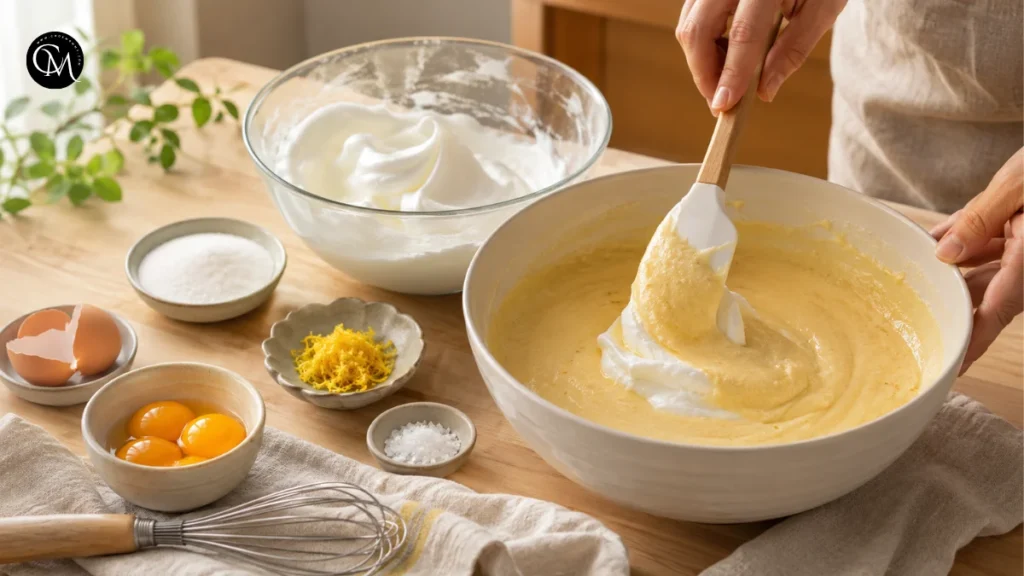
Fold one-third of the whites into the yolks to loosen them. Add the remaining whites in two portions, folding gently from the bottom upward. The batter should look airy and evenly yellow, without visible white streaks.
Step 3: Bake the sponge without drying it out
Sift the corn flour and all-purpose flour over the egg mixture. Fold slowly just until no dry pockets remain. Overmixing pushes out the air and produces a flatter, tougher cake.
Spread the batter over the lined tray in an even layer. Do not repeatedly smooth it, as too much handling deflates the mixture. Bake for 8–10 minutes.
The sponge is ready when the top feels dry but still soft, the edges are only lightly golden, and the center springs back after a gentle touch. Do not wait for deep browning.
Immediately invert the cake onto the sugared towel. Peel away the parchment carefully, then roll the warm sponge loosely with the towel from one short side. This initial roll trains the cake into its final shape and reduces cracking.
Leave it rolled for 15–20 minutes.
Step 4: Make the egg-yolk filling and assemble
While the cake cools, combine the sugar, water, lemon peel, and cinnamon stick in a small saucepan. Bring the mixture to a gentle boil and cook for about 3 minutes without stirring aggressively.
Remove the lemon peel and cinnamon. Place the yolks in a heat-resistant bowl and whisk them briefly. Slowly pour a small amount of warm syrup into the yolks while whisking continuously. This gradual tempering prevents scrambled eggs.
Pour the warmed yolk mixture back into the saucepan. Cook over low heat, stirring constantly with a silicone spatula or wooden spoon. The cream should thicken enough to coat the back of the spoon but remain spreadable.
Remove it from the heat as soon as a line drawn through the cream holds its shape. Stir in the vanilla and salt, then transfer the filling to a shallow bowl. Cover the surface directly with parchment paper and let it cool.
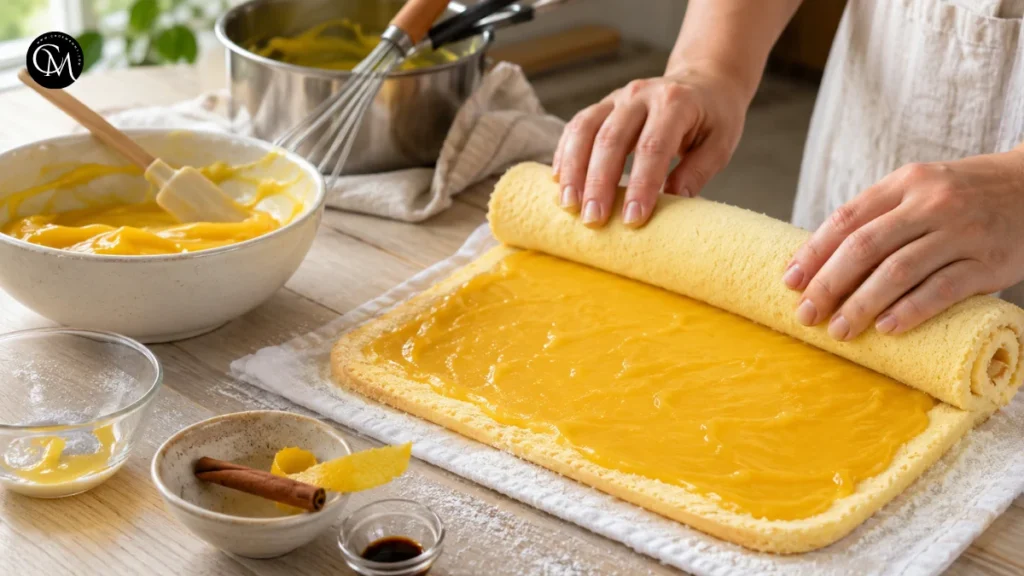
Unroll the sponge gently. Spread a thin, even layer of filling over the surface, leaving a 1 cm border. Too much cream may squeeze out and make the finished rolls difficult to handle.
Roll the cake again without the towel, keeping it snug but not compressed.
Step 5: Finish, portion, and adjust the flavor
Trim the dry edges with a sharp serrated knife. Cut the long cake into eight small Azeitão Rolls, wiping the blade between cuts for clean portions.
Dust them lightly with powdered sugar and, when desired, add a very small pinch of cinnamon. Avoid a heavy coating because these pastries are already sweet and should retain their golden appearance.
Taste a trimmed end before serving. When the filling seems excessively sweet, add a little fresh lemon zest on top. When the sponge tastes dry, brush it lightly with warm lemon syrup before filling.
Let the assembled cakes rest for 20–30 minutes. This allows the filling to settle into the sponge and gives the rolls a softer, more unified texture.
Nutritional Information
Approximate nutrition per roll, based on eight servings:
| Nutrient | Approximate amount |
|---|---|
| Calories | 245 kcal |
| Carbohydrates | 38 g |
| Protein | 6 g |
| Fat | 8 g |
| Saturated fat | 3 g |
| Sugar | 29 g |
| Sodium | 70 mg |
These values vary according to the size of the eggs, the amount of filling used, and the final portion size. Azeitão Rolls are rich pastries designed to be enjoyed in modest portions rather than treated as an everyday low-sugar snack.
Healthier Alternatives
- For lower-sugar rolls, reduce the sugar in the sponge by about 15%. Avoid a dramatic reduction because sugar helps the eggs hold air and keeps the cake flexible. The filling can also be applied more thinly.
- A whole-grain version is possible by replacing no more than one-third of the flour with finely milled whole-wheat pastry flour. Replacing all the flour makes the sponge heavier and more likely to crack.
- The traditional sponge contains no butter or milk, making it naturally dairy-free when vanilla and decorations are also dairy-free. For gluten-free Azeitão Rolls, use certified gluten-free cornstarch or fine corn flour and omit the wheat flour.
- For children, make smaller portions and use a thin layer of egg cream. For older adults who prefer softer desserts, brush the sponge lightly with citrus syrup. Those watching portion sizes can divide the cake into ten miniature rolls.
Serving Suggestions for the Azeitão Rolls
- Serve the Azeitão Rolls at room temperature with espresso, black coffee, or unsweetened tea. The slight bitterness of coffee balances the sweet egg filling particularly well.
- For a fresh contrast, place each roll beside strawberries, raspberries, or orange segments. Their acidity makes the dessert feel lighter without changing the traditional recipe.
- For a Portuguese dessert board, pair Azeitão Rolls with sliced fruit, roasted almonds, small pieces of dark chocolate, and other regional pastries. Their compact shape makes them well suited to buffets and afternoon celebrations.
- During warm weather, chill them for 15 minutes before serving, but avoid presenting them directly from a very cold refrigerator. The filling tastes smoother and the citrus aroma is clearer after the rolls lose their refrigerator chill.
Common Mistakes to Avoid
- Using cold eggs: Cold eggs take longer to whip and may not produce the same volume. Let them warm slightly after separating.
- Overbeating the egg whites: Dry whites are difficult to fold smoothly and often leave rubbery white patches in the batter.
- Overbaking the sponge: This is the most common cause of cracking. Begin checking the cake at eight minutes.
- Waiting before rolling: The sponge becomes less flexible as it cools. Shape it with the towel immediately after removing the parchment.
- Cooking the yolk cream over high heat: Excessive heat can create lumps. Use low heat and stir continuously.
- Adding too much filling: A thick layer may seem appealing, but it can escape from the sides and overwhelm the delicate cake.
Storing Tips for Azeitão Rolls
- Store leftover rolls in a shallow airtight container in the refrigerator for up to three days. Place parchment paper between layers to prevent sticking and protect their shape.
- For the best texture, take them out 15–20 minutes before serving. Avoid leaving egg-based filling at room temperature for extended periods, particularly in a warm kitchen.
- The egg cream can be prepared one day in advance and refrigerated with parchment paper pressed directly onto its surface. Stir gently before spreading. The unfilled sponge is best used the day it is baked.
- Freezing is not ideal because the yolk filling may become slightly watery after thawing. However, the unfilled sponge can be wrapped well and frozen for up to one month.
- This recipe became one of my regular desserts because it looks elegant without requiring decorative piping, complicated equipment, or expensive ingredients. Once the rolling technique is mastered, Azeitão Rolls are surprisingly practical for entertaining.
Conclusion
Traditional Azeitão Rolls prove that a short ingredient list can still produce an impressive dessert. The airy sponge, fragrant lemon and cinnamon, and creamy egg-yolk center create a pastry that feels both comforting and refined. Success depends on whipping the eggs properly, baking the cake briefly, rolling it while warm, and keeping the filling smooth and balanced.
Prepare the ingredients before starting, watch the sponge closely in the oven, and resist the temptation to overfill it. Those small choices make the difference between a cracked cake and soft, beautifully shaped rolls.
Try the recipe, then leave a comment or review describing how your rolls turned out. Subscribe for more Portuguese recipes, traditional desserts, and practical baking guides.
FAQs
What are Azeitão Rolls?
They are traditional small Portuguese sponge-cake rolls from Azeitão, in the Setúbal region. They are typically made with eggs, sugar, corn flour, cinnamon, and a rich egg-yolk filling.
Why did my sponge crack while rolling?
The cake was probably overbaked, allowed to cool flat, or rolled too tightly. Remove it while still soft and roll it immediately in a powdered-sugar-covered towel.
Can I make Azeitão Rolls without corn flour?
Yes. Use all-purpose flour or a combination of flour and cornstarch. The result will still be tender, although the flavor and texture may differ from traditional versions.
Can I prepare the filling in advance?
Yes. Make the egg-yolk cream one day ahead, cover its surface directly, and refrigerate it. Let it soften slightly and stir gently before spreading it onto the sponge.
How do I prevent lumps in the egg filling?
Temper the yolks gradually with warm syrup, then cook over low heat while stirring constantly. Strain the finished cream when small lumps remain.
Should the Azeitão Rolls be served warm or cold?
Serve them at room temperature or lightly chilled. Very cold rolls taste firmer and less aromatic, while room-temperature rolls have a softer sponge and more noticeable citrus flavor.
Can Azeitão Rolls be made gluten-free?
Yes. Use certified gluten-free fine corn flour or cornstarch and omit the wheat flour. Check every packaged ingredient to ensure it meets your dietary requirements.
Tried it before ?
There are no reviews yet. Be the first one to write one.