
Easy Gluten Free Flatbread: How to Make It in 20 Minutes
Did you know that one of the biggest reasons people skip homemade bread is not lack of skill, but the belief that it takes too long? That idea falls apart the moment you make this Gluten Free Flatbread. It is quick, practical, and genuinely useful on busy days when you want something warm, soft, and homemade without waiting for yeast to rise or dough to rest for hours.
This recipe is worth reading because it solves a real kitchen problem. Many gluten-free breads turn out dry, crumbly, or oddly dense. A good Gluten Free Flatbread should be tender, flexible, and easy to cook in a skillet with pantry-friendly ingredients. This version is exactly that. It works for wraps, dipping, breakfast, and fast dinners, and it is simple enough for beginners while still giving experienced cooks room to adjust texture and flavor. Once you learn the method, it becomes one of those dependable recipes you can use again and again.
Table of Contents
Ingredients List
Here is everything you need to make a soft, reliable Gluten Free Flatbread at home.
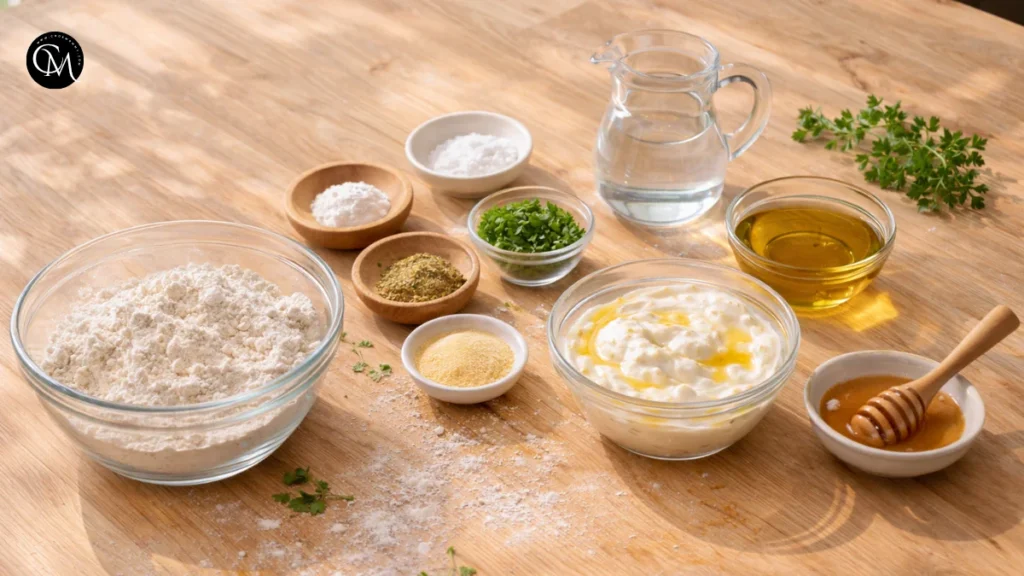
- 1 1/2 cups gluten-free all-purpose flour blend
- 1 teaspoon baking powder
- 1/2 teaspoon fine salt
- 3/4 cup plain Greek yogurt or unsweetened dairy-free yogurt
- 1 tablespoon olive oil
- 2 to 4 tablespoons warm water, as needed
- Extra flour for dusting
Optional flavor additions
- 1/2 teaspoon garlic powder for a savory note
- 1 teaspoon dried oregano or mixed herbs
- 1 tablespoon chopped fresh parsley or chives
- A pinch of black pepper
Easy substitutions
- Yogurt: Use coconut yogurt or almond-based yogurt for a dairy-free version.
- Flour blend: Choose a blend that already contains xanthan gum for easier handling.
- Olive oil: Avocado oil works well too.
- Seasonings: Swap herbs depending on the meal. Cumin pairs well with soups, while rosemary works nicely with roasted vegetables.
The flour blend matters more than people think. Some gluten-free mixes absorb more moisture than others, so it is smart to keep a little extra water nearby. The dough should feel soft and slightly tacky, not wet.
Timing
One of the best things about this Gluten Free Flatbread is how quickly it comes together.
- Preparation time: 10 minutes
- Cooking time: 10 minutes
- Total time: 20 minutes
Compared with traditional flatbread recipes that may require yeast, proofing, or oven baking, this method is much faster. It is especially useful for weeknights, quick lunches, or those moments when you realize you need bread right now and not an hour from now.
Step-by-Step Instructions
Step 1 – Prepare ingredients
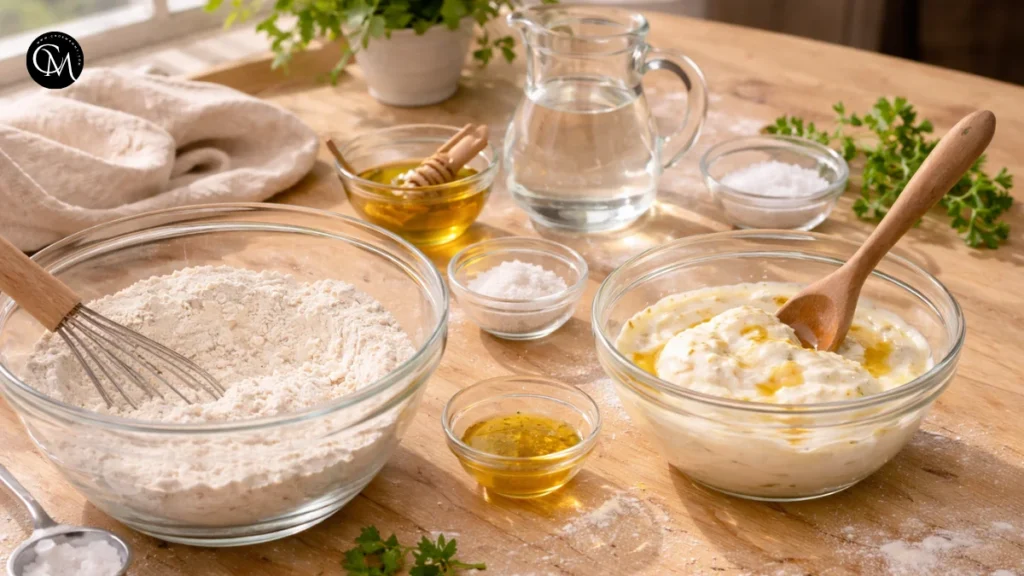
Measure everything before you start. In a medium bowl, combine the gluten-free flour, baking powder, salt, and any dry seasonings you are using. Add the yogurt and olive oil.
Preparation matters here because Gluten Free Flatbread dough can change quickly depending on the flour blend. Having everything ready lets you adjust the moisture without rushing. Warm water should be nearby so you can add it gradually. This small bit of organization makes the dough easier to handle and helps avoid overmixing.
Step 2 – Build flavor base
Mix the ingredients with a spoon or spatula until a shaggy dough forms. Add warm water one tablespoon at a time until the dough comes together. Then knead gently with your hands in the bowl for about 1 minute.
This is where the cooking science helps. In wheat dough, gluten creates elasticity. In a Gluten Free Flatbread recipe, moisture balance becomes the key instead. Yogurt adds tenderness and a subtle tang, while baking powder helps the flatbread puff slightly during cooking. Gentle kneading helps distribute moisture evenly without making the dough gummy.
Step 3 – Cook the main ingredient
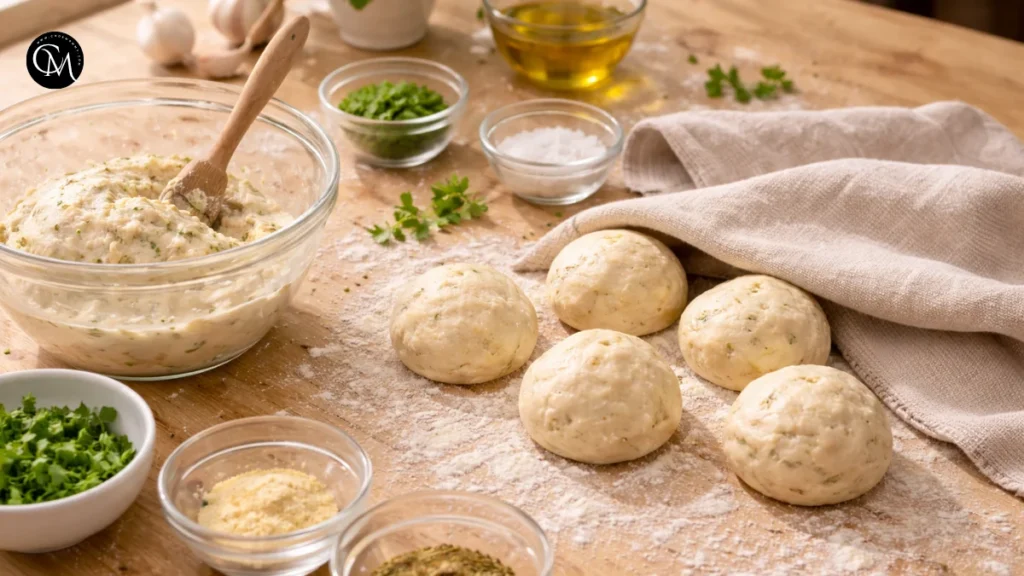
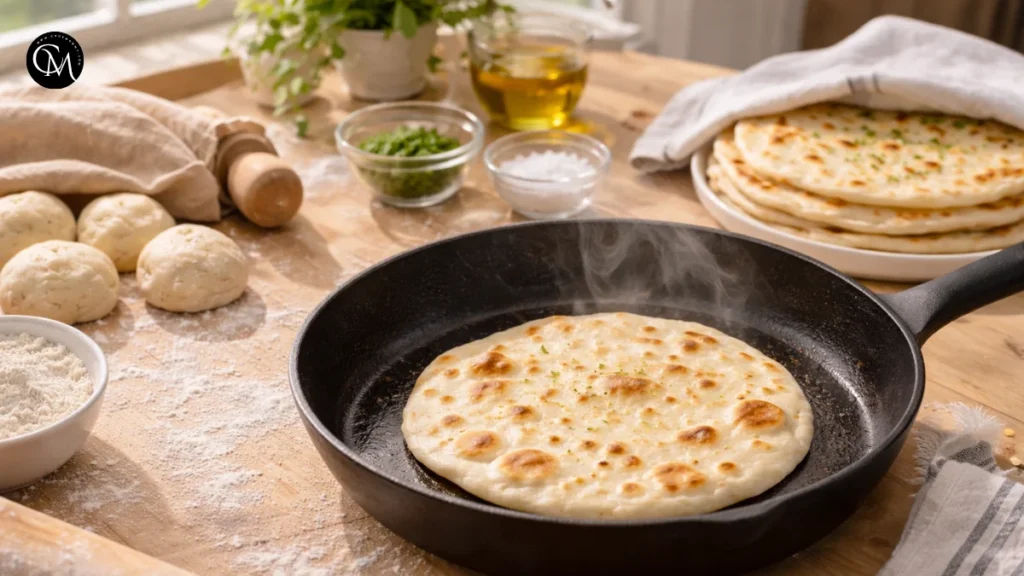
Divide the dough into 4 equal pieces. Lightly dust your surface with gluten-free flour and roll each piece into a round or oval about 1/4 inch thick. Heat a nonstick skillet or cast-iron pan over medium heat.
Cook each flatbread for about 2 minutes on the first side and 1 to 2 minutes on the second side, until golden spots appear and the bread looks cooked through.
Texture is everything here. If the pan is too hot, the outside browns before the center cooks. If it is too cool, the bread dries out instead of staying soft. Medium heat usually gives the best result. You are looking for light blistering and flexible edges, not crisp crackers.
Step 4 – Combine everything
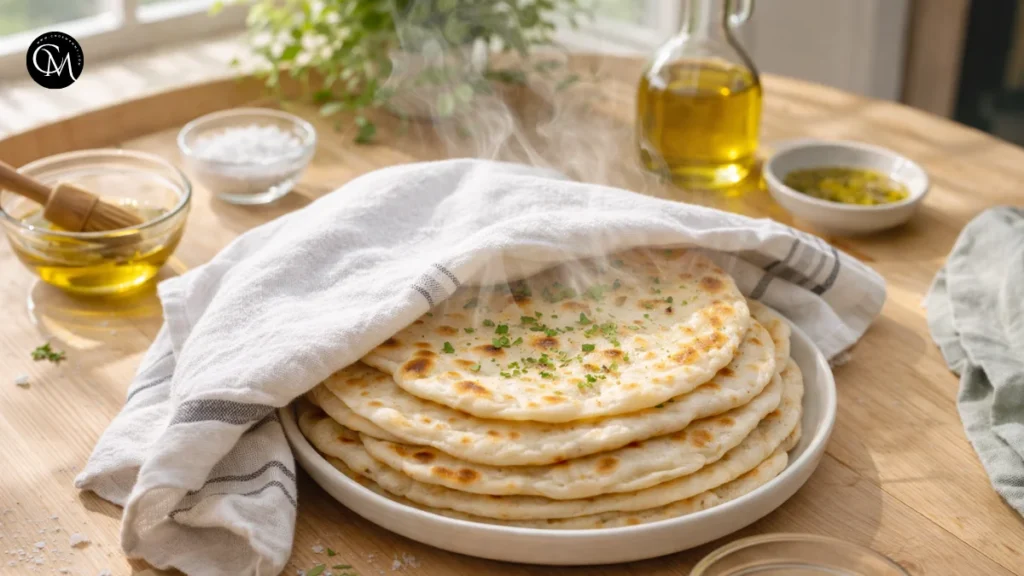
Once each bread comes off the skillet, stack it on a plate and cover with a clean kitchen towel. This traps a little steam and keeps the flatbread soft.
This step may seem simple, but it balances texture beautifully. Freshly cooked Gluten Free Flatbread can firm up if left uncovered. Stacking and covering keeps the surface tender and prevents moisture loss. It also helps the breads stay pliable enough for wraps or folding around fillings.
Step 5 – Finish & adjust seasoning
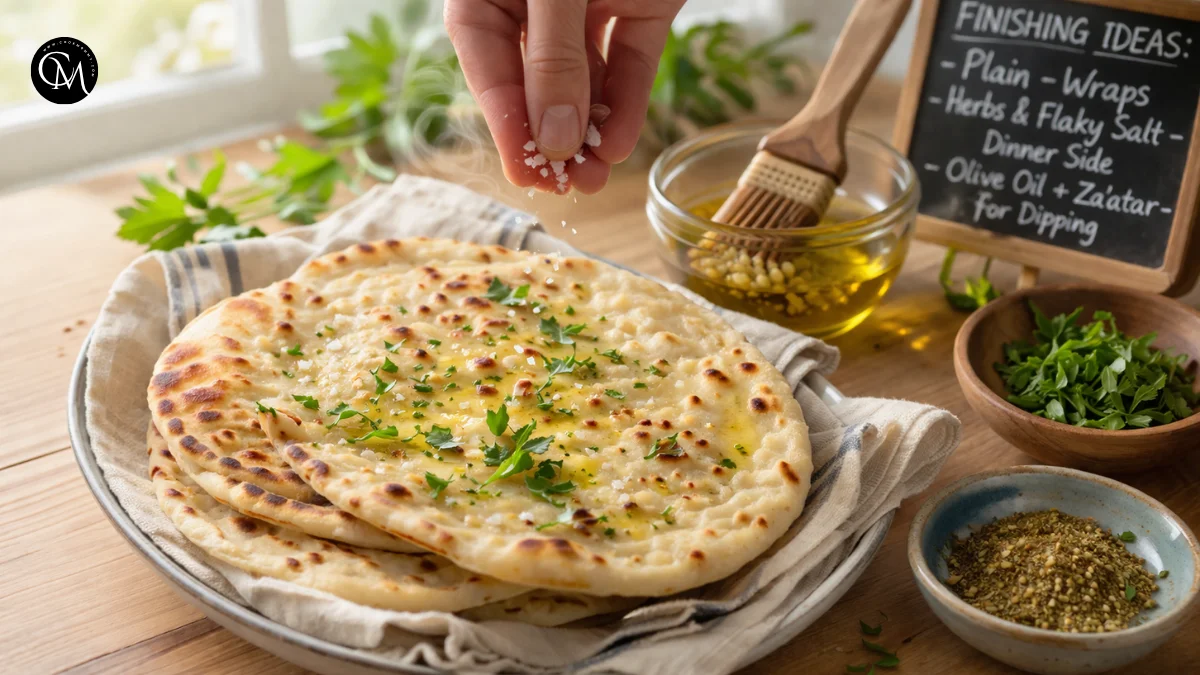
Brush the warm flatbread lightly with olive oil or melted butter if desired. Sprinkle with flaky salt, chopped herbs, or a pinch of garlic powder.
This is the chef-style finishing touch that turns a basic bread into something memorable. Taste one while it is warm and decide what it needs. A little salt wakes up the flavor. Herbs add freshness. Olive oil gives a soft sheen and richer mouthfeel. Small finishing details make homemade bread taste intentional rather than plain.
Nutritional Information
Approximate nutrition per flatbread, based on 4 servings:
- Calories: 170
- Carbohydrates: 26g
- Protein: 4g
- Fat: 5g
- Fiber: 2g
- Sugar: 2g
- Sodium: 280mg
These values are approximate and will vary depending on the flour blend and yogurt you use. This Gluten Free Flatbread is satisfying without feeling heavy, which is one reason it works so well for everyday meals. It offers a balanced base for dips, sandwich fillings, or light toppings without the density some gluten-free breads have.
Healthier Alternatives
This recipe is already gluten-free, but there are easy ways to adjust it for different needs while keeping the texture pleasant.
For a lower-fat version, use low-fat plain yogurt. For dairy-free cooking, choose a thick unsweetened plant-based yogurt. The dough should still be soft and easy to roll.
For more fiber, try replacing a small portion of the flour blend with gluten-free oat flour or a whole-grain gluten-free mix. Do not replace too much at once, or the bread may become heavy. A quarter of the total flour is usually a safe place to start.
For children, keep the seasoning mild and make smaller rounds that feel fun and snackable. For seniors, roll the dough slightly thinner for a softer, easier-to-chew result. For lighter meals, serve the Gluten Free Flatbread with grilled vegetables, hummus, or lean proteins instead of rich spreads.
The goal is always the same: adapt the recipe without losing that soft, flexible bite.
Serving Suggestions
This Gluten Free Flatbread is more versatile than it first appears.
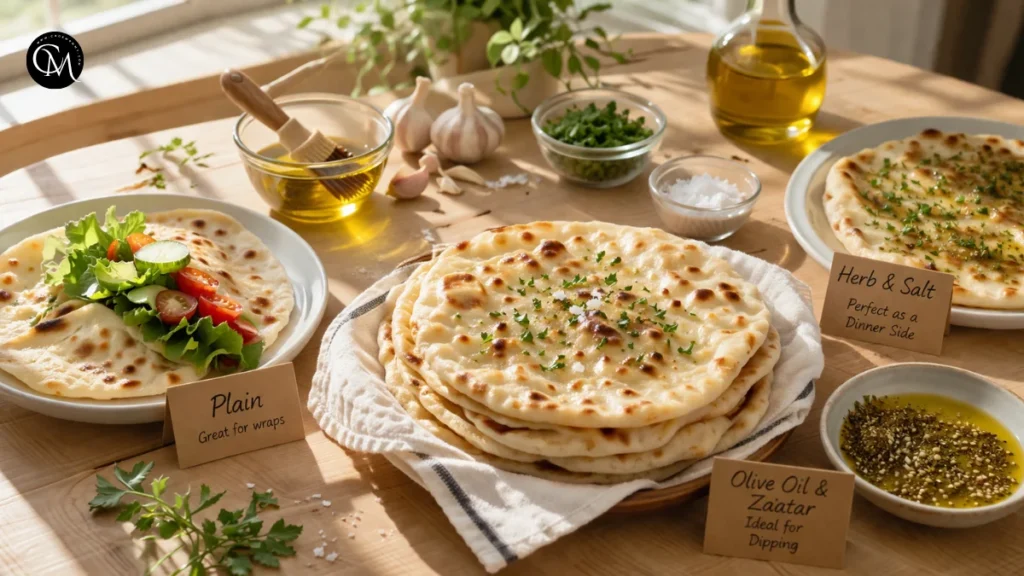
Serve it warm with hummus, baba ganoush, or tzatziki for a simple appetizer. Use it as a wrap for grilled chicken, falafel, tuna salad, or roasted vegetables. It also works well beside soups, especially lentil soup, tomato soup, or creamy vegetable blends.
For breakfast, spread with cream cheese, avocado, nut butter, or scrambled eggs. For a fast dinner, use the flatbread as a personal skillet pizza base with tomato sauce, cheese, and quick toppings.
One of my favorite ways to serve Gluten Free Flatbread is with olive oil, za’atar, and sliced cucumbers on the side. It feels fresh, satisfying, and more interesting than plain bread without creating extra work.
Common Mistakes to Avoid
Even quick recipes have a few traps. Here are the most common ones.
- Adding too much flour too early: Gluten-free dough often feels softer than wheat dough. Adding extra flour too fast can make the bread dry.
- Using a pan that is too hot: This leads to burnt spots outside and undercooked centers inside.
- Skipping the towel cover after cooking: Warm flatbread loses softness quickly when left exposed.
- Rolling the dough too thin: Very thin dough can crack or crisp instead of staying tender.
- Using sweetened yogurt: Flavored or sweetened yogurt can throw off the taste and texture.
- Not adjusting for flour blend differences: Some blends need more water, some less. Watch the dough, not just the measuring spoon.
From experience, the biggest mistake is chasing a perfectly dry dough. A slightly soft dough almost always makes a better Gluten Free Flatbread.
Storing Tips for the Recipe
Store leftover flatbread in an airtight container in the refrigerator for up to 3 days. Reheat in a dry skillet for about 20 to 30 seconds per side or warm briefly in the microwave wrapped in a clean towel.
You can also freeze it. Place pieces of parchment paper between each flatbread and store them in a freezer-safe bag for up to 2 months. Thaw at room temperature, then reheat before serving.
For make-ahead prep, mix the dry ingredients in advance and keep them in a jar or container. Then you only need to add yogurt, oil, and water when ready to cook.
This recipe became one of my regular meals because it solves a real-life problem: sometimes I need bread fast, and I do not want to compromise on texture. Having a dependable Gluten Free Flatbread recipe means lunch or dinner comes together with much less stress.
Conclusion
This easy Gluten Free Flatbread recipe proves that homemade bread does not need to be complicated, time-consuming, or disappointing. It is soft, flexible, quick to cook, and adaptable enough for everything from wraps to dipping platters to simple side dishes. The ingredient list is short, the method is beginner-friendly, and the results feel much more rewarding than store-bought alternatives.
What I love most is how practical it is. In just 20 minutes, you get warm, fresh bread that fits real life. Try this recipe the next time you need a fast meal solution, then come back and share how you served it. Leave a comment, rate the recipe, and subscribe for more easy, reliable dishes that make everyday cooking feel easier and more enjoyable.
FAQs
Can I make Gluten Free Flatbread without yogurt?
Yes. Use a thick unsweetened dairy-free yogurt alternative. The dough should still feel soft and workable, though the flavor may be slightly less tangy.
Why is my Gluten Free Flatbread cracking?
The dough is likely too dry. Add a little warm water, knead gently, and let it sit for a minute before rolling again.
Can I bake this instead of using a skillet?
Yes, but skillet cooking usually gives better texture and color. Baking works best on a preheated tray at a high temperature.
Which flour blend works best?
A gluten-free all-purpose blend with xanthan gum usually gives the most reliable texture. Blends vary, so small moisture adjustments are normal.
Can I freeze Gluten Free Flatbread?
Yes. Cool completely, separate with parchment, and freeze in a sealed bag. Reheat in a skillet for the best texture.
Is this recipe good for wraps?
Yes. This Gluten Free Flatbread stays soft enough for wraps when cooked properly and covered with a towel after cooking.
Can I add herbs or spices to the dough?
Absolutely. Garlic powder, oregano, parsley, cumin, or black pepper all work well and add extra flavor without changing the method.
Tried it before ?
There are no reviews yet. Be the first one to write one.