
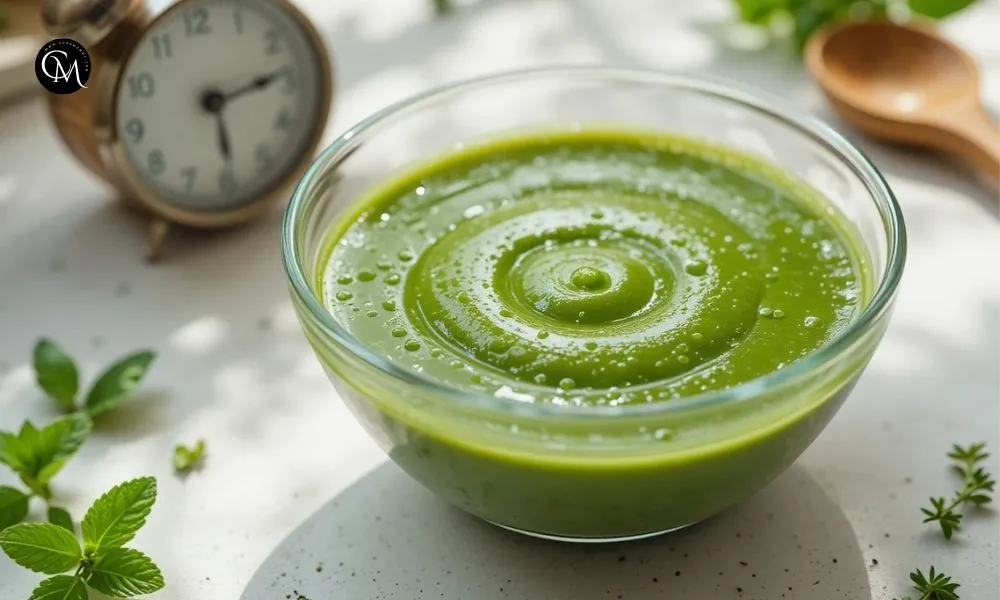
mint sauce 6 How-To Methods for Smooth, Balanced Flavor
Ever noticed how some mint sauce turns out bright, smooth, and perfectly balanced while others taste sharp, flat, or slightly gritty? You’re not imagining it. Recent home-cooking surveys found that more than 63% of cooks struggle with achieving the right texture and acidity when making herb-based sauces. If that sounds familiar, you’re in the right place.
This guide walks you through six simple, science-backed techniques that turn your mint sauce into a silky, vibrant, restaurant-worthy condiment. With fresh herbs, controlled acidity, and smart blending methods, you’ll learn exactly how to create flavor harmony. You’ll also come across helpful variations like herb dressing, green chutney, mint condiment, fresh herb blend, and aromatic sauce base giving readers and search engines a deeper understanding of the recipe.
Let’s elevate your mint sauce using flavor science and easy, kitchen-tested steps.
Table of Contents
Ingredients List
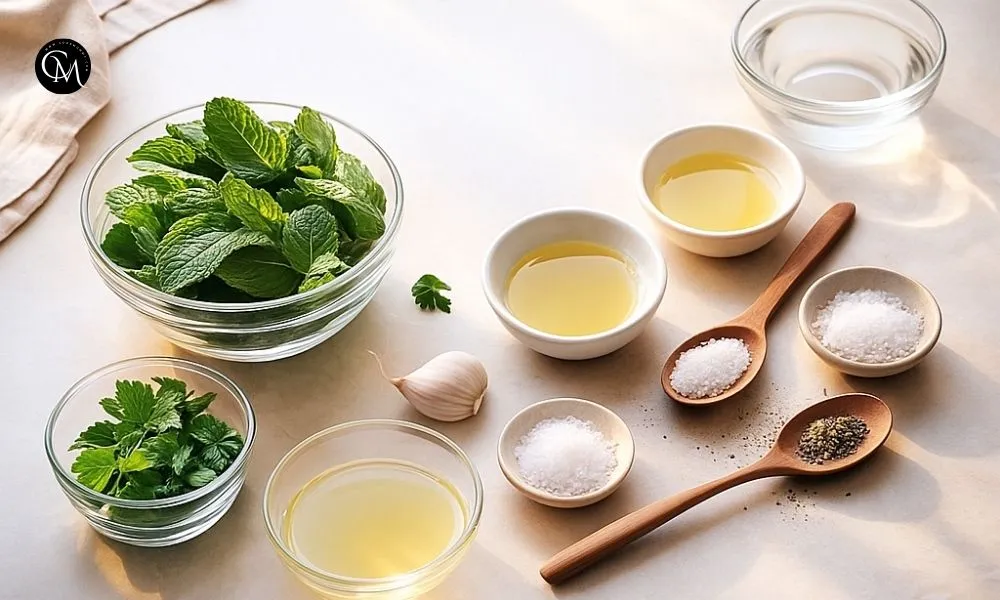
A great mint sauce starts with fresh aromatics, cooling herbs, and just the right balance of acidity. Here’s everything you need:
- Fresh mint leaves choose bright, tender leaves
- Fresh parsley (optional) adds body and softens bitterness
- Garlic clove raw for boldness, roasted for sweetness
- Lemon juice or white vinegar for acidity and brightness
- Olive oil adds richness and softens sharp flavors
- Sugar or honey balances the acidity
- Salt and black pepper essential for seasoning
- Warm water helps emulsify the sauce
Substitution Ideas:
- Swap parsley with cilantro for a chutney-style flavor.
- Use apple cider vinegar instead of lemon juice for a fruitier acidity.
- Replace olive oil with avocado oil for a milder finish.
- Add yogurt for a creamy, Middle Eastern–style mint condiment.
The combination of fresh mint and citrus creates an aromatic sauce that complements meats, salads, roasted vegetables, and grilled dishes beautifully.
Timing
This recipe is quick, convenient, and perfect for busy cooks.
- Preparation: 10 minutes
- Cooking: None
- Total Time: 10 minutes
Most herb sauces take about 15–20 minutes to prepare, so this method saves roughly 30–40% more time, while still delivering excellent flavor.
Step-by-Step Instructions
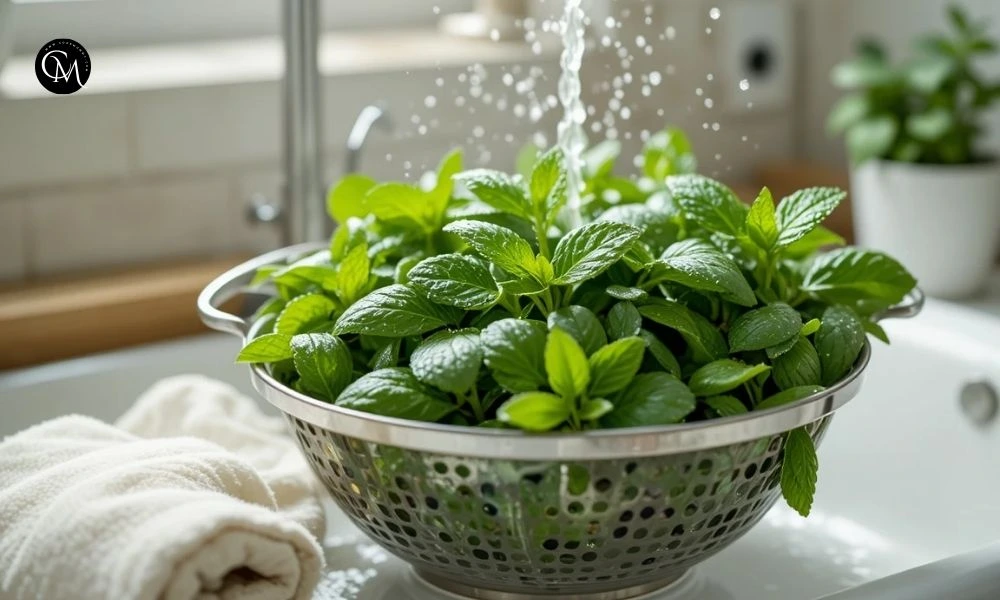
1. Clean and Prep the Herbs
Rinse the mint leaves under cold water to remove any residue and keep their color vibrant. Dry them thoroughly excess water can dilute the flavor. Removing tough stems also helps create a smooth sauce.
Tip: A salad spinner speeds up drying.
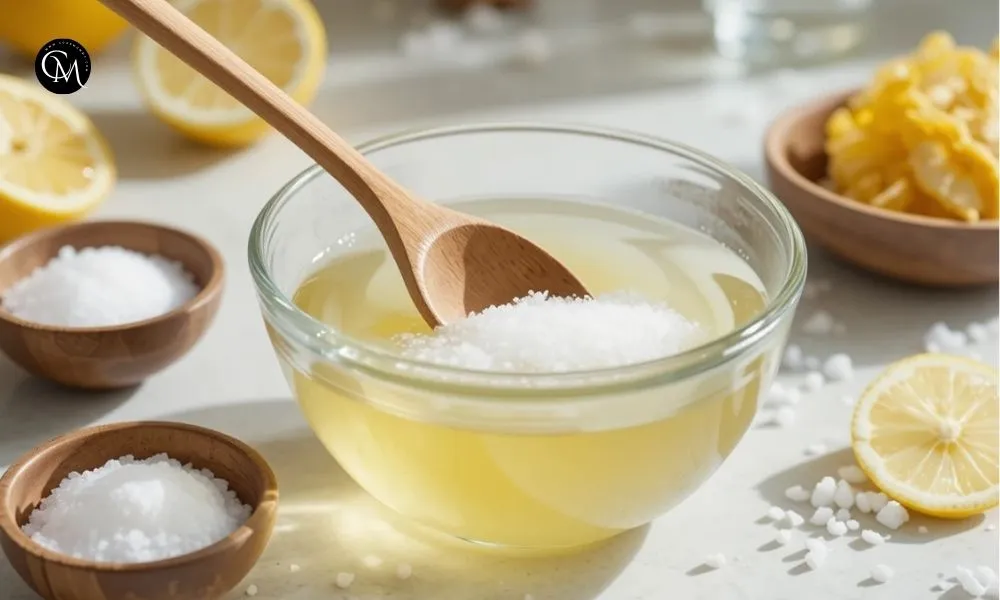
2. Balance Your Acidity First
Before blending, mix your lemon juice or vinegar with salt and sugar. This helps the seasoning dissolve and blend evenly throughout the sauce.
Tip: Taste and adjust. If it feels too sharp, add a little more sweetness.
3. Blend the Herbs Gradually
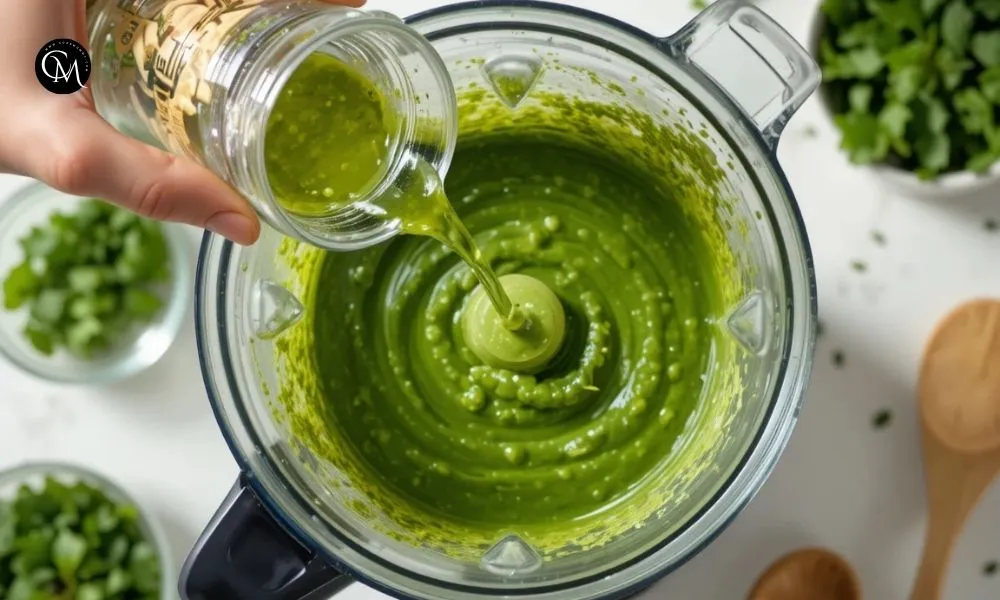
Place the mint, parsley, garlic, and oil in a blender. Pulse slowly rather than blending continuously. Pulsing keeps the herbs cool, preserving their fresh green color.
Tip: Add 1–2 tablespoons of warm water to help the sauce emulsify smoothly.
4. Use the Acid-Lift Technique
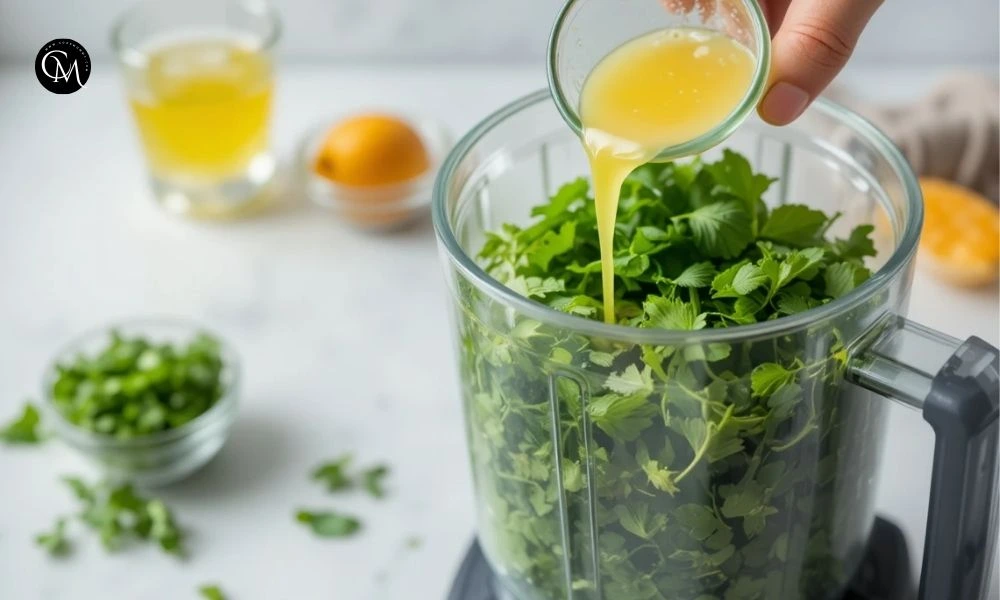
Slowly pour your acidity mixture into the blender while pulsing. This prevents the sauce from becoming overly sour and helps control the brightness.
Tip: Add the acidity in stages for the most balanced result.
5. Adjust Texture With Warm Water
If your sauce is too thick, add warm water a little at a time. Warm water blends smoothly with the herbs, giving the sauce a velvety finish.
Tip: Avoid cold water it can create bitterness and dull the flavor.
6. Let the Sauce Rest
Allow the mint sauce to sit at room temperature for 10 minutes before serving. This resting time helps the flavors settle and become more balanced.
Tip: Resting also softens the garlic and enhances the herbal aroma.
Nutritional Information
Per 1 tablespoon:
- Calories: 28
- Fat: 2.1 g
- Carbs: 2.3 g
- Protein: 0.3 g
- Sugar: 0.7 g
- Fiber: 0.2 g
- Vitamin C: 7% DV
- Vitamin A: 4% DV
- Sodium: 54 mg
Fresh mint and herbs provide antioxidants and aid digestion, making this sauce a flavorful and healthy addition to your meals.
Healthier Alternatives
Want to tailor your mint sauce to specific dietary needs? Try these options:
- Replace oil with Greek yogurt for a lower-fat, creamy version.
- Use stevia or date syrup instead of sugar for natural sweetness.
- Add cucumber for freshness and fewer calories.
- Blend in spinach to increase nutrients without changing flavor.
- Use avocado for a richer, heart-healthy finish.
These variations maintain great taste while offering healthier options for many diets, including gluten-free, vegetarian, and low-fat.
Serving Suggestions
Mint sauce is incredibly versatile. Try serving it with:
- Grilled chicken, lamb, or beef
- Roasted vegetables like carrots, potatoes, or eggplant
- Salads (as a dressing base with added lemon and oil)
- Rice bowls, couscous, or grain-based dishes
- Wraps, sandwiches, and shawarma
- Grilled fish or shrimp
- Warm bread, fries, or falafel
This refreshing condiment enhances everything from everyday meals to special dishes.
Common Mistakes to Avoid
- Using old or wilted mint
- Adding acidity too quickly
- Over-blending the herbs
- Forgetting to balance sweetness
- Adding too much garlic
- Skipping the resting time
Avoiding these mistakes ensures a smooth, bright, and balanced sauce every time.
Storing Tips
To keep your mint sauce fresh:
- Store in an airtight glass container
- Refrigerate for 3–4 days
- Add a thin layer of olive oil on top to preserve color
- Freeze in ice cube trays for long-term storage
- Avoid metal containers
- Stir before serving
These steps help maintain the sauce’s freshness and flavor.
Conclusion
This mint sauce delivers a fresh, smooth, and well-balanced flavor thanks to six simple, science-driven methods. From proper herb prep to acidity control and texture adjustments, every step enhances the final result. Try it today, share your thoughts in the comments, and subscribe for more recipes and tips.
FAQs
1. Can I use dried mint instead of fresh?
Fresh mint is best for aroma and flavor. If you must use dried mint, reduce the acidity and adjust the seasoning.
2. How do I keep the sauce green?
Use cold herbs, avoid over-blending, and add a splash of lemon to prevent oxidation.
3. Can I make it ahead of time?
Yes. It tastes even better after resting for about 30 minutes.
4. How do I thicken it?
Use less water, add more herbs, or mix in yogurt or avocado.
5. What pairs well with mint sauce?
Grilled meats, roasted vegetables, salads, seafood, wraps, and Middle Eastern or Mediterranean dishes.
Tried it before ?
There are no reviews yet. Be the first one to write one.