
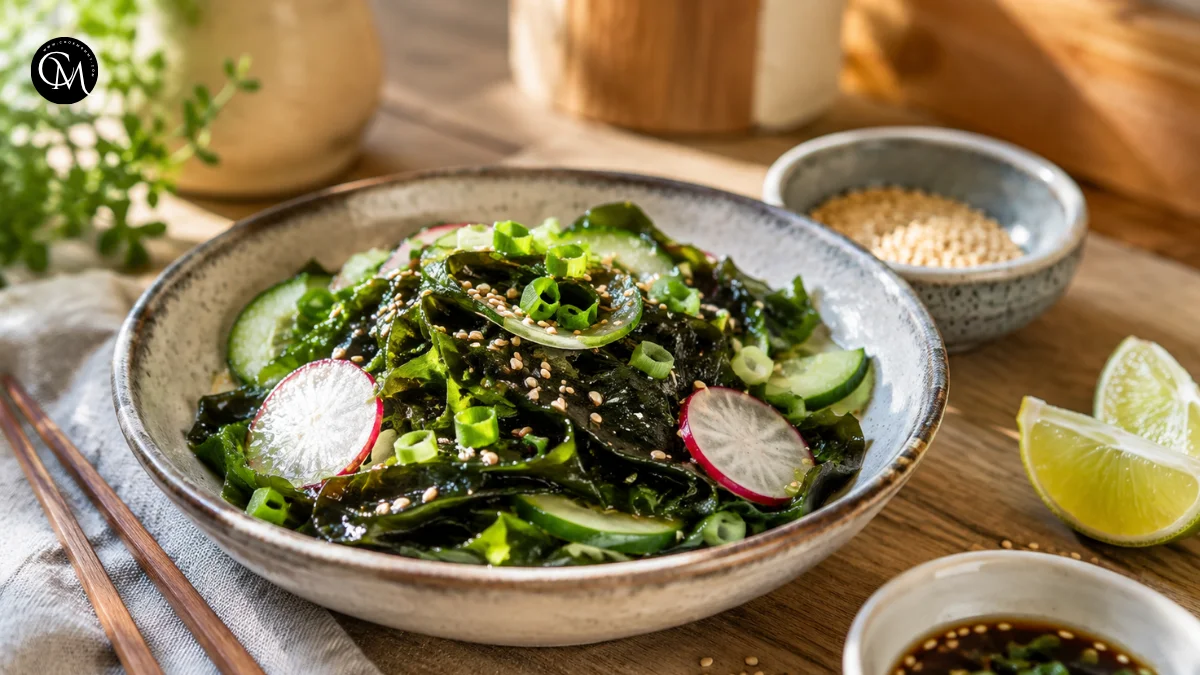
best seaweed salad: How 4 Steps Make It Restaurant-Style
Did you know that many restaurant-style Asian side dishes succeed not because they use complicated ingredients, but because they balance salt, sweetness, acidity, and texture in the right order? That is exactly why seaweed salad feels so bright, refreshing, and flavorful when it is made well. It looks simple, but the secret is in soaking, seasoning, chilling, and finishing it properly.
This seaweed salad recipe is worth making because it gives you that fresh Japanese-inspired restaurant taste at home without relying on bottled dressing or overly sweet sauces. The texture is tender but slightly chewy, the flavor is savory and tangy, and the sesame aroma makes every bite more satisfying. It works beautifully as an appetizer, sushi-night side dish, lunch bowl topping, or light make-ahead snack.
If you have only tried store-bought versions before, this homemade seaweed salad will show you how much fresher and cleaner the dish can taste.
Table of Contents
Ingredients List
For the best seaweed salad, choose ingredients that add freshness, umami, crunch, and a little brightness.
Main ingredients:
- 1 ounce dried wakame seaweed
Wakame is tender, mild, and perfect for salads. You can also use a mixed seaweed blend for more color and texture. - 3 tablespoons rice vinegar
This gives the salad its clean, tangy flavor. Apple cider vinegar can work in a pinch, but rice vinegar tastes smoother. - 1 tablespoon soy sauce
Use regular soy sauce for classic flavor or tamari for a gluten-free option. - 1 tablespoon toasted sesame oil
This adds deep nutty aroma, so a little goes a long way. - 1 teaspoon honey or maple syrup
This softens the sharpness of the vinegar without making the salad taste sugary. - 1 teaspoon grated fresh ginger
Fresh ginger gives a warm, zesty bite. Ground ginger is not ideal, but you can use a tiny pinch if needed. - 1 small garlic clove, finely grated
Optional, but it adds depth. - 1 teaspoon toasted sesame seeds
Use white or black sesame seeds, or a mix of both. - 1 small cucumber, thinly sliced
This adds crispness and makes the salad feel extra refreshing. - 1 green onion, finely sliced
Adds mild onion flavor and a fresh finish. - 1 teaspoon lime juice, optional
This gives the salad a brighter, more modern flavor. - Red pepper flakes, optional
Add only a pinch if you like gentle heat.
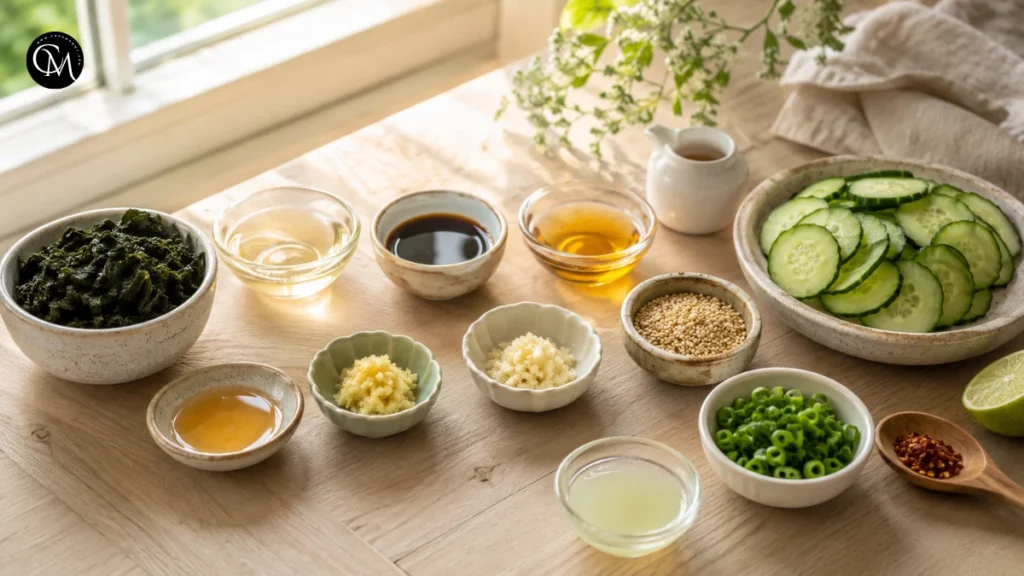
Substitution ideas:
If you do not have wakame, try arame or a seaweed salad mix. If you want a soy-free version, coconut aminos can replace soy sauce. For a vegan seaweed salad, use maple syrup instead of honey. For extra crunch, add shredded carrots, radish, or edamame.
Timing
Preparation time: 15 minutes
Cooking time: 0 minutes
Chilling time: 10 minutes
Total time: 25 minutes
Most homemade salads take 15 to 30 minutes from start to finish, so this seaweed salad fits comfortably into a quick side-dish routine. The only real waiting time is soaking the dried seaweed and letting the dressing settle into the ingredients. That short rest makes a big difference in flavor.
Step-by-Step Instructions
Step 1 – Prepare ingredients
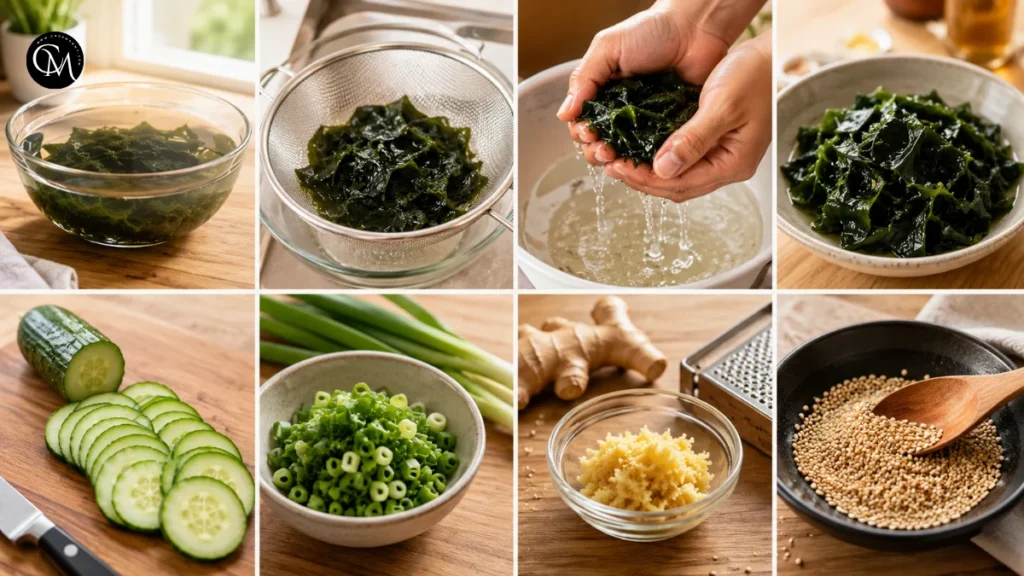
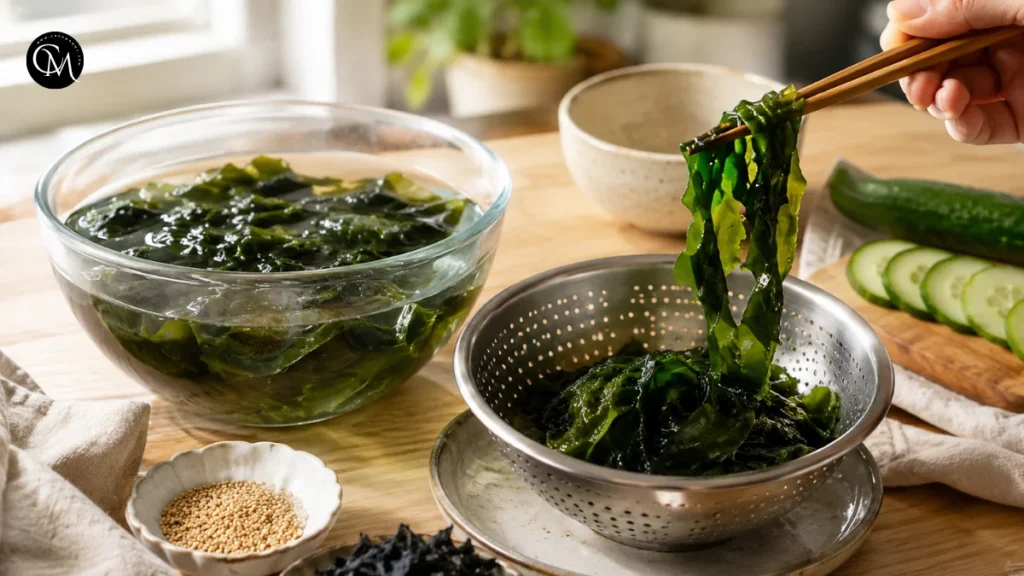
Place the dried wakame in a large bowl and cover it with cool water. Let it soak for 8 to 10 minutes, or until the seaweed expands and becomes tender. Do not use hot water because it can make the texture too soft and slippery.
Once hydrated, drain the seaweed well. Gently squeeze out excess water with clean hands or press it lightly in a fine-mesh strainer. This step matters because too much water will dilute the dressing and make the salad taste flat.
Slice the cucumber thinly, chop the green onion, grate the ginger, and toast your sesame seeds if they are not already toasted. Good preparation helps the final seaweed salad taste balanced instead of watery or uneven.
Step 2 – Build flavor base
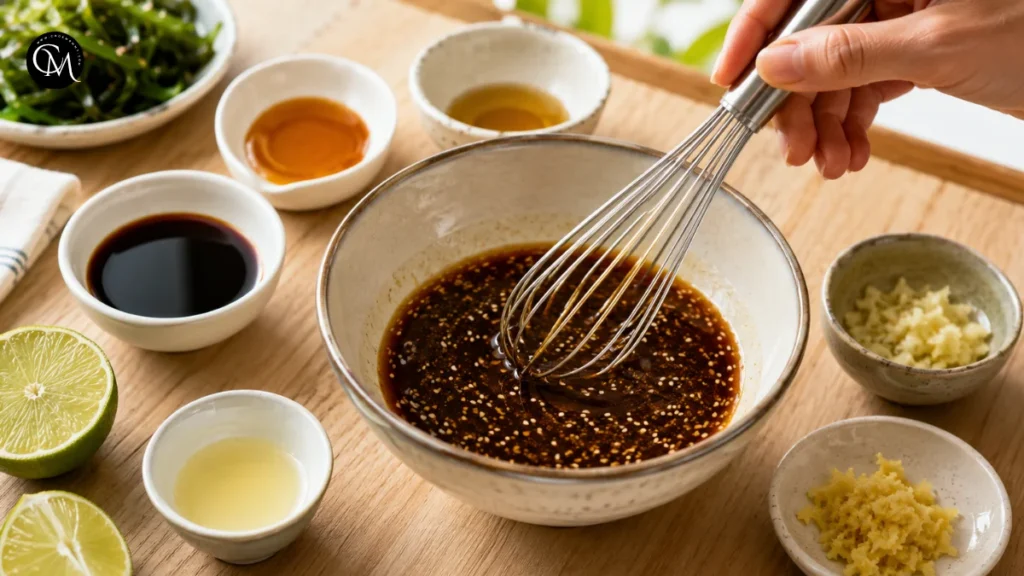
In a mixing bowl, whisk together rice vinegar, soy sauce, toasted sesame oil, honey or maple syrup, grated ginger, garlic, and lime juice if using.
This dressing works because it balances four key flavor points. Soy sauce brings salt and umami. Rice vinegar adds acidity. Sesame oil gives richness and aroma. A small amount of sweetener rounds everything out.
The cooking science here is simple: even though there is no heat involved, the ingredients still need time to dissolve and blend. Whisk until the honey fully disappears into the dressing. If it stays at the bottom of the bowl, some bites will taste too sweet while others taste too sharp.
Step 3 – Cook the main ingredient
Technically, you are not cooking the seaweed, but soaking it is the key transformation in this recipe. Dried wakame expands several times its size and becomes tender, glossy, and slightly chewy.
After draining, taste a small piece. It should feel soft but still have a little bite. If it feels tough, soak for another minute or two. If it feels mushy, it was soaked too long or the water was too warm.
Texture is what separates a good seaweed salad from an average one. Restaurant-style versions usually feel light, springy, and fresh. To keep that texture, never boil the seaweed, and do not leave it sitting in water after it has softened.
Step 4 – Combine everything
Add the drained seaweed, cucumber, green onion, and sesame seeds to the bowl with the dressing. Toss gently with tongs or chopsticks until everything is lightly coated.
This is where balance matters. The seaweed brings ocean-like savoriness, the cucumber adds cool crunch, and the dressing ties everything together. You want the salad coated, not swimming in sauce.
Let the seaweed salad rest in the refrigerator for about 10 minutes before serving. This short chill helps the flavors settle and makes the salad taste cleaner. If you are adding delicate toppings like avocado or crispy wonton strips, save them for serving so they do not become soft.
Step 5 – Finish & adjust seasoning
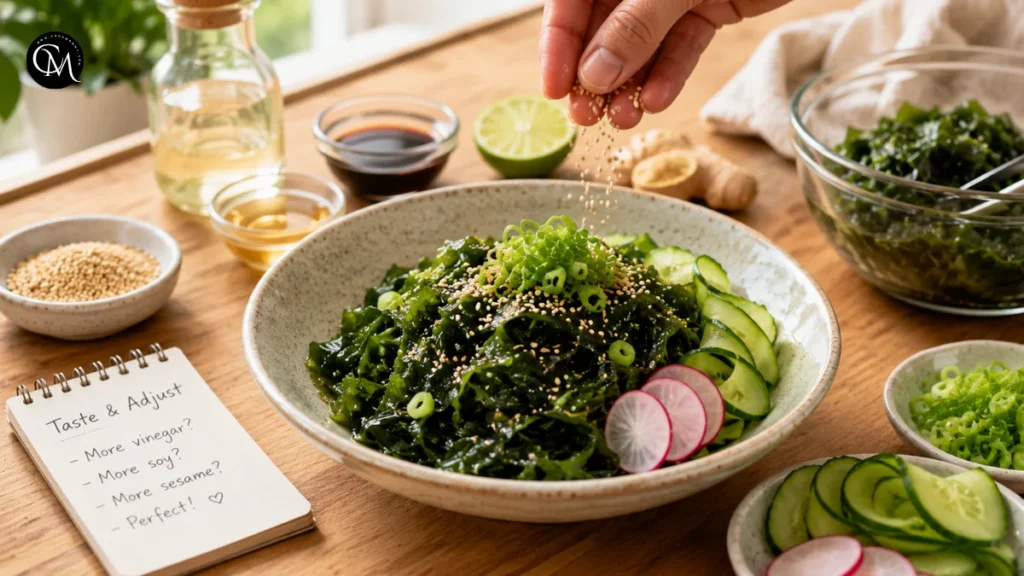
Before serving, taste the salad and make small adjustments. Add a few drops of rice vinegar if it needs brightness, a tiny splash of soy sauce if it needs more savory depth, or a pinch more sesame seeds for nuttiness.
For a chef-style finish, serve the salad cold in a shallow bowl and sprinkle extra sesame seeds on top. A few thin cucumber ribbons or sliced radishes make it look fresh and elegant.
One tip I learned after making this many times: do not over-season too early. Seaweed has its own natural flavor, and the dressing becomes stronger as it rests. A light hand gives you a cleaner, more restaurant-style result.
Nutritional Information
Approximate values per serving, based on 4 servings:
| Nutrient | Amount |
|---|---|
| Calories | 70 |
| Carbohydrates | 8 g |
| Protein | 2 g |
| Fat | 4 g |
| Fiber | 2 g |
| Sodium | 420 mg |
| Sugar | 3 g |
This seaweed salad is light, flavorful, and naturally portion-friendly. The sodium level depends mostly on the soy sauce, so you can reduce it by using low-sodium soy sauce or tamari. The sesame oil adds healthy-tasting richness, but it is still best measured carefully because its flavor is strong.
Healthier Alternatives
- For a lower-sugar version, reduce the honey or maple syrup to half a teaspoon. You can also skip it completely, but the dressing will taste sharper. A little sweetness helps balance the vinegar.
- For a gluten-free seaweed salad, use tamari instead of soy sauce and double-check that your seaweed mix has no added seasoning packets containing wheat.
- For a dairy-free version, no changes are needed because this recipe naturally contains no dairy.
- For a more filling meal, serve the salad over brown rice, quinoa, or soba noodles. These whole-grain options turn the dish into a satisfying lunch bowl while keeping the fresh, clean flavor.
- For children, slice the seaweed into smaller pieces and reduce the ginger. For seniors, keep the cucumber thin and tender, and avoid too much chili. For dieters, add extra cucumber, carrots, or edamame to increase volume without making the salad heavy.
Serving Suggestions
- Serve seaweed salad as a chilled appetizer before sushi, ramen, stir-fry, or grilled fish. It also works well beside teriyaki chicken, miso soup, rice bowls, or tofu.
- For a beautiful lunch bowl, layer steamed rice, avocado, edamame, shredded carrots, and this salad in a shallow bowl. Add a soft-boiled egg or grilled shrimp if you want more protein.
- For a party platter, serve small portions in little cups with sesame seeds and cucumber curls on top. It looks elegant and stays easy for guests to enjoy.
- I also like serving seaweed salad with crispy rice crackers or nori sheets for scooping. The contrast between crisp and tender makes the dish more fun, especially for casual meals.
Common Mistakes to Avoid
- Soaking the seaweed too long Over-soaked seaweed becomes mushy. Start checking around 8 minutes for the best texture.
- Not draining properly Extra water weakens the dressing. Gently squeeze the seaweed before mixing.
- Using too much sesame oil Sesame oil is powerful. Too much can make the salad feel heavy instead of fresh.
- Skipping the resting time Even 10 minutes in the fridge helps the flavors blend and taste more balanced.
- Adding crunchy toppings too early Crispy onions, wonton strips, or crackers should be added right before serving.
- Forgetting to taste before serving Soy sauce, vinegar, and seaweed brands vary. A final taste helps you adjust the balance.
Storing Tips for the Recipe
- Store leftover seaweed salad in an airtight container in the refrigerator for up to 2 days. It tastes best on the first day, but it can still be enjoyable the next day if it was well drained.
- Do not freeze it. Freezing changes the texture and makes the seaweed watery after thawing.
- For meal prep, soak and drain the seaweed ahead of time, then keep the dressing separate. Combine everything 10 to 20 minutes before serving for the freshest texture.
- If the salad tastes a little dull after storage, refresh it with a few drops of rice vinegar, a tiny splash of sesame oil, and fresh sesame seeds.
- This recipe became one of my regular meals because it is quick, light, and easy to pair with so many dinners. It makes a simple rice bowl or grilled protein feel more complete without adding much effort.
Conclusion
This restaurant-style seaweed salad is fresh, savory, lightly tangy, and simple enough to make on a busy day. With properly soaked wakame, a balanced sesame-soy dressing, crisp cucumber, and a short chilling time, you can create a side dish that tastes clean and polished without needing complicated techniques.
The best part is how flexible it is. You can keep it classic, make it gluten-free, add vegetables, or turn it into a lunch bowl with rice and protein. Try this recipe the next time you want a refreshing Asian-inspired side at home. After you make it, leave a comment or review with your favorite topping, and subscribe for more easy, flavor-packed recipes.
FAQs
Can I make seaweed salad ahead of time?
Yes, you can make it a few hours ahead. For the best texture, keep crunchy toppings separate and add them right before serving.
What type of seaweed is best for this recipe?
Wakame is the best choice because it becomes tender, mild, and slightly chewy after soaking. Mixed seaweed blends also work well for color and texture.
Is seaweed salad served hot or cold?
It is usually served cold. Chilling helps the dressing taste cleaner and gives the salad a refreshing restaurant-style finish.
Can I make this recipe gluten-free?
Yes. Replace soy sauce with gluten-free tamari and check any packaged seaweed blend to make sure it does not include wheat-based seasoning.
Why does my salad taste watery?
The seaweed probably was not drained enough. After soaking, squeeze it gently or press it in a strainer before adding the dressing.
Can I add protein to seaweed salad?
Yes. Edamame, tofu, shrimp, crab-style seafood, or a soft-boiled egg can make it more filling while keeping the flavor fresh.
How long does seaweed salad last?
It keeps for about 2 days in the refrigerator. The texture is best on day one, especially if cucumber and toppings are added fresh.
Tried it before ?
There are no reviews yet. Be the first one to write one.