
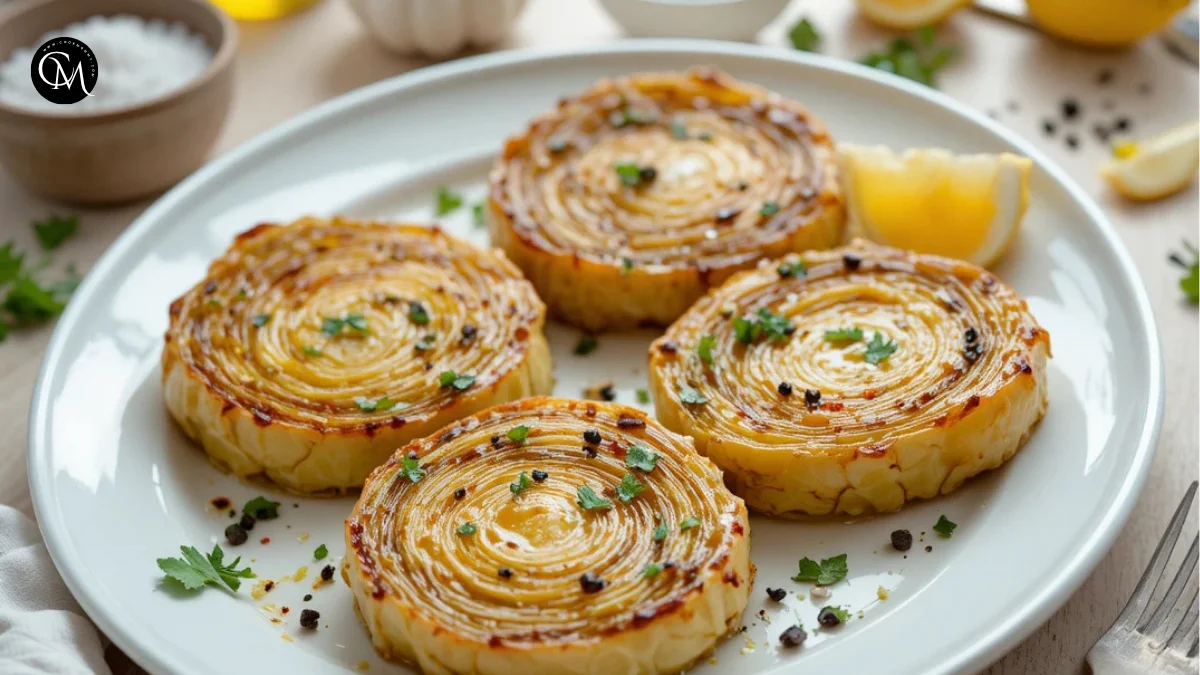
baked cabbage steaks: 5 Best Tips for Crispy Edges
Did you know that most home cooks who say they do not like cabbage usually have only had it boiled, steamed, or cooked until dull and soggy? That is exactly why baked cabbage steaks deserve a place in your kitchen. When roasted properly, cabbage turns sweet at the center, deeply savory around the edges, and wonderfully crisp in a way that surprises almost everyone at the table.
I started making baked cabbage steaks on nights when I wanted something inexpensive, filling, and easy to pair with almost anything. What kept me coming back was the texture. With the right oven temperature, enough surface area, and a simple seasoning blend, this humble vegetable becomes a dish that feels far more special than its price suggests. Whether you need a weeknight side, a meatless main, or a reliable way to use up a head of cabbage, this recipe gives you practical results without fuss.
Table of Contents
Ingredients List
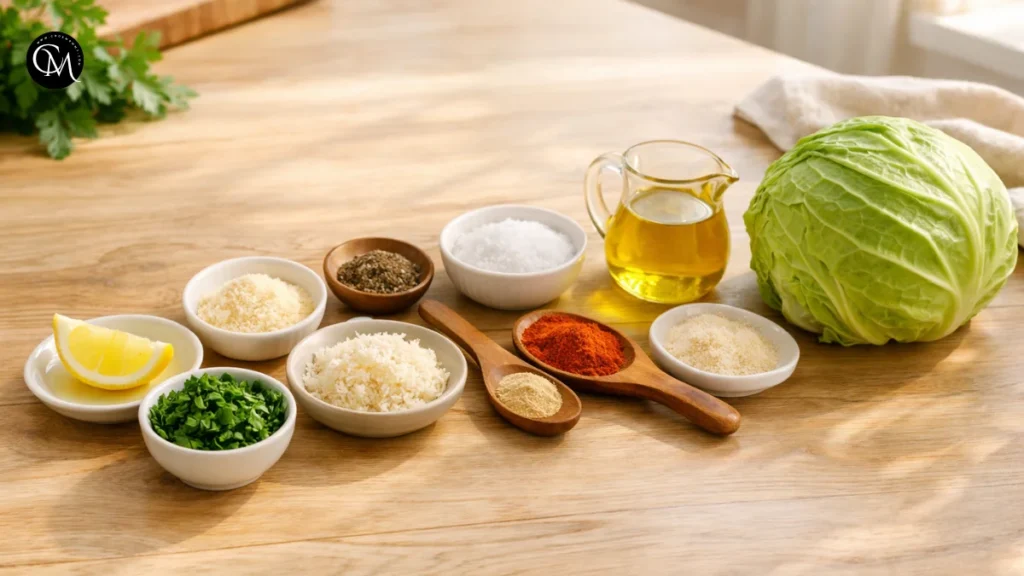
You only need a few pantry basics to make flavorful baked cabbage steaks, but each ingredient plays an important role.
- 1 large green cabbage
- 3 tablespoons olive oil
- 1 teaspoon kosher salt
- 1/2 teaspoon black pepper
- 1 teaspoon garlic powder
- 1 teaspoon smoked paprika
- 1/2 teaspoon onion powder
- 2 tablespoons grated Parmesan, optional
- 1 teaspoon lemon juice, optional for finishing
- 1 tablespoon chopped parsley, optional for garnish
Substitution ideas:
- Use avocado oil instead of olive oil for a more neutral flavor
- Swap smoked paprika for sweet paprika if you want a milder finish
- Use nutritional yeast instead of Parmesan for a dairy-free version
- Try red cabbage for a slightly earthier taste and a more dramatic color
A fresh, firm head of cabbage works best here. Look for tightly packed leaves and a heavy feel for its size. That usually means the cabbage still has enough moisture inside to roast beautifully without drying out.
Timing
One reason I make baked cabbage steaks often is that they fit easily into a normal dinner routine.
- Preparation time: 10 minutes
- Baking time: 30 to 35 minutes
- Total time: 40 to 45 minutes
Compared with many roasted vegetable recipes that require peeling, chopping, and multiple pans, baked cabbage steaks are refreshingly simple. Most of the work is in slicing and seasoning.
Step-by-Step Instructions
Step 1 – Prepare ingredients
Preheat your oven to 220°C or 425°F. Line a large baking sheet with parchment paper or lightly grease it.
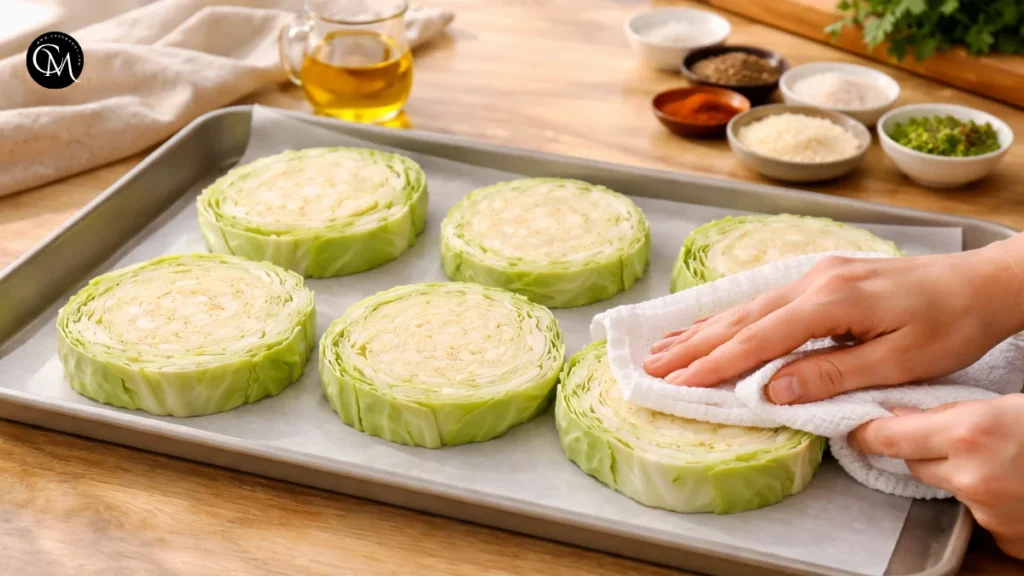
Remove any damaged outer leaves from the cabbage, but keep the core intact. Slice the cabbage into thick rounds, about 2 to 2.5 cm thick. This thickness matters. If the slices are too thin, they can fall apart or dry out too quickly. If they are too thick, the center may stay too firm before the edges crisp.
Pat the slices dry with a clean towel if they seem wet. Surface moisture is the enemy of browning, and dry cabbage gives you better caramelization.
Step 2 – Build flavor base
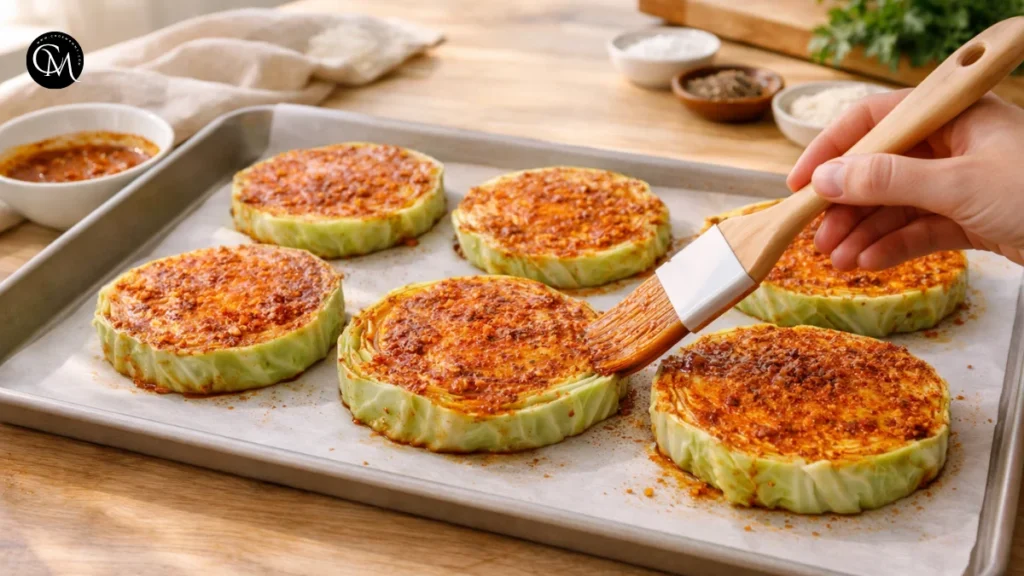
In a small bowl, mix the olive oil, salt, pepper, garlic powder, smoked paprika, and onion powder. Brush the mixture generously over both sides of each cabbage slice.
This is where a lot of flavor begins. Oil helps the seasonings cling, but it also helps heat move across the surface, encouraging those golden, crisp edges everyone wants. Garlic powder and onion powder create a more even coating than fresh aromatics would here, and smoked paprika adds warmth without overpowering the natural sweetness of the roasted cabbage.
Arrange the cabbage slices in a single layer with a little space between them. Crowding the pan traps steam, which makes the cabbage soft rather than crisp.
Step 3 – Cook the main ingredient
Bake the cabbage for 15 to 18 minutes, then carefully flip each piece and return the pan to the oven for another 15 to 17 minutes. If using Parmesan, sprinkle it on during the last 5 minutes of baking.
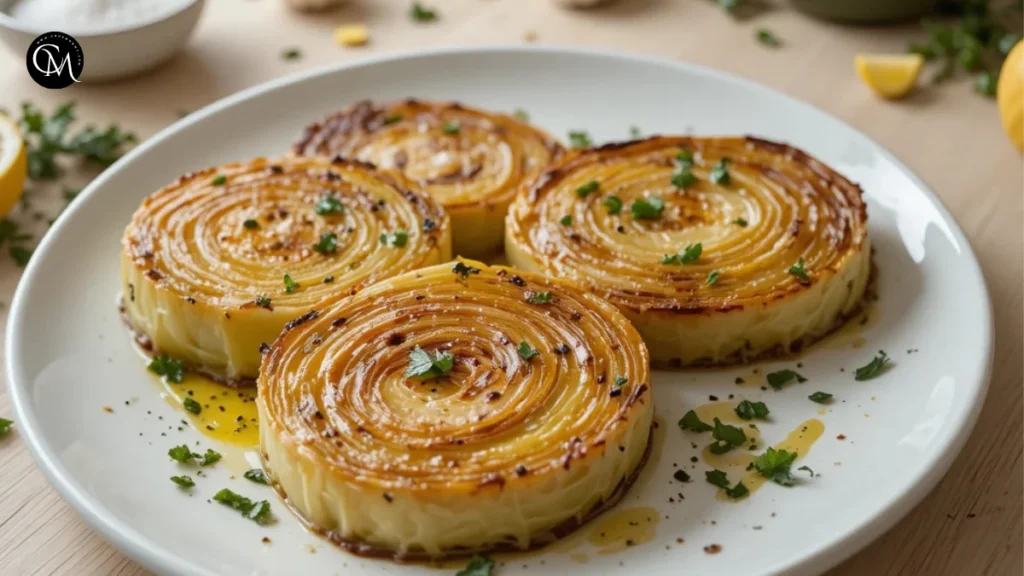
This is the stage where baked cabbage steaks transform. The leaves at the edges shrink and darken slightly, while the center becomes tender and almost buttery. If you want extra crispness, move the pan to the upper third of the oven for the final few minutes or use a short broil at the end. Watch closely, because the line between charred and burnt is very thin.
The best texture comes from contrast: crisp outer leaves, browned surfaces, and a tender but not mushy center.
Step 4 – Combine everything
Transfer the baked cabbage steaks to a serving plate and finish with a little lemon juice and chopped parsley if using.
This step may look simple, but it changes the balance of the dish. The roasted cabbage is rich and savory, so a little acid at the end wakes it up. Lemon helps cut through the caramelized notes and keeps the flavor from feeling too heavy. Fresh parsley adds color and a clean finish, which is especially nice if you plan to serve the cabbage with hearty mains like roasted chicken, grilled fish, or beans.
Step 5 – Finish and adjust seasoning
Taste one piece before serving the full batch. Add another pinch of salt, a little cracked pepper, or a dusting of Parmesan if needed.
This is the chef-style habit that improves almost any roasted vegetable. Seasoning can mellow during baking, especially with larger vegetables like cabbage. A tiny adjustment at the end often makes baked cabbage steaks go from good to memorable. If I am serving them as a main, I sometimes add chili flakes or a spoonful of yogurt sauce on the side for contrast.
Nutritional Information
These values are approximate for one serving, based on four servings total and depending on how much oil and optional cheese you use.
| Nutrient | Approximate Amount |
|---|---|
| Calories | 120 |
| Carbohydrates | 8 g |
| Fiber | 3 g |
| Protein | 2 g |
| Fat | 9 g |
| Saturated Fat | 1.5 g |
| Sodium | 320 mg |
Baked cabbage steaks are a practical option when you want something satisfying without being overly heavy. Cabbage naturally provides fiber and volume, which makes the dish feel substantial. The exact nutrition will vary with toppings, but even the basic version offers a flavorful way to add more vegetables to dinner.
Healthier Alternatives
This recipe is already fairly simple, but there are several ways to adapt it without losing what makes it good.
- For lower fat, reduce the oil slightly and use a spray bottle to coat the cabbage more evenly. You will still get color, though the edges may be a bit less rich.
- For dairy-free baked cabbage steaks, skip the Parmesan and use nutritional yeast for a savory finish. It adds a slightly cheesy note without changing the roasting method.
- For gluten-free meals, the base recipe is naturally gluten-free as long as your seasonings and toppings are certified if needed. Pair it with rice, quinoa, or roasted potatoes for a fuller plate.
- For children, try a milder seasoning mix and finish with a little shredded cheese. Kids often enjoy the sweeter roasted flavor more than boiled cabbage.
- For seniors or anyone who prefers softer textures, slice the cabbage slightly thinner and roast a little longer at a slightly lower temperature.
If you want more substance, serve baked cabbage steaks over cooked farro or brown rice. Whole grains turn it into a more complete meal while keeping the earthy, comforting flavor profile intact.
Serving Suggestions
Baked cabbage steaks are more versatile than they first appear.
Serve them as a side with roast chicken, baked salmon, grilled turkey, or meatballs. They also work beautifully with lentils, white beans, or chickpeas for a simple vegetarian dinner.
For a lighter lunch, place a baked cabbage steak over a layer of hummus or herbed yogurt and spoon a tomato salad over the top. For something heartier, top with a fried egg and a few chili flakes.
I also like serving baked cabbage steaks with a tangy sauce on the side. Yogurt garlic sauce, mustard vinaigrette, or even a little tahini dressing makes them feel restaurant-worthy without much extra work.
Common Mistakes to Avoid
Even simple recipes have a few traps. These are the ones I see most often with baked cabbage steaks.
- Slicing the cabbage too thin: Thin slices tear easily and tend to dry out before the center becomes tender.
- Using too little oil A light coating is enough, but too little oil can lead to dry leaves instead of crisp edges.
- Crowding the pan: When pieces are too close together, they steam instead of roast.
- Skipping the flip: Turning the slices halfway through helps both sides brown more evenly.
- Underseasoning: Cabbage is mild, so it needs proper salt and spice to taste balanced.
- Pulling them out too early: If the edges have not browned, the flavor will be flatter and the texture less exciting.
From experience, the biggest difference between average and excellent baked cabbage steaks is patience. Let the oven do enough work for real browning.
Storing Tips for the Recipe
Store leftover baked cabbage steaks in an airtight container in the refrigerator for up to 3 days. Reheat them in a hot oven or air fryer rather than the microwave if you want to bring back some of the crisp texture.
You can also prep ahead by slicing the cabbage and mixing the seasoning blend earlier in the day. Keep them separate until baking time for the best texture.
This recipe became one of my regular meals because it is affordable, reliable, and easy to adapt when the fridge looks a little empty. A single head of cabbage can stretch into multiple servings, and the leftovers are surprisingly good tucked into wraps or grain bowls the next day.
Conclusion
Baked cabbage steaks prove that simple ingredients can still deliver big flavor and great texture. With the right thickness, enough seasoning, and a hot oven, cabbage becomes sweet, savory, tender, and crisp all at once. That contrast is what makes this recipe so satisfying, whether you serve it as a weeknight side or turn it into a full meal with toppings and grains.
If you have a head of cabbage sitting in your kitchen, this is one of the best ways to use it. Try these baked cabbage steaks, then leave a comment sharing how you served them or what seasonings you loved most. You can also subscribe for more practical, flavor-first recipes that make everyday cooking easier and more enjoyable.
FAQs
Can I make baked cabbage steaks ahead of time?
Yes. Bake them earlier in the day, then reheat in a hot oven for the best texture before serving.
What type of cabbage works best?
Green cabbage is the easiest and most reliable choice because it holds its shape well and roasts evenly.
Why are my baked cabbage steaks soggy?
They are usually too crowded on the pan, too wet before baking, or cooked at too low a temperature.
Can I freeze baked cabbage steaks?
You can, but the texture softens after thawing. They are best enjoyed fresh or refrigerated for a few days.
Are baked cabbage steaks good as a main dish?
Yes. Add grains, beans, cheese, or an egg to make them more filling and balanced.
Can I use different seasonings?
Absolutely. Curry powder, za’atar, Cajun spice, or Italian herbs all work well with baked cabbage steaks.
How do I get extra crispy edges?
Use a hot oven, do not overcrowd the pan, brush with enough oil, and finish with a brief broil if needed.
Tried it before ?
There are no reviews yet. Be the first one to write one.