
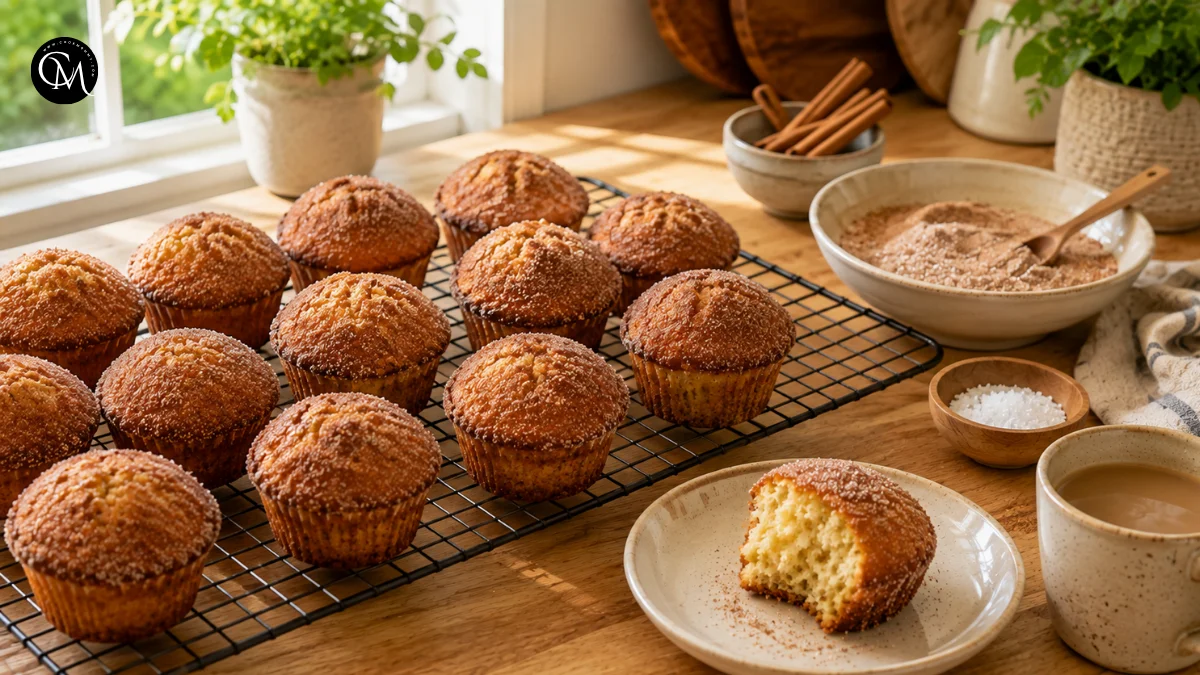
French Breakfast Puffs: Why 5 Tricks Make Them Irresistible
Can a simple muffin made with pantry staples become dramatically more appealing just by changing how it is mixed, baked, and finished? With Breakfast Puffs, the answer is yes. These old-fashioned French-inspired breakfast muffins are baked until tender and golden, then brushed with melted butter and rolled in cinnamon sugar while still warm.
What makes this recipe worth keeping is its simplicity. You do not need frosting, complicated fillings, or special equipment to create something that tastes bakery-worthy. The contrast between the fluffy interior and buttery cinnamon coating is what makes each bite memorable.
After making Breakfast Puffs several times, I found that five details matter most: using room-temperature ingredients, creaming the butter properly, avoiding overmixing, watching the baking time closely, and coating the muffins while warm. Follow those principles and you get soft centers, delicate crumbs, and a sweet cinnamon crust without making the recipe unnecessarily complicated.
Table of Contents
Ingredients for Breakfast Puffs
This recipe makes approximately 12 standard muffins.
For the muffins
- 1/3 cup unsalted butter, softened
- 1/2 cup granulated sugar
- 1 large egg, at room temperature
- 1 1/2 cups all-purpose flour
- 1 1/2 teaspoons baking powder
- 1/2 teaspoon ground nutmeg
- 1/4 teaspoon salt
- 1/2 cup whole milk
- 1 teaspoon vanilla extract
For the cinnamon-sugar coating
- 1/3 cup unsalted butter, melted
- 1/2 cup granulated sugar
- 1 teaspoon ground cinnamon
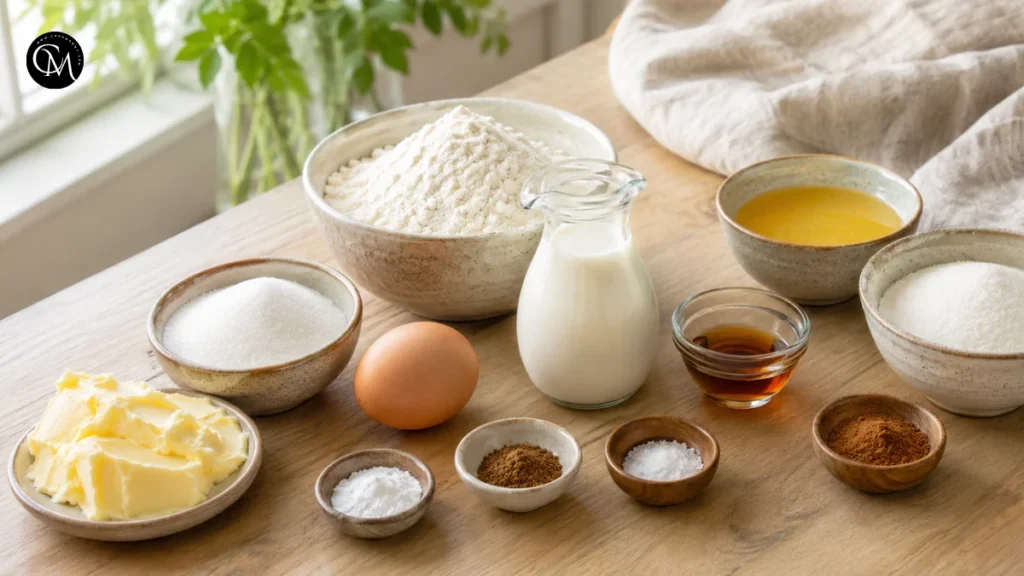
Nutmeg gives traditional Breakfast Puffs their warm, slightly old-fashioned bakery aroma. Freshly grated nutmeg is especially fragrant, although ground nutmeg works perfectly well.
Whole milk creates a tender crumb, but 2% milk can be substituted. For a richer result, you can replace a small portion of the milk with heavy cream.
If you prefer a stronger cinnamon flavor, increase the cinnamon in the coating to 1 1/2 teaspoons.
Timing
- Preparation time: 15 minutes
- Baking time: 18–20 minutes
- Finishing time: 5 minutes
- Total time: approximately 40 minutes
Many homemade muffin recipes take 30–45 minutes from mixing to serving, so these Breakfast Puffs fit comfortably into a weekend breakfast without requiring an entire morning in the kitchen.
Allow an extra 5 minutes if you want the muffins to cool slightly before serving, although I think they taste best when still pleasantly warm.
How to Make Breakfast Puffs
Step 1 – Prepare the ingredients
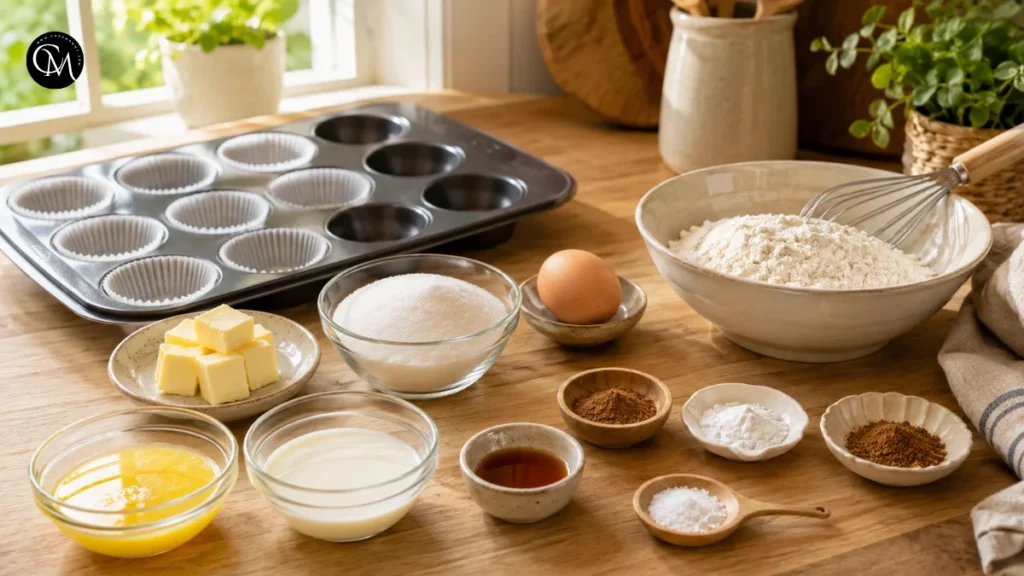
- Preheat the oven to 350°F (175°C). Lightly grease a 12-cup muffin pan or use paper liners.
- Measure every ingredient before you begin. This small habit makes baking much smoother because baking powder begins working once it meets moisture. Having everything ready means you can mix the batter and get it into the oven without unnecessary delays.
- Let the butter, egg, and milk come close to room temperature.
- Room-temperature ingredients blend more evenly and help create a smoother batter. Cold milk added directly to softened butter can cause the mixture to look curdled.
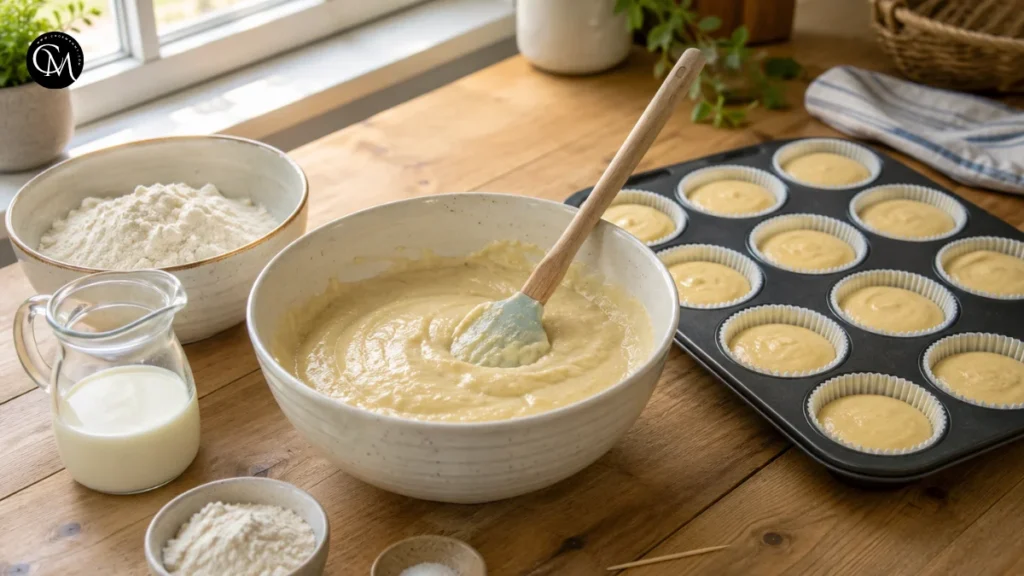
- In a separate bowl, whisk together the flour, baking powder, nutmeg, and salt.
- This distributes the leavening throughout the flour so individual Breakfast Puffs rise more evenly.
Step 2 – Build the flavor base
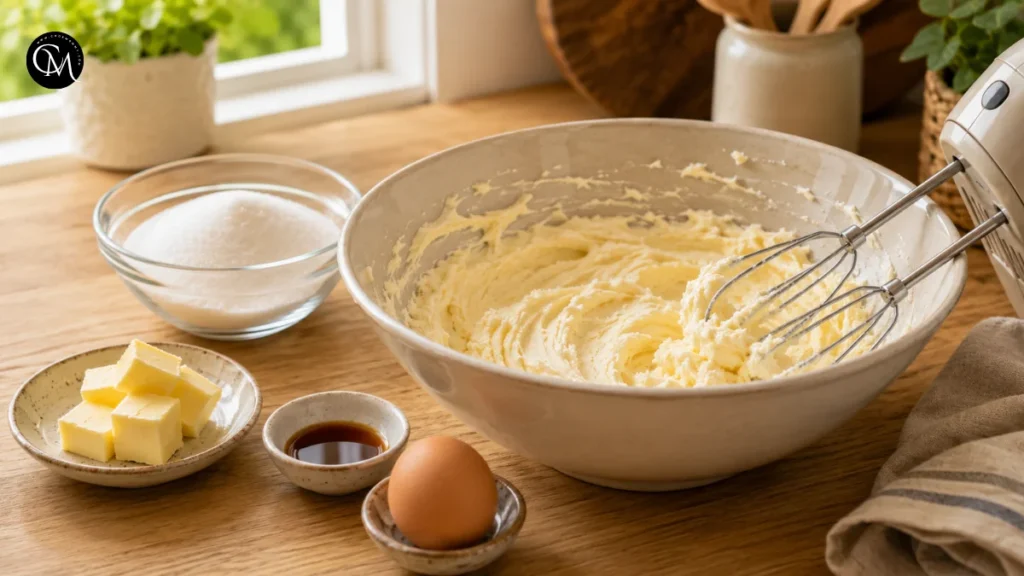
- Beat the softened butter and granulated sugar together for about 2–3 minutes.
- Do not rush this stage.
- Creaming butter and sugar incorporates tiny pockets of air into the mixture. During baking, those pockets expand and contribute to a lighter texture.
- The mixture should become noticeably paler and slightly fluffy.
- Add the egg and beat until completely incorporated. Mix in the vanilla.
- This is one of the easiest places to improve homemade muffins. Butter that is too cold will not aerate properly, while melted butter produces a noticeably different crumb.
- Properly softened butter should give slightly when pressed but should not look oily.
- That simple detail helps give Breakfast Puffs their characteristic tender interior.
Step 3 – Cook the main ingredient
- Technically, the batter is the main component here, and the secret is treating it gently before baking.
- Add roughly one-third of the dry ingredients to the butter mixture, followed by half of the milk. Mix briefly.
- Repeat with another third of flour and the remaining milk, then finish with the last portion of flour.
- Stop mixing as soon as the flour disappears.
- Overmixing develops gluten. That is useful when making chewy bread, but excessive gluten development can turn tender muffins dense or rubbery.
- Divide the batter evenly among the muffin cups, filling each around two-thirds full.
- Bake the Breakfast Puffs for approximately 18–20 minutes.
- Start checking them around minute 17 because oven temperatures vary. The tops should appear lightly golden, and a toothpick inserted into the center should come out clean or with only a few moist crumbs.
Step 4 – Combine everything
- While the muffins bake, prepare the cinnamon coating.
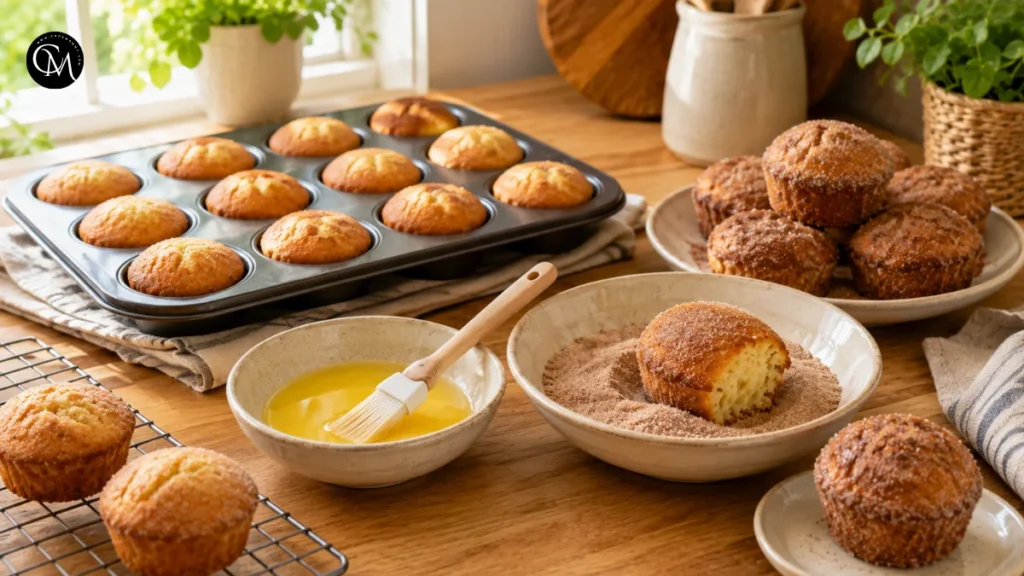
- Place the melted butter in one shallow bowl. In another, combine the sugar and cinnamon thoroughly.
- Let the baked muffins rest in the pan for about 3–5 minutes. They should still be warm enough for the coating to adhere but cool enough to handle comfortably.
- Remove one muffin at a time.
- Brush or dip the exterior lightly in melted butter, then roll it through the cinnamon sugar.
- You do not need to soak the muffin in butter. A thin, even layer is enough to help the sugar stick while keeping the pastry from becoming greasy.
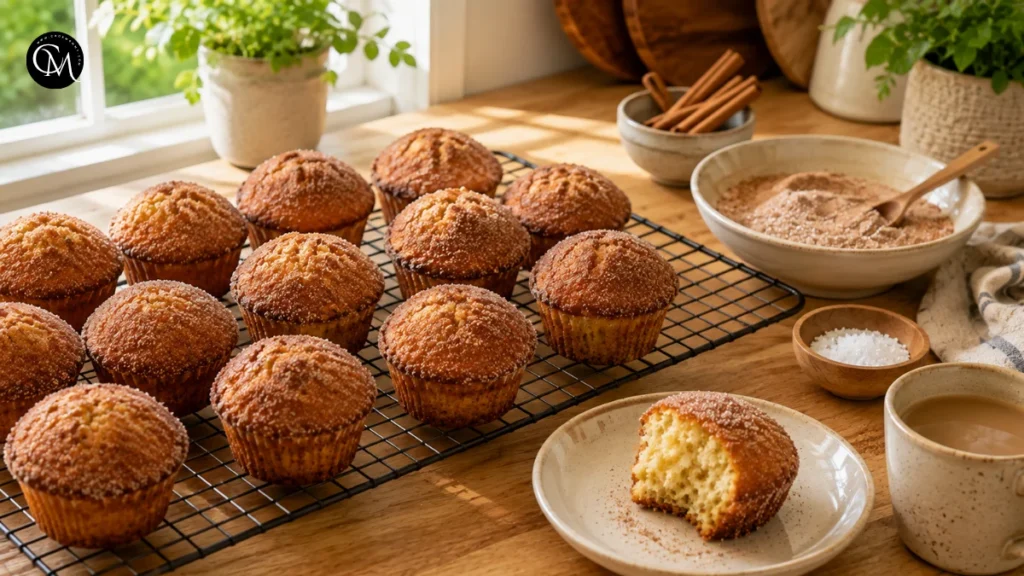
- This finishing step transforms simple muffins into classic Breakfast Puffs. The warm surface catches the cinnamon sugar, creating a delicate crust around the tender center.
Step 5 – Finish and adjust the flavor
- Set the coated muffins on a wire rack for several minutes.
- Taste one while warm.
- If you enjoy a stronger spice profile, sprinkle a tiny extra pinch of cinnamon sugar across the tops. For a subtler finish, coat only the tops rather than the entire muffin.
- One chef-style trick is adding a very small pinch of fine salt to the cinnamon-sugar mixture. Salt does not make the coating taste salty; instead, it can sharpen the butter and cinnamon flavors.
- Serve the Breakfast Puffs warm for the strongest contrast between their soft centers and slightly crisp sugar coating.
Nutritional Information
Approximate nutrition per muffin, assuming 12 servings:
- Calories: 230–250
- Carbohydrates: 31 g
- Protein: 3 g
- Fat: 11 g
- Saturated fat: 7 g
- Sugar: 18 g
- Fiber: about 1 g
- Sodium: approximately 120 mg
These numbers are estimates and will vary depending on the exact ingredients and how much melted butter or cinnamon sugar adheres to each muffin.
Breakfast Puffs are best treated as a sweet breakfast pastry or occasional snack rather than a nutritionally complete breakfast. Pairing one with fresh fruit, plain yogurt, eggs, or another protein-rich food can create a more substantial meal.
Healthier Alternatives
- You can modify Breakfast Puffs without completely changing the texture that makes them enjoyable.
- For a lower-sugar version, reduce the sugar in the batter to about 1/3 cup and use a lighter cinnamon-sugar coating. I prefer reducing the topping gradually rather than eliminating it because the buttery cinnamon crust is an important part of the recipe.
- For additional whole-grain flavor, replace about one-third of the all-purpose flour with whole-wheat pastry flour. Replacing all the flour can make the muffins heavier.
- For dairy-free Breakfast Puffs, use a neutral plant-based milk and a reliable dairy-free baking butter.
- For a gluten-free variation, use a 1-to-1 gluten-free baking flour designed to replace wheat flour directly. Results can vary between brands, so allow the muffins to cool slightly before judging their final texture.
- For children, mini muffins are fun and easier to portion. Reduce the baking time and begin checking them around 10–12 minutes.
- For seniors or anyone who prefers softer pastries, coat only the tops and avoid overbaking so the centers stay particularly tender.
Serving Suggestions
- Freshly baked Breakfast Puffs are excellent with coffee, café au lait, black tea, or hot chocolate.
- For brunch, I like arranging them in a basket beside strawberries, blueberries, sliced oranges, yogurt, and scrambled eggs. The fresh fruit balances the sweet cinnamon coating nicely.
- You can also serve them as an afternoon snack with warm apple slices. Apples and cinnamon naturally complement each other, especially during autumn.
- For a festive brunch, make mini Breakfast Puffs and place them on a serving board with fresh berries, small jars of jam, honey, nuts, and cheese.
- If you enjoy exploring breakfast recipes, pair them with a vegetable frittata or another savory egg dish. The contrast between salty and sweet makes the meal more interesting.
Common Mistakes to Avoid
- Using butter that is too cold Cold butter does not cream efficiently with sugar. Let it soften until it gives gently under your finger.
- Overmixing the batter Once flour is added, mix only until combined. Excess mixing is one of the most common reasons muffins become tough.
- Filling muffin cups unevenly Uneven portions bake at different speeds. A cookie scoop makes portioning Breakfast Puffs much easier.
- Baking until deeply browned These muffins should be lightly golden rather than dark brown. A few extra minutes can noticeably reduce moisture.
- Waiting too long before coating The cinnamon sugar sticks best while the muffins are warm. If they cool completely, the coating becomes more difficult to apply evenly.
- Using too much melted butter More is not always better. Excess butter can dissolve the sugar coating and make the exterior heavy rather than delicate.
Storing Tips for Breakfast Puffs
- Breakfast Puffs are at their best on the day they are baked, particularly during the first few hours when the exterior still has a slight sugary crispness.
- Store leftovers in an airtight container at room temperature for up to 2 days. Let them cool completely before closing the container because trapped steam can make the cinnamon coating damp.
- For longer storage, freeze uncoated muffins for up to about 2 months. Thaw them at room temperature, warm briefly, then apply fresh melted butter and cinnamon sugar.
- You can also prepare the dry ingredients the evening before and leave the covered mixture at room temperature. Measure the remaining ingredients separately, then combine everything in the morning.
- This recipe became one of my regular breakfast treats because the batter relies on ordinary pantry ingredients, yet the warm butter-and-cinnamon finish makes it feel much more special than an everyday muffin.
Conclusion
These Breakfast Puffs prove that memorable baking does not always require complicated ingredients or elaborate decoration. The fluffy interior, warm nutmeg aroma, melted butter, and cinnamon-sugar coating create plenty of flavor from a surprisingly straightforward recipe.
The five most important tricks are simple: start with room-temperature ingredients, cream the butter and sugar properly, mix the batter gently, avoid overbaking, and apply the cinnamon coating while the muffins are still warm.
Try these Breakfast Puffs for your next weekend breakfast, holiday brunch, or cozy afternoon snack. If you make them, leave a comment or review and share how your batch turned out. And subscribe for more practical baking tips, approachable recipes, and homemade breakfast inspiration.
FAQs
Can I make Breakfast Puffs the night before?
Yes. Bake them the night before and store them airtight. For the freshest texture, warm them briefly before serving or save the cinnamon-sugar coating until morning.
Why did my Breakfast Puffs turn out dense?
Dense muffins are usually caused by overmixing, inaccurate flour measurement, expired baking powder, or butter that was not properly softened and creamed with the sugar.
Can I use oil instead of butter?
You can use neutral oil in the batter, but the texture and flavor will change. Butter provides the traditional richness and helps create a lighter creamed base.
Can I make mini Breakfast Puffs?
Absolutely. Divide the batter into a mini-muffin pan and begin checking for doneness around 10–12 minutes because smaller muffins bake considerably faster.
Do I have to use nutmeg?
No. You can omit it or replace it with cinnamon, but nutmeg contributes the distinctive warm flavor commonly associated with classic French breakfast muffins.
Can Breakfast Puffs be frozen?
Yes. Freeze the baked muffins without the cinnamon coating for up to about two months. Thaw, warm gently, then coat with butter and cinnamon sugar before serving.
How do I keep the cinnamon sugar from falling off?
Apply a thin layer of melted butter while the muffins are still warm, then immediately roll them in cinnamon sugar. The warm, buttery surface helps the coating adhere evenly.
Tried it before ?
There are no reviews yet. Be the first one to write one.