
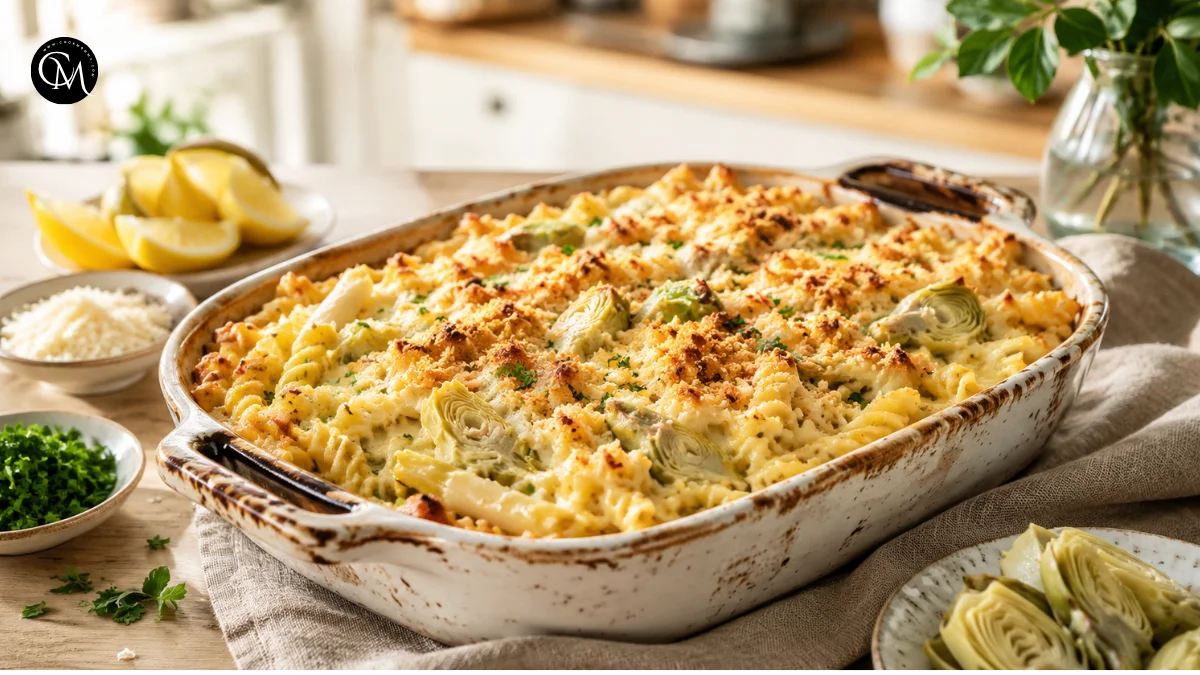
White Asparagus and Artichoke Baked Pasta
Is it possible to make a creamy pasta bake that feels rich, cozy, and satisfying without becoming too heavy? Absolutely. The secret is choosing ingredients that bring freshness, texture, and balance to the dish. This Artichoke Baked Pasta combines tender white asparagus, savory artichoke hearts, a smooth cream sauce, and a golden baked topping for a dinner that feels both comforting and elegant.
White asparagus gives the dish a mild, delicate flavor, while artichokes add a slightly tangy, earthy bite. Together, they keep the pasta bake interesting instead of making it taste like a basic cheese casserole. The sauce is creamy but not overwhelming, and the oven finish adds that irresistible bubbling, golden top everyone loves.
This Artichoke Baked Pasta is worth making because it is practical, flexible, and full of flavor. It works for family dinners, casual entertaining, or meal prep when you want leftovers that still taste delicious the next day.
Table of Contents
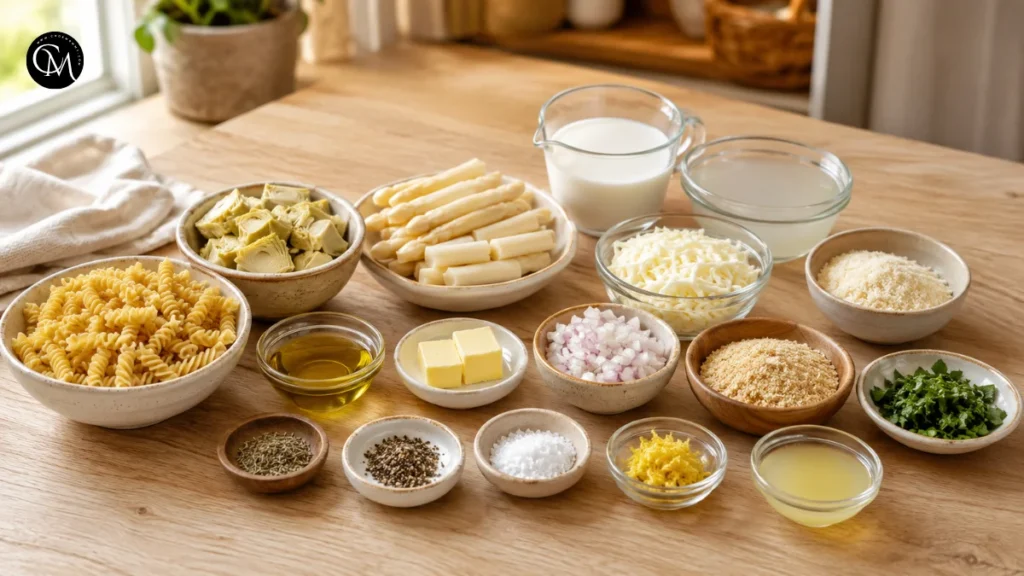
Ingredients List
For this Artichoke Baked Pasta, you will need a mix of pantry staples, fresh vegetables, and creamy ingredients that come together easily.
Main ingredients:
- 12 oz short pasta, such as rigatoni, penne, shells, or fusilli
- 1 jar or can artichoke hearts, drained and cut into pieces
- 8–10 white asparagus spears, trimmed and sliced
- 2 tablespoons olive oil
- 2 tablespoons butter
- 3 garlic cloves, minced
- 1 small onion or shallot, finely chopped
- 1 cup heavy cream or half-and-half
- ½ cup reserved pasta water
- 1 cup shredded mozzarella cheese
- ½ cup grated parmesan cheese
- ½ teaspoon dried thyme or Italian seasoning
- ¼ teaspoon black pepper
- Salt, to taste
- 1 teaspoon lemon zest
- 1 tablespoon lemon juice
- ½ cup panko breadcrumbs or regular breadcrumbs
- 2 tablespoons chopped parsley or basil
Ingredient swaps and ideas:
If white asparagus is not easy to find, green asparagus is a good substitute. It has a brighter color and a stronger grassy flavor, but it still pairs beautifully with artichokes. You can also use frozen asparagus if needed, but thaw and pat it dry first.
For a lighter sauce, replace heavy cream with half-and-half or a mixture of milk and cream cheese. For a richer Artichoke Baked Pasta, stir in a spoonful of ricotta, mascarpone, or cream cheese before baking.
If you want to add protein, cooked chicken, turkey, tuna, or white beans can be folded into the pasta before it goes into the baking dish.
Timing
- Preparation time: 15 minutes
- Cooking and baking time: 30 minutes
- Total time: 45 minutes
Many baked pasta recipes take close to an hour because they require a long-cooked sauce or several preparation steps. This Artichoke Baked Pasta is quicker because the sauce is built in one skillet, then finished in the oven until bubbly and golden.
Step-by-Step Instructions
Step 1 – Prepare ingredients
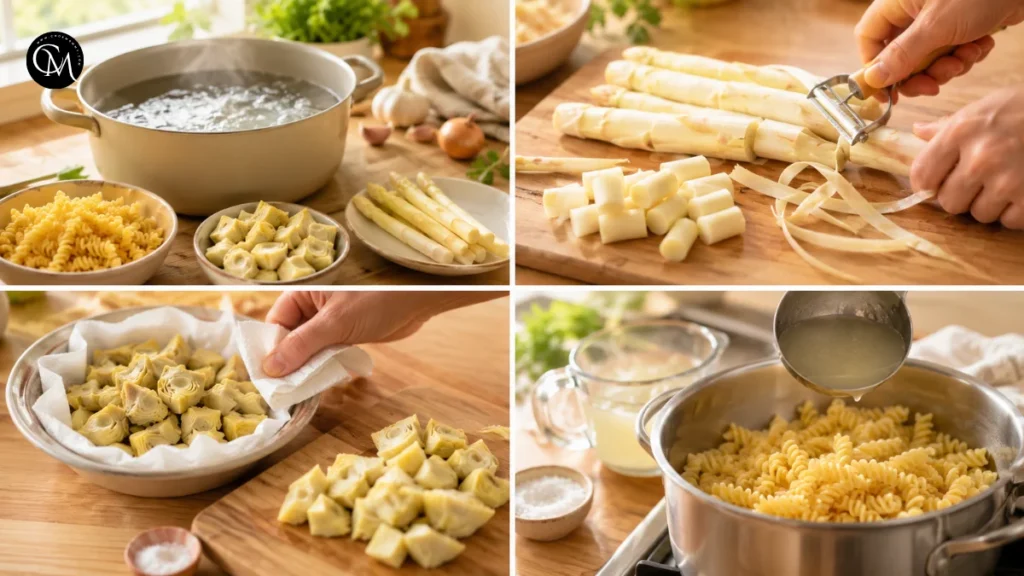
Begin by heating a large pot of salted water. While the water comes to a boil, prepare the vegetables. Trim the tough ends from the white asparagus. If the spears are thick, lightly peel the outer layer so the texture stays tender after baking. Cut the asparagus into small pieces that will mix easily with the pasta.
Drain the artichoke hearts well. Pat them dry with paper towels before cutting them into smaller chunks. This step helps prevent extra liquid from thinning the sauce.
Cook the pasta until it is just al dente. It should still have a little firmness because it will continue cooking in the oven. Before draining, save ½ cup of pasta water. That starchy water helps the sauce become glossy and cling to the pasta instead of sliding off.
Good preparation makes the final dish better. When the asparagus is evenly cut, the artichokes are dry, and the pasta is slightly undercooked, your Artichoke Baked Pasta will have a creamy texture without becoming mushy or watery.
Step 2 – Build flavor base
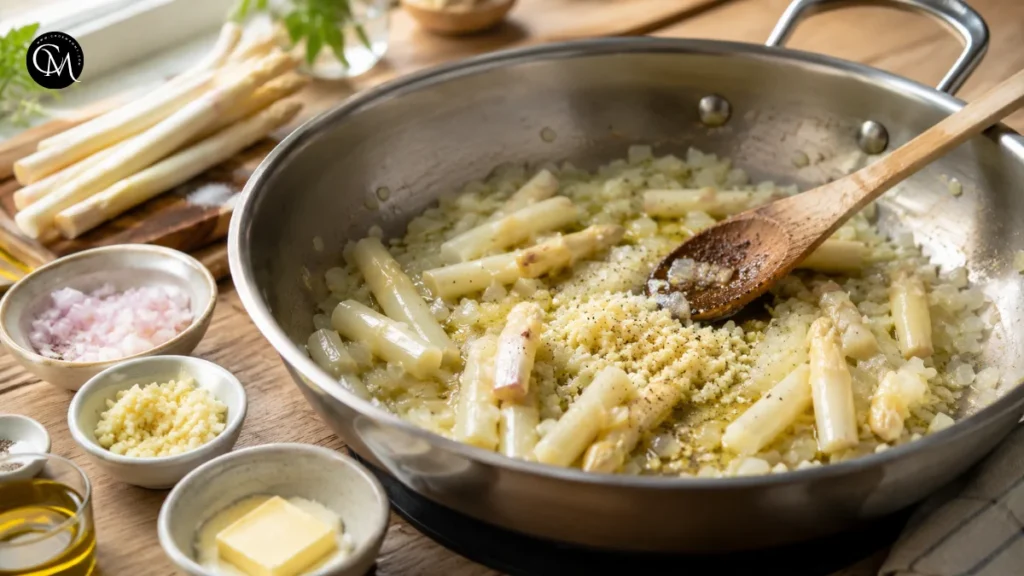
Place a large skillet over medium heat. Add olive oil and butter. Once the butter melts, add the chopped onion or shallot. Cook for 3–4 minutes, stirring often, until it becomes soft and fragrant.
Add the minced garlic and cook for about 30 seconds. Garlic burns quickly, so keep the heat moderate and stir constantly. The goal is to release its aroma without making it bitter.
Next, add the white asparagus pieces. Season lightly with salt and black pepper. Cook for 4–5 minutes, just until the asparagus begins to soften while still keeping some texture.
This step builds the foundation of flavor. Onion brings sweetness, garlic adds depth, and asparagus gives the dish a fresh, seasonal taste. Cooking them gently before baking helps every bite of Artichoke Baked Pasta taste more complete.
Step 3 – Cook the main ingredient
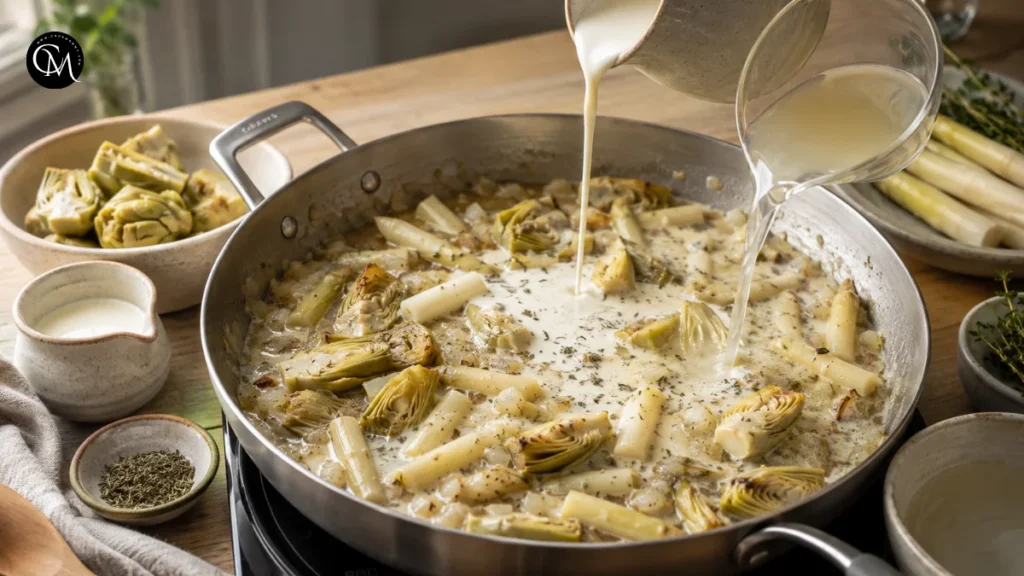
Add the artichoke hearts to the skillet. Let them cook for 2–3 minutes, stirring gently. If a few edges turn slightly golden, that is a good thing. It adds more savory flavor to the dish.
Artichokes do not need a long cooking time because they are already tender. You only want to warm them and let them absorb the garlic, onion, butter, and olive oil. If some pieces break apart, they will blend into the sauce and make the pasta even more flavorful.
Pour in the cream and sprinkle in the thyme or Italian seasoning. Stir everything together and let the sauce simmer for a few minutes. Add the reserved pasta water little by little until the sauce looks creamy and slightly loose.
The sauce should not be too thick at this stage. Pasta absorbs moisture while baking, so a sauce that looks a little thin in the skillet usually becomes perfectly creamy in the oven.
Step 4 – Combine everything
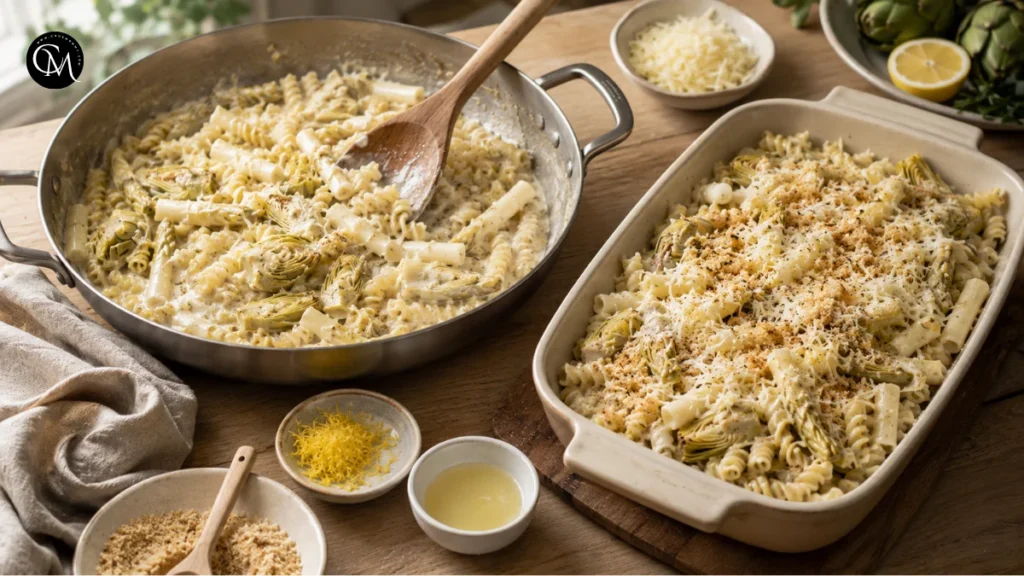
Add the cooked pasta to the skillet and toss well. Make sure the sauce coats the pasta, asparagus, and artichokes evenly. Stir in half of the mozzarella and half of the parmesan so the cheese melts gently into the sauce.
Add lemon zest and lemon juice. This small touch makes a big difference. Creamy pasta needs something bright to balance the richness, and lemon works beautifully with both asparagus and artichokes.
Taste the mixture before baking. Add more salt, pepper, or lemon if needed. A good Artichoke Baked Pasta should taste creamy, savory, lightly tangy, and well seasoned before it goes into the oven.
Transfer the pasta mixture to a greased baking dish. Sprinkle the remaining mozzarella and parmesan over the top. In a small bowl, mix the breadcrumbs with a drizzle of olive oil, then scatter them over the cheese for a crisp golden finish.
Step 5 – Finish and adjust seasoning
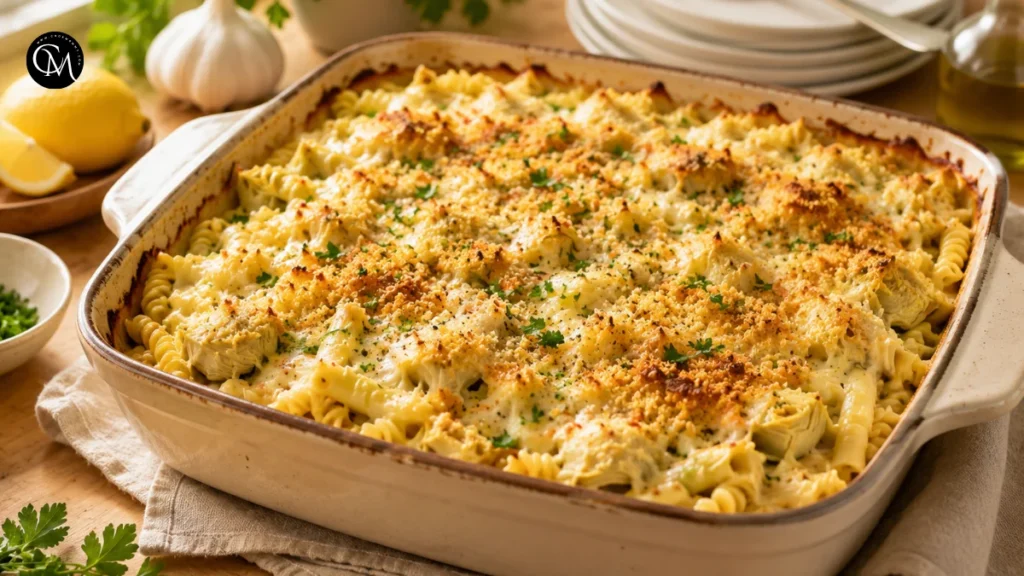
Bake the pasta at 375°F for 18–22 minutes. The top should look golden, and the sauce should bubble gently around the edges. If you like a deeper golden crust, turn on the broiler for 1–2 minutes at the end, but watch closely so it does not burn.
Let the Artichoke Baked Pasta rest for 5–8 minutes before serving. This short pause helps the sauce settle and makes the pasta easier to scoop.
Before serving, add a final sprinkle of herbs, a little black pepper, or extra lemon zest. This gives the finished dish a fresher taste and a more inviting look.
Nutritional Information
Approximate values per serving, based on 6 servings:
| Nutrient | Amount |
|---|---|
| Calories | 430 |
| Protein | 15 g |
| Carbohydrates | 52 g |
| Fat | 18 g |
| Fiber | 5 g |
| Sodium | 520 mg |
These values are estimates and may change depending on the pasta, cheese, cream, and artichokes you choose. This Artichoke Baked Pasta provides a filling combination of pasta, vegetables, cheese, and creamy sauce. For a lighter version, you can use whole-grain pasta, reduce the cheese slightly, or replace heavy cream with half-and-half.
Healthier Alternatives for the Artichoke Baked Pasta
- This recipe is naturally comforting, but it can be adjusted for different needs without losing its creamy flavor.
- For a lower-sugar version, choose plain canned or jarred artichokes without added sugar. Breadcrumbs can sometimes contain sugar too, so check the label or make homemade breadcrumbs from plain bread.
- For a whole-grain version, use whole-wheat pasta. It adds more fiber and a slightly nutty flavor that works well with the artichokes and asparagus. Chickpea or lentil pasta can also be used, but cook it carefully because it can soften quickly in the oven.
- For a dairy-free Artichoke Baked Pasta, use unsweetened oat cream or cashew cream. Replace mozzarella with a dairy-free melting cheese and use nutritional yeast instead of parmesan for a savory flavor.
- For a gluten-free version, choose gluten-free pasta and gluten-free breadcrumbs. Cook the pasta slightly less than usual so it does not become too soft after baking.
- For children, chop the asparagus and artichokes smaller and use a mild cheese. For seniors, cook the vegetables a little longer so they are softer. For a lighter plate, serve a smaller portion with a fresh salad or roasted vegetables.
Serving Suggestions
- Serve Artichoke Baked Pasta warm from the oven, when the topping is golden and the sauce is still creamy. It pairs especially well with a crisp green salad dressed with lemon vinaigrette. The fresh acidity cuts through the richness of the pasta and makes the meal feel balanced.
- For a heartier dinner, serve it with roasted chicken, grilled fish, or warm garlic bread. For a lighter option, pair it with steamed green beans, roasted zucchini, or a simple tomato salad.
- This dish also works well for casual entertaining. Bake it in a nice ceramic dish, garnish with parsley or basil, and bring it straight to the table. The creamy sauce, golden topping, and bright herbs make it look homemade and special without requiring complicated presentation.
- Leftovers can be turned into a quick lunch. Add a squeeze of lemon, a spoonful of yogurt, or a handful of arugula to refresh the flavor.
Common Mistakes to Avoid
1. Cooking the pasta too long The pasta will continue to cook in the oven. Boil it until just al dente so the final texture stays firm and pleasant.
2. Not draining the artichokes well Wet artichokes can make the sauce thin. Pat them dry before adding them to the skillet.
3. Making the sauce too thick before baking The pasta absorbs liquid in the oven. Keep the sauce slightly loose before transferring it to the baking dish.
4. Skipping the lemon Lemon adds brightness and keeps the creamy sauce from tasting flat. Even a small amount improves the overall flavor.
5. Overbaking the pasta Too much time in the oven can dry the dish. Remove it once the top is golden and the edges are bubbling.
6. Forgetting to season in layers Season the onion, asparagus, sauce, and final mixture lightly. Layered seasoning creates a better-tasting Artichoke Baked Pasta.
Storing Tips for the Artichoke Baked Pasta
- Store leftover Artichoke Baked Pasta in an airtight container in the refrigerator for up to 3 days. Let it cool first, then cover it well to keep it from drying out.
- When reheating, add a small splash of milk, cream, or water. This helps loosen the sauce and bring back its creamy texture. Reheat individual portions in the microwave or warm a larger amount in the oven at 325°F until heated through.
- You can also prepare some parts ahead of time. Trim the asparagus, drain the artichokes, grate the cheese, and mix the breadcrumb topping in advance. The full pasta bake can be assembled a few hours before baking. Keep it covered in the refrigerator, then bake it when ready. If it goes into the oven cold, add a few extra minutes to the baking time.
- This recipe became one of my regular meals because it gives me the cozy feeling of baked pasta while still tasting fresh, bright, and a little refined.
Conclusion
This Artichoke Baked Pasta is creamy, golden, flavorful, and simple enough for everyday cooking. The white asparagus adds a delicate touch, the artichokes bring savory depth, and the lemon keeps everything fresh. It is the kind of pasta bake that feels comforting without being too heavy.
What makes this recipe especially useful is its flexibility. You can make it richer, lighter, gluten-free, dairy-free, or protein-packed depending on what you have and who you are serving.
Try this Artichoke Baked Pasta for your next family dinner or weekend meal. After making it, share your review, leave a comment with your favorite variation, and subscribe for more cozy pasta recipes, vegetable dinners, and practical home-cooking ideas.
FAQs
Can I use canned artichokes for Artichoke Baked Pasta?
Yes. Canned artichokes work well. Drain them thoroughly and pat them dry before adding them to the skillet.
Can I prepare this pasta bake ahead of time?
Yes. Assemble it a few hours ahead, cover it, and refrigerate. Bake when ready, adding a little extra time if chilled.
Can I use green asparagus instead of white asparagus?
Yes. Green asparagus works nicely. It has a stronger flavor and a brighter color, but it still pairs well with artichokes.
Which pasta shape is best?
Short pasta shapes such as penne, rigatoni, fusilli, or shells are best because they hold the creamy sauce well.
How do I keep the pasta bake creamy?
Use reserved pasta water, avoid overbaking, and make sure the sauce is slightly loose before it goes into the oven.
Can I freeze Artichoke Baked Pasta?
Yes, but the creamy sauce may change slightly after freezing. For best results, freeze it before baking and thaw overnight.
What cheese works best in this recipe?
Mozzarella melts beautifully, while parmesan adds salty flavor. Fontina, Gruyère, or provolone can also make the dish richer.
Tried it before ?
There are no reviews yet. Be the first one to write one.