
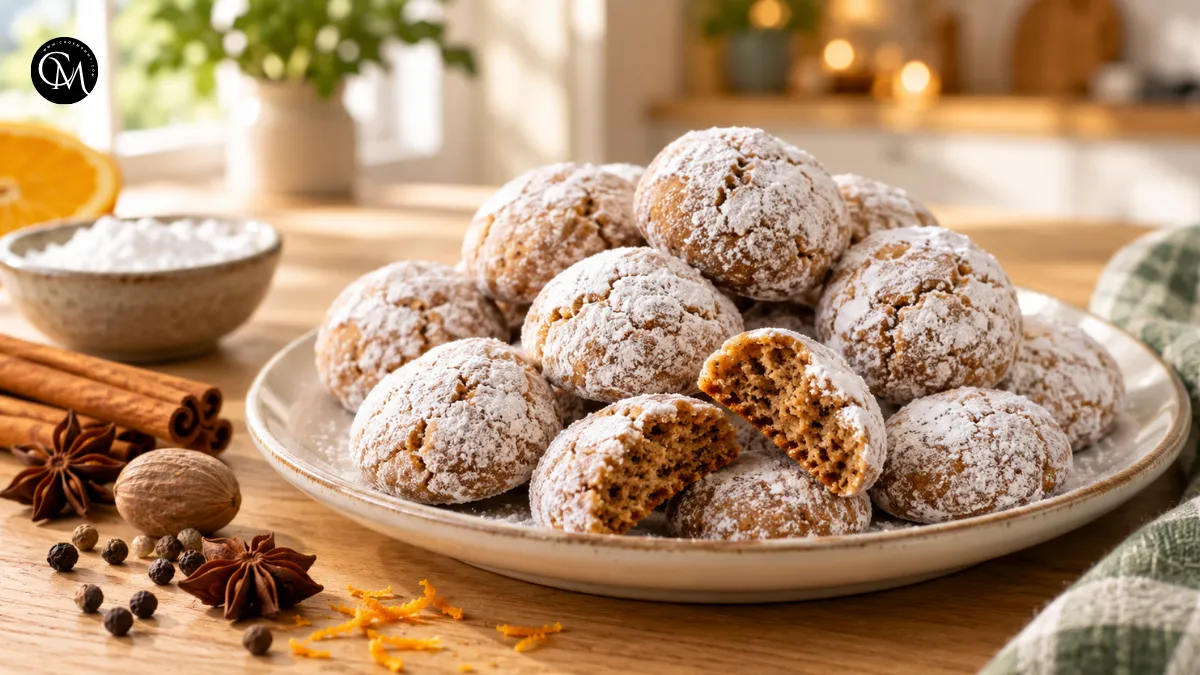
german pfeffernusse cookies: How 5 Tips Create Perfect Texture
Why can a spiced cookie go from tender to dry with only a minute or two of extra baking? Cookie texture changes quickly when flour quantity, dough temperature, resting time, and oven heat shift even slightly. That matters with pfeffernusse cookies, the traditional German holiday cookies known for warm spices, dark sweetness, gentle pepper, and a snowy sugar coating.
This recipe balances softly firm centers, fragrant spice, subtle molasses richness, and a delicate powdered-sugar finish. The dough is straightforward, but five practical techniques make a noticeable difference. You will also find substitutions, nutrition estimates, storage advice, and troubleshooting tips.
Table of Contents
Ingredients List
For about 28–32 pfeffernusse cookies:
- 2 cups all-purpose flour
- 1 teaspoon baking soda
- 1/2 teaspoon fine salt
- 1 teaspoon ground cinnamon
- 1/2 teaspoon ground ginger
- 1/2 teaspoon ground nutmeg
- 1/4 teaspoon ground cloves
- 1/4 teaspoon ground allspice
- 1/4 teaspoon finely ground black or white pepper
- 1/2 cup unsalted butter, softened
- 1/2 cup packed brown sugar
- 1/3 cup molasses
- 1 large egg
- 1 teaspoon vanilla extract
- 1/2 teaspoon finely grated orange zest, optional
- 3/4 cup powdered sugar, for coating
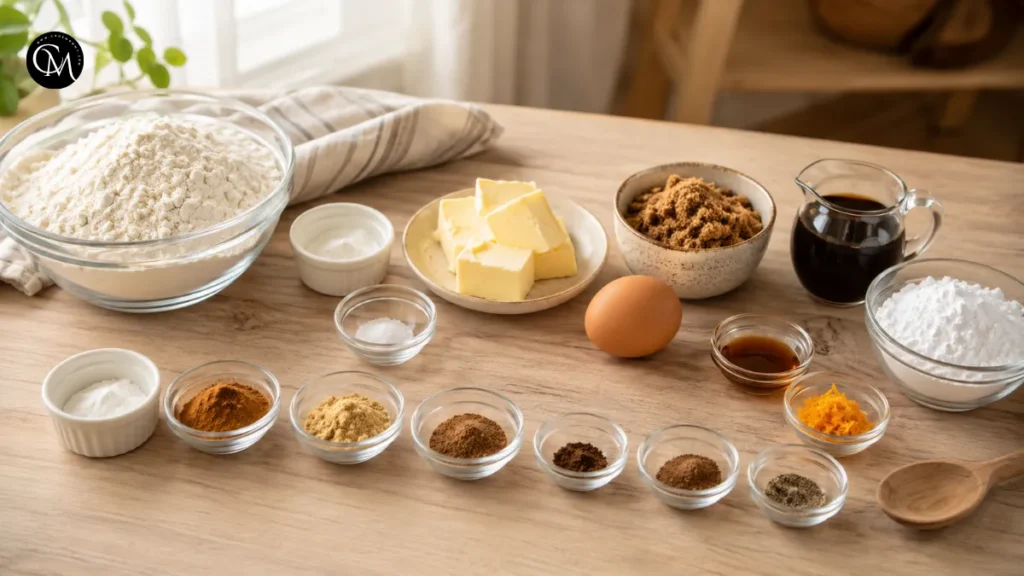
The spices create the recipe’s warm, aromatic character. White pepper gives a gentler-looking finish, while black pepper adds a slightly sharper edge. If molasses is unavailable, dark honey can work, though the flavor will be lighter. Orange zest is optional but brings freshness to the heavier winter spices.
For dairy-free cookies, use firm plant-based baking butter. If you prefer milder pfeffernusse cookies, reduce the cloves slightly instead of removing the pepper altogether.
Timing
- Preparation: 20 minutes
- Chilling: 1 hour
- Baking: 10–12 minutes per tray
- Cooling and coating: about 20 minutes
- Total: about 1 hour 50 minutes
These cookies take longer than a basic drop-cookie recipe because chilling is part of the texture-building process. Most of that time is hands-off.
Step-by-Step Instructions
Step 1 – Prepare Ingredients
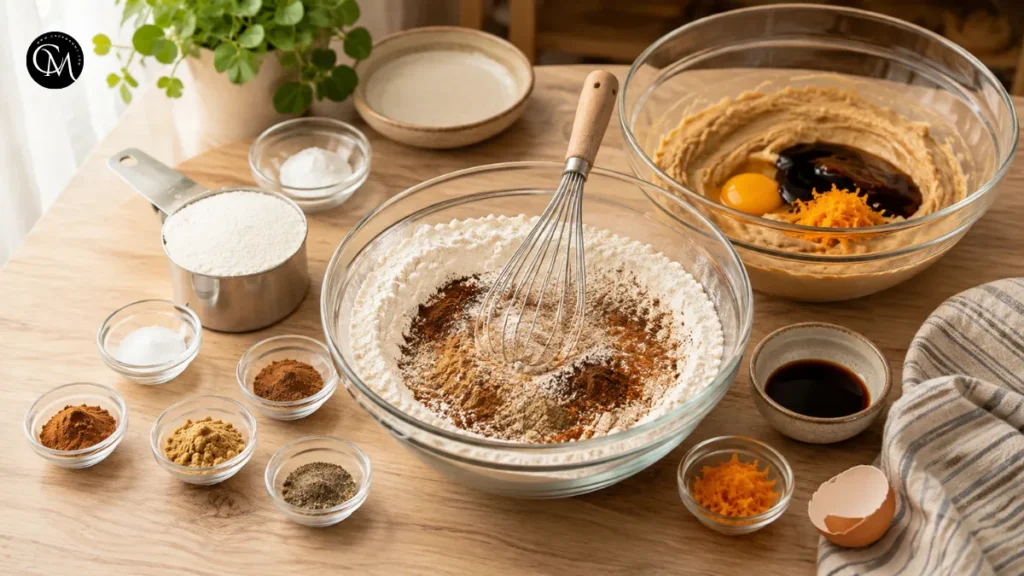
Whisk the flour, baking soda, salt, cinnamon, ginger, nutmeg, cloves, allspice, and pepper in a medium bowl. Breaking up spice clumps now prevents overly strong pockets later.
In another bowl, beat the softened butter and brown sugar for about two minutes, just until creamy. Add the molasses, egg, vanilla, and orange zest, then mix until smooth.
Preparation matters because cookie dough becomes less forgiving after flour goes in. For consistent pfeffernusse cookies, spoon flour into the measuring cup and level it rather than packing it down. Too much flour is one of the easiest ways to turn a tender cookie dry.
Step 2 – Build the Flavor Base
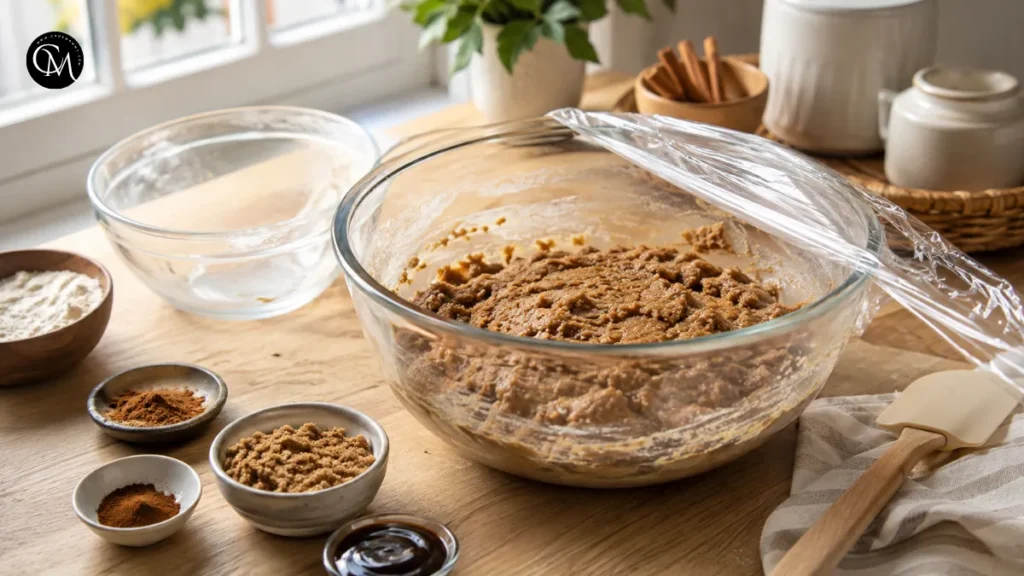
Add the dry ingredients to the butter mixture in two additions. Mix on low speed or stir by hand only until no dry streaks remain. The dough should be soft and slightly tacky.
Cover and chill for at least one hour. Chilling firms the butter, lets moisture distribute through the flour, and gives the spices time to mingle with the molasses.
That rest deepens the flavor of pfeffernusse cookies without forcing in extra spice. For a stronger, rounder aroma, refrigerate the covered dough overnight.
Step 3 – Bake for the Right Texture
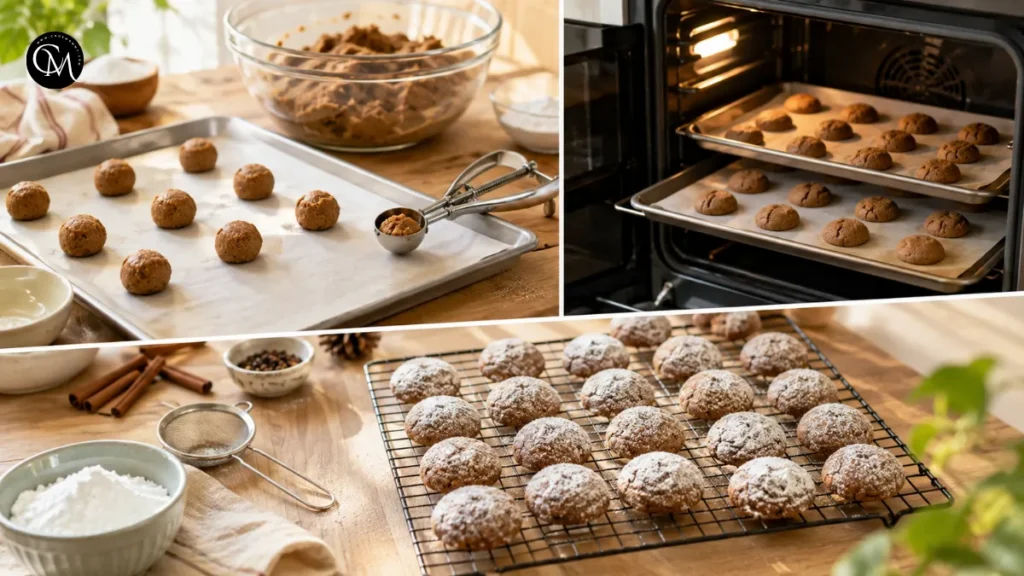
Heat the oven to 350°F or 175°C and line baking sheets with parchment. Scoop tablespoon-size portions and roll them into balls about 1 inch wide. Space them roughly 2 inches apart so hot air can circulate.
Bake for 10–12 minutes. The edges should look set while the centers remain slightly soft. The cookies continue to firm as they cool, so waiting until they feel fully firm in the oven often creates a dry result.
For softer pfeffernusse cookies, begin checking at 10 minutes. Small cookies or a hot-running oven may need less time.
Step 4 – Combine Texture and Coating
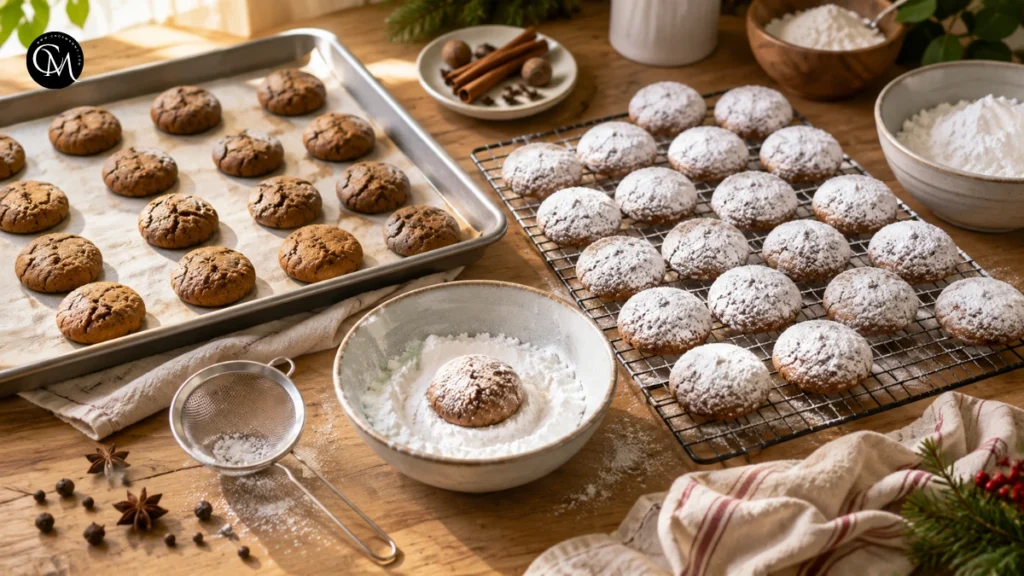
Rest the baked cookies on the pan for five minutes, then transfer them to a wire rack. When they are warm but sturdy, roll them lightly in powdered sugar.
Once completely cool, add a second dusting for the classic snowy finish. The first warm coating clings well; the second makes the surface look fresh and festive.
This coating also balances the darker molasses and pepper notes. That contrast between sweet exterior and deeply spiced center is one reason traditional pfeffernusse cookies stand out on a holiday tray.
Step 5 – Finish and Adjust
Taste a cookie only after it has cooled fully. Spices become more rounded as the cookie cools, and the texture continues settling for several hours.
For stronger pepper flavor, increase it by only a pinch next time. For more citrus, add extra zest rather than juice, which would change the dough’s moisture.
Store the cooled cookies airtight for several hours before serving. Like many spice cookies, pfeffernusse cookies often taste more harmonious after a short rest.
Nutritional Information
Approximate values per cookie, based on 30 cookies:
- Calories: 115
- Carbohydrates: 20 g
- Protein: 1.5 g
- Fat: 3.5 g
- Saturated fat: 2 g
- Sugar: 11 g
- Fiber: 0.5 g
- Sodium: 75 mg
These are estimates and vary with cookie size, powdered-sugar coating, and ingredient brands. Pfeffernusse cookies are a sweet holiday treat, so portion size and serving context matter more than chasing an exact number.
Healthier Alternatives
- For lower sugar, reduce the brown sugar to about 1/3 cup and use a lighter powdered-sugar coating. Avoid sharply reducing both sugar and molasses because they help with moisture and tenderness, not just sweetness.
- For a whole-grain version, replace up to one-third of the all-purpose flour with whole-wheat pastry flour. This adds whole grain while keeping the crumb relatively light.
- For dairy-free pfeffernusse cookies, choose a baking-style plant butter with similar fat content to regular butter. For gluten-free cookies, use a reliable 1-to-1 gluten-free baking blend that includes a binder such as xanthan gum.
- For children, reduce the pepper if they are sensitive to spice. For seniors or anyone who prefers a softer bite, bake at the shorter end of the time range and store airtight after cooling.
Serving Suggestions
- Serve pfeffernusse cookies with coffee, black tea, chai, or warm milk. Their bold spice is especially good beside simpler treats such as vanilla shortbread, butter cookies, or almond biscuits.
- For gifting, pack them in a parchment-lined tin with baking paper between layers. A mix of lightly and heavily sugared cookies looks festive without complicated decorating.
- You can also crumble one over vanilla ice cream or serve the cookies with poached pears, orange slices, roasted nuts, and dark chocolate on a winter dessert board.
Common Mistakes to Avoid
- Too much flour: Packed measuring cups create stiff dough and dry cookies. Spoon and level instead.
- Skipping the chill: Warm dough spreads more and loses the rounded shape associated with pfeffernusse cookies.
- Overmixing: Once flour is added, mix only until combined to avoid a tougher texture.
- Overbaking: Pull the cookies while their centers still feel slightly soft.
- Using stale spices: Fresh cinnamon, ginger, cloves, nutmeg, and pepper give a clearer aroma.
- Coating too late: The first sugar layer sticks best while the cookies are still slightly warm.
Storing Tips for the Recipe
- Store completely cooled pfeffernusse cookies in an airtight container at room temperature for up to one week. Keep them away from heat and humidity, which can make the powdered sugar patchy.
- For longer storage, freeze uncoated cookies for up to two months. Thaw at room temperature, then add fresh powdered sugar. The dough can also be prepared one day ahead and refrigerated tightly covered.
- This is the kind of recipe that becomes a regular holiday bake because it can be prepared ahead, travels well, and benefits from a little resting time before serving.
Conclusion
Pfeffernusse cookies are a rewarding choice when you want a holiday cookie with more character than a basic sugar cookie. The best texture comes from simple details: careful flour measurement, balanced spices, proper chilling, gentle mixing, and taking the cookies from the oven before they become too firm.
Follow these five tips and you will get rounded, fragrant cookies with tender centers, deep molasses flavor, and the classic snowy finish. Try the recipe for your next holiday tray or homemade gift, then leave a comment or review with your favorite spice adjustment. Subscribe for more practical baking guides, approachable traditional recipes, and seasonal kitchen ideas.
FAQs
What do pfeffernusse cookies taste like?
They are warmly spiced, lightly peppery, and gently sweet, with molasses, cinnamon, ginger, cloves, and nutmeg. Powdered sugar softens the spices and adds the familiar festive finish.
Why are my pfeffernusse cookies hard?
They were likely baked too long or made with too much flour. Remove them while the centers remain slightly soft, and measure flour by spooning and leveling.
Can I make the dough ahead?
Yes. Refrigerate the covered dough overnight. The extra resting time can deepen the spice flavor while making the dough firmer and easier to roll evenly.
Do I have to use pepper?
Pepper is traditional, but it should not dominate. Start with a small amount of finely ground white or black pepper and adjust later batches to your taste.
Can I freeze pfeffernusse cookies?
Yes. Freeze baked, uncoated cookies in an airtight container for up to two months. Thaw completely, then coat with fresh powdered sugar before serving.
Why chill the dough?
Chilling firms the butter, limits spreading, and allows the flour to absorb moisture. It also gives the molasses and spices time to develop a more rounded flavor.
Can I use honey instead of molasses?
Yes, but expect a lighter color and milder flavor. Choose a darker honey if possible, and remember that the texture and sweetness may differ slightly.
Tried it before ?
There are no reviews yet. Be the first one to write one.